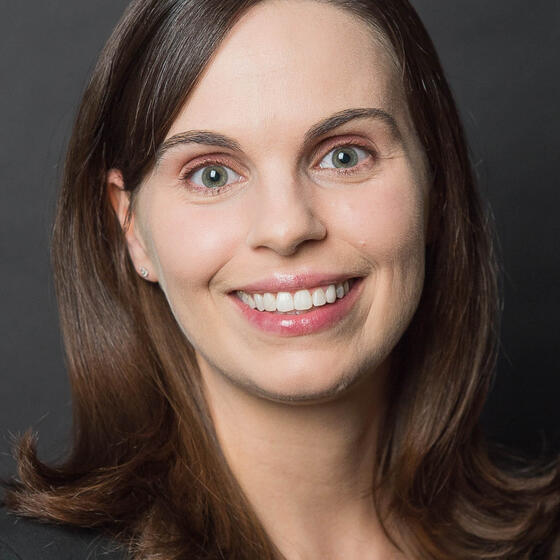
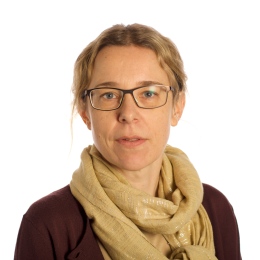
Catherine F. Eubanks is an Associate Professor of Psychology at Yeshiva University . She holds a PhD in Clinical Psychology from Stony Brook University and completed a postdoctoral fellowship at Beth Israel Medical Center, where she currently serves as Associate Director of the Psychotherapy Research Program. Education BA, Princeton University MDiv, Union Theological Seminary PhD, Stony Brook University Postdoctoral Fellowship, Beth Israel Medical Center Research Interests Dr. Eubanks specializes in: Therapeutic alliance ruptures and resolution Therapist characteristics linked to cross-theoretical effectiveness Psychotherapy skill enhancement through training and supervision Psychotherapy process research Contact Office: Resnick Campus - Rousso Building, Room 122 Phone: 646-592-4374
Lauren M. Lipner, Ph.D., is an Assistant Professor in the Clinical Psychology Doctoral Program at Long Island University (LIU) Post, within the College of Liberal Arts and Sciences. She holds a B.A. from Pennsylvania State University and earned her M.A. and Ph.D. in Clinical Psychology from Adelphi University in 2020. Her academic and clinical training includes an APA-accredited pre-doctoral internship at Pennsylvania Hospital/University of Pennsylvania Health System, a clinical postdoctoral fellowship at Mount Sinai Beth Israel, and a research and teaching postdoctoral fellowship at Adelphi University. Her research focuses on psychotherapy process and outcome, with an emphasis on the development and repair of the therapeutic alliance. Key areas include alliance rupture resolution, factors contributing to premature treatment termination, and methodological approaches to measuring therapeutic dynamics. She has contributed extensively to the literature through peer-reviewed journal articles, book chapters, and conference presentations. The most recent publications reflect a strong trend in advancing methodological rigor in studying alliance ruptures, utilizing control chart methods, single-case designs, and multi-method approaches. Her work bridges clinical practice with empirical research, particularly in cognitive-behavioral and integrative therapies for personality and anxiety disorders. Scientific awards and grants highlight her recognition in the field: Small Research Grant, Society for Psychotherapy Research (2021) Charles J. Gelso, Ph.D. Psychotherapy Research Grant, Society for the Advancement of Psychotherapy (APA Division 29, 2023) Dr. Lipner has served as Principal Investigator on funded projects including 'The relationship between therapist flexibility, alliance rupture resolution, and premature treatment termination' and 'Reasons for dropout measure: Development and validation.' She is actively involved in professional organizations such as the American Psychological Association (Divisions 12 and 29), the Society for Psychotherapy Research, and the Society for the Exploration of Psychotherapy Integration. She regularly presents her research at national and international conferences, contributing to training and supervision literature, particularly in CBT and alliance-focused models. While no specific lab or research team is explicitly named in the text, her collaborative work with prominent researchers like Jeremy D. Safran, J. Christopher Muran, and Jacqueline P. Barber suggests active participation in a research network focused on psychotherapy process and integration. Her contributions to handbooks and case studies further indicate a strong commitment to clinical education and training.
Urban Johnson is a Professor at Halmstad University's School of Health and Welfare, specializing in sports psychology with a focus on sustainable participation in sports, health, and physical activity. His research examines psychological aspects of sports injury (pre- and post-injury) and healthy athletic engagement, particularly through pandemic-era studies of Swedish upper secondary sport students. Johnson's research interests center on: Psychological mechanisms in sports injury rehabilitation and prevention Adolescent athlete mental health and dropout dynamics Pandemic impacts on sport education systems Gender-specific responses to athletic challenges Longitudinal behavioral patterns in youth sports His work integrates qualitative analysis of student-athlete experiences with clinical psychology frameworks. His publication trends reveal intense focus on pandemic-related disruptions (2020-2025), with 12 of 15 recent articles examining COVID-19's impact on student-athletes, teachers, and sports systems. Key thematic clusters include: Sport injury psychology (ACL re-ruptures, prevention) Adolescent mental health during crises Fun/motivation dynamics in youth sports Cross-contextual leadership challenges Johnson actively supervises students at basic, advanced, and doctoral levels while teaching methodology courses. His collaborative projects include the Karolinska Football Injury Cohort Study and consensus statements on sport injury psychology. Current work emphasizes cocreation of injury prevention programs and psychological support services for elite handball.
Lisa Wallner Samstag is a Professor of Psychology at Long Island University's Brooklyn Campus, affiliated with the College of Liberal Arts and Sciences and Department of Psychology. She is Director of Psychotherapy Research and Clinical Supervisor at LIU's Psychological Services Center, and Senior Consultant at Mount Sinai Beth Israel's Psychotherapy Research Program. B.A. in Psychology from Queen’s University M.A., M.Phil., and Ph.D. in Clinical Psychology from City University of New York Her research focuses on therapeutic alliance development, alliance ruptures, process-outcome dynamics, depression, anxiety, personality disorders, and developmental themes like parenting and infertility. She has extensively published on ruptures in psychotherapy and their resolution. Dr. Samstag's publications span from 2004 to 2022, emphasizing therapeutic alliance dynamics, rupture repair strategies, and clinical outcomes across diverse psychotherapy approaches. Her work bridges theoretical concepts with practical applications in alliance-focused training. Fellow of the American Psychological Association (APA) She supervises trainees in alliance-focused therapy, co-edited a book on rupture repair, and contributes to psychotherapy literature through book chapters and editorship roles in APA journals.
University of California, San FranciscoUnited States
Jacob Young, MD, is an Assistant Professor in the Department of Neurological Surgery at the University of California, San Francisco (UCSF) School of Medicine and a Principal Investigator in the UCSF Brain Tumor Center. His clinical practice focuses on neurosurgical management of adult brain tumors including gliomas, metastatic tumors, and meningiomas, utilizing advanced brain mapping techniques to preserve critical motor, language, and sensory functions during resection. Dr. Young's educational background includes a BS in Neuroscience from Duke University (2012), an MD from the University of Chicago Pritzker School of Medicine where he was elected to Alpha Omega Alpha Honor Medical Society (2017), and a neurosurgery residency at UCSF (2017-2024). His research program integrates laboratory investigations with clinical trials to address fundamental challenges in brain tumor treatment. His primary research interests center on understanding glioblastoma immune microenvironment dynamics and developing innovative therapeutic strategies. Key focus areas include: First-in-human clinical trials of novel immunotherapies Focused ultrasound-mediated blood-brain barrier disruption to enhance drug delivery Longitudinal molecular profiling of tumor evolution during treatment AI-driven tools for patient care navigation and clinical trial assessment Prospective outcomes research through the RANO resect group and NeuroPoint Alliance His work bridges fundamental tumor biology with translational applications to overcome treatment resistance. Analysis of Dr. Young's 15 most recent publications (2023-2025) reveals a strong emphasis on surgical innovation, tumor immunology, and molecular characterization. Key trends include: development of prognostic classification systems for resection extent, investigation of glioma-neuronal circuit interactions driving immunosuppression, and optimization of drug delivery strategies. His collaborative work within the RANO consortium establishes evidence-based surgical guidelines while his lab's focus on microenvironmental factors informs next-generation immunotherapies. Dr. Young has received significant recognition including: Chan-Zuckerberg Physician Scientist Fellowship (2021-2022) ASCO Young Investigator Award (2022-2023) Andrew J. Lockhart Focused Ultrasound Fellowship (2023) Multiple Harold Rosegay Teaching Awards from UCSF Howard Naffziger Award for Clinical Excellence His research is supported by NIH, NCI, Focused Ultrasound Foundation, and AANS grants. As lab director, Dr. Young mentors a diverse team including PhD candidates like Edward Valenzuela (DSCB program) and specialists in immunology and neuro-oncology. His lab participates in the RANO resect group, ENCRAM research program, and NeuroPoint Alliance to advance clinical protocols. Current projects include developing intraoperative focused ultrasound prototypes, single-cell analysis of tumor evolution, and AI tools for patient navigation through care pathways. Future work focuses on translating microenvironment discoveries into combination therapies targeting treatment resistance mechanisms.
Dr. Joel Town is an Adjunct Professor in the Department of Psychiatry and cross-appointed in the Department of Psychology and Neuroscience at Dalhousie University . He holds a BSc (Hons) from the University of York and a Doctorate in Clinical Psychology (DClinPsy) from the University of Sheffield. Education: BSc (Hons) in Psychology, University of York, England Doctorate in Clinical Psychology (DClinPsy), University of Sheffield, England Dr. Town's research focuses on psychotherapy outcome research , mechanisms of change in psychotherapy , and psychological treatments for depression and medically unexplained symptoms . He specializes in Intensive Short-Term Dynamic Psychotherapy (ISTDP) , examining its efficacy for conditions like treatment-resistant depression, post-traumatic stress disorder, and somatic symptom disorders. His work includes clinical trials , systematic reviews , and meta-analyses to evaluate therapeutic processes and outcomes. His recent publications highlight ISTDP applications for personality disorders, anxiety, chronic pain, and eating disorders. Key trends include emotional processing , therapeutic alliance dynamics , and cost-effectiveness of brief interventions . Dr. Town also explores how unconscious emotional conflicts influence treatment outcomes. As a clinician, he serves as the lead clinical psychologist at the Medically Unexplained Symptoms Clinic, QE-II Health Science Centre, and as Director of Dynamic Health Psychological Services, Halifax . He supervises clinical psychology interns and practicum students and contributes as a Consulting Editor for journals like Psychotherapy and Psychotherapy Research .
Don Davis is a Professor in the Department of Counseling at Georgia State University's College of Education & Human Development. He serves as program coordinator for Counseling Psychology and teaches in Clinical Mental Health and Counselor Education programs. Research Focus: Dr. Davis directs the Humility and the Advancement of Positive Psychology Interventions (HAPPI) Lab, which conducts basic and applied research on virtues including humility, forgiveness, and gratitude. His work also examines spirituality as an aspect of diversity in counseling. He leads a $6 million John Templeton Foundation grant project investigating intellectual humility development and intervention contexts. Publications explore cultural humility in clinical supervision, religious/spiritual struggles, existential humility, and multicultural counseling processes. Recent work examines how virtues like humility and gratitude impact therapeutic relationships and psychological well-being across diverse populations. Key Research Areas: Positive Psychology Interventions Cultural Humility in Counseling Spirituality and Mental Health Virtue Development in Clinical Practice
Christopher Christian is a Clinical Assistant Professor at Yale School of Medicine, Department of Psychiatry. He earned his Ph.D. in Clinical Psychology from the University of Massachusetts, Amherst, and a Certificate in Psychoanalysis from the Institute for Psychoanalytic Training and Research (IPTAR), where he served as past Dean and Training Analyst. He also serves as a Professor in the Contemporary Psychoanalytic Psychotherapy program at Ramon Llull University (Barcelona). His work bridges psychoanalysis, linguistic analysis, and psychosomatic disorders. Education: Ph.D. in Clinical Psychology (University of Massachusetts, Amherst, 1997) Leadership: Past Dean and Training Analyst, IPTAR Research Interests: Christian’s research focuses on psychoanalysis applied to body dysmorphia, maladaptive daydreaming, and emotional communication. His work explores linguistic patterns in therapeutic processes, ruptures in therapy, and the impact of crises like the pandemic on mental states. He employs single-case studies and psychodynamic diagnostic frameworks. Scientific Contributions: His articles analyze therapeutic alliance dynamics, countertransference, and psychosomatic disorder treatments. Recent works examine body dysmorphia, online therapy effects, and linguistic dimensions of mental health during lockdowns. Awards: Recipient of the 2020 Gradiva Award and American Board & Academy of Psychoanalysis Book Prize for Psychoanalysis in the Barrios .
Catherine F. Eubanks is a Professor in the Department of Psychology at Adelphi University, affiliated with the Gordon F. Derner School of Psychology. She is based in the Hy Weinberg Center and can be reached at 516.877.4810 or via email at ceubanks@adelphi.edu. Education: PhD, Stony Brook University (2008) Her research centers on identifying therapist skills and characteristics that lead to positive outcomes in psychotherapy, with a particular emphasis on the negotiation of alliance ruptures across different theoretical orientations. She investigates how such skills can be enhanced through training, aiming to bridge the gap between research and clinical practice. Her work integrates quantitative, qualitative, and case study methodologies to maintain both scientific rigor and clinical relevance. Dr. Eubanks has developed and refined the Rupture Resolution Rating System (3RS), an observer-based coding measure designed to evaluate alliance rupture and repair processes in therapy. The 3RS is transtheoretical and applicable across various therapeutic modalities, serving both as a research instrument and a training tool for therapists to improve their sensitivity to therapeutic process and identity-, goal-, or need-based differences between patient and therapist. She teaches advanced doctoral courses such as Advanced Topics in Mental Health, Supervision Theory & Practice, Doctoral Thesis Supervision series, and seminars on psychotherapy integration and psychological research. There are no scientific awards listed in the available information. Dr. Eubanks advises doctoral students through ongoing thesis supervision, contributing to the training of future clinical psychologists. Although specific grant funding is not mentioned, her research program suggests engagement with scholarly and potentially sponsored research activities. The Rupture Resolution Rating System (3RS) represents a key component of her research lab or conceptual research team, functioning as both an analytical framework and a pedagogical instrument in therapist development.
Shannon Walters is Associate Professor of English in Temple University’s College of Liberal Arts and affiliated faculty in both the First-Year Writing Program and the Gender, Sexuality & Women’s Studies program. Since arriving at Temple in 2009 she has built an internationally recognized profile at the intersection of rhetoric-composition and disability studies. Education: PhD in English and Women’s Studies, Pennsylvania State University Research & Scholarly Focus: Walters’ scholarship fuses rhetoric and composition with disability, gender, and animal studies. Her 2014 monograph Rhetorical Touch: Disability, Identification, Haptics (University of South Carolina Press) theorizes tactile rhetorics and disabled embodiment. Ongoing projects explore neurodiverse writing pedagogies, multimodal accessibility, critical animal studies, and graphic narratives, producing articles in PMLA , JAC , DSQ , and other flagship journals. Recent Publication Trends: Across 2005-2022 Walters has published seventeen peer-reviewed pieces that collectively advance three intertwined trajectories: (1) crip/queer rhetorical theory and temporalities, (2) neurodiversity-informed composition and technical communication pedagogy, and (3) interspecies rhetorics that link disability and animal studies through comics and multimedia texts. Teaching & Mentoring: She teaches undergraduate writing (Analytical Reading & Writing, Social Issues in Literature, Women in Literature) and graduate seminars in rhetoric-composition, while regularly offering special-topics honors courses on disability and identity. No individual advisees are listed in available sources. Affiliations & Service: Walters serves as core faculty in the Gender, Sexuality & Women’s Studies program and participates actively in Temple’s interdisciplinary disability-studies community. Office: Mazur Hall 1051.
Professor Antje Gumz holds a Professorship for Psychosomatics and Psychotherapy with a focus on Depth Psychology-Based Psychotherapy at the Psychologische Hochschule Berlin (PHB). She leads a dedicated working group focused on psychotherapy research and training, with particular emphasis on therapeutic relationship skills, alliance ruptures, and psychodynamic concepts. Her academic work bridges clinical practice and scientific research, contributing significantly to the field of psychotherapy. Dr. Gumz's research interests span multiple dimensions of psychotherapy, with particular focus on measuring and training therapeutic relationship skills, including alliance ruptures, facilitative interpersonal skills, dealing with transference/countertransference, and enactments. She investigates mediators of therapy success and the role of language and voice in psychotherapy, bringing a unique perspective that integrates psychodynamic and systems theory concepts. Her work emphasizes the importance of understanding the therapist's role in therapeutic tensions and crises, and how these can be transformed into opportunities for therapeutic advancement. Professor Gumz has published extensively on psychotherapy techniques and training, with numerous publications in leading journals. Her recent work focuses on the development of assessment tools like the Psychodynamic Intervention List (PIL) and the Mediators of Change in Psychotherapy Inventory (MoCPI). Her research demonstrates how specific verbal techniques relate to session quality and therapeutic outcomes, providing empirical support for clinical practice. Heigl Foundation Research Grant (2019-2025) for therapist interpersonal skills research German Psychoanalytic Society Research Grant (2017-2019) for therapeutic techniques studies Professor Gumz actively supervises numerous doctoral students and research assistants, fostering the next generation of psychotherapy researchers. Her work extends beyond academia through collaborations with multiple psychotherapy training institutes across Germany. She has developed innovative training approaches like the Modified Alliance-Focused Training with Doubling (MAFT-D) to improve therapists' competencies in handling therapeutic tensions. Her research group maintains strong national and international collaborations, contributing to evidence-based psychotherapy training and improved treatment outcomes.
Jennifer Callahan is a Professor in the School of Behavioral and Brain Sciences at the University of Texas at Dallas. She serves as Director of the CARE Lab and Co-Director of Texas NABORS, focusing on advancing clinical science and improving mental health outcomes for underserved populations. Her research emphasizes culturally responsive interventions, cognitive decline in psychotic disorders, and psychotherapy supervision practices. Her work addresses disparities faced by low-income and marginalized communities through program evaluation, clinical training innovations, and cross-cultural studies. Key contributions include developing assessment tools for OCD in Spanish-speaking populations and exploring long-term cognitive trajectories in psychiatric patients. Jennifer Callahan’s scholarship integrates empirical research with practical applications, bridging gaps between academic findings and real-world clinical challenges. Her articles span topics like psychotherapy integration, supervision frameworks, and global mental health collaboration, reflecting a commitment to both scientific rigor and societal impact. In training and education, she advocates for competency-based assessments and inclusive practices, addressing systemic barriers in psychology education. Her leadership roles drive interdisciplinary collaboration, evidenced by co-authorship networks across international mental health research initiatives.
Ingrid Söchting is a Clinical Professor and Director of the UBC Psychology Clinic, affiliated with the University of British Columbia. She holds a PhD from Simon Fraser University (1996) and specializes in cognitive behavioral therapy (CBT) and interpersonal therapy (IPT) for depression and anxiety disorders. PhD, Simon Fraser University, 1996 Her clinical research focuses on evaluating outcomes of CBT and IPT group therapies, particularly for Asian immigrants. Key areas include patient expectations, predictors of therapeutic success, dropout rates, alexithymia's impact on outcomes, and competency standards for OCD CBT. She also explores bridging science and practice in psychotherapy. Recent publications investigate CBT standards for OCD, virtual group therapy, and psychometric tools for child psychology. Her work spans collaborations with international researchers and contributions to group therapy frameworks. Scientific awards include certification as a Canadian-CBT therapist and a Certified Group Therapist by the American Group Psychotherapy Association. She coordinates UBC's CBT program for psychiatry residents and teaches CBT/IPT to psychology and psychiatry trainees. The UBC Psychology Clinic, where she directs, serves as a hub for clinical practice and research.
University Medical Center Hamburg-EppendorfGermany
Anne Daubmann is a Research Fellow at the Institute of Medical Biometry and Epidemiology within the Faculty of Medicine at the University Medical Center Hamburg-Eppendorf (UKE) . Her work focuses on Medical Biometry and Health Services Research , with significant contributions to Mental Health , Multiple Sclerosis , and Primary Care domains. Her research spans: Digital health interventions for cancer patients Nutritional strategies in MS management Family-oriented mental health policies AI reliability in medical guidelines Resuscitation training methodologies Scientific Awards: Certificate in Medical Biometry (2020) from GMDS and IBS-DR She holds memberships in the International Biometric Society, German Region (IBS-DR) . Her methodological expertise includes statistical analysis in clinical trials and health outcomes evaluation .
Camilla von Below is an Assistant Professor at Stockholm University's Department of Psychology, actively engaged in research, teaching, and clinical practice. She is affiliated with the Stockholm University research group for Process and Outcome in Psychodynamic therapies (SU-POP), which focuses on psychodynamic therapy in various formats including standard psychotherapy settings, internet-delivered treatment, and online psychotherapy. Her research primarily centers on psychodynamic psychotherapy, with a particular emphasis on naturalistic studies examining patient and therapist experiences of therapeutic alliance and factors that help or hinder psychotherapy. She has developed a comprehensive process model of suboptimal therapy with young adults, highlighting the importance of meta-communication and correct assessment of patients' mentalization capacity. Dr. von Below's research interests span several key areas including attachment theory in therapeutic contexts, mentalization theory and practice, young adult psychotherapy, and transitions to telepsychotherapy. Her work reveals consistent themes across publications regarding the importance of understanding attachment patterns, fostering mentalization, and adapting therapeutic approaches to young adults' developmental needs. She has received recognition for her scholarship through publications in respected journals such as European Journal of Psychotherapy , Frontiers in Psychology , and Psychotherapy Research , as well as authoring the book "Anknytning i psykoterapi" which bridges attachment theory with clinical practice. In addition to her academic work, Dr. von Below teaches mentalization theory and practice, attachment theory and practice, and psychotherapy with young adults at both Stockholm University and Uppsala University. She also maintains an active clinical practice as a psychologist and psychotherapist for individuals and couples, and serves as a supervisor. Notably, she co-founded the idea collective "På spaning efter själen" (In search of the soul), which explores existential questions in contemporary culture through podcasts and lectures for the general public. Her current research projects include "Mentalizing Skills for staff at psychiatric wards" and studies examining transitions to telepsychotherapy during the COVID-19 pandemic, with particular attention to personality orientation and attachment style. These projects reflect her ongoing commitment to improving psychotherapy practice through evidence-based approaches.