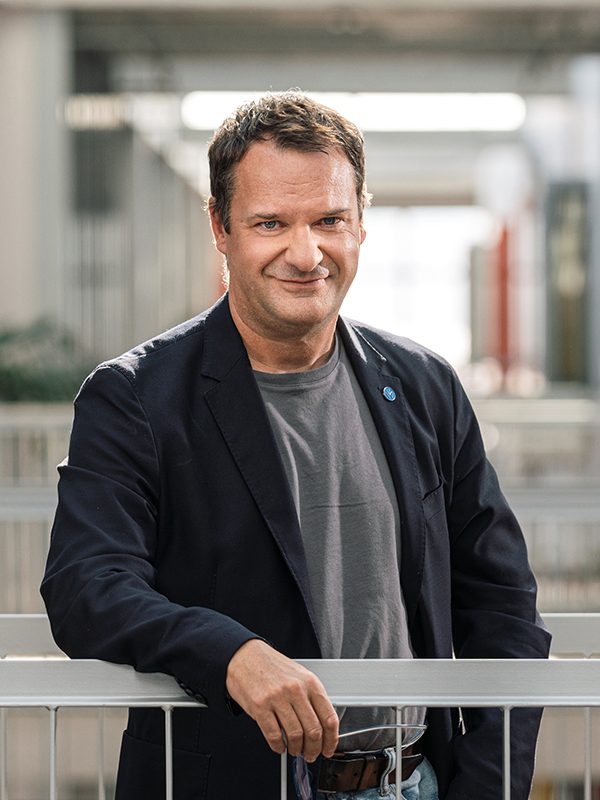
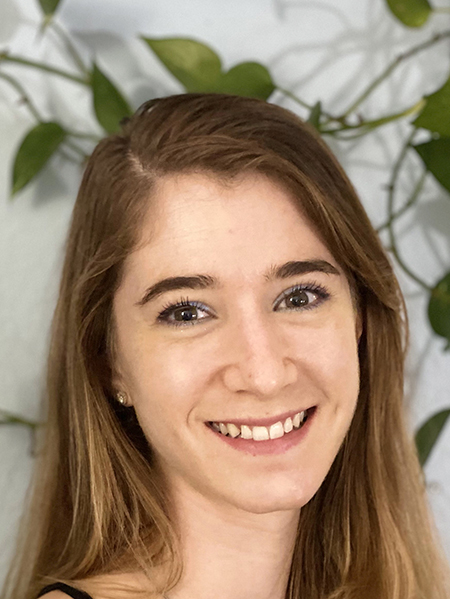
Dr. Michael Ham is an Associate Professor and Coordinator for Cyber Operations Initiatives at Dakota State University's Beacom College of Computer & Cyber Sciences. He leads the NSA-designated Center of Academic Excellence in Cyber Operations (CAE-CO) and oversees DSU's Cyber Operations bachelor's program and Ethical Hacking Certificate. His roles include teaching advanced cybersecurity courses, advising doctoral students, and coordinating cyber events like DakotaCon and GenCyber camps. Education: All degrees from Dakota State University — D.Sc. in Cybersecurity (202X), M.S. (20XX), and B.S. (20XX). Research focuses on cybersecurity education, penetration testing, malware analysis, and developing experiential learning tools. Key projects include open-source platforms for hardware reverse engineering and wireless security training using software-defined radios. He emphasizes cyber hygiene practices and offensive security principles in both teaching and industry consulting. Grants highlight his leadership in addressing cybersecurity workforce shortages, including NSF CyberCorps SFS programs (PI), GenCyber camps (Co-PI), and DoD scholarships. Recent publications address ransomware prevention, X.509 certificate validation, and pandemic-era ICT systems. Dr. Ham also serves as an independent security consultant, advising on infrastructure security, vulnerability remediation, and policy development for organizations. His work bridges academia and industry through practical, hands-on cybersecurity education and tool development.
Dr Steve Maddock is a Senior Lecturer in Computer Graphics and Acting Head of the Visual Computing research group at the University of Sheffield's School of Computer Science. He holds a Class I Degree in Computer Science (University of Sheffield), a PGCE in Mathematics (11-18), and a PhD in computer graphics modeling and animation, all from the University of Sheffield. With over 30 years of experience in computer graphics software development, he has contributed to the computer games industry through a six-month secondment at Gremlin/Infogrames. His research focuses on facial modeling and animation, augmented/virtual/mixed reality applications, and sketch-based interfaces. Key areas include 3D computer graphics, real-time rendering, and human-robot collaboration systems. Maddock has led and co-led several grants, including projects on game software engineering, rail network surveillance, and heritage visualization using immersive technologies. He is a member of INSIGNEO, Sheffield Robotics, and the Cultural Industries Research Network. Publications highlight contributions to facial analysis for medical diagnostics, style transfer techniques for games, and safety zone visualization in robotics. His work integrates interdisciplinary approaches, combining computer science with fields like biology and robotics. Maddock's Visual Computing research group explores cutting-edge solutions in graphics, virtual environments, and computational tools for real-world applications.
Professor Arokia Nathan is affiliated with the Department of Engineering at the University of Cambridge , where he holds the Chair in Photonic Systems and Displays. His work bridges semiconductor device engineering, flexible electronics, and intelligent systems. Specializes in Thin-Film Transistors (TFTs) for displays and sensors Key contributions to digital microfluidics and neuromorphic computing Focus on ultra-low-power and high-frequency CMOS circuits Advances in oxide semiconductor materials and hybrid electronics Recent publications highlight trends in neuromorphic perception , flexible battery technologies , and RF/wireless communication systems . His research also emphasizes bioinspired robotics , wearable electronics , and intelligent IoT devices .
Kaylena Ehgoetz Martens serves as an Associate Professor in the Department of Kinesiology and Health Sciences at the University of Waterloo, where she directs the Neurocognition and Mobility Lab. Her research program integrates movement kinematics, functional neuroimaging, psychophysiology, and cognitive neuroscience to investigate the neural basis of gait control and its disruption in neurodegenerative conditions, with particular emphasis on Parkinson's disease, dementia with Lewy bodies, and isolated REM sleep behavior disorder. She focuses on the complex interplay between cognition, emotion, and motor function to develop translational approaches for early diagnosis and intervention in mobility disorders. Dr. Martens' academic training includes a BSc in Kinesiology & Physical Education from Wilfrid Laurier University, an MA in Psychology from the University of Waterloo, a PhD in Cognitive Neuroscience from the University of Waterloo, and postdoctoral training at the Medicine, Brain and Mind Centre, University of Sydney, Australia. Her educational background established the foundation for her multidisciplinary approach to movement neuroscience. Her research program centers on three interconnected aims: (1) investigating cognitive-emotional interactions in gait and balance control; (2) leveraging gait complexity to identify subclinical predictors of neurodegeneration; and (3) developing technology-enhanced diagnostic and intervention tools using virtual reality and mobile recording devices. This work addresses critical gaps in understanding how anxiety, threat processing, and autonomic dysfunction contribute to movement impairments in aging and neurodegenerative diseases. Analysis of her recent publications (2023-2025) reveals a strong trajectory in subtype-specific characterization of freezing of gait, identification of sex-specific neurodegeneration patterns, and development of AI-driven detection methods. Her work increasingly incorporates machine learning for gait analysis while maintaining clinical relevance through biomarker discovery and therapeutic innovation, particularly in the prodromal phases of synucleinopathies. Scientific Awards: No specific awards were documented in the provided source material. Dr. Martens actively supervises graduate students across all levels including undergraduate theses, MSc, PhD, and postdoctoral fellows within her Neurocognition and Mobility Lab. She provides research opportunities for volunteers, coursework interns, and research coordinators, with a focus on translating laboratory findings to clinical applications. While specific grant details weren't provided, her extensive use of advanced neuroimaging, wearable sensors, and virtual reality technologies indicates substantial research funding supporting her program. The Neurocognition and Mobility Lab operates as a collaborative hub bridging basic neuroscience with clinical practice, working closely with healthcare providers to develop practical tools for early mobility impairment detection. Current projects emphasize translating gait complexity metrics into clinical biomarkers and developing anxiety-targeted interventions to prevent falls in neurodegenerative populations, with particular attention to preserving functional independence throughout the lifespan.
van Khang Huynh is a Full Professor in Mechatronics and Energy Systems at the Department of Engineering Sciences , University of Agder , Norway. He is also a member of the Norwegian Academy of Technical Sciences (NTVA) and has served as an Associate Editor for IEEE Transactions on Transportation Electrification . Education: D.Sc. in Electromechanics & Electric Drives, Aalto University, Finland (2012) M.Sc. in Power Electronics and Motor Drives, Pusan National University, South Korea (2008) B.Sc. in Electrical Power Engineering, Ho Chi Minh City University of Technology, Vietnam (2002) Research Focus: His research spans applied AI in condition-based maintenance , electrical machines , power electronics , design optimization , finite element analysis , and smart energy systems . He leads the Intelligent monitoring research group and is a member of the Energy systems , Intelligent mechatronics (iTron) , and Machine design groups. Projects & Funding: Enhancing Capacity in Condition-based Maintenance of Wind Energy (ECO-WIND) Performance and Health Monitoring of Hydroelectric Power Plants Analytics for Asset Integrity Management of Windfarms Industrial Internet methods for electrical energy conversion systems monitoring and diagnostics Operational Management in Interconnected Renewable Resources with ICT Compact Electric Winches PhD Supervision: He has successfully supervised 8 PhD dissertations and mentored 2 additional PhD projects , all in areas related to mechatronics, renewable energy, and intelligent systems. Labs & Teams: He leads the Intelligent monitoring research group and collaborates closely with the Energy systems , Intelligent mechatronics (iTron) , and Machine design groups at the University of Agder.
Dr. Tracy Ann Sykes is an Associate Professor in the Department of Information Systems at the Walton College of Business, University of Arkansas. Previously affiliated with the Research School of Business at The Australian National University, her academic career spans over a decade with a focus on technology adoption and social networks. Education: Bachelor of Science in Management Science and Statistics from University of Maryland, College Park; PhD in Information Systems from University of Arkansas. Her research leverages social network theory to explore technology-centric phenomena, particularly in e-health, organizational technology diffusion, and ICT4D (Information and Communication Technologies for Development) contexts in India. Her publications in top journals like Academy of Management Journal and MIS Quarterly highlight her expertise in enterprise systems, digital divide initiatives, and healthcare informatics. Dr. Sykes has taught statistics, social networks, and systems analysis at all academic levels. She mentors PhD students, especially women, and serves as Senior Editor for Information Technology & People . Her awards include being the most productive assistant professor in IS-2 journals and inclusion in MIS Quarterly's most prolific authors list. Key Awards: Most productive assistant professor in IS-2 journal publications Tied for most productive in Financial Times and UT Dallas lists MIS Quarterly most prolific authors list (2017) Senior Editor for Information Technology & People Service Roles: Chair of Information Systems Research and Strategic Planning committees Active in conference AE roles and editorial reviews
Blaž Zupan is a Full Professor at the University of Ljubljana, also affiliated with Baylor College of Medicine in Houston, teaching artificial intelligence and machine learning. He leads a fifteen-member bioinformatics laboratory and has authored over one hundred publications with more than ten thousand citations, reflecting significant impact in computational sciences. His research centers on explainable AI, machine learning, and data visualization, with deep applications in bioinformatics. He pioneered the Orange data mining suite—a visual programming tool for accessible analytics—and bioinformatics platforms like dictyExpress for gene expression analysis and GenePath for genetic network discovery, emphasizing user-friendly interfaces and real-world usability. Analysis of his recent publications reveals a trajectory from foundational AI (e.g., concept hierarchies in 1999) to contemporary bioinformatics, with current work focusing on single-cell genomics, batch-effect correction, and democratizing AI through visual programming. His tools bridge computational methods and biological discovery, particularly in systems biology and genomics. Zupan’s accolades include the Zois Award (2010), two University of Ljubljana Golden Plaques (2011, 2019), a Fulbright Scholarship (2013), and six student-voted Best Teacher Awards (2008–2017). He was named among the Top 100 Most Influential Innovators of Central and Eastern Europe (2016) by Res Publica, Financial Times, and Google. He secures substantial research funding, currently leading projects like KATARINA (computer science education for all), DALI4US (data literacy for primary schools), DANIO-ReCODE (genomics of regeneration), and L2-60154 (explainable AI for gene expression). Past projects span AI systems (2009–2020), drug discovery, and systems biology, demonstrating sustained interdisciplinary impact. As head of the Bioinformatics Laboratory, he fosters collaboration between computer science and biology, developing open-source tools that empower researchers globally. His consulting for industry and public organizations extends his influence into data-driven decision support and AI training.
Frode Eika Sandnes is a Professor at the Department of Information Technology , Faculty of Technology, Art and Design , Oslo Metropolitan University , focusing on Human-Computer Interaction and Universal Design of ICT . His research spans innovative interaction techniques, skill reuse, pattern recognition, image analysis, and intelligent systems. Current research trends include accessibility in digital education, lightweight deep learning models, and physical interface usability Recent publications analyze color picker efficiency, 3D-printed prosthetics, and authentication technologies His work integrates interdisciplinary approaches to enhance usability and inclusivity in technology. Notable projects involve automated readability assessments and AI applications in diverse domains like aquaculture and medical diagnostics.
Danica M Ommen is an Associate Professor at Iowa State University, specializing in forensic statistics and computational methodologies. Her research bridges machine learning, handwriting analysis, and source identification frameworks. Education: Ph.D. in Computational Science and Statistics (2017), M.S. in Mathematics (2014), B.S. in Mathematics (2012), all from South Dakota State University. Affiliations: Chair of the OSAC Statistics Task Group; Vice-Chair of the ASA Advisory Committee on Forensic Science. Her work focuses on statistical modeling for forensic evidence , particularly in handwriting identification, aluminum powder analysis, and digital device forensics. Recent publications explore interpretable deep learning, synthetic data anchoring, and ensemble methods for likelihood ratios. The 15 most recent articles (2023–2025) span forensic machine learning, handwriting kinematics, multi-camera smartphone identification, and Bayesian frameworks. Keywords include Forensic Science , Machine Learning , and Computational Statistics , with subfields like Score-Based Likelihood Ratios and Smartphone Forensics .
Kyle Montague is an Associate Professor in the School of Computing at Newcastle University, specializing in Human-Computer Interaction with a strong emphasis on accessibility, inclusive design, and community-centered technology development. His research bridges theoretical frameworks with practical applications to create more equitable technology experiences for marginalized communities. Montague completed his PhD at the University of Dundee in 2013 with research on 'SUM: an exploration of Shared User Models and interface adaptations to improve accessibility of mobile touchscreen interactions.' His academic trajectory shows a clear evolution from foundational work on accessibility technologies to more recent explorations of feminist ethics in community-based design. His research interests span multiple critical areas in contemporary HCI: developing accessible mobile interfaces for blind and visually impaired users, creating tools for citizen-led personalization of user interfaces, exploring digital civics and community engagement through technology, and investigating ethical frameworks for community-led design. Montague's work consistently emphasizes participatory approaches, centering marginalized communities in the design process to create technologies that truly serve their needs. An analysis of his recent publications reveals an evolving research trajectory from technical accessibility solutions toward more socially conscious design frameworks. While early work focused on practical accessibility tools (like non-visual text entry methods), his recent research engages with feminist care ethics, digital citizenship, and community-led technology development. This evolution reflects a growing emphasis on ethical considerations and social justice in HCI research, with increasing attention to AI's role in community engagement and ethical design practices. Montague has established significant collaborations with researchers across institutions, particularly with Hugo Nicolau, Tiago João Vieira Guerreiro, and Reem Talhouk. His work appears consistently in top-tier venues including CHI, ASSETS, and CSCW, demonstrating recognition by the HCI community for both technical innovation and socially impactful research. His lab at Newcastle University focuses on developing practical tools for community engagement while advancing theoretical frameworks for ethical technology design. Current projects include AI-generated tools for academic conferences, frameworks for feminist community-led ethics, and platforms for citizen-led interface personalization, all reflecting his commitment to democratizing technology development and ensuring it serves diverse community needs.
Dr. Chunming Qiao is a SUNY Distinguished Professor and Chair of the Department of Computer Science and Engineering at the University at Buffalo (SUNY) , leading the Lab for Advanced Network Design, Evaluation and Research (LANDR) since 1993. His work spans cyber-physical systems , optical networks , and Internet of Things (IoT) , with a focus on safety, reliability, and protocol design. Education: PhD in Computer Science from the University of Pittsburgh (1993) BS in Computer Science and Engineering from the University of Science and Technology of China (1985) Dr. Qiao’s research interests combine theoretical and applied network design, including autonomous vehicles , quantum computing , and cloud services . He pioneered optical burst switching (OBS) and iCAR systems for wireless convergence, cited in BusinessWeek and Wireless Europe . His recent publications emphasize quantum networking , federated learning , and autonomous driving security , with projects on entanglement routing , edge inference optimization , and LiDAR adversarial attacks . Articles span IEEE and ACM venues , and include best paper awards . Scientific Awards: TC-CSR Distinguished Technical Achievement Award (2015) SUNY Chancellor's Award for Excellence (2013) IEEE Fellow (2009) UB Exceptional Scholar-Sustained Achievement Award (2005) Dr. Qiao has secured over two dozen NSF grants and collaborations with Google , Cisco , and NEC Labs . His 7 US patents and consulting experience highlight his industry impact, while his editorial roles and conference leadership underscore academic influence. He actively contributes to multi-disciplinary research through the New York State Center of Excellence in Bioinformatics and Life Sciences and CEDAR , advancing high-performance computing and document analysis .
Professor Francesco Pilla is a Full Professor of Smart and Sustainable Cities at University College Dublin's School of Architecture, Planning and Environmental Policy, where he also serves as Co-Director of the Spatial Dynamics Lab. Previously, he held positions as MSc Director (2018-2019) and Undergraduate Director for the School of Architecture. With over 15 years of experience in GIS modeling and spatial data analysis, Professor Pilla's work bridges technology, urban planning, and community engagement to create more sustainable cities. Professor Pilla's research focuses on developing geospatial analysis tools and environmental pollution models (air, noise, water) using GIS platforms to facilitate interoperability between research teams and end users. His approach integrates environmental pollution models with pervasive and community sensing applications for calibration and validation. A key innovation in his work is the integration of co-design principles through Living Labs in urban planning and citizen science initiatives to improve city life from an environmental perspective. His recent publications reveal a strong focus on urban sustainability challenges, with significant contributions to air quality monitoring, sustainable transportation, climate adaptation, and citizen science methodologies. His work increasingly incorporates advanced AI techniques, including large language models and machine learning algorithms, to analyze urban systems and develop data-driven solutions for complex environmental problems. The research demonstrates a clear trend toward integrating diverse data sources and developing practical tools for urban governance and planning. Haagen-Smit Prize (2024) - Recognizing outstanding papers published in Atmospheric Environment Best eMobility Project - Electric Vehicle Awards 2024 All Ireland community & council awards - Best Community Transport Initiative 2024 Academic research award: tipping point for action from Financial Times (2023) Professor Pilla leads numerous significant research projects including iSCAPE (H2020-SC5) as Coordinator, OPERANDUM (Principal Investigator for UCD) focusing on flood risk reduction with nature-based solutions, WeCount (Principal Investigator for UCD), and Connecting Nature (Principal Investigator for UCD). He has also secured funding through SFI Investigator grants for 'Scalable, Privacy-Enhanced Analytics for sharing mobility systems' and several Environmental Protection Agency projects. His collaborative work extends to partnerships with MIT through Fulbright/EPA TechImpact awards and IBM through Faculty Awards. At the Spatial Dynamics Lab, Professor Pilla oversees research that combines geospatial analysis, environmental monitoring, and community engagement. His innovative 'Bike Library' initiative, which has expanded to multiple schools in Dublin, exemplifies his commitment to translating research into practical community solutions. The lab's work integrates advanced sensing technologies, GIS platforms, and citizen science to address urban environmental challenges through collaborative approaches.
Alina Arseniev-Koehler serves as Assistant Professor in the Department of Sociology at Purdue University, where she bridges computational methods with cultural sociology to investigate language, health, and social inequality. Her research clarifies how cultural meaning systems perpetuate disparities through stereotypes related to body weight, disease, and gender. Her academic background includes: B.A. in Sociology, University of Washington (2014) Master's and Ph.D. in Sociology, University of California, Los Angeles (2022) Dr. Arseniev-Koehler's methodological expertise centers on computational text analysis using word embeddings and machine learning to model cultural meaning in large datasets. She examines how language encodes moral judgments about obesity, stigmatizing disease narratives, and gender stereotypes in educational contexts. Her work demonstrates that computational methods require deep theoretical engagement with sociological concepts of meaning. Analysis of her recent publications (2021-2025) reveals three dominant research trajectories: (1) Methodological innovation in word embedding applications for cultural measurement, (2) Health disparity investigations using the All of Us Research Program and NVDRS data, particularly regarding obesity diagnosis and suicide patterns, and (3) Gendered analysis of mental health indicators and educational stereotypes through historical media analysis. No scientific awards were documented in the provided materials. Information regarding graduate student advising and external grant funding was not specified in the available sources. While no dedicated research lab is mentioned, her work consistently leverages interdisciplinary collaborations through access to national datasets like the National Violent Death Reporting System.
Toby Murray is a Professor in the School of Computing and Information Systems at the University of Melbourne, where he serves as Director of the Defence Science Institute and Co-Lead of the Computer Science Research Group. His work bridges formal methods, cybersecurity, and practical system security, with significant contributions to verified security and vulnerability detection. Murray's research focuses on building highly secure computing systems cost-effectively, with expertise in formal verification, information flow security, and vulnerability detection. His current research projects include Verisimilar (Verified, Secure Machine Learning), EDEFuzz (Detecting excessive data exposure in web applications), COVERN (Proving information flow security of concurrent programs), and Time Protection (Proving timing channel freedom for seL4). His work combines theoretical rigor with practical implementation, resulting in multiple open-source tools including SecC, Legion, and Underflow. Murray's recent publications demonstrate a consistent focus on verified security properties across diverse domains, from neural networks to concurrent systems. His work often bridges the gap between formal methods and practical security concerns, with increasing attention to machine learning security and policy implications of technical security measures. His publications span top venues in security, formal methods, and software engineering. Distinguished Paper Award at ICSE 2024 for EDEFuzz work on detecting excessive data exposure in web applications Extensive media commentary on cybersecurity issues including CrowdStrike outage analysis and social media regulation Regular contributions to The Conversation and Pursuit on cybersecurity policy matters Murray has advised numerous PhD students to completion, including Lianglu Pan (EDEFuzz), Zhiyuan Zhang, Mo Zhang, and Renlord Yang. He currently supervises multiple PhD students working on security verification, machine learning security, and web application security. His service includes being Program Chair for CSF'25, Associate Editor for IEEE Security & Privacy and ACM TOPS, and membership in IFIP's WG 1.7 and WG 2.3. His research group has developed multiple significant software tools including SecC (Verified Security for Concurrent C Programs), Legion (Principled Automatic Test Case Generation), and Underflow (Compositional Vulnerability Detection for C Programs), all available under open source licenses. Murray's work often involves discovering and reporting bugs in security analysis tools during his research, demonstrating the practical impact of his verification approaches.
Pierre Nyquist is an Associate Professor and docent in the Department of Mathematical Sciences at Chalmers University of Technology and Gothenburg University. His research is sponsored by the Swedish Research Council, the Swedish e-science Research Center (SeRC), and the Wallenberg Artificial Intelligence, Autonomous Systems and Software Program (WASP). He is also an elected member of the Young Academy of Sweden for the period 2024-2029 and has served as a scientific ambassador for EURANDOM since November 2021. Dr. Nyquist's research interests lie at the intersection of probability theory, mathematical statistics, and applied mathematics. His main expertise is in probability theory, with a focus on large deviations theory and stochastic numerical methods. He has a general interest in all aspects of probability theory and much of what is categorized as applied mathematics, particularly questions related to partial differential equations, optimization, and stochastic optimal control. Recently, he has become increasingly interested in the mathematical foundations of complex data analysis and modeling, and the interplay with ideas from physics. His current research interests include large deviations, gradient flows and their generalizations, stochastic numerical methods, statistical learning theory, stochastic processes, and random dynamical systems. Pierre Nyquist has received research funding from several prestigious sources including the Swedish Research Council, the Swedish e-science Research Center (SeRC), and the Wallenberg Artificial Intelligence, Autonomous Systems and Software Program (WASP). His publications demonstrate a consistent focus on theoretical aspects of probability with applications to computational methods and data analysis, showing increasing integration with machine learning techniques in recent years. elected member of the Young Academy of Sweden (2024-2029) scientific ambassador for EURANDOM (since November 2021) Dr. Nyquist is actively involved in mentoring the next generation of researchers. He currently supervises several PhD students including Cinja Arndt (starting Aug. 2025), Niki Wilhemlson (started Aug. 2024), and Viktor Nilsson (started Aug. 2020). He has previously supervised successful PhD students such as Federica Milinanni (Aug. 2020-May 2025) and Carl Ringqvist (Aug 2015-June 2021). He regularly teaches graduate-level courses including "Modern methods of statistical learning" and has supervised numerous MSc theses on topics ranging from deep learning for time-series radar signals to neural network embedding in insurance pricing. His research group is active in both theoretical developments and practical applications, with current projects spanning from mathematical foundations of probability to applications in machine learning and data science. Dr. Nyquist maintains strong international collaborations, as evidenced by his frequent travel for conferences and research visits to institutions such as Brown University and TU Delft.