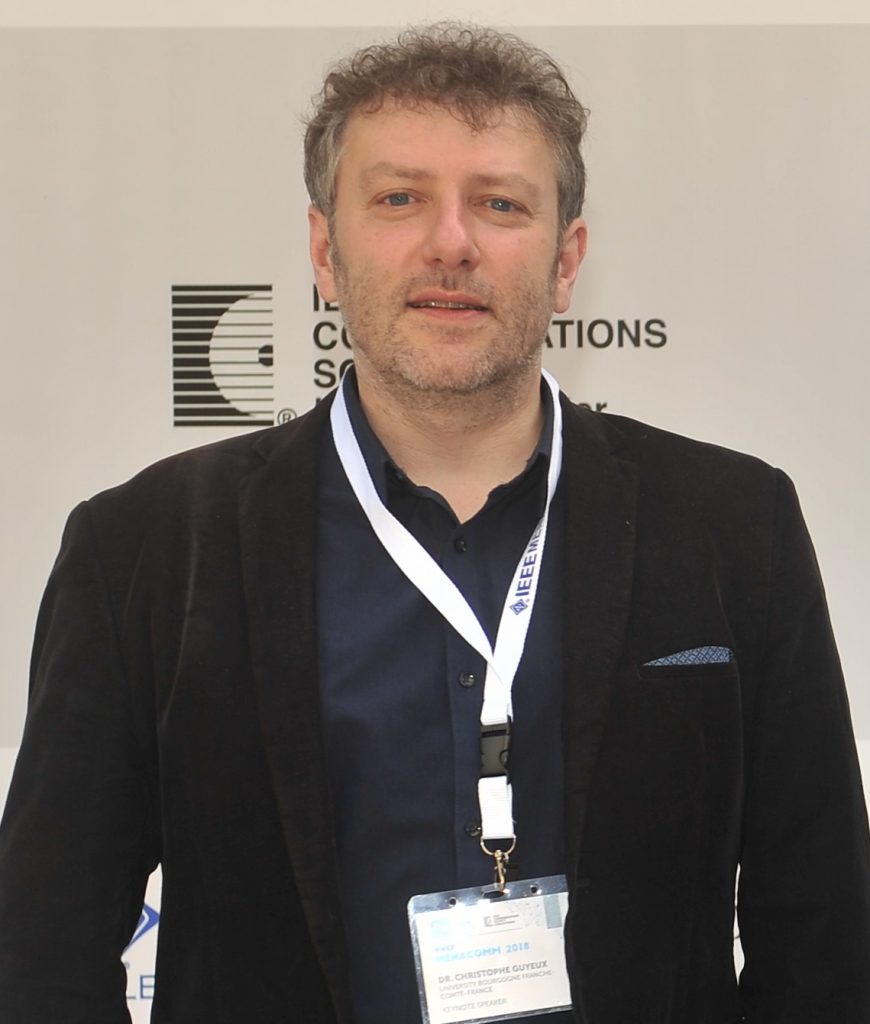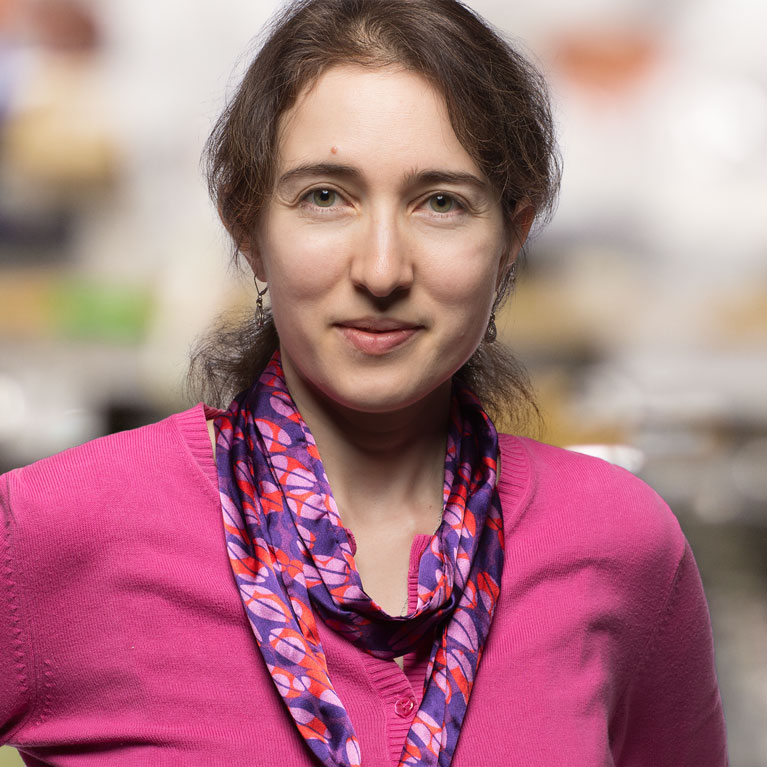
Juan Carlos Vidal Aguiar serves as an Associate Professor in the Department of Electronics and Computer Science at the University of Santiago de Compostela, Spain. With extensive experience in academic research and teaching, he has established himself as a prominent figure in process mining and business intelligence applications. His work bridges theoretical computer science with practical implementations across healthcare and educational domains. Dr. Vidal Aguiar earned his Bachelor Engineering degree in Computer Science from the University of La Coruña in 2000, followed by several years working as a senior IT consultant. He completed his PhD at the University of Santiago de Compostela in 2010, where he has remained as faculty since. His academic journey reflects a trajectory from foundational computer science toward specialized applications in process analytics. His research interests focus on knowledge discovery, semantic annotation, semantic modeling of workflows and services, and the application of artificial intelligence for business intelligence . Recent work demonstrates significant evolution toward healthcare applications, particularly in cardiac rehabilitation and glucose monitoring, while maintaining strong foundations in process mining techniques. His publications reveal a clear progression from theoretical workflow modeling to practical AI-driven business process solutions with real-world impact. Analysis of his publication trends shows increasing specialization in predictive process monitoring with deep learning approaches, particularly evident in his 2023-2025 work. His research spans both theoretical contributions in kernel methods and biclustering algorithms, and practical implementations like the VERONA Python library for benchmarking. The interdisciplinary nature of his work is particularly notable in healthcare applications where process mining techniques are adapted for medical contexts. Dr. Vidal Aguiar leads multiple significant research initiatives including Predictive monitoring and causality for cardiac rehabilitation, Responsible AI for Process Mining 2.0, GAMification techniques for entrepreneurial teacher development, and Soft computing for gamification analytics in cardiac rehabilitation . These projects demonstrate his ability to secure research funding across diverse domains while maintaining a cohesive research vision centered on process analytics. His research ecosystem includes collaborations with numerous colleagues including Manuel Lama, Pedro Gamallo-Fernandez, and Marcos Matabuena across various projects. The SoftLearn platform represents one of his notable contributions to educational technology, applying soft computing techniques to process mining in e-learning contexts. His work consistently bridges academic research with practical implementations that address real organizational challenges.