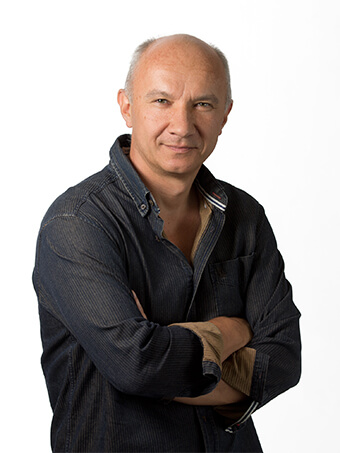
Artur Konrad EKERT is a Research Professor at the National University of Singapore , a Lee Kong Chian Centennial Professor , and a Fellow of the Royal Society (FRS) . His work bridges theoretical and experimental quantum physics, computer science, and information theory, with a focus on quantum cryptography and quantum computing. Education: DPhil from the University of Oxford (1991). His research explores the foundational principles of quantum information processing, emphasizing secure communication protocols and algorithmic efficiency. Key contributions include advancing entanglement-based cryptography and analyzing quantum privacy limits. His publications span quantum key distribution, relativistic quantum effects, and computational complexity, reflecting interdisciplinary collaborations. Scientific awards include: Fellow of the Royal Society (FRS) Lee Kong Chian Centennial Professorship He has mentored researchers in quantum cryptography and contributed to experimental implementations of quantum communication technologies.
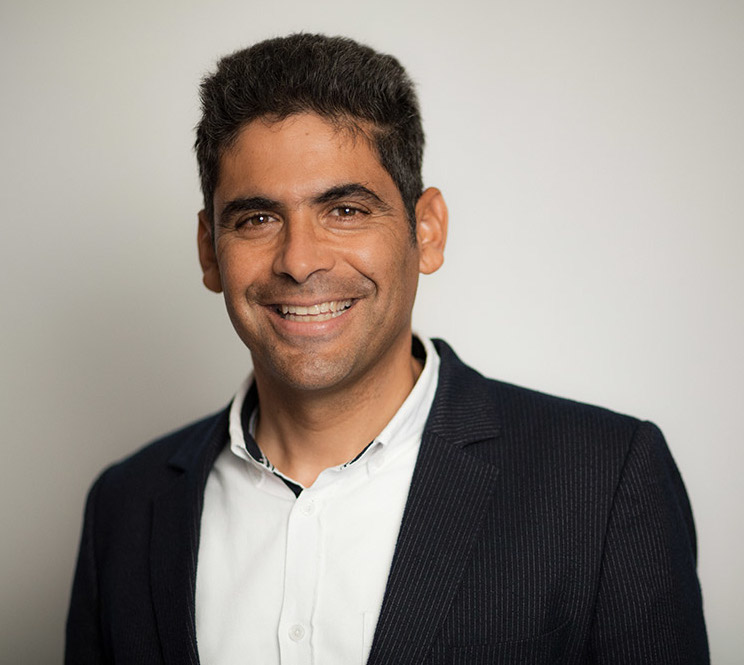
Rachid Guerraoui is a Full Professor at the École polytechnique fédérale de Lausanne (EPFL) where he leads the Distributed Computing Laboratory (DCL) within the School of Computer and Communication Sciences. He holds appointments in multiple departments including IC-SSC and IC-SIN for teaching, and serves on the IC Academic Evaluation Committee. A Moroccan/Swiss/French researcher, Guerraoui has previously been affiliated with Commissariat à l'Energie Atomique in Saclay, Hewlett-Packard Labs in Palo Alto, the Massachusetts Institute of Technology in Boston, and Collège de France in Paris. Guerraoui's research focuses on distributed and concurrent computing across various scales, from multiprocessors to wide-area networks. His work spans Byzantine fault tolerance, distributed machine learning, blockchain technologies, transactional memory, and consensus algorithms. His recent publications reveal a strong emphasis on Byzantine-resistant machine learning, decentralized learning systems, and the theoretical foundations of distributed consensus. The research demonstrates significant contributions to making distributed systems more robust, efficient, and secure against adversarial conditions. Guerraoui has received numerous prestigious awards including ACM Fellow (2012), Professor at College de France (2018), Nygaard-Dahl Award (2024), and Barroso Award (2025). His work has earned multiple best paper awards at top conferences including DISC, ICDCS, IPDPS, and ACM Middleware. He serves as Associate Editor of the Journal of the ACM (2010-2025) and has chaired program committees for major conferences such as PODC, DISC, and Middleware. As an educator, Guerraoui supervises numerous doctoral students and has mentored many successful researchers who now work at leading institutions and companies including Meta, Oracle Labs, Chainlink Labs, and Protocol Labs. He teaches courses on Distributed Algorithms and Concurrent Algorithms at EPFL, emphasizing both theoretical foundations and practical implementations. His educational initiatives include Wandida, a library of scientific e-synopses, and Zettabytes, projects aimed at making computer science accessible to broader audiences.
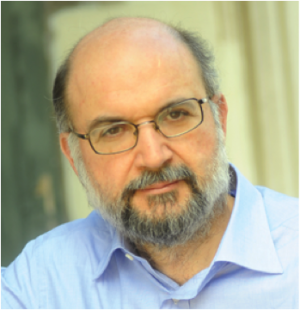
Marcelo Fiore is a Professor in Mathematical Foundations of Computer Science at the Department of Computer Science and Technology, University of Cambridge, and a Fellow of Christ's College. His research spans category theory, lambda calculus, equational logic, type theory, and mathematical structures in computer science. University: University of Cambridge Department: Department of Computer Science and Technology Academic Rank: Professor College Affiliation: Christ's College Fiore's work focuses on the intersection of category theory and computer science, particularly in abstract syntax, denotational semantics, and algebraic structures. Recent publications explore combinatorial models, normalization by evaluation, and homotopy type theory applications. 2025: Creation/annihilation operators in mathematical structures 2024: Lawvere theories in toposes and differential linear logic 2023: Homotopy type theory and normalization frameworks 2022: Second-order abstract syntax formalization and quotient types Fiore has advised PhD students including N. Arkor (2022) and O.M. Elsayed (2011), who researched monadic structures and second-order algebraic theories respectively. He contributes to departmental initiatives such as the Accelerate Programme for Scientific Discovery and Data Trusts Initiative at Cambridge.
Yongyi Mao is a Professor at the School of Electrical Engineering and Computer Science, University of Ottawa. He holds a Ph.D. in Electrical Engineering from the University of Toronto and has a multidisciplinary background in medical biophysics and engineering. His research focuses on communications and machine learning, with notable contributions to federated learning, information theory, and adversarial robustness. Professor Mao has held academic roles since 2003, advancing from Assistant to Full Professor by 2012. Education: B.Eng., Southeast University, 1992 M.D., Nanjing Medical University, 1995 M.S., University of Toronto (Medical Biophysics), 1998 Ph.D., University of Toronto (Electrical Engineering), 2003 Research interests span machine learning frameworks, federated learning, adversarial attacks, and domain adaptation. His work often bridges theoretical foundations (e.g., generalization bounds) with practical applications in text classification and watermarking. Publications reflect a strong emphasis on machine learning theory and NLP applications, with recent trends toward improving model robustness and generalization. No scientific awards are explicitly listed, though his prolific output suggests significant recognition in the field. Advising and grants: While specific student names or grant details are not provided, his position as a Full Professor indicates active research supervision and likely grant involvement. His lab focuses on advancing AI and communication technologies through interdisciplinary approaches.
Simon Dixon is a Professor of Computer Science and Director of the UKRI Centre for Doctoral Training in Artificial Intelligence and Music (AIM CDT) at Queen Mary University of London. He also serves as Deputy Director of the Centre for Digital Music (C4DM). His work focuses on music informatics, AI, and computational musicology, with emphasis on music signal analysis, performance modeling, and MIR applications. He leads projects funded by UKRI, Innovate UK, and industry partners like Yamaha and Spotify. Dixon has supervised over 20 PhD students and contributed to major initiatives like the Jazz Digital Archives Project and the Dig that Lick study on jazz melodic patterns. His research has been recognized with awards including the Peter Claricoats Award and Turing Fellowship. Education: PhD in Computer Science, BSc(Hons) in related field, with music qualifications (AMusA LMusA) Roles: AIM CDT Director, C4DM Deputy Director, EU H2020 MIP-Frontiers PI Research: Music transcription, expressive performance analysis, MIR, and AI applications in music education Key projects include industry collaborations (e.g., Yamaha for jazz piano modeling), semantic audio analysis, and large-scale music corpus studies. His team has pioneered methods in chord detection, source separation, and alignment algorithms, with top rankings in MIREX evaluations. Publications span journals like TISMIR and ICASSP, with a focus on foundational MIR techniques and AI-driven music systems. His work bridges technical innovation with cultural heritage through projects like JazzDAP and the Dig that Lick analysis of jazz solos.
Mauro Maggioni is a Professor in the Departments of Mathematics and Applied Mathematics and Statistics at Johns Hopkins University. His research focuses on the mathematical foundations of Data Science, with applications in molecular dynamics, hyperspectral imaging, and reinforcement learning. He employs techniques from Harmonic Analysis, Approximation Theory, and Probability to develop scalable algorithms, particularly multiscale methods for analyzing high-dimensional data. Maggioni’s work bridges theoretical mathematics and practical applications, including cardiac electrophysiology modeling, unsupervised segmentation of hyperspectral images, and reduced-order modeling of complex systems. Education: B.S. in Mathematics from Università degli Studi in Milan, Italy; Ph.D. in Mathematics from Washington University in St. Louis. He held a Gibbs Assistant Professorship at Yale before moving to Duke University and later becoming a Bloomberg Distinguished Professor at JHU. Research Interests: Mathematical foundations of Data Science, Machine Learning, Partial Differential Equations, and their applications in physical and biological systems. Notable contributions include diffusion wavelets, interaction kernel learning, and multiscale geometric analysis of molecular dynamics data. Scientific Awards: Popov Prize in Approximation Theory (2007), NSF CAREER Award and Sloan Fellowship (2008), Fellow of the American Mathematical Society (2013), Simons Fellowship (2020). Advising & Grants: Maggioni mentors postdocs and students in areas like stochastic systems and signal processing. His group’s work is supported by Simons Foundation grants, NSF funding, and collaborations with institutions like MINDS and CIS at JHU. Labs/Teams: Leads a research group focused on data-driven discovery in mathematics and applied sciences, emphasizing interdisciplinary collaboration across computational methods, statistics, and domain-specific applications.
Hossein Valavi is a Lecturer and Assistant Director of Undergraduate Studies at Princeton University, contributing to advancements in computer architecture and hardware acceleration. His research focuses on in-memory computing, neural networks, and energy-efficient systems, with notable work in reconfigurable architectures and mixed-signal processing. He has received multiple teaching awards, including recognition for innovative pandemic-era Car Lab courses and collaborative work honored by the Edison Patent Award. His academic contributions span academic positions since 2018, emphasizing both research and pedagogical excellence. Key technical areas include scalable in-memory computing systems, analog neural network accelerators, and low-power matrix factorization algorithms. His work addresses critical challenges in data movement reduction and hardware-software co-design for modern computing systems. Awards: Teaching Excellence Awards (2021, 2023), Edison Patent Award (2023) Grants & Projects: Leading developments in in-memory computing accelerators and embedded microprocessor designs Research teams under his guidance have produced impactful IP in semiconductor layouts, CNN accelerators, and programmable architectures, aiming to bridge theoretical computer science with practical hardware implementations.
Professor Nicholas Carah is a leading academic at the School of Communication and Arts , The University of Queensland , and serves as Director of the Centre for Digital Cultures & Societies . He is also an Associate Investigator in the ARC Centre of Excellence for Automated Decision-Making and Society . His research focuses on the algorithmic and participatory advertising model of digital media platforms , with a sustained investigation into digital alcohol marketing . His research spans digital media, algorithmic culture, and affective capitalism , examining how platforms like Instagram, Snapchat, and Facebook shape promotional practices and user behavior. He has led major ARC-funded projects and co-edited works such as Digital Intimate Publics and Social Media (2018) and Conflict in My Outlook (2022). As Deputy Chair of the Foundation for Alcohol Research and Education , he contributes to policy development on unhealthy product marketing. His recent publications highlight trends in social media advertising, algorithmic transparency, and health-risk marketing . Supervision roles include Principal Advisor for PhD projects on topics like digital labor, FemTech, and augmented reality , and Associate Advisor for cross-cultural studies in media and communication. He advocates for citizen science approaches to monitor digital marketing and its societal impacts.
Mihalis Yannakakis is the Percy K. and Vida L. W. Hudson Professor of Computer Science at Columbia University's Fu Foundation School of Engineering and Applied Science. He previously served as Head of the Computing Principles Research Department at Bell Labs and Avaya Labs, and as a Professor of Computer Science at Stanford University. His research interests span a broad range of theoretical and applied areas in computer science. Key domains include: Algorithms and Computational Complexity Mathematical Optimization and Game Theory Database Theory and Systems Software Testing, Verification, and Formal Methods Foundations of Data Science His work integrates deep theoretical analysis with practical applications, particularly in system correctness and data-intensive computing. While specific recent publications are not listed, his long-standing contributions reflect sustained impact in theoretical computer science and database principles. Dr. Yannakakis has received numerous honors and recognitions: Knuth Prize Member, National Academy of Engineering Fellow, Association for Computing Machinery (ACM) Bell Labs Fellow He has held significant leadership roles in the academic community, including Editor-in-Chief of the SIAM Journal on Computing and program chairships for premier conferences such as the IEEE Symposium on Foundations of Computer Science (FOCS), ACM Symposium on Theory of Computing (STOC), and ACM Symposium on Principles of Database Systems (PODS). These roles underscore his influence and standing in the theoretical computer science community. He is affiliated with the Foundations of Data Science Institute at Columbia as an Affiliated Member, contributing to interdisciplinary research efforts in data science foundations.
Madison Lore is an incoming Assistant Professor in the Department of City and Regional Planning at Cornell University's College of Architecture, Art, and Planning, beginning her tenure in January 2026. Her interdisciplinary research integrates urban planning, data science, and sustainability, focusing on how large-scale data and information environments shape public behaviors and perceptions around sustainable transitions in housing, transportation, and energy systems. She holds a Ph.D. from the School of Community and Regional Planning at the University of British Columbia, a Master's in Applied Mathematics, and a dual Bachelor's in Mathematics and Physics from Rensselaer Polytechnic Institute. Her academic journey reflects a strong technical foundation applied to pressing urban challenges. Madison’s research interests span urban data science, machine learning, infrastructure and land use planning, social policy, and sustainable transportation. She investigates how algorithmic and data-driven methods can be used responsibly to uncover social norms, institutional influences, and individual support for sustainable policies, particularly in contexts of information overload. Her recent publications demonstrate a strong trajectory in applying hybrid deep learning and natural language processing to urban text data, evaluating equity in public mobility, and modeling transportation preferences through digital footprints. These works reflect a consistent theme: leveraging data analytics to promote equitable and sustainable urban futures. Vanier Canada Graduate Scholarship (2023–2026) Bombardier Sustainable Transportation Fellowship (2022) The Bill and Nancy Siegmann Applied Mathematical Modeling Prize (2018) Leonhard Euler Award for Excellence in Mathematical Modeling (2016) Climate Social Science Network Grant on Big Oil’s Climate Disinformation (2024) Madison has presented her work at major conferences including the Association of Collegiate Schools of Planning, the International Conference on Travel Behavior Research, and the American Planning Association National Conference. While no formal advisees are listed, her role as an incoming assistant professor suggests future mentorship of graduate students in urban planning and data analytics. She is affiliated with the PLACE Lab and brings expertise from prior work in nuclear physics and applied mathematics into her current urban sustainability research.
Mengdi Wang is a Professor at Princeton University with primary appointments in the Department of Electrical and Computer Engineering and the Center for Statistics and Machine Learning, and courtesy appointments in the Department of Computer Science and Omenn-Darling Bioengineering Institute. She co-directs Princeton AI for Accelerated Invention and is affiliated with the Princeton ML Theory Group and Princeton Language+Intelligence Initiative, with prior visiting roles at DeepMind, IAS, and Simons Institute. Her educational background includes a PhD in Electrical Engineering and Computer Science (with Mathematics minor) from MIT (2013), advised by Dimitri P. Bertsekas at LIDS, and undergraduate studies in Automation at Tsinghua University: PhD: MIT, Electrical Engineering and Computer Science (2013) Bachelor: Tsinghua University, Automation Her research establishes theoretical foundations for machine learning with emphasis on reinforcement learning algorithms, generative AI, and large language models. She investigates data-driven stochastic optimization, statistical limits of reinforcement learning, representation learning, and diffusion models, developing provably robust algorithms for complex systems. Her work bridges theoretical guarantees with real-world applications in healthcare, biotech drug discovery, fintech, and scientific acceleration, focusing on how AI can transform discovery processes across disciplines. Her scientific contributions are recognized by prestigious awards: Young Researcher Prize in Continuous Optimization (Mathematical Optimization Society, 2016) Princeton SEAS Innovation Award (2016) NSF Career Award (2017) Google Faculty Award (2017) MIT Tech Review 35-Under-35 (China region, 2018) WAIC YunFan Award (2022) Donald Eckman Award (American Automatic Control Council, 2024) Professor Wang actively mentors students and recruits undergraduate interns, visitors, and postdocs for her research group. Her work is supported by major grants from NSF, AFOSR, NIH, ONR, Google, Microsoft C3.ai, FinUP, RVAC Medicines, MURI, and GenMab. She serves as Program Chair for ICLR 2023 and Senior Area Chair for NeurIPS, ICML, and COLT, while editing for Harvard Data Science Review and Operations Research. She leads Princeton AI for Accelerated Invention, which develops AI-driven solutions for scientific discovery, collaborating closely with Princeton's ML Theory Group and Language+Intelligence Initiative to advance algorithmic innovation and interdisciplinary applications.
Xin Lu is the John M. and Mary Jo Boler Collegiate Associate Professor in the Department of Biological Sciences at the University of Notre Dame. She is a full member of the Harper Cancer Research Institute (HCRI), the Boler-Parseghian Center for Rare and Neglected Diseases (CRND), and the Tumor Microenvironment and Metastasis Program at the Indiana University Simon Comprehensive Cancer Center. Her research spans tumor immunology, immunotherapy, metastasis, and multi-omics, with a focus on prostate, breast, and rare cancers. Ph.D. in Molecular Biology, Princeton University (2004–2010) B.S. in Biological Sciences, Tsinghua University, China (2000–2004) Postdoctoral Fellow, Dana-Farber Cancer Institute and M.D. Anderson Cancer Center (2010–2016) Assistant to Associate Professor, University of Notre Dame (2017–Present) Dr. Lu's research investigates the molecular and cellular mechanisms of tumor-immune crosstalk, particularly the role of myeloid-derived suppressor cells (MDSCs) and neutrophils in promoting immunotherapy resistance. Her lab uses genetically engineered mouse models, functional genomics, single-cell and spatial transcriptomics, and high-throughput screening to uncover novel therapeutic targets. A major focus is on how cancer-cell-intrinsic oncogenic signaling shapes the immunosuppressive tumor microenvironment. Her recent publications reveal mechanisms such as Acod1-mediated ferroptosis resistance in neutrophils, Pygo2-driven immunosuppression in prostate cancer, and the efficacy of ketogenic diets in overcoming checkpoint blockade resistance. These studies span multiple disciplines including cancer biology, immunology, metabolism, epigenetics, and bioengineering, reflecting a highly integrative approach to immuno-oncology. Jane Coffin Childs Postdoctoral Fellow John M. and Mary Jo Boler Faculty Appointment Cluster Chair, Cellular & Molecular Biology, IBMS PhD Program Junior Chair, Boler-Parseghian Center for Rare and Neglected Diseases Dr. Lu mentors a diverse team of graduate students, postdoctoral fellows, and undergraduates. Her lab is actively recruiting and has secured funding from federal agencies and private foundations. She collaborates with chemists, bioengineers, and bioinformaticians to develop novel therapeutics, including antibody-drug conjugates, CAR-NK cells, and small-molecule inhibitors. Her lab also develops innovative platforms like mini-tumor chips for immunotherapy evaluation. Her lab maintains affiliations with multiple interdisciplinary centers including the Warren Family Center for Drug Discovery, Eck Institute for Global Health, and Berthiaume Institute for Precision Health, underscoring her collaborative and translational research vision.
Yanglan Zu serves as a Lecturer in Accounting within the College of Business, Government and Law at Flinders University, bringing expertise from her PhD studies at the University of Technology Sydney. Her academic profile is anchored in interdisciplinary research bridging accounting principles with contemporary business challenges. Her educational foundation includes: PhD in Accounting, University of Technology Sydney Undergraduate Honours degree (institution unspecified) Research interests center on corporate sustainability and innovation , with growing emphasis on data analytics applications in accounting. Her work demonstrates consistent alignment with UN Sustainable Development Goals, particularly through investigations into climate change impacts on corporate behavior and FinTech's labor market effects. Current projects explore the intersection of environmental pressures, digital transformation, and governance structures. Recent publications reveal strong thematic cohesion around sustainable business practices, with notable emphasis on climate-related corporate responses and digital finance implications. The 2024-2025 research grant from AFAANZ supports ongoing work in these priority areas. Award highlights: 2024 EFMA Corporate Finance Best Paper Award for governance research 2024 UTS Vice-Chancellor's Learning and Teaching Citation 2024-2025 AFAANZ Research Grant funding As an educator, she coordinates advanced FinTech courses (BUSN8010 and BUSN1023) with a student-centered philosophy emphasizing analytical thinking and practical technology applications. Her teaching methodology actively incorporates digital tools to foster inclusive learning environments, reflecting her research interests in technological disruption.
Prof. Dr.-Ing. habil. Gero Mühl is a W2-Professor at the University of Rostock, where he holds the chair for "Architecture of Application Systems" since October 2009. His academic journey includes positions as a Heisenberg Fellow at the Technical University of Berlin (2009), postdoctoral research at TU Berlin (2002-2009), and doctoral studies at TU Darmstadt where he received his Dr.-Ing. degree with distinction in 2002. He completed dual Diplomas in Computer Science (Dipl.-Inform.) and Electrical Engineering (Dipl.-Ing.) from FernUniversität in Hagen in 1998. Prof. Mühl's research focuses on Self-Organizing Distributed Systems , with particular expertise in distributed systems, distributed algorithms, event-based systems, middleware, energy-efficient systems, organic computing, sensor networks, web services, and electronic commerce. His work bridges theoretical foundations with practical implementations in real-world distributed environments. His recent publications show a strong trend toward time-sensitive networking, content-based publish/subscribe systems, and P4 programmable data planes. These works address critical challenges in industrial communication, real-time systems, and network reliability. His research group has made significant contributions to making distributed systems more autonomous, reliable, and efficient. Scientific awards and recognitions include: Nomination for the Berlin Science Award for Young Scientists (2008) Heisenberg Fellowship by the German Research Foundation (DFG) (2008) Best paper award in System Software and Security at SAC 2015 Prof. Mühl has been actively involved in numerous research projects and collaborations, particularly focusing on self-organizing and self-stabilizing systems. His work on the REBECA publish/subscribe middleware represents a significant contribution to autonomous distributed systems. He has supervised numerous students and researchers, contributing to the development of the next generation of computer scientists specializing in distributed systems. His laboratory at the University of Rostock focuses on practical implementations of self-organizing distributed systems, with current projects investigating time-sensitive networking, publish/subscribe systems, and energy-efficient distributed computing. The team combines theoretical analysis with practical system development to address real-world challenges in industrial and commercial applications of distributed systems.
Prof. Dr.-Ing. Jürgen Teich is a full Professor and Chair for Hardware-Software Co-Design at the Department of Computer Science, Friedrich Alexander University Erlangen-Nuremberg (FAU). He serves as Head of Department Computer Science and Vice Dean of the Technical Faculty since August 2024, and has been Speaker of the FAU Research Center Embedded System Initiative (FAU ESI) since 2023. His educational background includes: Diploma degree in Electrical Engineering, University of Kaiserslautern (1989) Dr.-Ing. degree in Electrical Engineering, University of Saarland (1993) Habilitation (PD Dr.-Ing.) entitled "Synthesis and Optimization of Digital Hardware/Software Systems" (1996) Prof. Teich's research focuses on Embedded Systems , Invasive Computing , Hardware-Software Co-Design , and Reconfigurable Computing . His work spans from theoretical foundations to practical implementations, with particular emphasis on resource-constrained systems, many-core architectures, and energy-efficient computing. He has pioneered research in invasive computing paradigms that enable more efficient use of many-core processors by allowing applications to dynamically claim resources. His recent publications reveal a strong trend toward energy-efficient AI deployment on embedded devices , security of embedded systems , and novel memory technologies . There's a clear focus on practical implementations of machine learning on microcontrollers (TinyML), hardware acceleration for data processing, and innovative approaches to power management in self-powered systems. Among his notable scientific awards are: IEEE Fellow (since 2018) Member of Academia Europaea, Section Informatics (since 2011) Member of the National Academy of Science and Engineering (acatech) (since 2018) Member of the German Society of Humboldtians (since 2021) Prof. Teich has been Principal Investigator for numerous DFG-funded projects including SFB/Transregio 89 "Invasive Computing" (2010-2022), SFB 694, and multiple priority programs. He has coordinated large collaborative research efforts across Germany and internationally, with significant funding from DFG and other sources. His research group has produced influential work in embedded systems design and co-design methodologies. He leads the Hardware-Software Co-Design research group at FAU, which focuses on innovative approaches to embedded system design, invasive computing architectures, and efficient implementation of machine learning on resource-constrained devices. The group maintains strong collaborations with industry partners including Intel, Xilinx, and automotive companies.