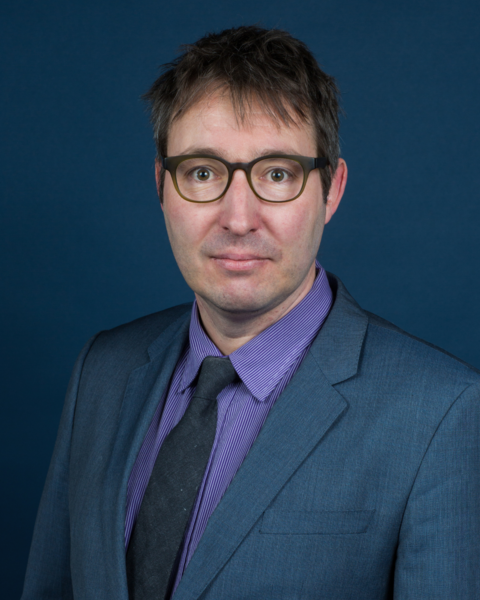
Paul E. Hand is an Associate Professor in the Department of Mathematics and Computer Science at Northeastern University, affiliated with the College of Science and Khoury College of Computer Sciences. He holds a Ph.D. in Mathematics from New York University (2009) and specializes in signal recovery, deep learning, and optimization. His research focuses on developing mathematical frameworks for inverse problems, phase retrieval, and generative models with provable guarantees. He has taught advanced courses in machine learning, algorithms, and deep learning at Northeastern and Rice University. Education: Ph.D. in Mathematics, New York University (2009); M.S. and B.S. in Mathematics, not explicitly stated but inferred from academic trajectory. Research Interests: Applied mathematics, compressed sensing, deep learning, phase retrieval, signal recovery, and optimization. His work bridges theory and practice, addressing challenges in imaging, robustness, and generative modeling. Grants: NSF CAREER Grant DMS-1848087 (2018). Outreach: Directed STEM summer camps at Rice University (2017) and developed LeadingLesson , a platform for multivariable calculus problem-solving resources. Teaching: Courses include Machine Learning (CS 6140), Deep Learning (CS 7150), Algorithms (CS 3000), and Analysis at Northeastern and Rice. He emphasizes rigorous proof techniques and pedagogical innovation. Labs/Teams: Collaborates with researchers in computational mathematics, computer vision, and machine learning. Active in authoring peer-reviewed papers and reviewing for top conferences (NeurIPS, ICML, ECCV).
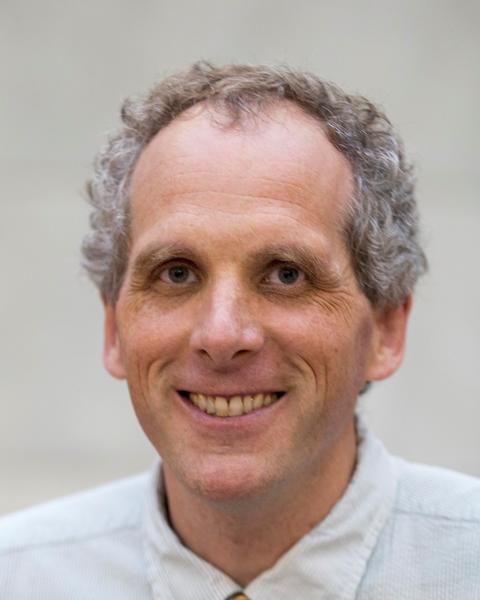
Dr. Kathryn Thier is a Postdoctoral Research Fellow in the Center for Climate Change Communication at George Mason University. She holds a Ph.D. in Communication Science and Social Cognition from the University of Maryland and previously taught journalism at the University of Oregon, where she co-founded The Catalyst Journalism Project. Her research examines Solutions Journalism and its capacity to drive pro-social outcomes in Climate Change Communication and Health Communication . She investigates how solution-oriented reporting influences public engagement, policy support, and health behaviors. Recent publications (2019-2025) demonstrate methodological diversity including meta-analyses, content analyses, and experimental designs. Dominant themes include: Health/climate misinformation mitigation Solution-oriented framing effects Equity-focused communication strategies Policy engagement mechanisms She maintains a strong emphasis on quantitative rigor and interdisciplinary applications.
Diego Riveros-Iregui is a Professor in the Department of Geography at the University of North Carolina at Chapel Hill, recognized for pioneering research in ecohydrology and biogeochemistry. His work focuses on water-carbon-nitrogen interactions in tropical ecosystems, urban-rural gradients, and climate-impacted watersheds, employing high-frequency monitoring and advanced modeling techniques to address critical environmental challenges. His research interests center on tropical ecohydrology, particularly in Andean páramos and Galápagos Islands, examining carbon cycling in peatlands, nitrogen dynamics across land-use gradients, and stormwater impacts on urban streams. He integrates stable isotope analysis, machine learning, and field observations to study how geomorphology and climate variability regulate biogeochemical fluxes, with emphasis on vulnerable ecosystems facing anthropogenic pressures. Analysis of his 15 most recent publications (2021-2025) reveals dominant trends in high-resolution watershed monitoring, tropical carbon emissions, and urban hydrology. Key methodological innovations include machine learning for water use estimation, isotope-based tempestology, and bias correction in contaminant plume mapping, demonstrating interdisciplinary approaches spanning environmental engineering, climatology, and ecosystem science. Professor Riveros-Iregui has received the following scientific awards: Presidential Early Career Award for Scientists and Engineers (PECASE), the U.S. government's highest honor for early-career scientists, nominated by the National Science Foundation As a PECASE awardee, he leads NSF-funded research programs examining watershed processes across tropical and temperate regions. His collaborative work includes contributions to the EU-funded WELL CARE consortium on water security, though specific grant details and student mentorship records aren't documented in the source material. Current research priorities involve scaling point observations to watershed-level fluxes and assessing climate change impacts on island hydrology. While no dedicated laboratory is specified, his field studies leverage international partnerships in Ecuador's páramos and the Galápagos archipelago, focusing on microclimate-soil microbiome interactions and sustainable water resource management in high-elevation ecosystems.
Sandrine Dudoit is a Professor and Chair of the Department of Statistics at the University of California, Berkeley. She earned her PhD in Statistics from UC Berkeley in 1999 and joined the faculty in 2001. Her research focuses on statistical methodology and computing with applications to genomics, biomedical research, and precision health. She co-founded the Bioconductor Project , an open-source software initiative for biological data analysis, and leads interdisciplinary projects in single-cell transcriptomics and computational biology. Education: PhD in Statistics (UC Berkeley, 1999), M.Sc. in Mathematics (Carleton University, Canada). Research interests include high-dimensional statistical learning, single-cell RNA-Seq analysis, stem cell differentiation in the olfactory system, and statistical computing. She collaborates with biologists like John Ngai to study neuroepithelial regeneration using cutting-edge sequencing technologies. Recent work emphasizes trajectory inference, biomarker discovery, and methodological advances in handling high-dimensional genomic data. Her lab develops tools for normalization, clustering, and differential expression analysis in large-scale biological datasets. She teaches courses on statistical genomics and serves as a leader in UC Berkeley’s Division of Computing, Data Science, and Society (CDSS). Advising: Supervises PhD students in statistical methodology, computational biology, and bioinformatics. Grants: Active in securing funding for interdisciplinary research projects in genomics and data science. Labs/Teams: Core member of the Center for Computational Biology (CCB) and contributes to the Bioconductor community.
Professor Patrik Wikstrom is a computational communication scholar at Queensland University of Technology (QUT), leading the School of Communication. He serves as Chief Investigator in QUT's Digital Media Research Centre (DMRC) and Associate Investigator in the Australian Research Council's ADM+S Centre. His expertise spans digital media's impact on music and meme cultures, algorithmic systems, and cultural economics. Education: PhD in Media and Communication Studies (Karlstad University), MScEng (Chalmers University). Former roles include Director of DMRC, Associate Dean (Research) at QUT's Creative Industries Faculty, and academic leadership at Northeastern University, Jönköping International Business School, and Karlstad University. Research focuses on digital technologies' societal impacts, including recommender systems, platform governance, and music industry dynamics. Key publications include TikTok: Creativity and Culture in Short Video and The Music Industry: Music in the Cloud . Active in grants like the Australian Cultural and Creative Activity Analysis project (LP160101724). Supervised over 10 doctoral and master's students on topics ranging from platform governance to decolonizing copyright. Current projects explore algorithmic culture, AI ethics, and fair payment models for artists. Labs/Teams: DMRC and ADM+S collaborate on automated decision-making's societal implications. Advocates for responsible AI and interdisciplinary computational methods in social sciences.
Lucila Ohno-Machado, MD, PhD, MBA, is the Waldemar von Zedtwitz Professor of Medicine and Biomedical Informatics and Data Science at Yale University. She serves as Deputy Dean for Biomedical Informatics and Chair of the Department of Biomedical Informatics and Data Science at the Yale School of Medicine. Her leadership roles include overseeing informatics infrastructure for Yale’s academic health system and fostering interdisciplinary collaboration across departments such as Medicine and the Halicioğlu Data Science Institute (previously at UCSD). Ohno-Machado holds an MD from the University of São Paulo (Brazil), an MBA from Fundação Getúlio Vargas (Brazil), and a PhD in Medical Information Sciences and Computer Science from Stanford University. She has held faculty positions at Harvard Medical School, MIT’s Health Sciences and Technology Division, and the UCSD Health Department of Biomedical Informatics, where she pioneered federated learning and privacy-preserving AI methodologies. Her research focuses on predictive analytics, federated learning, quantum computing in healthcare, and blockchain applications to enhance data security. She emphasizes addressing algorithmic bias and promoting health equity through data-driven solutions. Recent work includes developing frameworks for medical device safety evaluation and guiding principles to mitigate disparities in algorithmic healthcare applications. Key achievements include the Inaugural Helen M. Ranney Award (2024), election to the National Academy of Medicine (2024), and the William W. Stead Award (2019). She has led NIH-funded informatics centers and contributed to the first large-scale clinical data-sharing initiative across five UC medical systems. Her grants span AHRQ, PCORI, NSF, and blockchain-related initiatives through the IT/NIST Challenge Award. Ohno-Machado advises on translational research strategies and mentors teams in YBIC (Yale Biomedical Informatics & Computing). Her lab collaborates globally, leveraging federated models and AI to advance personalized medicine while prioritizing patient privacy. She also chairs the OHER Awards for Yale Research Excellence, promoting interdisciplinary health equity research.
YooJung Choi is an Assistant Professor at the School of Computing and Augmented Intelligence, Arizona State University. Her research focuses on probabilistic machine learning, trustworthy AI, and tractable probabilistic modeling. She holds a PhD in Computer Science from UCLA and has been recognized with awards like the Cisco Research Award and Simons-Berkeley Research Fellowship. Education: PhD in Computer Science (University of California, Los Angeles). Research interests include probabilistic reasoning, fairness, robustness, and interpretability. Her work bridges theoretical foundations and practical applications, with contributions to probabilistic circuits and optimal transport. Notable achievements include co-organizing TPM 2024 and presenting at venues like NeurIPS and AAAI. She actively promotes fairness in AI through frameworks that address label bias and discrimination patterns. Awards: Cisco Research Award, Simons-Berkeley Fellowship, AAAI 2023 New Faculty Highlights. Teaching: Courses on artificial intelligence, machine learning, and research supervision. Service: Tutorial leadership on probabilistic circuits, workshop organization, and academic talks globally.
Giulio Cimini is Associate Professor of Theoretical Physics in the Department of Physics at the University of Rome Tor Vergata and a Research Associate at the 'Enrico Fermi' Research Center. He is a statistical physicist with a strong interdisciplinary focus on complex networks and their applications in socio-economic systems. His research interests include: Statistical Physics of Complex Networks Reconstruction and Validation of Economic Networks Social Network Interactions and Financial Markets Systemic Risk and Financial Contagion Scientific Success, Fitness, and Complexity Adaptive Social Recommendation Codon Usage Bias and Protein Interaction Networks His recent publications reveal a strong trend in applying statistical physics to real-world networks, particularly in finance and social systems. Key themes include the modeling of systemic risk in supply chains and financial networks, the dynamics of collective action on platforms like Reddit (e.g., the GameStop short squeeze), and the development of network reconstruction methods using maximum entropy and optimal transport frameworks. His work often combines empirical analysis with theoretical modeling. Scientific awards and recognitions include: Associate Editor, Frontiers in Physics – Interdisciplinary Physics Board Member, Network Science Society Member, Council of the Complex Systems Society Steering Committee, CCS/Italy He has advised or collaborated with numerous researchers, particularly in projects related to economic networks and complex systems. His work has been supported by Italian national grants such as PRIN and PNRR. He leads or co-leads research projects including RENet and C2T. His research is conducted within interdisciplinary teams involving physicists, economists, and computer scientists, often in collaboration with institutions like ISC-CNR, IMT Lucca, and the Network Science community.
Dr. Adrian Nestor is an Associate Professor at the University of Toronto Scarborough (UTSC) and director of the Visual Recognition Laboratory. His work focuses on neurocomputational aspects of visual processing, particularly face and object recognition, utilizing fMRI, EEG, and computational modeling. He completed his PhD in Cognitive Science at Brown University and held postdoctoral and research scientist roles at Carnegie Mellon University. Research Interests : Neural representations in high-level visual cortex Development of neuroimaging analysis methods Computational modeling of visual cognition Neuropsychological investigations of perception Collaborative Involvement : Active participant in the TRIDENT Preclinical Trials project, a $24M federal research initiative targeting neurodegenerative disease treatments.
Andrea Jamardo Lorenzo is an Assistant Professor at the University of León , affiliated with the School of Law and working within the Department of Public Law . Her research focuses on Procedural Law , with particular emphasis on Chain of Custody mechanisms, Technology in Law , and Legal Education innovations. Education : PhD in Law from the University of León (2023), thesis titled La cadena de custodia: análisis sistemático , supervised by Dr. Piedad González Granda. Her research explores the legal configuration and technological evolution of chain of custody systems in both national and European contexts. She investigates how digital evidence handling , AI applications , and cybersecurity protocols impact judicial integrity and procedural guarantees. Recent work also addresses pedagogical methods like flipped classrooms and role-playing in legal education. Analysis of her publications reveals trends in criminal procedure reforms , comparative chain of custody models (Spain vs. US), and ethical implications of legal technology . While no scientific awards are documented, her work contributes to debates on judicial efficiency , fundamental rights , and data protection in criminal contexts.
Mathias Risse is the Berthold Beitz Professor in Human Rights, Global Affairs and Philosophy at Harvard Kennedy School (HKS), where he also directs the Carr-Ryan Center for Human Rights and the Program on the Ethics of Emerging Technologies. He teaches at HKS, Harvard College, and the Harvard Extension School, and is affiliated with the Philosophy Department and the Weatherhead Center for International Affairs. Education & Career: Risse earned his PhD from Princeton University (2000) and previously taught at Yale University. He has held visiting roles at the National University of Singapore, NYU Abu Dhabi, and Leuphana University (Germany). He joined Harvard in 2002 and currently resides in Somerville, MA. Research Focus: His work bridges political philosophy and technology ethics, addressing global justice, human rights, climate change, and the societal impacts of AI. Key themes include Indigenous philosophies, digital governance, and ethical trade frameworks. Recent books include Political Theory of the Digital Age (2023) and On Trade Justice (2019). Awards & Leadership: Risse organizes international conferences fostering cross-cultural collaboration, directs the McCloy Fellowship program for German students, and co-hosts the Carr Center’s Justice Matters podcast. His writings on race, protest, and technology ethics have shaped public discourse. Grants & Outreach: He advises on AI ethics, climate policy, and global governance. Recent projects include analyses of solar geoengineering, Indigenous rights frameworks, and the societal implications of advanced AI systems. Labs/Teams: Central roles in the Edmond J. Safra Center for Ethics, the Carr Center for Human Rights Policy, and interdisciplinary initiatives on emerging technologies.
David S. Jones is the A. Bernard Ackerman Professor of the Culture of Medicine at Harvard University, holding joint appointments in the Faculty of Arts and Sciences, Harvard Medical School, and the Harvard T.H. Chan School of Public Health. He is also an affiliate professor in the Department of History. His academic career includes prior roles as an assistant professor at MIT (2005–2011), where he directed the Center for the Study of Diversity in Science, Technology, and Medicine (2004–2008). He has been honored with MIT’s MacVicar Faculty Fellowship (2009), Harvard’s Everett Mendelsohn Excellence in Mentoring Award (2018), and appointment as a Harvard College Professor (2020). Jones earned his A.B. in History and Science from Harvard College (1993), followed by concurrent Ph.D. (History of Science) and M.D. (2001) degrees from Harvard. He trained in pediatrics, psychiatry, and emergency psychiatry. His research spans medical history, science & race, and global health, with notable works like Broken Hearts: The Tangled History of Cardiac Care (2013) and What's the Use of Race? (2010). Current projects include histories of Indian cardiac care and air pollution’s health impacts. His teaching focuses on medical ethics, social medicine, and history of medicine. Research grants include support from the Robert Wood Johnson Foundation, NIH, and NEH. Jones directs Harvard Medical School’s Arts and Humanities Initiative and collaborates across disciplines on topics like climate justice and healthcare equity.
Professor Jonna Kuntsi is a leading researcher in developmental disorders and neuropsychiatry at King's College London's Institute of Psychiatry, Psychology & Neuroscience, where she holds a professorship in the Social, Genetic & Developmental Psychiatry Centre. With extensive training including BSc, MSc, and PhD from University College London and clinical experience at Great Ormond Street Hospital for Children, she has established herself as a prominent figure in ADHD research globally. Her research primarily focuses on attention deficit hyperactivity disorder (ADHD) and related conditions, with particular expertise in neurodevelopmental disorders, remote measurement technology applications, developmental trajectories, preterm birth associations, and the effects of physical activity on cognition and ADHD symptoms. Professor Kuntsi has pioneered the ADHD Remote Technology (ART) research programme, securing substantial funding including £4 million from the UK Medical Research Council and European Commission for innovative projects like ART-transition and ART-CARMA. Her publication record demonstrates consistent high-impact research across multiple domains of ADHD investigation, with recent work emphasizing digital phenotyping, remote monitoring technologies, and the developmental aspects of ADHD across the lifespan. This research portfolio shows a clear trajectory toward increasingly sophisticated technological approaches to understanding and managing ADHD. Co-Chair of EUNETHYDIS - the European Network for ADHD Member of the European ADHD Guideline Group (EAGG) Principal Investigator in International Multi-centre Persistent ADHD Collaboration (IMpACT) Steering committee member of ECNP ADHD across the Lifespan Network Steering committee member of ECNP Digital Health Applied to Clinical Research Network Professor Kuntsi actively collaborates with patient support organizations including ADHD Europe and the UK ADHD Information and Support Service (ADDISS), and with technology companies like Empatica and The Hyve. She serves as Chair of the PhD Subcommittee across Departments of Social, Genetic & Developmental Psychiatry and Biostatistics & Health Informatics, demonstrating her commitment to mentoring the next generation of researchers while leading multiple international research networks that advance both scientific understanding and clinical practice in ADHD.
Mattias Brunström serves as Assistant Professor of Cardiology and Associate Professor of Epidemiology at Umeå University's Faculty of Medicine within the Department of Public Health and Clinical Medicine, Section of Cardiology. He is concurrently a resident physician at Norrlands University Hospital and holds leadership roles as chairman of Sweden's national hypertension working group and scientific secretary of the Swedish Society for Hypertension, Stroke and Vascular Medicine, with active participation in the European and International Societies of Hypertension. His academic foundation includes a 2018 PhD thesis examining blood pressure-lowering treatment effects across different blood pressure levels through systematic reviews and meta-analyses of randomized clinical trials. This doctoral work established his expertise in evidence-based cardiovascular therapeutics and epidemiological methodology. Dr. Brunström's research program centers on cardiovascular disease risk factors, with specialized focus on hypertension pathophysiology and aortic diseases. His group investigates how adolescent blood pressure levels predict future cardiovascular events, examining interactions with obesity, physical fitness, and diabetes to improve risk stratification. They also analyze differential effects of antihypertensive drug classes on cardiovascular outcomes and study risk factors for aortic dissection/rupture to optimize preventive surgical interventions. This work addresses critical gaps in managing the world's leading cause of death, where uncontrolled hypertension contributes to 10 million annual fatalities despite effective treatments. Analysis of his 2024-2025 publications reveals dominant themes in hypertension guideline development, treatment threshold controversies, and cardiovascular risk assessment. His work frequently challenges conventional approaches (e.g., questioning excessive treatment of 'elevated' blood pressure in elderly patients) while advancing evidence for lifestyle interventions and beta-blocker utility. Methodologically, his research leverages large cohort studies (including 1.4 million enlistee data), systematic reviews, and international collaborations through societies like ESH and ISH to translate epidemiological findings into clinical practice. Dr. Brunström leads multiple funded research initiatives including 'Remission of type 2 diabetes through eHealth' (2022-2028) and 'VIPviza' (2013-2027), directing a multidisciplinary team that bridges clinical cardiology, epidemiology, and public health. His advisory role extends to national guideline committees and international hypertension societies where he shapes clinical practice through evidence synthesis and position papers. Based at Norrlands University Hospital's Cardiology Section, his research group operates within Umeå University's strong cardiovascular research ecosystem, maintaining active collaborations with the Swedish National Diabetes Register and international consortia. Their work emphasizes real-world applicability, examining topics like bedtime dosing of antihypertensives and self-report diagnostic tools to overcome barriers in hypertension control where only 25% of affected individuals achieve target blood pressure levels.
Rainald Loehner is a Distinguished Professor of Fluid Dynamics at George Mason University's Center for Computational Fluid Dynamics. Since 2003, he has led the Center for Computational Fluid Dynamics at George Mason University. He is currently a Hans Fischer Senior Fellow at the Technical University of Munich's Institute for Advanced Study (TUM-IAS) for 2023, hosted by Professors Kai-Uwe Bletzinger and Roland Wüchner in the 'Adjoint-Based System Identification of Large-Scale Structures' Focus Group. Loehner received his Diplom Ingenieur (Maschinenbau) degree from the Technical University of Braunschweig, and his PhD and a DSc in civil engineering from the University College of Swansea, Wales. After teaching at Swansea for a year, he worked at the Naval Research Laboratory in Washington, DC, followed by a research professorship at George Washington University. He joined George Mason University as an associate professor and was promoted to full professor in 1995 and distinguished professor in 2004. With over 35 years of experience, Professor Loehner's research spans the complete pipeline of numerical solvers and simulation tools. His expertise includes pre-processing, grid generation, numerical methods, field solvers, parallel computing, adaptive mesh refinement, fluid-structure interaction, shape optimization, system identification, and computational crowd dynamics. His current work focuses on developing advanced field solvers for compressible and incompressible flows, acoustics, electromagnetic wave propagation, heat and mass transfer, structural mechanics, and fluid-structure interaction. Key application areas include blast mitigation, ship hydrodynamics, blood flow, contaminant transport, and pedestrian safety. Loehner's recent research output (2020-2024) shows a strong trend toward digital twin technology and adjoint-based methods for structural analysis and optimization. His publications focus on high-fidelity digital twins for detecting structural weaknesses, risk assessment in engineering systems, and optimization of sensor placement. His work bridges computational mechanics with machine learning approaches, particularly in system identification and inverse problems, demonstrating how computational methods can solve complex real-world engineering challenges. 2020: Ranked #15119 in the Stanford List of Most Influential Scientists of the World; #8 in Aerospace and Aeronautics 2010: Distinguished International Career Award, Argentine Association of Computational Mechanics 2008: Fellow, International Association for Computational Mechanics 2006: Associate Fellow, AIAA 2005: Honorary Professor, University of Wales Swansea 2005: Advisory Professor, Shanghai Jiao Tong University 2004: Distinguished Professor of Fluid Dynamics, George Mason University 1999: Computational Mechanics Achievements Award, Japan Society of Mechanical Engineering 1993: Doctor of Science in Civil Engineering, University College of Swansea 1979-1983: Studienstiftung des Deutschen Volkes (Top 1% of German Students) Professor Loehner has mentored numerous students through his work at George Mason University and has supervised research in computational fluid dynamics, structural mechanics, and related fields. His research has been supported by various grants from government agencies and industry partners, enabling the development of advanced simulation tools applied in aerodynamics, hydrodynamics, shock-structure interaction, and medical applications. His codes and methods have been widely adopted in industry and academia for applications ranging from aircraft and ship design to medical simulations and urban pathogen transmission modeling. Loehner leads the Center for Computational Fluid Dynamics at George Mason University, which focuses on developing cutting-edge computational methods for fluid dynamics and related multiphysics problems. The center works on strategic application areas including blast mitigation, ship hydrodynamics, blood flow simulation, and pedestrian movement modeling. As a TUM-IAS Fellow, he collaborates with the Chair of Computational Modeling and Simulation at TUM on adjoint-based system identification of large-scale structures, bringing together expertise in computational mechanics and digital twin technology to address complex engineering challenges.