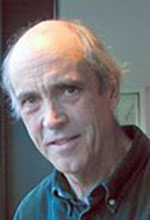
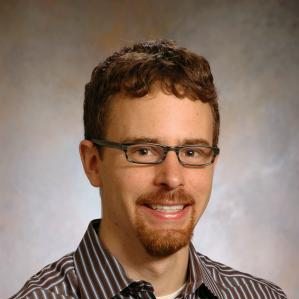
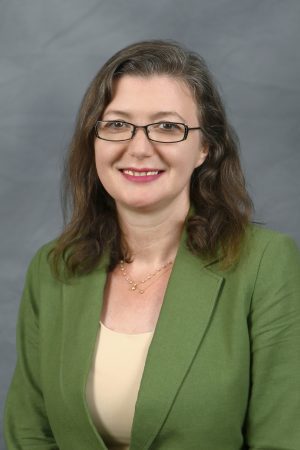
F. Donelson (Don) Smith is a Research Professor in the Department of Computer Science at the University of North Carolina at Chapel Hill . He holds a Ph.D. in Computer Science (1978) from UNC-Chapel Hill, with prior degrees in Chemistry (1962) and Industrial Management (1964) from the University of Tennessee. Key research areas: Computer networking, multimedia systems, distributed systems Collaboration with: Kevin Jeffay , Jasleen Kaur , and the DiRT Lab Notable contributions include: Co-inventor of U.S. Patents 7,444,720 (2008) and 5,892,754 (1999) Key roles at IBM (1965-1997) in network architecture , protocol development , and multimedia networking Active in professional service: Program Chair, TriComm '91 Co-chair, ACM CSCW '94
Dr. Alise Tifentale is an Adjunct Assistant Professor of Art History at the City University of New York (Kingsborough Community College) , specializing in global photography history, transnational cultural networks, and Soviet/post-Soviet visual culture. She also teaches at CUNY Queensborough, SUNY Old Westbury, and Marywood University. Education Ph.D., Art History, The Graduate Center, CUNY (2020) M.A., Art Academy of Latvia (2010) B.A., Journalism, University of Latvia (1998) Research Focus Her work examines photography as a social practice , mid-20th century photo-club culture , and Instagram’s role in contemporary visual culture . She analyzes intersections between technological evolution and artistic agency , particularly in Eastern Europe. Publications & Teaching Author of Photographer Alnis Stakle (2009) and The Photograph as Art in Latvia, 1960–1969 (2011), her upcoming book Photo Club Culture: Global Image Circulation, Competition, and Collaboration in the 1950s and 1960s (forthcoming) synthesizes decades of research on transnational photography networks. She has taught courses on art history from prehistory to the 19th century and 20th-century art . Scientific Awards Fulbright Foreign Student Fellowship (2011–2012) AAUW International Postgraduate Fellowship (2013–2014) Research Fellowship, Cultural Analytics Lab, CUNY (2013–2018) Doctoral Student Research Grant and Marian Goodman Travel Grant, CUNY (2016–2017) AABS Jānis Grundmanis Scholarship (2013–2014) Provost’s Summer Research Grant, CUNY (2014) Curatorial & Institutional Roles Founder and director of the Art Days Forever archive (Zenta Dzividzinska and Juris Tifentals estates), co-curator of the 2013 Latvia Pavilion at the Venice Biennale , and founder of Foto Kvartals (Latvia’s first photography magazine). Affiliated with professional societies: College Art Association (CAA) , Photography Network , and Association for Slavic, East European, and Eurasian Studies (ASEEES) .
Todd Samuel Presner is a Professor at the University of California Los Angeles (UCLA), holding appointments in the Department of European Languages and Transcultural Studies, Digital Humanities, and Comparative Literature. He currently serves as Chair of the Department and Special Advisor to the Vice Chancellor for Research and Creative Activities (2018–present). Previously, he directed UCLA’s Digital Humanities Program (2011–21) and the Alan D. Leve Center for Jewish Studies (2011–18), later becoming Associate Dean of Digital Innovation (2018–21). He holds the Michael and Irene Ross Chair in the UCLA Division of the Humanities. Presner’s research spans European intellectual and cultural history, Holocaust studies, digital humanities, and ethical technologies. His work explores how computational tools can enhance Holocaust testimony analysis, as seen in his forthcoming book Ethics of the Algorithm: Digital Humanities and Holocaust Memory (2024). He has also co-authored foundational texts like Digital_Humanities (2012) and Urban Humanities (2020), emphasizing interdisciplinary approaches to cities and spatial justice. His scholarly output includes 15 recent publications, focusing on algorithmic ethics, digital mapping, and Holocaust memory. These works often intersect digital humanities with critical theory, urban studies, and cultural history. 2008 MacArthur Foundation/HASTAC 'Digital Media and Learning' Prize for co-founding Hypercities . Presner has co-led significant grants, including a $5M Mellon-funded Social Justice Curriculum (2021–2026), and directed the Hypercities project (2005–15), which maps urban histories. He also founded Mapping Jewish Los Angeles (2011–present), a digital anthology of LA’s Jewish history.
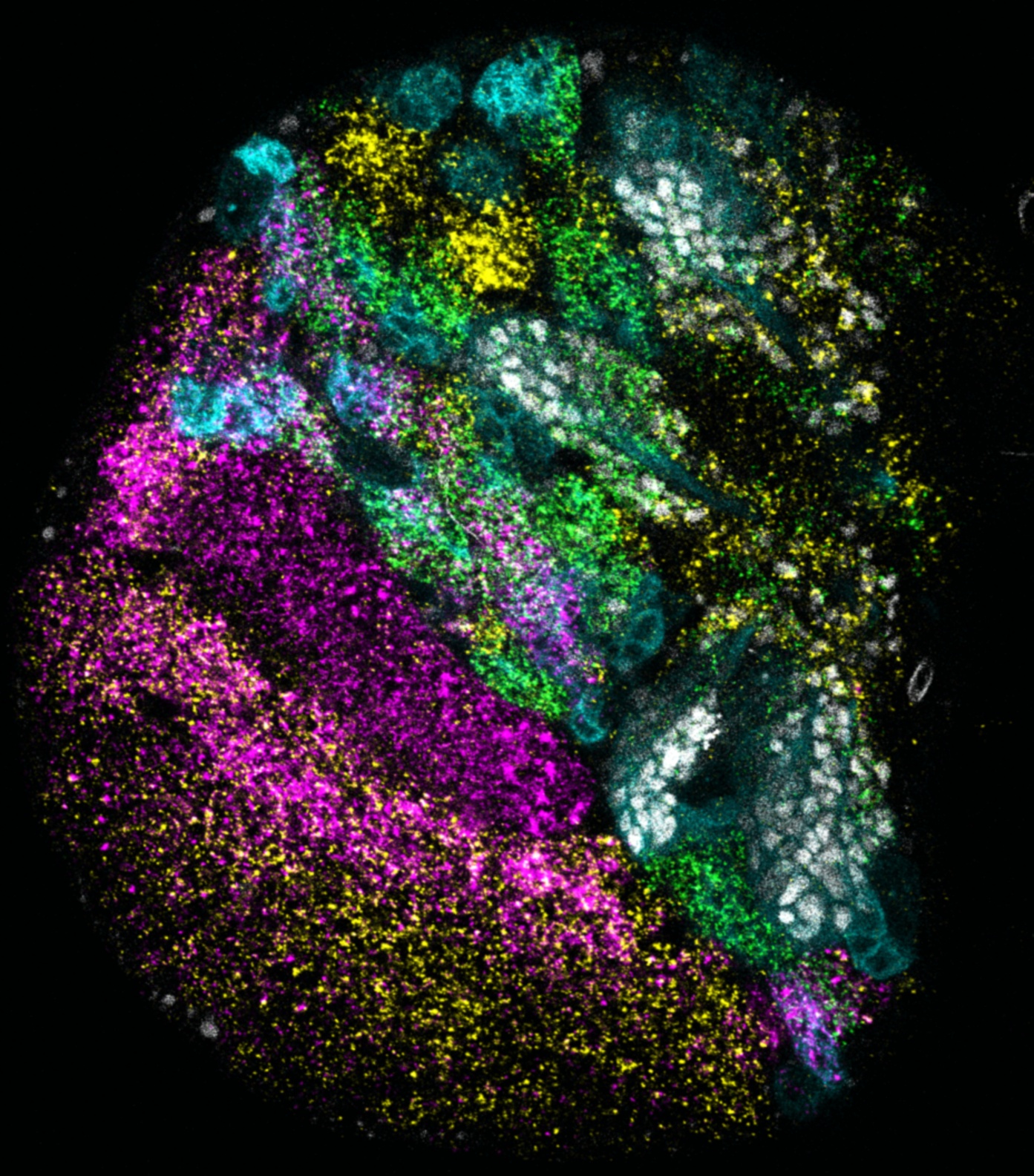
Dawen Cai, Ph.D., is an Associate Professor at the University of Michigan Medical School in the Department of Cell and Developmental Biology , with a secondary affiliation in the Biophysics Department under the College of Literature, Science, and the Arts (LS&A). He is also affiliated with the Neuroscience Graduate Program at the Medical School. His research focuses on integrating computational and experimental approaches to study neuronal subtype determination using scRNA-seq and in situ analysis. His research explores the intersection of RNA biology, neuroscience, and bioinformatics. He develops tools for multispectral imaging and lineage tracing to decode neural development and connectivity in Drosophila and mammalian models. His work combines single-cell transcriptomics with advanced microscopy to identify marker genes and model neuronal architecture. The articles reflect a strong interdisciplinary focus on neuroscience and biomedical imaging. Recent publications highlight innovations in 3D imaging technologies, image compression algorithms, and machine learning applications for medical image segmentation. These works emphasize scalable solutions for high-resolution data analysis, advancing tools for neurophysiology, and leveraging RNA sequencing to map neural development. No scientific awards were explicitly mentioned in the text. Dawen Cai actively recruits PhD students and postdoctoral fellows for the Cai Lab, prioritizing candidates with wet-lab skills, bioinformatics expertise, and experience in quantitative image processing. His lab emphasizes training in interdisciplinary research, paper/grant writing, and critical thinking.
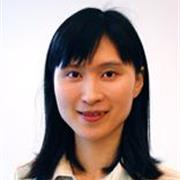
Professor Yuanfang Guan is affiliated with the University of Michigan in the Department of Computational Medicine and Bioinformatics. Their research focuses on bioinformatics and computational biology applications in medical research. Key research areas include: Computational oncology with emphasis on tumor subclonal reconstruction AI applications in clinical pharmacology and drug response prediction Machine learning for neurogenetic disorders like SCA3 Development of digital health measures for neurological diseases Single-cell sequencing data analysis and quality control Epigenomic data imputation and genomic feature analysis Recent publications highlight collaborative projects on LSD1 inhibitors for sickle cell disease, long COVID prediction models, and optimization of genomic deep learning. Their work involves algorithm development for cancer evolution analysis, disease biomarker identification, and AI-driven biomedical applications.
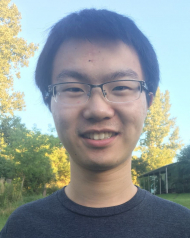
Zhuang Liu is an Assistant Professor of Computer Science at Princeton University, where he leads a research group focused on deep learning and computer vision. His work spans vision and language, unified by a focus on deep learning methods, representations, and architectures. Prior to joining Princeton, he was a Research Scientist at Meta AI Research (FAIR) in New York City. He received his Ph.D. from UC Berkeley and his B.E. from Tsinghua University, both in Computer Science. His educational background includes: Ph.D. in Computer Science, University of California, Berkeley, 2022 B.E. in Computer Science, Tsinghua University (Yao Class) Liu's research focuses on empirical approaches to understanding how deep learning models work and behave. He explores simple approaches to gain empirical insights into neural networks, often challenging existing beliefs in architectures, training, pruning, and datasets. His work spans multiple domains including computer vision, natural language processing, and multimodal learning. He has made significant contributions to the field, including DenseNet and ConvNeXt architectures, which have influenced modern neural network design. His recent publications reveal a strong focus on understanding and improving large language models and vision-language systems. His work examines idiosyncrasies in LLMs, pruning approaches for efficient inference, visual shortcomings of multimodal systems, and bias in large-scale visual datasets. He also investigates fundamental questions about neural network architectures, exploring the relationship between ConvNets and Transformers, and developing normalization-free transformer variants. His research consistently bridges theoretical insights with practical applications, as evidenced by his numerous conference publications and industry collaborations. His notable scientific achievements include: CVPR Best Paper Award NeurIPS'18 Compact Neural Networks Workshop Best Paper Award Professor Liu actively mentors students and postdoctoral researchers, currently advising seven Ph.D. students including Wenhao Chai, Tony Chen, Sachin Konan, Taiming Lu, Zhuorui Ye, David Yin, and Boya Zeng. He has successfully guided graduates such as Jiachen Zhu (now at Skild AI) and Mingjie Sun (now at Thinking Machines Lab). His research has practical implications for improving the efficiency, interpretability, and fairness of deep learning systems, with applications across multiple domains. His research group maintains active collaborations with industry partners including Meta FAIR, NVIDIA Research, and Adobe, and regularly hosts research interns. The group's work has established Zhuang Liu as a leading voice in empirical deep learning research, with invitations to speak at top academic institutions including Harvard, Stanford, Columbia, and Boston University.
Brennan Bean is an Assistant Professor in the Mathematics and Statistics Department at Utah State University's College of Arts & Sciences. His work focuses on geospatial modeling, statistical methods for extreme weather analysis, and machine learning applications in structural and environmental engineering. Recent publications highlight expertise in snow load prediction, Bayesian entropy, and interdisciplinary data science. Notable contributions include optimizing design methods for insulated concrete wall panels and addressing deployment challenges for ML models in engineering contexts. Research trends span geospatial data integration, climate change impact assessments, and educational interventions in STEM. Key subfields include ground snow load mapping, extreme value statistics, climate downscaling, and high-dimensional ecological modeling.
Hoyt Long is the Andrew W. Mellon Professor in the Department of East Asian Languages and Civilizations and the College at the University of Chicago. He serves as Chair of his department and directs the Chicago Text Lab while co-directing the Textual Optics Lab. His research spans modern Japanese literature, digital humanities, media history, and cultural analytics. Modern Japanese literature Media theory and platform studies Cultural analytics and computational methods Environmental history and book history Long's recent work focuses on digital media's impact on cultural production, machine translation, and computational approaches to literary studies. His publications highlight intersections of quantitative methods with traditional criticism, including projects on Aozora Bunko, the History of Black Writing, and Japanese text mining. Scientific awards include the Andrew W. Mellon Professorship, reflecting his leadership in integrating computational methodologies with humanities scholarship. He actively collaborates on digital initiatives and contributes to editorial boards like CA: Journal of Cultural Analytics .
Rrezarta Krasniqi is an Assistant Professor in the Department of Software and Information Systems at the University of North Carolina at Charlotte. She holds a Ph.D. in Computer Science and Engineering from the University of North Texas (2024) and has previously taught at multiple institutions while working as a senior Java developer in industry. Research Focus: Her work centers on improving software quality through automated detection of quality-related bugs, using AI-driven approaches and empirical methodologies to address challenges in code scattering, requirement vagueness, and system-wide reliability issues. She specializes in semantic analysis, classifier development, and 3D visualization tools for codebase monitoring. Key Contributions: Developed RetroRank for bug-fixing comment recommendation (2021-2023) Pioneered SoftQualDetector for semantic quality concern mapping (2023-2024) Co-authored surveys on quality concern management in open-source communities Publications: Her work spans leading venues like EMSE'23, ICSME'23, SANER'23, and SQJ'23, with earlier contributions at ICSE'2017 and FSE'2018 through the TraceLab reproducibility framework.
Michael M. Zavlanos is the Yoh Family Professor in the Thomas Lord Department of Mechanical Engineering and Materials Science at Duke University's Pratt School of Engineering. He also holds secondary appointments in the Department of Computer Science and the Department of Electrical and Computer Engineering. Currently serving as the Director of the Healthcare Systems Optimization program with Duke AI Health and as an Amazon Scholar with Amazon Robotics, his academic career spans control theory, optimization, and artificial intelligence with applications across multiple domains. Dr. Zavlanos received his educational foundation from prestigious institutions: Diploma in Mechanical Engineering from the National Technical University of Athens (NTUA), Greece (2002) M.S.E. in Electrical and Systems Engineering from the University of Pennsylvania (2005) Ph.D. in Electrical and Systems Engineering from the University of Pennsylvania (2008) His research program spans multiple interconnected domains, with a strong foundation in control theory, optimization, and learning methodologies . This theoretical work directly enables applications in robotics and autonomous systems , where his team develops algorithms for multi-robot coordination, motion planning under complex constraints, and network connectivity maintenance. A significant portion of his work addresses networked and distributed control systems , focusing on how multiple agents can coordinate effectively with limited communication. More recently, he has expanded his research into cyber-physical systems with healthcare applications, leveraging his expertise to optimize healthcare delivery systems through the Duke AI Health initiative. Dr. Zavlanos' work demonstrates a consistent trajectory from theoretical foundations to real-world applications. His early work established fundamental principles for maintaining connectivity in mobile robot networks, which evolved into more sophisticated approaches for temporal task planning and risk-averse decision making in uncertain environments. The most recent phase of his research integrates machine learning with traditional control theory to address complex healthcare system optimization problems. His significant contributions to the field have been recognized through prestigious awards: Office of Naval Research Young Investigator Program (YIP) Award (2014) National Science Foundation Faculty Early Career Development (CAREER) Award (2012) National Science Foundation Faculty Early Career Development (CAREER) Award (2011) Duke University Distinguished Faculty Rank (2019) Duke University Distinguished Professor designation (2018) As an educator, Dr. Zavlanos has taught courses including ME 627: Linear System Theory, ME 592: Research Independent Study, ECE 391/291: Projects in Electrical and Computer Engineering, and CEE 627: Linear System Theory. His research program has been supported by multiple grants from the National Science Foundation and the Office of Naval Research, enabling him to mentor numerous graduate students and postdoctoral researchers in the development of cutting-edge control and optimization algorithms. Dr. Zavlanos leads research efforts at the intersection of control theory, optimization, and artificial intelligence, with particular focus on translating theoretical advances into practical applications. His recent work with Duke AI Health represents a strategic expansion of his research portfolio into healthcare systems optimization, where he applies his expertise in algorithmic decision making to improve patient scheduling, resource allocation, and operational efficiency in medical settings. Through his Amazon Scholar role, he also contributes to advancing robotics technologies for real-world applications.
Gregg Trahey is the Robert Plonsey Distinguished Professor of Biomedical Engineering at Duke University, with additional appointments in Radiology. He leads pioneering research in medical ultrasound imaging and serves as a Bass Fellow, reflecting his significant contributions to both research and education. B.S. from University of Michigan, Ann Arbor (1975) M.S. from University of Michigan, Ann Arbor (1979) Ph.D. from Duke University (1985) Dr. Trahey's research focuses on medical ultrasound, image guided surgery, adaptive imaging, imaging of tissue's mechanical properties, and radiation force imaging . His laboratory develops and evaluates novel ultrasonic imaging methods with current projects involving high resolution imaging of the breast and mechanical characterization of both breast and cardiovascular systems. They conduct comprehensive testing through phantom models, animal trials, ex vivo experiments, and human clinical trials, with current clinical applications focusing on vascular plaque imaging and breast lesion characterization. Analysis of Dr. Trahey's recent publications (2022-2025) reveals a strong emphasis on spatial coherence techniques, adaptive ultrasound imaging systems, and quantitative tissue characterization. His work bridges engineering innovation with clinical applications, particularly in cardiac and breast imaging, with key themes including clutter reduction, real-time adaptive systems, and mechanical property assessment of tissues. Fellow, Institute of Electrical and Electronics Engineers (IEEE), 2022 MERIT Award, National Institutes of Health, 2009 Fellows, American Institute for Medical and Biological Engineering, 1999 Dr. Trahey has taught courses including MEDPHY 738: Radiology in Practice, ECE 392: Projects in Electrical and Computer Engineering, and BME 848L: Radiology in Practice. His research is supported by significant funding, particularly from the National Institutes of Health as evidenced by his prestigious MERIT Award, which provides extended grant support to researchers with exceptional performance. Dr. Trahey leads an active research laboratory that conducts comprehensive studies from phantom development through clinical trials. His team collaborates extensively with clinicians for translational research applications, particularly in cardiology and radiology. Current projects focus on high-resolution imaging techniques, mechanical tissue characterization, and development of novel ultrasound methods for improved diagnostic capabilities while maintaining patient safety.
Adam Wax is a Professor of Biomedical Engineering and Professor of Physics at Duke University , where he leads cutting-edge research in optical spectroscopy for cancer detection , novel microscopy techniques , and low-coherence interferometry . As a member of both the Duke Cancer Institute Faculty Network and Duke Institute for Brain Sciences , he bridges engineering and biomedical applications. Education: B.S. from Rensselaer Polytechnic Institute (1993), M.A. (1996) and Ph.D. (1999) from Duke University Honors: Fellow, American Institute for Medical and Biological Engineering (2014); Fellow, SPIE (2010); Fellow, OSA (2010); NSF CAREER Award (2004) His research focuses on biomedical optics , particularly optical coherence tomography (OCT) and quantitative phase microscopy , with applications in early cancer detection , subcellular imaging , and clinical diagnostics . Recent work emphasizes low-cost, portable OCT systems for point-of-care applications and multimodal imaging combining spectroscopy with phase analysis. Scientific awards include: Fellow, American Institute for Medical and Biological Engineering (2014) Fellow, International Society for Optics and Photonics (2010) Fellow, Optical Society of America (2010) National Science Foundation CAREER Award (2004)
Dario Ringach is a Professor in the Department of Neurobiology at the University of California, Los Angeles (UCLA) School of Medicine . His research focuses on neural coding , visual cortex organization , and population dynamics in sensory processing . Key projects include studies on energy-efficient coding , Bayesian network estimation , and cortical adaptation mechanisms . NIH R01NS116471 (2020-2023): Population codes and sensory discrimination NIH R01EB022915 (2016-2021): Bayesian connectivity estimation NIH R01EY018322 (2007-2019): Theoretical visual cortex studies NIH R01EY012816 (2000-2011): Quantitative cortical processing His work spans Neuroscience , Computational Biology , and Neurophysiology , with recent emphasis on adaptation geometry , population coding , and neural normalization . Publications analyze mouse models and primate visual systems , covering topics like receptive field development , thalamocortical connectivity , and inhibitory circuits . Contributions include theoretical frameworks for energy efficiency and power laws in cortical processing. Key collaborations include researchers such as Joshua Trachtenberg (UCLA), Mario Dipoppa (UCLA), and Mark Frye (UCLA). He advocates for responsible animal research in neuroscience and has contributed to debates on scientific ethics and methodological transparency .
Robert Brunner serves as Professor of Astronomy at the University of Illinois at Urbana-Champaign, where he bridges astrophysical research with computational innovation. His work focuses on extracting knowledge from massive astronomical datasets through advanced statistical and machine learning techniques, while also extending methodologies to finance and agricultural applications. Research interests center on developing machine learning algorithms (random forests, deep neural networks, Bayesian estimation) for astronomical data analysis, cosmological parameter constraints via n-point clustering measurements, and hardware acceleration using GPUs/cloud systems. His interdisciplinary approach spans source classification, transient phenomena detection in surveys like SDSS and DES, and applications in financial time-series analysis and agricultural remote sensing. Recent publications (2019-2025) reveal strong cross-domain expertise: astronomical catalogs for Rubin Observatory and Spitzer surveys coexist with financial market analysis using community detection methods and agricultural computer vision systems. Key methodological threads include spatio-temporal forecasting, multimodal learning for earnings calls, and anomaly detection via extended isolation forests, demonstrating consistent innovation in handling petascale datasets across scientific boundaries.
Sandeep Reddivari is an Associate Professor and Interim Graduate Director at the School of Computing, University of North Florida . Holding a Ph.D. in Computer Science and Engineering from Mississippi State University, his work focuses on software engineering , particularly requirements engineering , visual analytics , and software maintenance , with funding from the NSF, US Army Corps of Engineers, NSA, and UNF Foundation. Education : Ph.D. (2014, Mississippi State University), M.S. (2009, Texas A&M University), B.Tech. (2006, JNTU) Research Themes : Requirements Engineering, Visual Analytics, Data Mining, Machine Learning, GenAI, Software Security Teaching : Courses in Software Engineering, Data Science, and Database Systems Awards : NSF Grant Recognition (2024), Best Doctoral Symposium Poster (2013), Outstanding Graduate Teaching Award Nominee (2018) Publications span top venues like IEEE RE, ICSE, and COMPSAC, with a focus on combining visual analytics and machine learning to enhance software decision-making. His lab at UNF mentors students in directed independent studies, emphasizing code navigation , blockchain , and educational software tools .