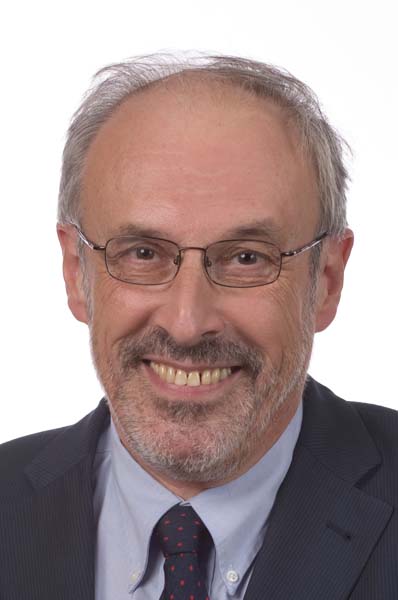
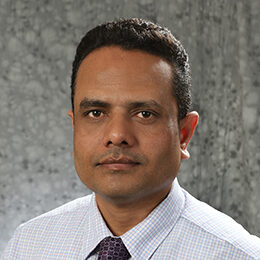
Rainer K. Silbereisen is a Research Professor of Developmental Psychology at Friedrich Schiller University Jena , Director of the Center for Applied Developmental Science , and Adjunct Professor of Human Development at Pennsylvania State University . He has held faculty positions at Technical University Berlin, Justus Liebig University Giessen, and Penn State, alongside leadership roles at the Gesis social science infrastructure company and the University of Haifa Board of Governors. Research Focus: Human development across lifespan, dynamic interactionism, social change impacts, acculturation of immigrants, entrepreneurship, and biobehavioral aspects of adolescence. Applications: Prevention of maladjustment, promotion of positive development, and social policy relevance. International Collaborations: Comparative studies in Germany, Poland, Israel, and post-Soviet states. Funding Sources: German National Science Foundation, W.T. Grant Foundation, Jacobs Foundation, and the German Federal Ministry of Education and Research. Scientific Recognition: Member of Academia Europaea and Erfurt Academy of Sciences Fellow of American Psychological Association and Association for Psychological Science 2012 ISSBD Distinguished Scientific Award 2014 EARA Lifetime Award Academic Leadership: Past-President of ISSBD, German Psychological Society, and IUPsyS. Editor of European Psychologist and American Psychologist Associate Editor. Directed large-scale networks on immigration and social change.
Dr. Clayton Neighbors is a Professor in the Department of Psychology at the University of Houston, College of Liberal Arts and Social Sciences. He serves as Director of the Social Influences and Health Behaviors Lab and holds the Moores Professor chair. His research examines social and motivational factors in health behaviors, including alcohol and substance abuse, problem gambling, body image, intimate partner violence, and aggressive driving. Education: Ph.D. and B.A. from University of Houston and Lamar University, respectively Dr. Neighbors' work integrates social norms, self-determination theory, and social identity into interventions for substance use and health behaviors. His studies often focus on college students and veterans, with funding from NIH institutes (NIAAA, NIDA, NIMH), Department of Defense, and the National Center for Responsible Gaming. Recent research trends include gamified digital interventions, religious drinking norms, and longitudinal analysis of drinking identity and social networks. He mentors graduate students in grant writing and publication, emphasizing preparation for academic or applied research roles. His lab is a leader in event-specific prevention strategies and personalized feedback interventions.
Joshua Warren is a Professor in the Department of Biostatistics at the Yale School of Public Health. He holds appointments in Climate Change and Health, Public Health Modeling, the Yale Superfund Research Center, and the Yale-BI Biomedical Data Science Fellowship. His academic journey includes a PhD in Statistics from North Carolina State University (2011), an MS from the same institution (2009), and a postdoctoral fellowship at UNC Chapel Hill (2014) before joining Yale. Warren's research focuses on developing hierarchical Bayesian methods for spatial and spatiotemporal data, assessing environmental exposures' impact on human health, and characterizing infectious disease spread. His work frequently involves introducing spatial and spatiotemporal models in Bayesian settings to study associations between environmental exposures like air pollution and health outcomes including preterm birth, low birth weight, and congenital anomalies. He also applies these methods in collaborative settings including epidemiology, geography, nutrition, and glaucoma research. His 15 most recent publications demonstrate extensive work at the intersection of environmental health, spatial statistics, and public health. The research spans air pollution health effects, tuberculosis transmission modeling, heat wave impacts on birth outcomes, and statistical methodology development. His work shows particular strength in applying Bayesian approaches to complex spatial and temporal data in public health contexts. Coauthor, Kenneth Rothman Epidemiology Prize Paper (2018) First Author, Best Paper in Biometrics (2012) Warren serves as Associate Editor for Statistics in Biosciences (2015-present) and previously for the Journal of the American Statistical Association (2018-2020). He has reviewed for the Health Effects Institute (2019), Swiss National Science Foundation (2017), and NIH study sections (2016). His collaborative network includes researchers like Nicole Deziel, Daniel Weinberger, Ted Cohen, and Xiaomei Ma. His laboratory focuses on statistical methods development with applications to public health problems, particularly those involving spatial and temporal data structures. Warren's work bridges theoretical statistics with practical public health applications, making significant contributions to how we understand environmental health risks and infectious disease dynamics.
Dr. Donna Jessop is an Associate Professor in Health Psychology at the School of Psychology, University of Sussex. She holds a BA in Human Sciences from the University of Oxford, an MSc in Social and Applied Psychology, and a PhD in Psychology from the University of Kent. Her research focuses on applying psychological theories to promote healthy behaviors, environmental sustainability, and well-being. Key areas include self-affirmation interventions, positive psychology and sleep relationships, and the impact of financial stress on students. She has secured grants from organizations like the ESRC and the British Academy, and consulted for Mitie on workplace well-being programs. Her teaching includes module leadership in Health Psychology and workshops on applying psychology to everyday problems. Research grants include projects on food waste recycling (North London Waste Authority, 2015–2016), self-affirmation in health promotion (ESRC, 2012–2014), and postnatal mental health (British Academy, 2007–2008). Dr. Jessop’s over 40 publications span behavioral health, environmental psychology, and student well-being, with recent work examining part-time work’s impact on university applications and emotion regulation’s role in sleep quality. She advises students through scheduled drop-ins and maintains an active research program bridging theory and real-world applications.
Larry Goldstein is a Professor of Mathematics at the University of Southern California, specializing in probability theory, mathematical statistics, and their applications. He holds a Ph.D. in Mathematics from the University of California, San Diego (1984). His research focuses on distributional approximation via Stein’s method, high-dimensional statistics, concentration inequalities, and statistical efficiency, with applications in epidemiology and biomedical monitoring. He has organized and participated in numerous conferences, including the 'Stein’s Method: The Golden Anniversary' in Singapore (2022) and the 'BIRS Stein Conference' in Banff (2022). Goldstein teaches advanced courses such as Probability Theory, Statistical Consulting, and Mathematical Statistics, often incorporating modern computational tools like R. He has led international summer programs at the University of Perugia, Italy, on topics including mathematical statistics and high-dimensional probability. His work bridges theoretical foundations with practical applications, including modeling transdermal alcohol concentration and analyzing complex sampling designs in cohort studies. His contributions to Stein’s method include developing couplings for distributional approximation and concentration inequalities. Goldstein’s teaching emphasizes statistical inference, machine learning, and data analysis, reflecting his dual focus on rigorous theory and real-world problem-solving.
Jonas Landberg is a Study Director and Lecturer at the Department of Public Health Sciences, Stockholm University. His research focuses on the social determinants of health, with a particular emphasis on alcohol-related harm, intergenerational health effects, and socioeconomic inequalities in health outcomes. He leads projects such as Grandchildren of Misfortune , examining multigenerational patterns of inequality through resilience mechanisms. Key areas of research include the role of alcohol consumption in sickness absence disparities, the impact of parental alcohol use on offspring mental health, and cross-cultural analyses of alcohol policies. Landberg’s work bridges epidemiology, social policy, and public health advocacy. He collaborates with institutions like the Centre for Social Research on Alcohol and Drugs (SoRAD) and has contributed to advancing interdisciplinary approaches to addiction and health equity. Publications highlight methodological rigor, including longitudinal cohort studies and time-series analysis. His findings suggest alcohol use significantly mediates socioeconomic health gaps, particularly in occupational contexts and youth environments. Landberg’s scholarly contributions inform evidence-based policies to reduce health inequities globally.
Karine Maria Porpino Viana is a Researcher in the Department of Psychology at the University of Oslo. Her work focuses on developmental psychology, particularly the interplay between children’s socio-cognitive development—specifically Theory of Mind—and their social interactions in educational settings. She investigates how emotion understanding influences peer and teacher interactions, emphasizing both laboratory and real-world contexts. Her research history includes a Master’s degree from the Federal University of Pernambuco (Brazil) and a PhD project on the relationship between Theory of Mind and social interactions (supervised by Prof. Francisco Pons). She is affiliated with the Quali-LAB research group and collaborates on projects like 'Behavioral and autonomic responses among Brazilians and Norwegians' and 'Psychology Without Borders.' Key projects include evaluating emotion understanding interventions in preschools and exploring the role of emotion socialization in adolescence. Her work bridges theoretical frameworks with practical educational applications, aiming to enhance social competence and collaborative learning in children. Publications span journals like Journal of Youth and Adolescence and Cognition & Emotion , focusing on topics such as parental emotion socialization, peer coordination, and epistemic humility in problem-solving. She contributes to the Oxford Handbook of Emotional Development and collaborates internationally on developmental psychology initiatives.
Hongzhe Li is a Professor of Biostatistics and Director of the Laboratory of Statistical Genetics and Genomics. His research spans methodological and collaborative work in bioinformatics, biostatistics, computational biology, statistical genetics, genomics, and metagenomics, with applications to complex human diseases. His primary research focuses on developing statistical methodologies for multi-omics data integration, particularly in microbiome-host interactions. Key areas include robust high-dimensional modeling, transfer learning, mediation analysis with complex mediators, and phylogenetic methods. His work addresses critical challenges in analyzing compositional data, longitudinal microbiome dynamics, and multi-tissue genetic studies, with significant applications in inflammatory bowel disease, kidney disease progression, and rare disorders like Castleman disease. Recent publications (2023-2025) demonstrate a cohesive trajectory in advancing statistical frameworks for microbiome and multi-omics research. Dominant themes include transfer learning for high-dimensional models, mediation analysis with distributional mediators, and robust covariance estimation. These methods are consistently applied to translational problems in gastroenterology, nephrology, and rare hematologic diseases, emphasizing clinical utility through prospective cohort studies and multi-omics integration. Scientific Awards: No awards mentioned in provided text. Advising and Grants: Student advising details and grant information absent from source material. Research appears driven by methodological innovation with strong clinical collaborations, particularly in IBD and kidney disease consortia. Laboratory: Leads the Laboratory of Statistical Genetics and Genomics, which develops computational frameworks for genetic and microbiome data analysis. The lab specializes in creating open-source statistical tools for high-dimensional biological data, with emphasis on reproducibility and clinical translation through partnerships with medical researchers.
Adam T. Schmidt serves as an Associate Professor in the Department of Psychological Sciences at Texas Tech University, where he conducts research at the intersection of neuropsychology, developmental cognitive neuroscience, and forensic psychology. His work primarily investigates the effects of traumatic brain injury and environmental adversity on brain and behavioral development in youth, with a focus on resilience and positive outcomes in high-risk populations such as justice-involved adolescents. Dr. Schmidt's research program, centered in the Pathways to Resilient Youth Development (PRYDE) laboratory, explores how cognitive abilities, neurobiology, and psychosocial environments interact to influence resilience. He examines mechanisms of chronic neuroinflammation, structural neuroimaging correlates, and the role of protective factors in mitigating the impact of adverse childhood experiences and traumatic brain injuries on youth development, particularly within forensic contexts. His translational approach integrates neuroscience with real-world applications for vulnerable populations. Analysis of Dr. Schmidt's 15 most recent publications (2023-2025) reveals a dominant focus on justice-involved youth, pediatric and adolescent traumatic brain injury, and neurocognitive mechanisms of resilience. Key thematic clusters include adverse childhood experiences and mental health outcomes, executive function deficits in forensic populations, structural neuroimaging biomarkers of recovery, and the moderating role of protective factors in treatment response. His work consistently bridges basic neuroscience with clinical and forensic applications. Dr. Schmidt leads the PRYDE laboratory, which employs multidisciplinary methodologies including structural neuroimaging, neuropsychological assessment, and longitudinal designs to study resilience pathways. The lab's research specifically targets youth experiencing traumatic brain injuries or justice system involvement, investigating how cognitive, biological, and environmental factors interact to foster positive development despite adversity. He is actively recruiting graduate students for the 2025-2026 academic year, indicating ongoing mentorship in the Department of Psychological Sciences. His training program emphasizes neuropsychological assessment techniques, neuroimaging analysis, and research ethics with high-risk youth populations, preparing students for careers in clinical, forensic, and research settings.
Petra Lindfors is a Professor of Psychology, specializing in work and organizational psychology, at the Department of Psychology, Stockholm University. She has held this position since December 2013 and is actively involved in multiple research projects focusing on stress, health, and well-being across various contexts including workplaces, educational settings, and home environments. Her academic journey began with her thesis defense in 2002, which focused on stress, health, and well-being among teleworking women and men as part of the Boundless Work project. She was accepted as an associate professor in psychology at the Faculty of Social Sciences, Stockholm University, in September 2006, and was hired as a lecturer at the Department of Psychology in July 2007. Throughout her career, she has maintained active research collaborations at both the Department of Psychology and the Centre for Health Equity Studies (CHESS) at Stockholm University/Karolinska Institutet. Lindfors' research interests span multiple dimensions of work and organizational psychology. Her primary focus is on self-reported and objective aspects of stress, health, and well-being among adults and young people across various contexts. She has developed significant expertise in workplace interventions related to harmful substance use, work-life balance, gender differences in work environments, and mental health promotion. Her work often examines how organizational structures and policies affect individual health outcomes, with particular attention to vulnerable populations and gender differences. Analysis of her recent publications reveals strong thematic consistency centered on occupational health psychology. Her research employs both variable-oriented and person-oriented approaches to examine job insecurity, work-home interference, stress responses, and health outcomes. A notable trend is her increasing focus on methodological innovation, particularly in studying workplace interventions and mental health among young adults. Her work bridges theoretical organizational psychology with practical workplace applications, often resulting in concrete recommendations for employers and policymakers. Two-year post-doc scholarship from the Anna Ahlström and Ellen Terserus Foundation (2005) Associate editor for the Nordic Journal of Working Life Studies (since 2021) Member of the Quality Council for the Swedish Work Environment Authority (2019-2022) As an academic supervisor, Lindfors has mentored an impressive number of doctoral students, with completions spanning from 2008 to the projected 2025 graduation of Anna S Tanimoto. She has served as main supervisor for numerous successful academics who have gone on to professorial positions, including Ulrica von Thiele Schwarz at Mälardalen University College. Her supervisory approach appears comprehensive, extending beyond thesis completion to postdoctoral mentorship and career development. Regarding research funding, she has secured significant grants from AFA Försäkring for projects examining organizational interventions for health-promoting work, and has been involved with Stockholm Stress Center, a FORTE-financed interdisciplinary research center. Her work demonstrates sustained success in attracting competitive research funding across multiple domains of occupational health. Lindfors leads the research group 'Harmful use in the workplace – prevention and intervention,' which addresses critical issues related to alcohol, drug, and gambling problems in professional settings. She has also been instrumental in shaping the Department of Psychology's strategic direction, serving as chairman of the board of the Stockholm University Department of Psychology (SUPK) from 2016-2024 and currently as a regular member of the Department's board for 2024-2026. Her collaborative approach is evident in her involvement with multiple interdisciplinary projects, including those examining natural environments, cognitive abilities in military contexts, and school environments' impact on youth mental health.
Scott Thompson-Whiteside is a Professor and Executive Dean at Torrens University Australia's School of Design and Creative Technology. With a career spanning over two decades, he contributes to research in human-centered design , machine learning , and sustainable transportation . His work bridges design innovation with technological solutions, particularly in electric bus systems and deepfake detection. Key Research Areas : Human-centered design, EEG data analysis, Industry 4.0, drone technology, design education Recent Research Trends (2022-2025): Machine learning in neurological disorder detection (e.g., epilepsy via EEG graphs) Deepfake detection techniques Design-led sustainable public transport systems in Malaysia Ethical frameworks for drone vision applications Industry 4.0 adoption challenges in creative sectors Academic standards in transnational education Academic Leadership : As Executive Dean, he actively supervises PhD students and influences higher education policy. His teaching innovations focus on design thinking and internationalization of curricula.
Minh Huynh is a Senior Lecturer in the Department of Econometrics & Business Statistics within the Faculty of Business and Economics at Monash University. His work bridges statistical methodology with practical applications in sports science, biomechanics, and health research. Position: Senior Lecturer Institution: Monash University Department: Econometrics & Business Statistics School: Faculty of Business and Economics Dr. Huynh's research focuses on the application of statistical models to real-world problems in sports performance and human health. His primary interests include sports analytics, biomechanics of cricket and football, sleep science, and the impact of lifestyle factors on athletic recovery. He employs advanced quantitative methods to analyze player performance, injury risk, and recovery strategies. His recent publications reveal a strong trend toward interdisciplinary research, particularly in validating new technologies (such as AI-based speed tracking), meta-analyses on sleep and alcohol, and biomechanical assessments in cricket. The articles span high-impact journals in sports science and medicine, indicating a rigorous, peer-reviewed research trajectory with practical implications for coaching and athlete management. While no specific scientific awards are listed in the provided text, his work has been widely disseminated, appearing in 45 research outputs with significant media and academic attention, including coverage by over 100 news outlets and engagement on social platforms. Dr. Huynh collaborates extensively with researchers in sports science and medicine, suggesting active involvement in research teams and potential supervision of students, though no advisees are explicitly named. His research likely involves data-driven projects in sports performance labs or collaborative health studies. He has not indicated any part-time status, retirement, or former staff designation, and remains an active academic contributor.
Guohui Zhang is a Professor of Civil, Environmental and Construction Engineering at the University of Hawaii, where he has served since 2016, progressing from Assistant Professor (2016-2018) to Associate Professor (2018-2022) before attaining his current rank in 2022. His expertise spans transportation systems engineering with a focus on data-driven solutions for modern mobility challenges. His educational foundation includes: Ph.D. in Civil Engineering, University of Washington, Seattle (2008) M.S. in Systems Engineering, Tsinghua University, China (2003) B.S. in Control Engineering, Harbin Institute of Technology, China (2000) Professor Zhang's research integrates advanced computational methods with transportation theory across six core domains: Large-Scale Transportation Systems Modeling, Traffic Control and Operations, Sensor Data Analysis, Cyber-Transportation Security, Congestion Pricing, and Safety/Security systems. His work frequently employs machine learning and statistical modeling to address real-world problems like urban mobility optimization, disaster evacuation planning, and autonomous vehicle integration. Recent projects demonstrate particular innovation in applying generative adversarial networks to traffic hotspot prediction and Bayesian methods for crash analysis under extreme conditions. Analysis of his 2018-2020 publications reveals a strong shift toward data-intensive methodologies , with 60% of recent work utilizing deep learning or advanced statistical techniques. Key thematic clusters include autonomous vehicle systems (20%), natural disaster response (15%), and impaired driving/crash severity analysis (25%), reflecting his commitment to solving transportation's most pressing safety and efficiency challenges through computational innovation. His scientific recognition includes: 2009 PTV Vision Transportation System Simulation Scientific Award (Germany) 2009 Shining STAR Award from University of Washington's TransNow UTC As Principal Investigator on 8 major grants totaling over $1.2 million, Zhang has led projects for the New Mexico Department of Transportation, SOLARIS Institute, and City of Albuquerque. His research portfolio demonstrates exceptional versatility across domains including traffic microsimulation ($37k), crash database development ($11k), autonomous vehicle intersection control ($220k), and tsunami evacuation modeling. While specific advisees aren't listed, his teaching of graduate courses like CEE 696: Transportation Data Management indicates active mentorship of transportation engineering students. Professional leadership includes Guest Editor roles for IEEE Intelligent Transportation Systems Magazine and Transportation Research Part C , plus active committee service with the Transportation Research Board.
Professor Robin Purshouse is a leading academic at the University of Sheffield , currently serving as Professor of Decision Sciences in the Department of Automatic Control and Systems Engineering within the School of Electrical and Electronic Engineering . With a career spanning academia and industry, his work bridges computational modelling , optimization , and systems science to address complex challenges in public health and engineering. His research has been pivotal in developing mechanisms for agent-based modelling and evolutionary multi-objective optimization . Education: PhD in Control Systems (2004), MEng in Control Systems Engineering (1999) from the University of Sheffield Professor Purshouse's research focuses on computational modelling of complex social systems , decision analytics for population health policy , and Bayesian optimization . He has pioneered the integration of machine learning and uncertainty quantification in social science simulations, with notable projects like the Sheffield Alcohol Policy Model and CASCADE initiative. His work spans interdisciplinary domains, including health economics , policy evaluation , and engineering design . Recent publications highlight his expertise in agent-based modelling for smoking/vaping dynamics , intersectional disparities in alcohol consumption , and inclusive economy frameworks . He has secured substantial funding (exceeding £16 million) through grants from NIH , CRUK , UKPRP , and MRC , including his role as co-PI in the HealthMod cluster. His contributions to multi-objective optimization and evolutionary algorithms have advanced methodologies in both engineering and public health domains. Scientific Awards: ESRC Future Research Leaders Award (2012-2015) As a co-developer of the Liger optimization environment , Purshouse has fostered open-source tools for complex decision-making. He leads the SIPHER consortium for systems science in public health and serves on editorial boards for journals like Environmental Modelling & Software . His teaching includes Agent-Based Modelling (ACS6132), and he maintains professional memberships in the Association for Computing Machinery and Research Society on Alcohol .
Dr. Shankargouda Patil is a full professor at the College of Dental Medicine, Roseman University of Health Sciences in South Jordan, Utah. He joined in 2022 and has held academic roles including associate professor at Jazan University (2016–2022) and senior lecturer at KLE Institute of Dental Sciences (2009–2012). His expertise spans oral pathology, oncology, and AI integration in dentistry. He is affiliated with the Global Burden of Disease Collaborative Network and holds editorial roles at prominent journals like the Journal of Contemporary Dental Practice and World Journal of Dentistry. Education: BDS in Dental Surgery from PMNM Dental College & Hospital, Bagalkot, India (2003) MDS in Oral & Maxillofacial Pathology from Sree Balaji Dental College, Chennai, India (2009) PhD in Medical Biotechnology from the University of Siena, Italy (2019) Research Interests: Dr. Patil's research focuses on cancer stem cell biology, inflammation in oral diseases, and molecular mechanisms of tobacco-related oral pathologies. He explores translational medicine, stem cell differentiation, and AI applications for diagnostic tools. His work bridges basic science and clinical practice, emphasizing real-world problem-solving in oral oncology and dental biomaterials. Research Trends: His recent publications highlight advancements in AI-driven diagnostics, novel dental materials (e.g., chitosan-modified cements), and molecular pathways in oral cancer. Collaborations on photodynamic therapy and the NIH grant reflect his commitment to translational oncology. Work on SARS-CoV-2 variants underscores interdisciplinary virology and oral health implications. Scientific Awards: Best Peer-Reviewer Award by Publons/Web of Science (2019) Highest Number of Impact Factor Papers in Jazan University (2021) Top 2% of Global Scientists by Stanford University (2021) Advising & Grants: Dr. Patil has supervised students and leads NIH/National Cancer Institute-funded research on photodynamic therapy for oral cancer. He mentors through the ADEA Academic Dental Careers Fellowship Program. His grants include collaborations on policy-guiding burden-of-disease analyses and clinical trials. Labs & Teams: Engaged in the Global Burden of Disease network and ADEA Leadership Institute fellowship. His interdisciplinary research involves teams across molecular biology, clinical trials, and biomaterials development. He aspires to create a virtual reality classroom and eco-friendly dental materials.