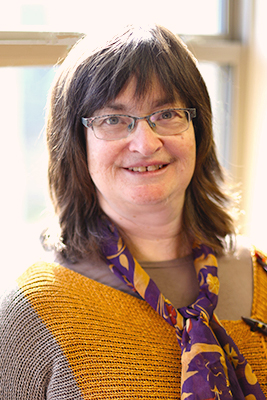
Anna Berge is a Professor of Linguistics at the University of Alaska Fairbanks, directing the Alaska Native Language Archive. She holds a PhD from the University of California, Berkeley (1997), specializing in the documentation, description, and historical analysis of Eskimo-Aleut languages, particularly Unangam Tunuu (Aleut). Her research integrates linguistics with archaeology, genetics, and environmental studies to explore prehistoric language contact and divergence patterns along the North Pacific Coast. Her work focuses on morphosyntax, discourse analysis, and language revitalization for highly endangered languages. She teaches courses in Morphology, Field Methods, Community Language Documentation, and Eskimo-Aleut Linguistics, emphasizing practical skills for language preservation. Berge's multidisciplinary approach addresses Aleut language divergence from Eskimoan branches, leveraging data from multiple disciplines to reconstruct linguistic prehistory. She actively collaborates with Indigenous communities in Russia, Alaska, Canada, and Greenland to archive linguistic materials and support language maintenance initiatives.
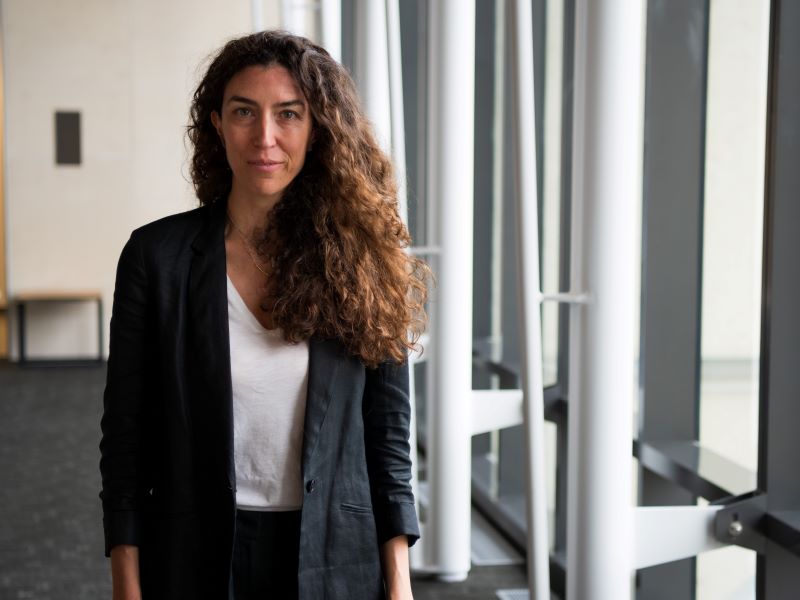
Paola Passalacqua is a Professor of Environmental and Water Resources Engineering and Earth and Planetary Sciences at the University of Texas at Austin, holding the L.B. (Preach) Meaders Professorship in Engineering. She leads research at the intersection of water resources engineering, geomorphology, and hydrology, focusing on river networks, coastal restoration, and remote sensing applications. Her work addresses delta dynamics, floodplain connectivity, and community resilience to compound hazards. Dr. Passalacqua earned a PhD in Civil Engineering (2009) and MS in Water Resources from the University of Minnesota, and dual MS/BS in Environmental Engineering from the University of Genoa (2002). Her technical expertise includes hydrological connectivity, network theory, and morphodynamic modeling using LiDAR and satellite data. Research interests emphasize river delta structure/dynamics, floodplain sedimentation, and translating science into community adaptation strategies. She co-developed tools like GeoFlood for large-scale flood mapping and the pyDeltaRCM numerical delta model. Her interdisciplinary approach integrates socio-technical vulnerability analysis with environmental systems. Awards include the endowed Meaders Professorship. Current projects involve coastal Alaska infrastructure resilience, SWOT satellite data applications, and delta sustainability in the Anthropocene. She leads the Passalacqua Research Group, engaging in citizen science through initiatives like UTBiome.
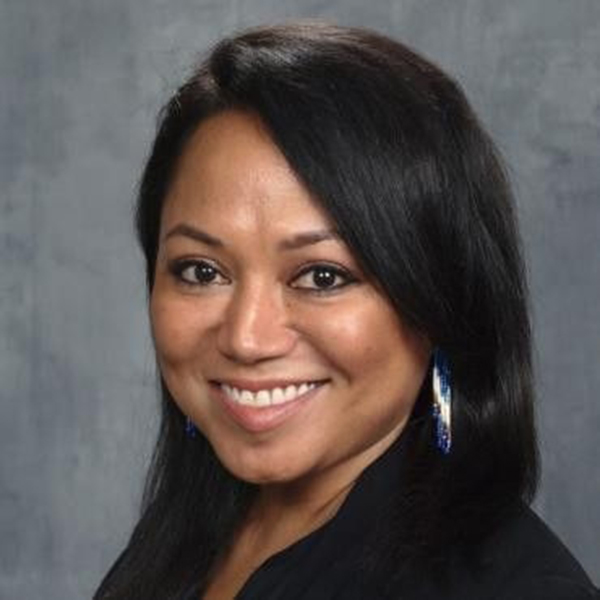
Nazune Menka is an Assistant Professor of Law and Faculty Director of the Northwest Center for Indigenous Law at Seattle University School of Law. Formerly the Executive Director of Berkeley Law’s Center for Indigenous Law & Justice, she has held roles including Supervising Attorney in the Environmental Law Clinic and Lecturer. Her work focuses on Indigenous self-determination, tribal sovereignty, and decolonization. Education: J.D., University of Arizona, Indigenous Peoples Law & Policy Certificate (2018) M.S., University of Arizona, Soil, Water, & Environmental Science (2013) B.A., North Carolina State University, Communications (2002) Research Interests: Professor Menka’s scholarship addresses Indigenous legal frameworks, environmental justice, and constitutional law. She advocates for tribal sovereignty through legal reforms and coalition-building. Her environmental science background informs her work on toxicology and public health risks in tribal communities. Professional Contributions: She serves as Board Treasurer for the California Indian Law Association, Water Protector Legal Collective, and SACNAS. Her advocacy spans policy work in Alaska and Hawaii legislatures, and internships at federal agencies like the EPA and CDC. Labs/Teams: Leads the Northwest Center for Indigenous Law, advancing Native Nations’ legal capacity and decolonizing legal education. Founded UC Berkeley’s Decolonizing UC Berkeley course and collaborates on tribal cultural resource policy initiatives.
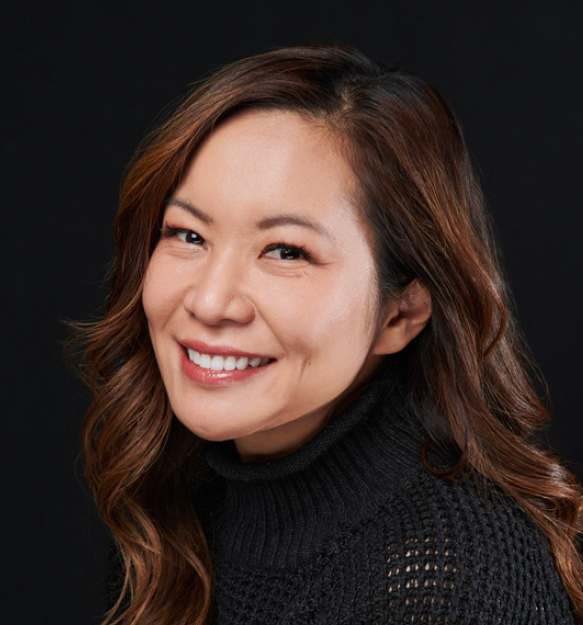
Sasha Zhou is an Assistant Professor in the Department of Public Health at Wayne State University's College of Liberal Arts and Sciences. She is a Principal Investigator of the Healthy Minds Network, focusing on improving mental health outcomes for emerging adults and college students, particularly high-risk populations. Her work integrates qualitative and quantitative methods to address structural racism and mental health disparities. Ph.D., Health Services Organization and Policy (Sociology Cognate), University of Michigan, 2020 M.P.H., Health Behavior and Health Education, University of Michigan, 2013 M.H.S.A., Health Management and Policy, University of Michigan, 2013 Dr. Zhou’s research prioritizes mixed-methods approaches to identify systemic drivers of mental health inequities. She examines the intersection of structural racism, immigration experiences, and cultural factors in shaping mental health outcomes, with a focus on Asian Pacific Islander, Arab, and American Indian/Alaska Native communities. Her work also evaluates telehealth modalities and pandemic-related stressors in college mental health services. Recent publications highlight her exploration of racial discrimination's impact on AAPI populations, disparities in help-seeking behavior, and the role of social norms in substance use and mental health comorbidity. She has contributed to understanding pandemic-era mental health trends and structural barriers to care. Robert Wood Johnson Foundation Grant (2022-2024): Critical analysis of structural racism research methods and innovative approaches. Dr. Zhou’s leadership in the Healthy Minds Network bridges academic research and practical interventions to address mental health crises among young people. Her work emphasizes policy reform and community-driven solutions to reduce disparities.
Joseph Patrick Gone is a Professor at Harvard University, holding appointments across multiple schools: Anthropology (Faculty of Arts & Sciences), Global Health and Social Medicine (Harvard Medical School), and Social and Behavioral Sciences (Harvard T.H. Chan School of Public Health). He also serves as Faculty Director of the Harvard University Native American Program. His work focuses on Indigenous mental health, cultural psychology, and addressing systemic inequities in healthcare for Indigenous communities. Gone earned his PhD in clinical-community psychology from the University of Illinois and trained at McLean Hospital/Harvard Medical School. His research includes reimagining mental health services through Indigenous frameworks, such as cultural immersion camps for substance abuse treatment and integrating traditional healing practices into urban clinics. He has authored over 100 publications and been awarded prestigious honors including the Gold Medal Award for Impact in Psychology (2023) and membership in the National Academy of Medicine (2021). Education: BA (Harvard College, 1992), PhD (University of Illinois at Urbana-Champaign, 2001) Key Projects: Culture and Mental Health Research Lab, Blackfeet Cultural Immersion Camp, Urban American Indian Traditional Spirituality Program Awards: 18+ fellowships and awards, including Guggenheim and Robert Wood Johnson Foundation recognitions His interdisciplinary work bridges Indigenous knowledge systems with mainstream psychology, advocating for decolonized approaches to mental health. Current initiatives include publishing his great grandfather’s writings on Gros Ventre traditions and advancing culturally responsive treatment models.
Katy Backes Kozhimannil, Ph.D., is a Professor at the Division of Health Policy and Management in the University of Minnesota School of Public Health . She co-directs the Rural Health Research Center and Rural Health Program at the university, focusing on health policy that affects healthcare delivery during critical life stages like pregnancy and childbirth. She combines research with policy advocacy to advance rural health , maternal and child health , and racial equity . Education : PhD in Health Policy (Harvard, 2009), MPA in Policy and Administration (Princeton, 2003), BA in Spanish and International Relations (University of Minnesota, 1999) Expertise : Health care policy, maternal and child health, rural health, health care quality, policy evaluation Kozhimannil’s research examines how policies impact healthcare access, quality, and outcomes in rural communities, particularly during pregnancy and postpartum. Her work addresses structural racism , geographic disparities , and social determinants of health , with published articles in journals like Science , JAMA , and Health Affairs . She has informed legislative changes in nine states and federal policies to improve maternal health access and reduce inequities. Her teaching emphasizes practical skills for health policy analysis, including legislative communication, policy brief writing, and advocacy. Students have engaged directly with legislators, influencing policy debates and implementation. Kozhimannil’s scientific awards include: Heinz Award for Public Policy (2020) Alice S. Hersh New Investigator Award (2016) Labelle Lectureship in Health Services Research (2015) Health Affairs Top 15 Most-Read Articles (2013) Delta Omega Honorary Society in Public Health (2013) She collaborates with colleagues like Jessica Liddell and Stephanie Leonard on rural maternity care, Hailey Baker on Indigenous maternal health, and Jhumka Gupta on domestic violence research. Her work has been cited extensively and covered by major media outlets including the New York Times and Washington Post .
Ripan S. Malhi is a Professor in the Department of Anthropology at the University of Illinois at Urbana-Champaign, with additional affiliations in Evolution, Ecology, and Behavior; American Indian Studies Program; and the Carl R. Woese Institute for Genomic Biology. His research integrates molecular anthropology and genomics to study human and animal evolutionary history. Primary Affiliation : Department of Anthropology, College of Liberal Arts & Sciences Collaborative Roles : Carl R. Woese Institute for Genomic Biology, American Indian Studies Program Malhi's work focuses on ancient DNA analysis, mutualistic human-animal relationships, and Indigenous population genomics. Recent studies include genomic investigations of historic lion populations, Pleistocene human-canid interactions in Alaska, and genetic continuity in the Blackfoot Confederacy. His lab employs interdisciplinary approaches combining archaeology, biology, and Indigenous community partnerships. Recent publications highlight collaborations with colleagues in genomics, ecology, and archaeology. Key themes include biomarker analysis, colonial-era biodiversity impacts, and prehistoric human migration patterns. The Malhi Molecular Anthropology Laboratory serves as a hub for these investigations. Contact: Department of Anthropology, 607 S. Mathews Ave., Urbana, IL 61801 | Phone: 217-265-0721 | Email: malhi@illinois.edu
Hye-Chung Kum is a Professor in the Department of Health Policy & Management at Texas A&M University, where she pioneers Population Informatics to transform digital data into evidence-based health policy solutions. Her work bridges computer science, public health, and social work to address critical data challenges in healthcare systems. Education: PhD, University of North Carolina at Chapel Hill (UNC-CH), 2004 MSW (Master of Social Work), UNC-CH, School of Social Work, 1998 MS, UNC-CH, Department of Computer Science, 1997 BS, Yonsei University, Seoul, Korea, Department of Computer Science, 1995 Research Vision: Dr. Kum develops privacy-preserving human-computer hybrid systems for cleaning and integrating chaotic real-world data (e.g., EHRs, administrative records). Her Population Informatics framework enables ethical large-scale analysis while addressing data genocide in marginalized communities through innovations like the Secure Decoupled Linkage (SDLink) system. Publication Trends: Recent work (2024-2025) reveals three dominant threads: (1) Mental health service utilization dynamics during/post-pandemic, (2) Racial/ethnic disparities in emergency department use and cancer outcomes, and (3) Ethical data sharing frameworks for vulnerable populations. Her Texas-focused studies on Medicaid payment models and AI-driven record linkage demonstrate practical policy applications. Research Infrastructure: As director of the Population Informatics Lab, she leads cross-disciplinary teams developing Privacy-by-Design tools that balance public health needs with data sovereignty—particularly for American Indian and Alaska Native communities. Her grant-funded work consistently addresses Medicaid transformation and healthcare cost drivers through secondary data analytics.
Songho Ha is Professor of History at the University of Alaska Anchorage, specializing in 19th century American economic history and antebellum slavery. His research examines Jeffersonian political economy, financial systems, and the intersection of slavery with global capitalism. Publications include 'The Rise and Fall of the American System' and analyses of Albert Gallatin's economic policies. His work received the U-am Award from the Korean Association of American Studies. Research Focus: Jeffersonian political economy and land policies Slavery's integration with global capitalism Creek Indian removal policies
Laura Caulfield, PhD, is a Professor in the Department of International Health at the Johns Hopkins Bloomberg School of Public Health. She is affiliated with the Center for Human Nutrition and the Center for Global Health, and her research focuses on maternal, infant, and child nutrition and health both in the United States and globally. Her research interests include nutritional epidemiology, maternal and perinatal health, child growth and development, breastfeeding and complementary feeding, and the evaluation of nutrition interventions. She is particularly interested in the early origins of adult disease and the development of nutrition surveillance systems to inform public health policy. Dr. Caulfield’s recent publications reflect a strong focus on public health nutrition, with studies on the WIC program, plant-based diets and diabetes, geospatial food environments and childhood obesity, and the intersection of nutrition and autism. Her work often employs cohort studies and systematic reviews to assess the impact of dietary patterns and public health programs. Outstanding Alumna, College of Health and Human Sciences, Colorado State University (2014) The Ruth Pike Lectureship, The Pennsylvania State University (2005) The Avanelle Kirksey Lectureship, Purdue University (2000) Golden Apple Award for Excellence in Teaching, Johns Hopkins University (1993) Dr. Caulfield has led and contributed to numerous research projects, including the MAL-ED study and evaluations of the WIC program. She has secured significant grant funding to support her work on maternal and child nutrition, program evaluation, and global health initiatives. Her research often involves community-engaged methods and collaborations across disciplines and institutions. She is actively involved in mentoring students and researchers and leads a dynamic research team focused on improving nutritional outcomes for vulnerable populations. Her lab emphasizes rigorous epidemiological methods, policy-relevant research, and the translation of findings into public health practice.
Jan A. Lindsay, Ph.D., serves as an Associate Professor in the Department of Psychiatry and Behavioral Sciences at Baylor College of Medicine, Houston, TX, with a clinical appointment at the Veterans Affairs Medical Center (VAMC-MHCL). Her work bridges academic psychiatry and veteran-focused mental health services, emphasizing telehealth innovation for underserved populations. Education: Postdoctoral Fellowship, University of Texas Medical School at Houston (2009) Ph.D., University of Houston (2007) B.A., University of Texas at Austin (1995) Dr. Lindsay's research centers on telemental health implementation for veterans, with particular focus on rural health disparities, substance use disorders (opioid/alcohol), PTSD, and culturally centered care for American Indian/Alaska Native communities. She develops scalable digital interventions like webSTAIR while addressing systemic barriers in access through implementation science frameworks. Her work critically examines demographic disparities in telehealth utilization across race, gender, and rurality. Analysis of her 2024-2025 publications reveals dominant trends: (1) Quantitative evaluation of telehealth outcomes across modalities (video/phone), (2) Development of culturally adapted materials for Native veterans, and (3) Investigation of intersectional disparities in care access for women, Black, and rural veterans with comorbid conditions like HIV. A unifying theme is the application of implementation science to overcome structural barriers in veteran mental healthcare. Scientific Awards: Board Certified by Texas State Board of Examiners of Psychologists (professional certification) Dr. Lindsay maintains an active research program funded through Veterans Health Administration partnerships, with emphasis on real-world implementation of evidence-based practices. While formal advisees are not documented in available materials, her work involves extensive collaboration with VAMC clinicians, VIICTR informaticians, and community stakeholders. Current projects include culturally centered telehealth adaptations and cost-effectiveness analyses of telemental health services. Her dual affiliation with Baylor College of Medicine and the Houston VAMC enables integrated research on veteran mental health systems, with emerging work focusing on equity in digital health access and sustainable implementation strategies for complex care needs.
Shari M. Huhndorf serves as the Class of 1938 Professor of Native American Studies within UC Berkeley's Department of Ethnic Studies. A Yup'ik scholar raised in Alaska, her work bridges academic research and Indigenous community engagement, focusing on Alaska Native sovereignty, cultural representation, and gendered land relations. She holds significant leadership roles including Chair of the Repatriation Committee at the National Museum of the American Indian. Her educational foundation includes: Ph.D. in Comparative Literature, New York University M.A. in Comparative Literature, New York University B.A. in English, University of Redlands Huhndorf's research interrogates the inseparability of Indigenous cultural systems from territorial sovereignty, with particular emphasis on Alaska Native communities. Her scholarship examines literary and visual representations through decolonial and feminist frameworks, analyzing how Indigenous peoples resist colonial erasure through cultural production. Current projects include a community-based history of the Alaska Native Claims Settlement Act developed with Roy Huhndorf. Analysis of her 15 most recent publications reveals consistent engagement with Indigenous land sovereignty, cultural resilience, and gendered spatial politics. Her work demonstrates evolving focus from foundational critiques of 'going native' tropes toward contemporary analyses of corporate tribalism and Indigenous health sovereignty, always centering Alaska Native epistemologies. Her honors include: Canadian Women's Studies Association Outstanding Scholarship Prize Alaska Federation of Natives President's Award UC Berkeley Distinguished Teaching and Mentor Awards Guggenheim, Ford, and Woodrow Wilson Fellowships As a dedicated mentor, Huhndorf has guided numerous graduate students while securing major research funding. Her current ANCSA project exemplifies community-engaged scholarship. Institutional affiliations span Berkeley's Center for Race and Gender, Joseph A. Myers Center for Research on Native American Issues, and the Designated Emphasis in Gender and Women's Studies. She actively shapes national discourse through service on the National Museum of the American Indian Board and previously chaired the MLA's Twentieth-Century American Literature Division. Her decade-long service with the CIRI Foundation demonstrates sustained commitment to Alaska Native educational advancement.
Alex Borgella is an Associate Professor of Psychology at Fort Lewis College in Durango, Colorado, where he also leads the Social Perception Experimentation (SPEx) Lab. He holds a Ph.D. in Social Psychology from Tufts University (2017), an M.A. from James Madison University, and a B.A. from the University of West Florida. Prior to joining Fort Lewis College in 2019, he served as a Visiting Assistant Professor at Bates College. Ph.D., Social Psychology, Tufts University, 2017 M.A., Psychological Sciences, James Madison University, 2012 B.A., Psychology, University of West Florida, 2010 Dr. Borgella's research centers on social psychological mechanisms of stereotyping, prejudice, and discrimination. His work explores intergroup interactions, implicit bias, within-group racial bias, and stereotype threat, particularly in understudied populations such as Indigenous communities, people with multiple stigmatized identities, and in contexts like combat sports and social media. He investigates how identity-related humor can reduce intergroup anxiety and how generative AI representations affect psychosocial well-being. His research has been published in journals including the Journal of Experimental Social Psychology , Psychology of Sport and Exercise , and Humor: International Journal of Humor Research , and has been featured in NPR, Psychology Today, VICE, and Gizmodo. His most recent publications show a strong trend in examining subtle forms of bias in dynamic settings—such as UFC refereeing and social media—and in exploring how stereotype threat manifests across diverse identities, including White individuals in rhythmic performance. His 2024 Mamie Phipps Clark Faculty Research Award supports groundbreaking work on text-to-image AI and racial representation. 2024 Mamie Phipps Clark Faculty Research Award (APA and Psi Chi) Featured Scholar, Fort Lewis College Alice Admire Outstanding Teaching Award Ginny Hutchins Teaching Award for New Faculty Best Educator in Durango FLC Achievement Award Dr. Borgella is a dedicated mentor, supervising numerous undergraduate research projects through the SPEx Lab. Many of his students have presented at national conferences and pursued graduate studies. He teaches core courses such as Research Methods, Social Psychology, and the Senior Research Capstone. He is currently securing funding and mentoring students on projects related to AI, social media bias, and intergroup dynamics. His lab, originally founded at Bates College, is now based at Fort Lewis College and actively recruits undergraduates.
Elizabeth J. D'Amico serves as a Senior Behavioral Scientist at the RAND Corporation and a Professor of Policy Analysis at the RAND School of Public Policy. Her expertise focuses on adolescent health, substance use prevention, and interventions targeting at-risk youth. She holds a Ph.D. in clinical psychology from the University of Texas and is a licensed clinical psychologist. Her research spans epidemiological studies, clinical trials, and policy evaluations, with a focus on marginalized populations such as urban American Indian/Alaska Native emerging adults and homeless youth. Current projects include a large clinical trial addressing suicide prevention among Alaska Native youth and longitudinal studies tracking substance use patterns from adolescence through young adulthood. Research Interests Adolescent and emerging adult substance use prevention Cultural influences on health behaviors Motivational interviewing interventions Health disparities in Indigenous communities Recent Trends in Articles Her recent work emphasizes the intersection of social networks, cultural identity, and substance use among marginalized groups. Key studies include analyzing protective behavioral strategies for homeless youth, exploring discrimination's mental health impacts on Native American populations, and evaluating interventions to reduce alcohol and cannabis use among adolescents. Awards Fellow of the American Psychological Association (Division 50, 2016) Mentor of the Year Award, RAND Behavioral and Policy Sciences (2018) Grants & Advising Principal investigator for longitudinal substance use studies (18-year follow-up) Grants on primary care-based substance use prevention and Alaska Native suicide prevention Labs/Teams Core member of the RAND Behavioral and Policy Sciences department, collaborating with the Motivational Interviewing Network of Trainers (MINT).
Robyn Mallett is a Professor of Social Psychology and serves as the Vice Provost for Academic Programs and Planning at Loyola University Chicago, where she is a core faculty member in the Department of Psychology. Her leadership extends across academic administration and research innovation within the university structure. Her educational background includes: Post-Doctorate Fellowship at the University of Virginia Doctorate in Social Psychology from The Pennsylvania State University Master's in Psychology from The Pennsylvania State University Bachelor's in Psychology from the University of Alaska Anchorage Professor Mallett's research examines how individuals navigate social worlds through the lens of bias confrontation, intergroup relations, and environmental behavior. She investigates why people confront prejudice (particularly sexism), how expectations shape intergroup interactions, and how identity-focused interventions can promote sustainable behavior. Her methodological approach combines high-impact lab studies, daily diary research, and qualitative analysis of real-time interactions. Analysis of her recent publications (2021-2025) reveals three dominant trends: 1) The complex dynamics of bias confrontation—especially how humor mitigates perceived sexism and affects confrontation outcomes; 2) Interventions to foster belonging and retention for underrepresented faculty; 3) Identity-based environmental campaigns that reduce resource consumption without technological fixes. Her work consistently bridges theoretical social psychology with actionable social change. Professor Mallett has secured significant research funding, including a Russell Sage Foundation grant for her intergroup forecasting error research. She has co-edited influential volumes such as Confronting Prejudice and Discrimination (2019) and Moving Beyond Prejudice Reduction (2011), demonstrating her leadership in translating psychological science into practical frameworks. She leads an active research laboratory that conducts field experiments on campus sustainability initiatives and collaborates with Loyola's Institute for Environmental Sustainability. Current projects focus on faculty mentoring frameworks and the civic impact of intergroup dialogue, reflecting her commitment to applying psychological insights to institutional challenges.