

Laia Becares is a Professor of Social Science and Health at King's College London, part of the School of Global Affairs and the Department of Global Health & Social Medicine. She previously held roles at the University of Sussex (2018-2022) and the University of Manchester (2010-2018), where she maintains an Honorary position. She serves as an Editor of Sociology of Health and Illness and on the Academic Reference Group of the NHS Race and Health Observatory. Her work is funded by organizations such as the Nuffield Foundation and the Health Foundation. Laia holds a PhD in Social Epidemiology from University College London (UCL) and a Master's in Public Health from Boston University School of Public Health. Her research employs an interdisciplinary approach, collaborating with sociologists, psychiatrists, geographers, and demographers to understand how discrimination and marginalization perpetuate social and health inequities. Key areas include racism, homophobia/heterosexism, LGBTQ+ inequalities, and the impact of systemic oppression across life stages. She co-developed the Queerantine Study on pandemic impacts on LGBTQ+ communities and leads the ESRC Centre for Society and Mental Health, fostering student mentorship in health inequality topics. Her scientific awards include ESRC/MRC Postdoctoral Research Fellowship (2010-2012), Hallsworth Research Fellowship (2012-2016), and ESRC Future Research Leader Fellowship (2012-2015). Recent work focuses on ethnic healthcare disparities in multimorbidity and longitudinal studies of racism's effects on health outcomes. Ongoing projects include LGBTQ+ policymaking networks and the GHSM Anti Racism Steering Group, addressing structural inequities in academia and healthcare. Laia’s grants include Nuffield Foundation funding for ethnic inequalities in later life and Health Foundation support for healthcare equity studies. She advocates for integrating lived experiences into research design, particularly through the Evidence for Equality National Survey (EVENS). Her lab affiliations include Queer@King’s and the ESRC Centre for Society and Mental Health, emphasizing collaborative, community-driven approaches.
جستجوی استاد راهنمای دانشگاهی
برای مسیر پژوهشیتان، استاد راهنما، استاد دانشگاه و پژوهشگر مناسب را پیدا کنید و با آنها ارتباط بگیرید.
نمایش ۱-۱۵ از ۱۹۶ استاد راهنما
اطلاعات پروفایلها از صفحات عمومی دانشگاهها گرفته شده و ممکن است بهروز نباشد.
Thomas Hansenمشاهده پروفایل
استاد پژوهش
Thomas Hansen is a Research Professor at the Department of Mental Health within the Norwegian Institute of Public Health . His work focuses on subjective well-being , loneliness , aging , informal caregiving , and active aging , combining quantitative research and systematic reviews to address critical public health challenges. Key research areas: Loneliness trajectories, caregiving impacts, digital interventions for social connection Active in longitudinal studies (e.g., HUNT, SHARE) and cross-sectional analyses Collaborates with institutions in Norway and internationally His recent publications span gerontology , mental health interventions , and social epidemiology , emphasizing population-level well-being and policy recommendations . No scientific awards are explicitly mentioned. Thomas Hansen actively contributes to understanding social determinants of health in aging populations, advocating for evidence-based strategies to improve psychosocial outcomes through interventions targeting loneliness and caregiver support .

Mark Hammondمشاهده پروفایل
مدرس ارشد
Dr Mark Hammond is a Senior Lecturer and Deputy Research Lead at the Manchester School of Architecture , affiliated with Manchester Metropolitan University . His research investigates the intersections between architecture and urban ageing, focusing on housing inequality, spatial justice, and participatory design methodologies. Hammond collaborates extensively with local government and communities, including a two-year secondment at the Greater Manchester Combined Authority (2018-2021) and ongoing projects like Co-creating Age-Friendly Social Housing (2022-2025). Current Research : Urban Ageing, Spatial Justice, Participatory Design Publications : Author of A Design for Life: Urban Practices for an Age-Friendly City (2021), co-editor of Reimagining Age-Friendly Cities (2024) Awards : Fellow of the Higher Education Academy Academic Affiliation : Manchester Metropolitan University Email: m.hammond@mmu.ac.uk
- Urban Ageing
- Architecture
- Spatial Justice
- +۵ مورد دیگر

Rosana Collepardoمشاهده پروفایل
پژوهشگر ارشد
Dr. Rosana Collepardo is a Winton Advanced Research Fellow at the Cavendish Laboratory, University of Cambridge, where she leads a research group within the Theory of Condensed Matter (TCM) Group and is also affiliated with the Biological and Soft Systems group. Her research focuses on developing multi-scale computational models to investigate chromatin nanostructure, epigenetic regulation, and biomolecular condensates, with applications in understanding genome organization and sustainable data storage. Her primary research interests include: Computational biophysics of chromatin and epigenetics Mechanisms of biomolecular condensates and phase separation Nanoscale structure of the genome and DNA accessibility Multi-scale modeling from atomistic to mesoscale Design principles for chromatin-inspired data storage Analysis of her recent publications (2023-2025) reveals a dominant focus on chromatin organization, epigenetic mechanisms, and biomolecular condensates. Key trends include the role of nucleosome spacing, linker histones, and epigenetic modifications in chromatin phase separation, alongside investigations into condensate aging, material properties, and the physical principles of phase transitions in RNA-protein systems. Her work consistently integrates computational modeling with experimental validation. Notable scientific awards include: Winton Advanced Research Fellowship ERC Starting Grant Dr. Collepardo actively mentors PhD and MPhil students, including Sivapalan Chelvaniththilan (MPhil in Physics, recipient of Gates and Winton Scholarships), Miguel Garcia Ortegon (MPhil in Scientific Computing), Stephen Farr (PhD in Computational Methods for Materials Science), Akshay Sridhar (MPhil in Scientific Computing), and Adiran Garaizar (PhD with EPSRC scholarship). Her group secures competitive funding through ERC grants and student scholarships. The Collepardo group, established in 2016 at the Maxwell Centre, Cavendish Laboratory, comprises postdoctoral researchers, PhD students, and MPhil candidates. They collaborate with experimental groups to study chromatin dynamics and biomolecular condensates using advanced computational techniques, contributing to fundamental biological understanding and potential biotechnological applications.

Professor Anna Remington is the Director of UCL's Centre for Research in Autism and Education (CRAE) and holds the title of Professor of Autism Research within the Department of Psychology & Human Development at University College London's Faculty of Education and Society. She joined UCL in 2013 and became CRAE's Director in 2017, focusing on research addressing autism's perceptual and cognitive strengths while emphasizing participatory methods involving autistic communities. Her work bridges academic research with practical initiatives, such as the Deutsche Bank internship program for autistic graduates. Anna completed her BA in Natural Sciences at the University of Cambridge before pursuing an MSc in Human Communication Science and a PhD in Developmental Science at UCL. Her postdoctoral roles included positions at UCL's Institute of Cognitive Neuroscience and Oxford University. Her research explores superior perceptual and attentional abilities in autism, translating findings into strategies for improving employment opportunities and societal inclusion. Her awards reflect her commitment to impact, including the UCL Knowledge Exchange Champions Award (2016) and ESRC Impact Prize (2020 finalist). She teaches on UCL's MA programs in Special and Inclusive Education, Educational Neuroscience, and Psychology of Education, supervising students across these disciplines. Collaborations extend to institutions like Birkbeck and City University, with enterprise initiatives such as Mini Manuscript (co-founded with Jake Fairnie). She actively engages in public events like the Brain Detectives Science Club and advises organizations on supporting autistic employees. Current projects include studies on autistic experiences in the family justice system, perceptual capacities in autism/ADHD, and promoting autistic employment through policy and practice.
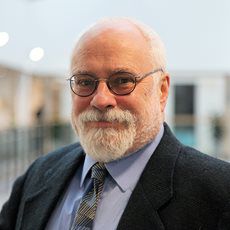
Professor Mark NK Saunders is a distinguished academic at the University of Birmingham, serving as Professor of Business Research Methods within the Department of Management at Birmingham Business School. He holds visiting professorships at the Universities of Pretoria, Mälardalen, Surrey, and Worcester, reflecting his international academic standing. Education: PhD in Geography (1986) PGCE (1982) MSc in Urban Studies (1981) BA in Geography and Soft Systems (1980) Mark Saunders' research is centered on research methodology, particularly participant selection and methods for understanding organizational relationships. His work extends to human resource aspects of organizational change, with a focus on trust and organizational learning, as well as the success factors of small and medium-sized enterprises (SMEs). He is also deeply engaged in pedagogic practice, textbook writing, and the supervision of doctoral students. His extensive publication record includes over 150 research articles and book chapters, with recent works exploring themes such as social entrepreneurial identities in later life, trust dynamics in consulting, and the impact of generative AI on human resource management. His research is frequently published in top-tier journals like the British Journal of Management , Human Relations , and the International Small Business Journal . Scientific Awards and Fellowships: Fellow of the Academy of Social Sciences (2019) Fellow of the British Academy of Management (2014) British Academy of Management Medal for Leadership Fellow of the First International Network for Trust Fellow of the Chartered Institute of Personnel and Development (2006) Fellow of the Higher Education Academy (2007) Mark Saunders is a dedicated mentor and advisor, actively supervising doctoral students and contributing to doctoral capacity building. He has co-authored and edited over 30 books, including the highly influential Research Methods for Business Students , which is currently in its 9th edition. He holds significant editorial responsibilities as a consulting editor for the International Journal of Management Reviews and as an associate editor (Methodology) for the Human Resource Management Journal . His work is supported by his active involvement in key academic networks, including the British Academy of Management’s Research Methodology Special Interest Group, where he serves as Co-Chair, and the European Foundation for Management Development Doctoral Programmes Conference Committee.

Gemma Wilson-Menzfeld is an Associate Professor in Ageing and Digital Living at Northumbria University. Her research focuses on psychosocial well-being in ageing populations, digital inclusion, and social participation. She leads the Ageing Veterans and Military Families research theme within the Northern Hub for Veterans and Military Families’ Research. Previously, she held roles as Vice Chancellor’s Research Fellow and Senior Fellow in Applied Health at Northumbria University. Dr. Wilson-Menzfeld completed her PhD in Psychology at Teesside University in 2014, funded by the Medical Research Council. Her methodological expertise spans qualitative and mixed-methods approaches, including visual research methods. She actively collaborates with academic, third-sector, and SME partners on research projects addressing social isolation, digital exclusion, and veterans' health. Key achievements include Chartered Health Psychologist status (BPS) and Fellow of the Higher Education Academy (FHEA). She has led projects such as ‘Reducing loneliness in veterans treated for PTSD’ (£70k grant) and supervises PhD students like Mary Moreland. Professional activities include invited talks at the House of Lords and presentations on loneliness across lifespans. Her work bridges academic research with real-world impact, addressing critical issues in healthcare access, military family support, and aging populations’ digital engagement. Current affiliations include Northumbria University’s Coach Lane Campus West, Room D202.

Ratko Radakovic is an Honorary Lecturer at the Norwich Medical School, University of East Anglia, specializing in clinical and neuropsychological research. His work focuses on cognitive and behavioral impairments in neurodegenerative conditions like motor neuron disease and amyotrophic lateral sclerosis (ALS), emphasizing their impact on quality of life and caregiver burden. Doctorate in Clinical Psychology, University of East Anglia PhD in Psychology, University of Edinburgh MSc in Human Cognitive Neuropsychology, University of Edinburgh BSc (Hons) in Psychology, University of Hull Radakovic’s research explores neuropsychiatric symptoms, demotivation/apathy, and cognitive dysfunction in neurological and psychiatric conditions. He designs assessments for cognitive functioning and behavioral symptoms, aligning his work with UN Sustainable Development Goals related to health and wellbeing. His publications highlight interdisciplinary trends, including Neurology , Neuropsychology , and Quality of Life Research . Recent studies address apathy progression in ALS, cross-cultural validation of cognitive screens, and behavioral impacts on patient wellbeing. ENCALS Young Investigator Award 2024 UEA Ken Laidlaw Prize for Research Excellence 2023 Radakovic collaborates with institutions like the Alzheimer Scotland Dementia Research Centre and the Centre for Cognitive Ageing and Cognitive Epidemiology (CCACE). He has contributed to a project on the clinical impact of apathy in motor neurone disease, funded by MND Scotland (2017–2020).

Eilis Hannonمشاهده پروفایل
دانشیار
Eilis Hannon is an Associate Professor in Bioinformatics at the University of Exeter Medical School and leads the Complex Disease Epigenetics Group. She holds a prestigious 5-year EPSRC Research Software Engineering Fellowship and serves as Assistant Director for Education in the Institute of Data Science and Artificial Intelligence, driving initiatives in reproducible research and data science education. Education: BSc in Mathematics, Cardiff University (2010) PhD in Bioinformatics, Cardiff University Centre for Psychological Medicine and Clinical Neurosciences (2014) Her research integrates statistical genetics, epigenomics, and bioinformatics to investigate molecular mechanisms in schizophrenia, bipolar disorder, and neurodegenerative diseases. She develops novel computational methods for analyzing DNA methylation dynamics across the lifespan and cell-type-specific epigenetic changes in brain disorders, with strong emphasis on open science and reproducible research practices. Recent publications demonstrate her leadership in multi-omics integration, particularly in cell-type-specific epigenetic epidemiology, biomarker development for neurological conditions, and methodological advances in long-read sequencing. Her work spans psychiatric disorders, Alzheimer's disease, and ALS, consistently linking genetic risk variants to functional epigenetic consequences through innovative analytical frameworks. Scientific Awards: EPSRC Research Software Engineering Fellowship NARSAD Young Investigator Award Alan Turing Pilot Project award Alzheimer's Society PhD studentship Software Sustainability Institute fellowship Alan Turing Institute Skills Policy Award As an educator, she directs the Coding for Reproducible Research training programme and mentors over 20 PhD students. She has secured substantial funding from MRC, NIA, ARUK, and the Brain and Behaviour Research Foundation, serving as PI on the EPSRC Fellowship and co-applicant on multiple international grants. Her leadership extends to the MRC GW4 Biomed DTP and the MSc module Statistics for Health and Life Sciences. She co-leads the Exeter Brain Health Analytics network within the NIHR Exeter Biomedical Research Centre and the Institute for Data Science and Artificial Intelligence, fostering cross-disciplinary collaborations in neurogenetics and computational biology.
Eric French is a Professor at the University of Cambridge, specializing in economics of household behavior over the lifecycle, intergenerational transfers, pensions policy, and health economics. His work examines how public and private pensions influence savings and labor supply, alongside the impacts of health and health insurance on medical spending and economic security in aging populations. His research spans applied econometrics, with recent publications focusing on dementia burden projections in China, gender conformity effects on later-life outcomes, and end-of-life medical expenditure dynamics. Articles highlight cross-national comparisons (US vs UK), policy evaluations, and longitudinal analyses of aging populations. While no formal awards or advisees are listed in the provided data, his work engages deeply with retirement incentives, wealth distribution, and health policy frameworks. Affiliation with institutions like the University of Michigan Retirement and Disability Research Center is evident through collaborative publications.

Dharmi Kapadiaمشاهده پروفایل
مدرس ارشد
Dr. Dharmi Kapadia is a Senior Lecturer in Sociology at The University of Manchester, specializing in racism, health inequities, and ethnic minority mental health. She holds a PhD in Social Statistics from the University of Manchester and has extensive research experience in ethnic inequalities across healthcare, employment, and aging populations. Her work is affiliated with the ESRC Centre on Dynamics of Ethnicity (CoDE) and the Synergi Collaborative Centre. Education: BSc, MSc, PhD in Social Statistics (University of Manchester) Research interests include access to mental health services for ethnic minorities, racism's impact on mental health, and ethnic disparities in employment and aging. She leads/co-investigates projects funded by the Nuffield Foundation and ESRC, including studies on racial discrimination during the pandemic and ethnic inequalities in later life. Her research outputs span over 50 publications, focusing on topics like racial discrimination pathways, mental health disparities, and data quality in health records. Awards include the 2023 Outstanding Teaching Commendation and the 2022 Sociology Public Engagement Prize. Key Projects: 'Ethnic Inequalities in Later Life' (Nuffield Foundation), 'Ethnic and Racial Inequality in a Time of Crisis' (ESRC) Kapadia collaborates with institutions like the Cathie Marsh Institute and Manchester Institute for Collaborative Research on Ageing. Her future work emphasizes addressing systemic racism in healthcare and policy interventions for marginalized communities.
Arlene Caseyمشاهده پروفایل
دانشگاهی
Arlene Casey is a Vivensa Foundation Senior Research Fellow at the Usher Institute within the University of Edinburgh 's College of Medicine and Veterinary Medicine. With over 18 years of industry experience in pharmaceutical research and a PhD in Natural Language Processing (NLP) from Edinburgh (2020), she specializes in developing algorithms for responsible use of unstructured health data in secure environments. Roles: NLP Programme Lead and Principal NLP Data Scientist at DataLoch Education: B.Sc (Hons) in Mathematics for Business Analysis, M.Sc (Distinction), PhD in NLP Her research focuses on applying NLP and machine learning to uncover hidden patterns in clinical free-text data, particularly for understanding aging, mental health, and risk indicators. Current projects include: Proleptic Fellowship with Dunhill Medical Trust (2023-2028, £292,090): Improving prediction models for later-life syndromes SARA Project (2023, £478,762): Risk assessment in clinical free-text De-identification of narrative EHRs (2022-2023, £170,000) She leads the MSc Data Science for Health and Social Care program and actively supervises postgraduate students. Awards include the Scottish Health Innovation Conference Best Oral Presentation (2023) and Alan Turing enrichment funding (2022).

Dr. Clare Andrews is a Lecturer in Psychology at the University of Stirling. Her research focuses on animal behavior, developmental biology, and stress physiology, particularly in European starlings and burying beetles. She investigates how early-life experiences influence adult behavior, physiological stress responses, and aging processes. Her work bridges evolutionary biology, ecology, and psychology, exploring topics such as food insecurity effects, decision-making under environmental pressures, and the biological underpinnings of aging. Her research employs experimental approaches to study stress physiology, metabolic adaptations, and cognitive behaviors in avian species. Key themes include the impact of early adversity on later-life traits, the interplay between biological aging and stress resilience, and the evolutionary implications of parental care strategies. Recent studies have expanded into societal policy analysis regarding animal welfare, such as frameworks for assessing dog laws in the UK. Andrews has published extensively on topics ranging from energy allocation strategies in birds to the insurance hypothesis of human obesity. Her work frequently integrates field observations with controlled laboratory experiments, emphasizing translational insights for both animal welfare and human health contexts. Her collaborative projects with institutions like the University of Newcastle and Edinburgh have explored telomere dynamics, neuroendocrine systems, and behavioral ecology. While no specific grants or awards are listed, her publications demonstrate sustained engagement with high-impact journals in behavioral ecology and animal welfare science.
Russell Warhurstمشاهده پروفایل
استاد مدعو
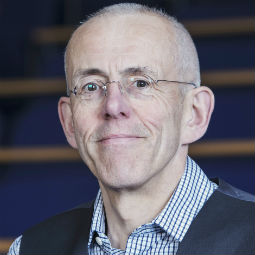
Russell Warhurst is an Adjunct Professor at Northumbria University, with additional roles at the Institute of International Trade and Law (Moscow) and Aalto University Business School (Finland). He holds a PhD from 2006 focusing on workplace learning. His career spans academic roles at Newcastle Polytechnic, Leeds Business School, and the University of Chester, alongside industry experience with BMW-Rover Group and public-private partnerships. Research interests include workplace learning, leadership development, organizational learning, and later-career dynamics. Key themes in his work address identity formation through reflection, HRD (Human Resource Development) frameworks, and well-being in professional contexts. Recent publications (2021-2025) emphasize identity-theory applications, later-career inclusion, and educational methodologies in HRM. He co-edits books on managerial identities and contributes to journals like Studies in Higher Education and Human Resource Development Review . Currently supervising two PhD students examining millennial leadership and workplace learning in the Nigerian Air Force. Academic qualifications include a CIPD Chartered Membership and a PGCert in Research Methods.
Professor Catherine Hennessy is a social gerontologist and the Professor of Ageing at the University of Stirling's Faculty of Social Sciences. She holds degrees in anthropology (BA, MA), public health (MPH, DrPH from the University of California, Berkeley). Her research focuses on healthy ageing, care delivery, rural ageing, family caregiving, civic engagement, and dementia. She has over 30 years of experience in the U.S. and U.K., including roles at the CDC and leadership in UK Research Council-funded initiatives. She currently directs the MSc Gerontology and Global Ageing program. Education: BA and MA in Anthropology MPH and DrPH from University of California, Berkeley (1991) Research interests bridge individual and community perspectives on ageing, with a focus on digital health interventions (e.g., GOALD project), intergenerational collaboration, and reducing social isolation through technology. She has contributed to policy and practice via initiatives like the Growing Older Programme and UK National Collaboration on Ageing Research. Scientific Awards: Fellow of the Gerontological Society of America Advising and Grants: Her work spans interdisciplinary projects, including studies on military spouses' adaptability and rural connectivity, funded by UK Research Councils. She collaborates with stakeholders in designing technology to enhance older adults' physical and social well-being. Labs/Teams: She leads the Dementia & Ageing research group at the University of Stirling, fostering interdisciplinary approaches to ageing challenges.