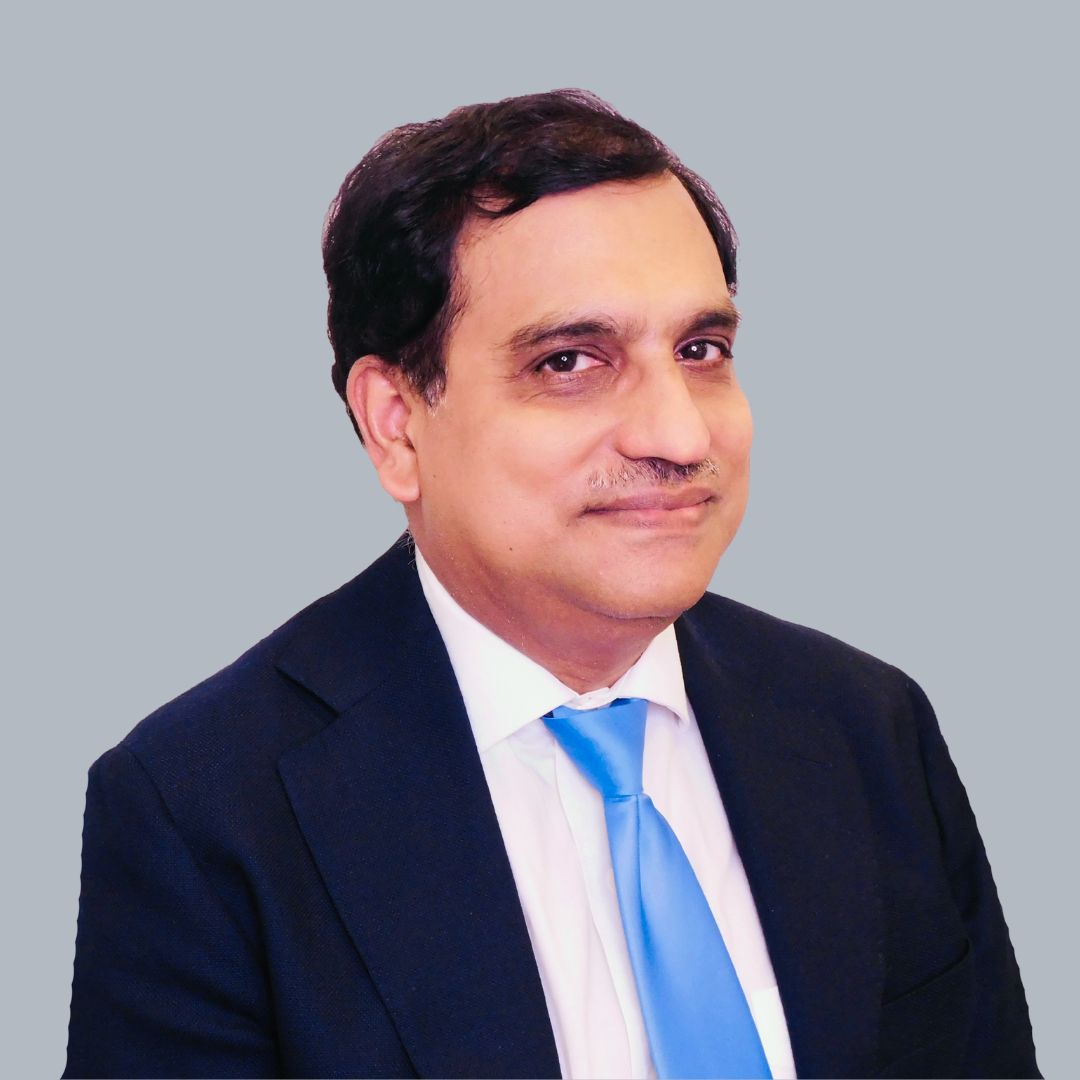
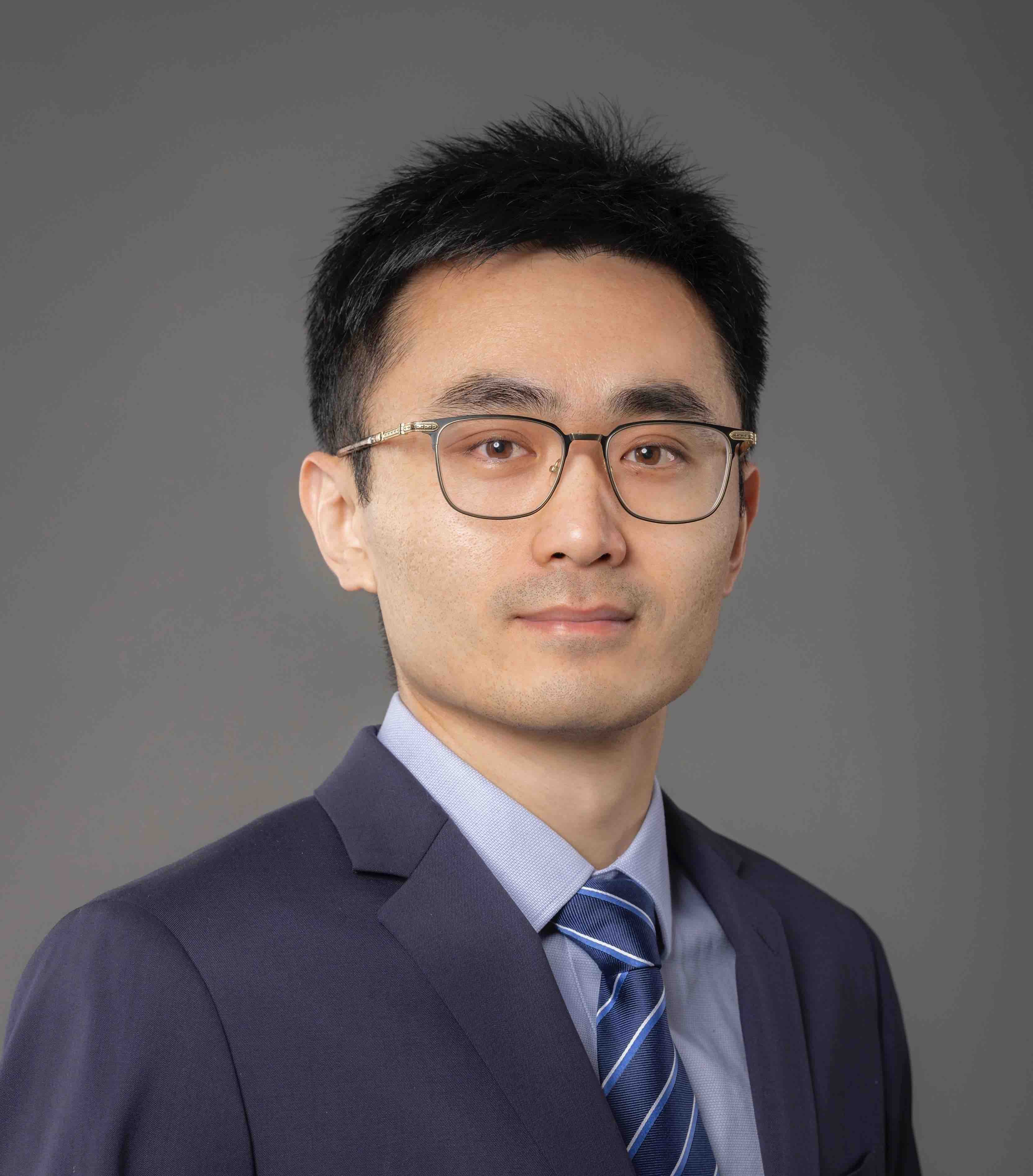
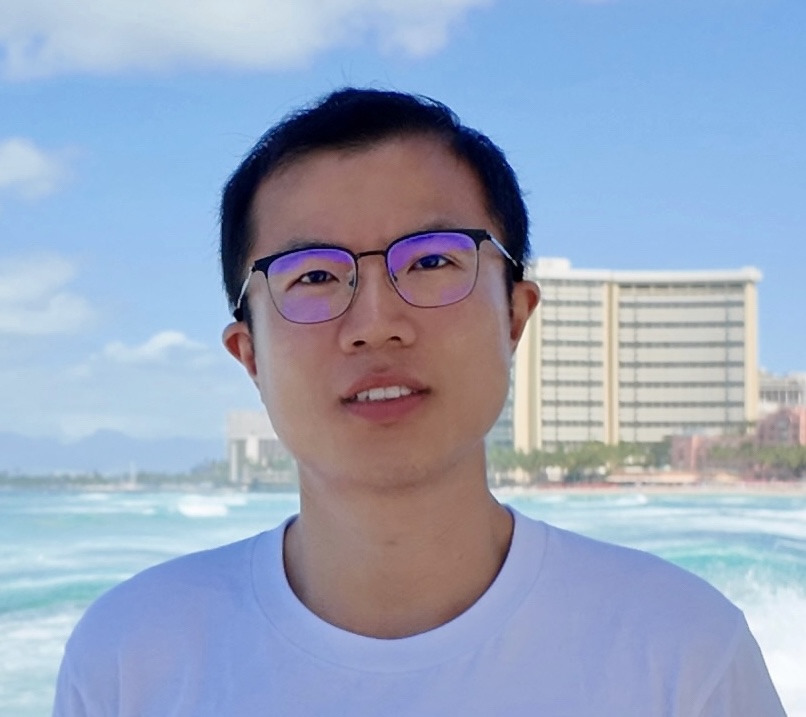
Marcelo Orias, MD, PhD, is an Adjunct Associate Professor affiliated with the Yale Institute for Global Health and the Department of Internal Medicine at the Yale School of Medicine. His research focuses on hypertension, nephrology, and global health initiatives, particularly in Latin America. He holds a MD from the National University of Córdoba (1987) and a PhD from the University of Córdoba (2003). Key projects include leading the HEARTS Initiative in Argentina to standardize hypertension control in primary care and contributing to international guidelines on antihypertensive medication timing and sodium intake policies. He has received the Teacher of the Year Award (2021) and serves as a representative for the Latin American Society of Nephrology. His recent publications emphasize global health policy, clinical trials for anemia treatments, and evidence-based hypertension management. Collaborations include work with the World Hypertension League and Resolve to Save Lives.
Le Khanh Ngan Nguyen is a Chancellor’s Fellow and Lecturer in the Department of Management Science at the University of Strathclyde. Her research focuses on hybrid simulation models (system dynamics, agent-based, and discrete-event) to evaluate health and social care policies. Previously, she conducted systems thinking research at University College London. She holds a PhD from the University of Strathclyde (2022), a Master of Public Health from the University of Sydney, and a Bachelor of Pharmacy. Research Interests: Combining simulation techniques like system dynamics and agent-based modeling to enhance decision-making in healthcare systems. Specializes in hybrid models for evaluating interventions against healthcare-associated infections and pandemic responses (e.g., COVID-19). Key Focus Areas: Healthcare Policy, Sustainability, Pandemic Modeling, Infection Control UN SDG Contributions: Aligns with goals related to Good Health & Well-being and Sustainable Cities Recent work highlights include analyzing kidney replacement therapy policy in Thailand using causal loop diagrams and exploring unsustainable pressures in UK health systems via qualitative system dynamics. Her research bridges operational research with real-world policy implementation challenges. Recent Awards: Finalist for 2022 EURO Prize for OR in Common Good, SBS Knowledge Exchange Award (2023) Collaborations involve projects on data value chains for evidence-based policymaking and collaborative research cultures in academia. Active in conferences like the Royal Statistical Society Conference (2025) and workshops on occupational health innovations.
Robert S. Laramee is a Professor at the University of Nottingham (previously at Swansea University), specializing in visualization research. His work focuses on data visualization, scientific visualization, and computational fluid dynamics. He has authored over 170 publications in top journals like IEEE Transactions on Visualization and Computer Graphics, Computer Graphics Forum, and IEEE Computer Graphics and Applications. Research Interests: His research spans information visualization, flow visualization, visual literacy, and educational aspects of visualization. He emphasizes practical applications in fields like healthcare, digital humanities, and computational science. Recent Trends: Recent work includes studies on treemap literacy, educational frameworks for visualization, and interactive systems for clinical data. He has also contributed to visualization resources and surveys, aiming to bridge academic and industry needs. Grants & Collaborations: Collaborations include projects on visualization for smart cities, protein-lipid interactions, and quantum chromodynamics data analysis. No specific grant details are provided in the text. Labs & Teams: Affiliated with visualization research groups at Nottingham and Swansea, though specific lab names are not mentioned.
Dr. Maryam Roudbary is an Adjunct Senior Lecturer at the Westmead Clinical School, part of the Sydney Medical School, University of Sydney. She joined the Sydney Infectious Diseases Institute (Sydney ID) in 2023 as a researcher affiliated with the University of Sydney and employed by NSW Health and Research Network as a Senior Researcher in Mycology. Previously, she served as an Associate Professor at Iran University of Medical Sciences (2015–2022), leading research projects and supervising Master’s and PhD students in medical mycology and fungal infections. Her PhD in Medical Mycology focused on antifungal resistance mechanisms and new therapeutic strategies. Current research priorities include developing novel antifungal agents against drug-resistant fungi, understanding resistance mechanisms, and addressing challenges outlined in the WHO’s 2022 Fungal Priority Pathogen List. She is an editor for several mycology journals and co-authored The Book of Fungal Pathogens (2022). Roudbary’s work spans epidemiological studies, clinical sampling, and collaborations in One Health AMR initiatives. She leads projects on fungal diversity exploration (e.g., Vietnam citizen science initiatives) and evaluates natural compounds (e.g., thymus extracts, nanoparticles) for antifungal efficacy. Recent grants include a 2025 project on antifungal peptide-based therapeutics. Her research emphasizes biofilm formation in filamentous fungi, Candida species pathogenesis, and fungal co-infections in immunocompromised patients, including those with severe COVID-19. Key findings include the prevalence of azole-resistant Candida species in Iran and the role of gene expression (e.g., CDR1 , HWP1 ) in drug resistance. Roudbary’s contributions include over 100 peer-reviewed articles, grants focusing on antifungal innovation, and active roles in international mycology networks. She bridges clinical and research domains through translational studies targeting critical fungal health challenges.
Liuping Wang is a Professor in the School of Electrical and Computer Engineering at RMIT University, Australia, since 2007. He serves as Head of Discipline for Electrical Energy and Control Systems since 2005 and teaches Advanced Control Systems (EEET 2100) and Real Time Estimation and Control (EEET 2221). Current academic rank: Professor Location: City Campus, Australia Industry collaborators: ANCA, Australian Power Academy, Advanced Manufacturing CRC His research interests span: Control Theory with applications to UAVs and industrial processes Development of Model Predictive Control systems System Identification using neural networks Robust Control for constrained systems Control of AC motors and power electronics Applications in biomedical research and food process monitoring The 15 most recent publications (2015-2025) demonstrate expertise in: UAV control systems with segmented surfaces Battery condition monitoring for electric vehicles Mult-agent robotics with coordination algorithms Smart grid security and electricity dispatch GPS-denied localization for mobile robots Disturbance observer control with input constraints As a supervisor, he oversees Masters Research and PhD projects but no specific student names are listed. His email is liuping.wang@rmit.edu.au for collaboration or supervision inquiries.
Andrea Iannelli is a Tenure-Track Assistant Professor at the Institute for Systems Theory and Automatic Control (IST) , University of Stuttgart, Germany. He also serves as a faculty member of the International Max Planck Research School for Intelligent Systems (IMPRS-IS) and participates in the Cluster of Excellence Data-Integrated Simulation Science (SimTech) . His research focuses on reconciling model-based and data-driven approaches for robust and adaptive control of uncertain dynamical systems. Ph.D. : Control and Dynamical Systems, University of Bristol (UK), 2019 Postdoctoral Researcher : ETH Zürich (Switzerland), 2019–2022 Harnessing the intersection of control theory, optimization, and machine learning , Iannelli’s work addresses data-driven modeling, uncertainty quantification, and robust control with applications in energy systems, intelligent transportation, and industry 4.0 . His recent publications highlight trends in LPV frameworks, online convex optimization, and hybrid control systems , emphasizing safety and efficiency. He contributes to the academic community as an Associate Editor for the International Journal of Robust and Nonlinear Control and as a member of international conference IPCs. His group, Trustworthy Autonomy for Smart Adaptive Systems (TASAS) , mentors PhD students in projects spanning adaptive control, uncertainty quantification, and reinforcement learning .
Abhik Roychoudhury is a Provost's Chair Professor of Computer Science at the National University of Singapore (NUS), leading the Trustworthy and Secure Software (TSS) research group since 2001. His work focuses on automated program repair, software testing, security, and agentic AI. He is a Senior Advisor at SonarSource following the acquisition of his startup AutoCodeRover. He holds an ACM Fellowship and has received the ICSE Most Influential Paper Award for program repair research. Education: M.S. and Ph.D. in Computer Science from State University of New York at Stony Brook (1997-2000). Research interests include program analysis, software security, and AI-driven software engineering. His team has pioneered techniques like SemFix and Angelix for program repair, and AFLNet for protocol fuzzing. He has served as editor-in-chief of ACM TOSEM and conference chair for ICSE and FSE. Awards include the NUS Outstanding Graduate Mentor Award (inaugural recipient) and IEEE New Directions Award. His work bridges academia and industry, with contributions to projects like the DesCartes initiative for critical urban systems. Key collaborations include Microsoft on API repair and IBM on AI research centers. His recent focus includes agentic AI for software engineering, reflected in AutoCodeRover's acquisition by SonarSource.
Nuno Pinto is a Senior Lecturer in Urban Planning and Urban Design at the University of Manchester's School of Environment, Education and Development. He holds a PhD in Planning from BarcelonaTech (Spain) and a Civil Engineering degree from the University of Coimbra (Portugal). Previously, he held academic positions at the University of Coimbra and served as a Researcher at the Polytechnic Institute of Leiria. His research focuses on quantitative approaches to urban planning, including decision support systems, urban simulation, integrated transport planning, and big data applications. He is particularly known for his work on cellular automata models and agent-based simulations in urban policy analysis. Nuno has secured significant funding, including a £663k EPSRC grant for the 'Resilience Beyond Observed Capabilities Network+' and a £19k Turing-Manchester grant for VR analytics in digital twins. Teaching expertise spans data science applications in planning, GIS, and decision-support methods across multiple master's programs. He advises on PhD topics combining quantitative methods with Iberian/Latin American urban contexts. Nuno is a Fellow of the Higher Education Academy and recipient of the 2011 Breheny Prize for outstanding urban planning research. Notable projects include 'Synthetic Cities' digital twin frameworks, peri-urban climate change analyses (PERI-CENE), and cross-border collaborations like the FAPESP-University of Manchester initiative. Current research explores smart city strategies in Latin America and carbon accounting systems. Supervised over a dozen PhD students, including works on mobility decision systems, metropolitan data analytics, and serious gaming for urban participation. Active in professional networks such as the COST TU1408 Air Transport and Regional Development initiative.
Tim J. Nye is an Associate Professor in the Department of Mechanical Engineering at McMaster University's Faculty of Engineering. He holds a Ph.D. in Mechanical Engineering (1997) from the University of Waterloo, following an M.Sc. (1989) at Ohio State and B.A.Sc. (1987) at Waterloo. His research focuses on applying operations research techniques to manufacturing systems, with specific expertise in optimization algorithms for sheet metal processes, hydroforming reliability, and adaptive control in forging. Education: Ph.D. Mechanical Engineering, University of Waterloo (1997) M.Sc. Mechanical Engineering, Ohio State (1989) B.A.Sc. Mechanical Engineering, University of Waterloo (1987) Research interests span multiple dimensions of advanced manufacturing: developing decision models for production investment, creating novel lot-sizing algorithms incorporating work-in-process costs, exact solutions for 2D nesting problems, and agent-based systems for reliability prediction using warranty data. His work bridges theoretical operations research with practical metal forming applications. Recent publications demonstrate consistent contributions to manufacturing optimization, with particular focus on stamping processes, sheet metal design, and hydroforming reliability. These align with McMaster's research clusters in Advanced Materials & Manufacturing and Infrastructure. Scientific awards include the 2002 CSME Best Student Paper competition win for machine vision research with S. Dworkin. He maintains active collaborations with industry partners, as evidenced by his research on industry-university R&D ventures. Current projects explore intelligent open die forging as a solid freeform fabrication method, demonstrating his commitment to both traditional manufacturing improvement and emerging rapid prototyping technologies.
Dr. Tyler Hollett serves as an Associate Professor of Learning Sciences in the Department of Learning and Performance Systems at The Pennsylvania State University, contributing to the Learning, Design, and Technology program from 315 Keller Building, University Park, PA. His research champions interest-driven learning often devalued by formal institutions and neoliberal markets, investigating contexts like skateboarding, video gaming, and nature hobbies (fishing, birding). Hollett examines how passion-fueled activities generate embodied, affective learning that transcends goal-oriented education, advocating for equitable alternatives to capitalist learning trajectories. Current projects focus on intergenerational play through the FIGMENT Lab, exploring family gaming dynamics, climate engagement via outdoor hobbies, and evolving children's play across settings. Analysis of his recent publications reveals a methodological commitment to qualitative inquiry, with recurring themes of spatial-temporal rhythms, affective atmospheres, and embodied cognition. His work bridges learning sciences, critical pedagogy, and digital media studies, increasingly emphasizing intergenerational and ecological dimensions of informal learning. No scientific awards are listed in his current profile. However, Hollett actively mentors graduate students, inviting collaboration on FIGMENT Lab initiatives. His advising philosophy emphasizes rigorous scholarship within supportive, interest-driven research teams, with the FIGMENT Lab representing his current focus on family-centered learning in gaming, nature, and play contexts.
Dr. Ahmed F. Abdelghany is the Associate Dean for Research and Professor of Operations Management at the David O'Maley College of Business, Embry-Riddle Aeronautical University, since January 2006. He specializes in commercial airlines, airports, big data cloud computing, business analytics, and operations research models. Prior to his academic career, Dr. Abdelghany worked in enterprise optimization at United Airlines, Chicago. Education: Ph.D. in Civil Engineering (Transportation Systems) from the University of Texas at Austin (2001) Dr. Abdelghany’s research focuses on airline network planning, flight scheduling, simulation of complex transportation systems, and NextGen air traffic management. He has authored two influential books: Modeling Applications in the Airline Industry (Routledge 2010) and Airline Network Planning and Scheduling (Wiley 2018). His publications analyze airline operations, competitive dynamics, and crowd management in transportation facilities. He teaches courses like Airline Management (BA 315) and Airline Operations & Mgmnt (BA 609), and participates in industry short courses. Dr. Abdelghany contributes to research projects such as NextGen air traffic implementation, integrated airport initiatives, and benefit-cost analysis of arrival management systems. His work bridges academic theory with real-world airline and transportation challenges.
Yan Huang is an Associate Professor in the Department of Software Engineering and Game Development at Kennesaw State University (KSU). His work bridges Federated Learning (FL) and Cybersecurity Education , with a focus on personalization and privacy in distributed systems. Research spans Machine Learning , Extended Reality (XR) , and Data Privacy . He has served as Editor of WCMC and Program Co-Chair for CyberSciTech 2020-2024. Research Trends: Recent publications emphasize Federated Learning for non-IID data, VR-based Cybersecurity Education , and Privacy-Preserving Algorithms in IoT and social media analytics. Key subfields include personalized learning architectures, graph learning, and game-theoretic privacy frameworks. Scientific Awards: Excellent Paper Award (Tsinghua Science and Technology, 2021) Best Paper Award (Future Generation Computer Systems, 2019) Best Paper Awards at IEEE SmartWorld 2021, COCOA 2019, and WASA 2019 Grants: Led over $600,000 in NSF and NSA-funded projects, including VR cybersecurity education for K-12 and XR engineering curricula. His lab recruits VR/AR Research Assistants via industry partnerships.
Derek T. Robinson is an Associate Professor at the University of Waterloo's Department of Geography and Environmental Management , specializing in land-use science, agent-based modeling, and geospatial analysis. His work integrates GIS, ecological models, and human decision-making to assess impacts of land policies on ecosystem services and human well-being. Research Interests : Land-use/cover change and carbon cycle dynamics Agent-based modeling of socio-ecological systems Exurban land management and fragmentation Ecosystem service quantification Land policy scenario analysis Teaching : Courses in spatial analysis, advanced GIS, and land-use-carbon interactions. His lab utilizes cutting-edge tools like ArcGIS, NetLogo, and UAV systems (e.g., Aeryon SkyRanger) for fieldwork and modeling.
Yan Chen is an Assistant Professor at the Virginia Tech College of Engineering , where he leads the PRIME Lab (Programming with Intelligent Machines & Environments) . His work focuses on creating interactive Human-AI systems to enhance real-time data analysis and programming education, particularly addressing barriers in collaborative learning environments. University of Toronto (Postdoctoral Fellow) University of Michigan (Ph.D., Information Science) University of Colorado, Boulder (BS/MS in Applied Math & Electrical & Computer Engineering) His research bridges Human-Computer Interaction (HCI) and Computer Science Education , with a focus on real-time data analysis , AI-driven programming assistance , and scalable learning tools . He employs LLMs and human-centered design to simplify complex computational processes, enabling data workers to detect critical patterns efficiently. Recent publications highlight trends in generative AI for education , proactive AI programming support , and collaborative analytics . Key themes include real-time classroom insights , intergenerational smartphone learning , and automated feedback systems . Scientific recognition includes: 🏆 Best Paper at L@S 2024 🏅 Best Paper Honorable Mention at CHI 2023 🏅 Best Paper Honorable Mention at UIST 2022 🏆 Best Short Paper at VL/HCC 2020 He mentors a team of PhD and MS students in projects spanning AI-assisted education, web automation, and collaborative coding tools, with active recruitment for future research directions.
Pan Xu is a tenure-track assistant professor with joint appointments in the Department of Biostatistics & Bioinformatics, Department of Computer Science, and Department of Electrical & Computer Engineering at Duke University's Pratt School of Engineering. Prior to joining Duke, he was a Postdoctoral Scholar Research Associate at the California Institute of Technology, and he earned his Ph.D. in Computer Science from UCLA. His research bridges theoretical foundations with practical applications in machine learning and artificial intelligence. Dr. Xu's research focuses on developing computationally- and data-efficient machine learning algorithms with strong theoretical guarantees, particularly in reinforcement learning, optimization, and high-dimensional statistics. His work addresses two fundamental challenges in sequential decision-making: efficient exploration with minimal interactions and robustness against distributional shifts. His research spans theoretical algorithm design, practical implementation, and real-world applications in bioinformatics and healthcare. His publication record demonstrates consistent high-impact contributions to top-tier conferences including ICML, NeurIPS, ICLR, AAAI, and AISTATS. The research trends show a progression from foundational work in non-convex optimization and multi-armed bandits toward increasingly sophisticated frameworks for robust reinforcement learning, with particular emphasis on distributional robustness, efficient exploration strategies, and practical applications. His work often bridges theoretical guarantees with empirical validation. NSF award on approximate sampling based exploration for sequential decision making Whitehead Scholar award from Duke University School of Medicine PIMCO Postdoctoral Fellowship in Data Science UCLA Outstanding Graduate Student Research Award Rising Stars in Data Science by University of Chicago Best Paper Award for Queer In AI: A Case Study in Community-Led Participatory AI at FAccT 2023 Featured Certification for Wasserstein Distributionally Robust Policy Evaluation and Learning for Contextual Bandits at TMLR Oral Presentation award at AAAI 2024 Dr. Xu actively mentors students and researchers, seeking highly motivated individuals with strong mathematical backgrounds for Ph.D. programs in Biostatistics & Bioinformatics, Computer Science, and Electrical & Computer Engineering at Duke. He has received multiple research grants including an NSF award on approximate sampling based exploration for sequential decision making. His service to the academic community includes roles as area chair for NeurIPS, ICML, ICLR, and AISTATS, as well as action editor for Transactions on Machine Learning Research. His research group develops algorithms that address fundamental challenges in sequential decision-making, with applications spanning healthcare, bioinformatics, and multi-agent systems. Current research directions include distributionally robust reinforcement learning, efficient exploration strategies, and applications of graph neural networks to biological problems.