Schahram Dustdar is a Full Professor and Head of the Distributed Systems Research Unit at TU Wien's Faculty of Informatics. His research focuses on Cloud Computing, IoT, Edge Computing, and Federated Learning. He leads projects funded by the European Commission and industry partners, including the TEADAL and INTEND initiatives. Dustdar has over 300 publications and actively contributes to conferences like IEEE Services and ACM SenSys. His work emphasizes distributed intelligence, active inference, and secure edge systems. He teaches courses on distributed systems and advanced internet computing. Notable contributions include frameworks like QEdgeProxy and PolarisProfiler for optimizing edge-cloud resource management.
Radu Grosu is a Full Professor and Head of the Cyber-Physical Systems Research Unit at TU Wien. His research focuses on modeling, analysis, and control of cyber-physical and biological systems, with applications in robotics, autonomous systems, medical imaging, and formal verification. He leads the Scuderia Segfault team for autonomous F1TENTH racing and has extensive collaborations with industry partners like TTTech Auto AG and FFG. His work integrates machine learning, control theory, and formal methods to address challenges in safety-critical systems and autonomous decision-making. Roles: Full Professor, Head of Research Unit, Faculty Council Substitute Member Affiliations: TU Wien, Scuderia Segfault, Austrian Science Fund (FWF) projects Research interests span cyber-physical systems (CPS), cardiac-cell networks, genetic regulatory networks, and AI-driven solutions for healthcare and manufacturing. He has pioneered methods in neural circuit policies, flocking control, and real-time reinforcement learning. His projects include EdgeAI for embedded systems, radiation treatment optimization in glioblastoma, and autonomous vehicle testing frameworks. Key contributions include: Developing Lagrangian reachability analysis for safety verification Advancing neuromorphic IoT architectures and sensor networks Creating tools like DeepSTL for translating requirements into specifications Grants include FFG-funded projects on autonomous driving examiners and energy-efficient neuromorphic systems. His work bridges theoretical foundations with practical implementations in CPS resilience, medical diagnostics, and industrial automation.
Luca Di Stefano is a Post-Doc Researcher at Technische Universität Wien (TU Wien) since March 2024. His research focuses on the specification and verification of complex collective systems like multi-agent systems and robot swarms, using formal methods such as model checking and reactive synthesis. He works on online formal techniques including runtime monitoring. Research Interests: Software verification Model checking Multi-agent systems Formal semantics Process calculi Reactive synthesis Static analysis Recent Article Trends: His work spans formal verification of reconfigurable systems, emergent behavior in collective systems, and synthesis techniques for infinite-state models. Keywords include Agent-Based Modelling, Formal Methods, Temporal Logic, and Runtime Monitoring. Thesis Supervision: He supervises BSc and MSc theses at TU Wien, with Ezio Bartocci as main advisor. Examples include "Type checking a novel language for reconfigurable multi-agent systems" (Benjamin Stolz, 2025) and "Evaluating in-memory caching strategies" (Love Lyckaro, 2023). Teaching: He teaches courses like "Scientific Research and Writing" and "GPU Architectures and Computing" at TU Wien, and has served as teaching assistant for concurrent programming courses at University of Gothenburg and Chalmers. Labs & Projects: He contributes to tools like LAbS (attribute-based stigmergy language), SLiVER (verification tool), R-CHECK (model checking for reconfigurable systems), sweap (symbolic reactive synthesis), and pyxmv (Python interface for nuXmv).
Jie He is a PreDoc Researcher at the Department of Cyber-Physical Systems, Technische Universität Wien. His research spans computational social choice, algorithmic game theory, and formal methods in robotics and IoT systems. He works on multidisciplinary problems involving complexity analysis, fair division, and preference modeling. Current projects: EdgeAI (2022–2025), TAIGER (2023–2027), ADEX (2020–2024) Key collaborations: Research with R. Grosu, E. Bartocci, D. Nickovic Research interests focus on computational aspects of collective decision-making , including fair division, matching problems, and preference modeling. He works on both theoretical foundations (e.g., parameterized complexity) and practical applications (e.g., robotic-IoT systems). His publication history reveals deep expertise in computational complexity of social choice problems, with recent work on 3D stable roommates , fair division in graph-structured settings , and preference modeling through Euclidean and Manhattan geometries. As an advisor, he supervised diploma theses on: Optimization strategies for 5G transceivers Dynamic object detection in multi-agent systems His work appears in top conferences like ACM/IEEE DAC, ICSE, and various computational social choice venues.
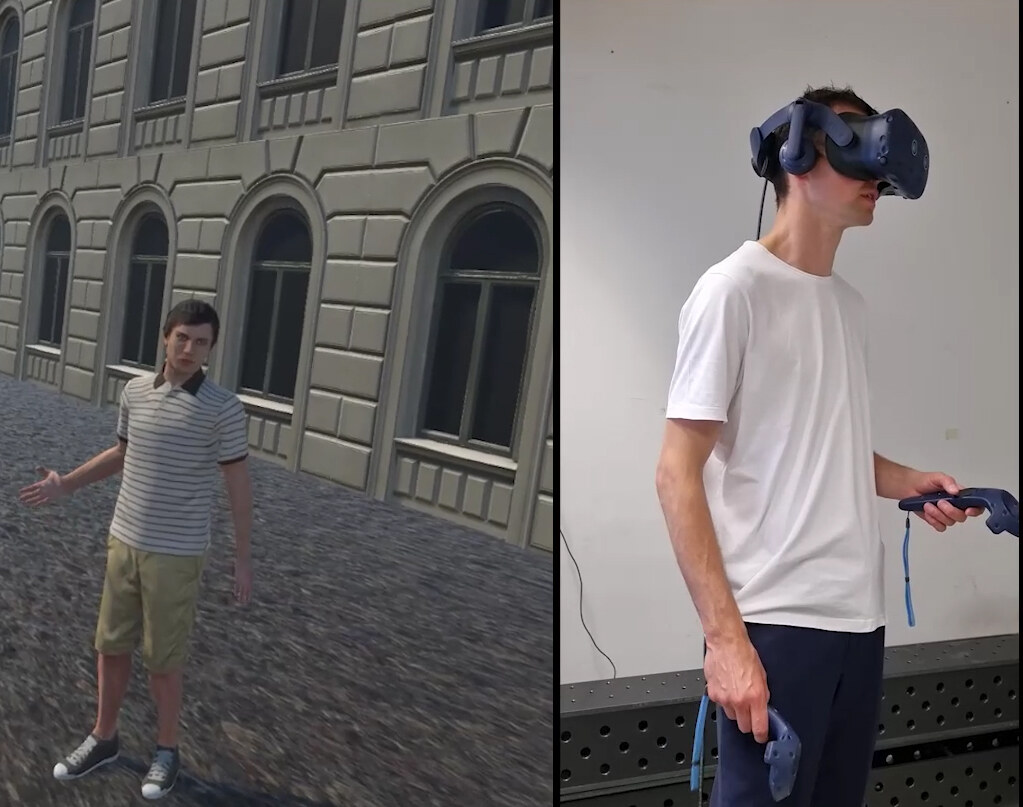
Peter Kán serves as a Senior Scientist at TU Wien's Faculty of Informatics, Institute of Visual Computing and Human-Centered Technology. He manages the Mixed Reality Laboratory and teaches multiple courses including Mixed Reality Lab (193.169), PhD Seminar (193.083), and various Project courses in Computer Science and Visual Computing. PhD in Computer Science from TU Wien Research on High-Quality Real-Time Global Illumination in Augmented Reality His research spans photorealistic rendering, augmented and virtual reality systems, automatic 3D content generation, and embodied conversational agents. Current projects include RE:STOCK INDUSTRY (2024–2027), Circular Twin (2022–2025), and VR Tennis Trainer (2020–2022), funded by FFG and WWTF. His work integrates deep learning with real-time rendering for applications in industrial design, sports training, and accessibility solutions for deaf and hard-of-hearing users. Recent publications demonstrate strong focus on procedural building design, motion analysis, and accessibility interfaces. Key trends include embodied conversational agents with situation awareness, multi-objective optimization for industrial buildings, and haptic feedback systems. His research bridges computer graphics, human-computer interaction, and practical applications in architecture and healthcare. Peter Kán has received research funding from Austrian Research Promotion Agency (FFG) and Vienna Science and Technology Fund (WWTF) for projects including Conversational Agents (2023–2024) and Realistic Indoor Path Visualization (2016–2018). Supervised 10 theses including Tennis Motion Learning in VR (Sebernegg, 2025) and Embodied Conversational Agents (Rumpelnik, 2023) Manages Mixed Reality Laboratory focusing on photorealistic AR/VR systems Leads research teams on projects like Circular Twin and RE:STOCK INDUSTRY
Monika Henzinger is a Full Professor of Computer Science at the University of Vienna since 2009. Previously, she held faculty positions at the Ecole Polytechnique Federale de Lausanne (2005-2009) and the University of the Saarland (1999-2005). She has also worked as a Director of Research at Google Inc and as a Research Staff member at Digital Equipment Corporation . Education: Ph.D., Computer Science, Princeton University (1993) Diploma, Computer Science, University of the Saarland (1989) Her research focuses on combinatorial algorithms , data structures , algorithmic game theory , and web information retrieval , with significant contributions to dynamic graph algorithms and probabilistic verification. Her work addresses problems in sponsored search auctions, web mining, and formal verification of stochastic systems. Key trends in her publications include web algorithmics , dynamic graph processing , probabilistic verification , and online optimization . Her research has been recognized through prestigious grants like the ERC European Young Investigator Award and the NSF CAREER Award . Scientific Awards: ERC Advanced Grant (2013) Honorary Doctorate, Technical University Dortmund (2013) European Young Investigator Award (2004) NSF CAREER Award (1995) She has advised PhD students at EPFL and the University of Vienna , including Paul Dütting and Veronika Loitzenbauer . Her editorial roles include serving as Editor of EATCS Monographs in Theoretical Computer Science and on the ACM Research Highlights board. She has led projects such as the Doctoral School Computational Science and Dynamic Graph Algorithms in Directed Graphs .
György Miklós Keserű is a Full Professor at Budapest University of Technology and Economics and serves as Director of the Drug Innovation Center at the Research Centre for Natural Sciences. He has held leadership roles including Director General of the Research Centre for Natural Sciences (2013–2015) and Manager of Discovery Chemistry at Gedeon Richter Plc (2006–2012). His research focuses on drug design, drug discovery, and medicinal chemistry, with particular emphasis on GPCR pharmacology, covalent inhibitors, and fragment-based drug design. Key positions: Research Professor (since 2019), Director (since 2022) Leadership: Head of multiple research groups and academic institutions His research interests span drug design methodologies, structure-based drug discovery, and the development of novel therapeutic agents targeting cancer, viral infections, and neurological disorders. Notable contributions include the GPCRdb database and pioneering work on covalent fragment-based screening. Awards include the prestigious Széchenyi Award (2022), Denis Gabor Award (2020), and Overton and Meyer Award (2014). His work bridges academia and industry, with impactful publications in Nature Communications and Nucleic Acids Research . Advising and grants: Keserű has led major research initiatives and collaborated internationally. His labs focus on innovative drug discovery approaches, including covalent inhibitors for oncogenic KRAS and SARS-CoV-2 targets.
Jiebo Luo is a Professor of Computer Science at the University of Rochester, where he has held this position since 2014. He earned his BS and MS in Electrical Engineering from the University of Science and Technology of China (1989 and 1992) and a PhD in Electrical Engineering from the University of Rochester (1995). Prior to academia, he spent 15+ years at Kodak Research Laboratories as a Senior Principal Scientist. His research focuses on computational social science, natural language processing, digital health, computer vision, data mining, and multimedia. Dr. Luo’s work has been recognized through numerous awards, including the ACM SIGMM Technical Achievement Award (2021), Fellowships from ACM, AAAI, IEEE, IAPR, and SPIE. He has authored over 500 peer-reviewed papers, holds 90+ patents, and serves as Editor-in-Chief of the IEEE Transactions on Multimedia. He actively contributes to conference organization (e.g., ACM Multimedia, CVPR) and editorial roles for top journals. Key contributions include pioneering work in social media analytics, sentiment analysis, and digital health, as well as foundational research in multi-label classification and action recognition datasets like UCF 101. His labs and collaborations span the Goergen Institute for Data Science and the Greater Rochester Data Science Industry Consortium.
Alexander Trockenbacher is a researcher with extensive experience in molecular biology and pharmacology. His career includes postdoctoral positions at institutions like the Medical University of Innsbruck Biocenter and the Max Planck Institute for Molecular Genetics. He specializes in protein interactions, neurodegenerative diseases, and cancer research, with a focus on mechanisms underlying glucocorticoid effects and anti-leukemic therapies. His work has contributed to understanding MID1 complex dysfunction in Opitz syndrome and Parkinson's disease, as well as developing novel drug screening methods for microtubule-associated disorders. Education: Trockenbacher earned his Magister (Master of Natural Sciences) and Dr.rer.nat. (PhD) in Biology from the University of Innsbruck. His doctoral thesis characterized interaction partners of disease-relevant proteins, including those linked to Opitz G/BBB syndrome. Earlier studies included a Diploma thesis on UbcH7-interacting proteins and a Bachelor's in Biology/Zoology with a biochemistry focus. Research Interests: Molecular pathways in neurodegenerative diseases, drug discovery targeting protein interactions, calcium channel physiology, and translational research in anti-inflammatory agents. His work bridges basic science and applied pharmacology, with a focus on leveraging molecular mechanisms to develop novel therapeutic strategies. Notable Contributions: Co-developed methods for identifying small molecule inhibitors candidates targeting cancer-associated fibrolastes (1. Patents include a method for treating Alzheimer's disease using monoclonal antibodies targeting beta-amyloid plaques. His research also includes pioneering work on CRISPR-Cas9 gene editing for targeted DNA repair in neurodegenerative disorders. Recently, he explored CRISPR-Cas12a systems for programmable RNA detection in early-stage cancers. Awards: Recipient of the ÖGGGT and ÖBG Prize (2002) and the Brandl Prize (2002), recognizing contributions to molecular genetics and neurodegenerative disease research. His work on alpha-synuclein and parkin in Parkinson's disease has been widely cited in neurology literature. Supervision: Advised over 50 students on topics ranging from genome editing in agriculture to mRNA vaccine development. Current research focuses on algal-derived anti-inflammatory compounds and precision medicine applications.
Dr. Christoph Kogler MSc. BSc. is a postdoctoral researcher and lecturer at the University of Natural Resources and Life Sciences, Vienna (BOKU) and the University of Applied Sciences Campus Wien. He is affiliated with the Department of Economics and Social Sciences and the Institute of Production, Economics and Logistics, where his work focuses on logistics, supply chain and risk management, business analytics, industrial engineering, and sustainability in the bioeconomy, particularly the forestry and timber sectors. He is actively pursuing his habilitation and is recognized for his innovative teaching and research. His research interests center on sustainability research, supply chain management, risk management, agent-based and discrete event simulation, serious game-based learning, logistics, business process modeling, and transport in industrial engineering. He applies interdisciplinary methods from economics, social sciences, and computer science to promote a fair transition toward a sustainable bioeconomy. His teaching innovations have earned him nominations for the Austrian State Prize for Teaching (Ars Docendi) in 2022 and 2023, and his courses are featured in the national Atlas of Good Teaching. The recent publications and projects reflect a strong trend in using simulation technologies to enhance the sustainability, resilience, and efficiency of wood supply chains. His work emphasizes decision support systems, risk analysis, contingency planning, and educational applications of simulation in forestry logistics. He leads and contributes to multiple projects funded by FFG, the Austrian government, and Erasmus+, with a focus on digital transformation and e-learning in higher education. Fellow of the Freiburg Rising Stars Academy Fellow of the Austrian Marshall Plan Foundation Fellow of ACM/SIGSIM Nominated for Ars Docendi State Teaching Prize (2022, 2023) Recipient of Dissertation, Teaching, and Paper Awards Best Thesis Award, Karl-Franzens-University Graz (2016) Kogler advises master’s students in logistics and supply chain topics and has led numerous workshops and international symposia. He is deeply involved in academic service, serving as a reviewer for over 30 journals, editorial board member of Drewno , and active organizer and program committee member for major conferences such as the Winter Simulation Conference and International Wood Supply Game Competition. His research stays at UC Berkeley, Brno University of Technology, and the University of Freiburg highlight his international collaboration and academic leadership. He leads the project 'Serious Game-basierte and Agenten-basierte Modellierungskompetenzen für die Holzwertschöpfungskette' and contributes to several others focused on sustainable wood transport and resilient supply chain management. His work integrates serious games and simulation to train future leaders in sustainable enterprise management. He is a key figure in advancing simulation-based learning and digital transformation in academic and industrial forestry contexts.
Stefan Pitzer serves as a Research Associate at the Institute of Nursing Science and Practice, Paracelsus Medical University (PMU), where he contributes to advancing knowledge in palliative care, healthcare access, and evidence-based nursing practices. His academic profile shows consistent research productivity with publications spanning from 2014 to 2025 and involvement in multiple collaborative projects. Dr. Pitzer's research interests prominently feature Palliative Care (100% fingerprint match), Systematic Review methodologies (100%), Mixed Methods approaches (100%), and Symptomatic Treatment (100%). His work demonstrates particular expertise in identifying barriers to palliative care access in hospital settings and evaluating herbal medicine applications in long-term care environments. His recent publications (2023-2025) reveal a strategic focus on healthcare innovation through scoping reviews examining virtual agent-assisted telecare solutions and herbal medicine utilization by healthcare professionals. These works consistently address critical gaps in elderly care provision and access to specialized services. Among his notable contributions are collaborative publications on barriers to palliative care access in hospitals and comprehensive reviews of herbal medicine applications in long-term care settings. His research demonstrates strong interdisciplinary collaboration patterns, frequently working with researchers including P. Kutschar, P. Paal, and N. Nestler across multiple projects. Dr. Pitzer has been actively involved in significant research initiatives including PhideLA (Phytotherapy in Long-Term Care, 2023-2024), PiloTT-A (Pilot Testing of Virtual Telecare Technology, 2020-2022), and AM (Anima mentis mental health, 2017-2019). His project roles have evolved from contributor to project applicant, reflecting growing research leadership. His research fingerprint highlights strong connections to Herbaceous Agent (20%) and Demographic Factors (12%), indicating attention to medication management and population-specific care considerations in his work.
Sébastien Couillard-Després is a Professor and Head of the University Institute for Experimental Neuroregeneration at Paracelsus Medical Private University, Salzburg. His research focuses on neuroregeneration, neuroinflammation, and translational therapies for neurological disorders, particularly spinal cord injury and traumatic brain injury. He combines stem cell biology, nanomaterials, and computational approaches to develop novel treatments. Key areas of expertise include: Stem cell-based therapies for nervous system repair Molecular mechanisms of neuroprotection Biomaterials for tissue engineering AI-driven predictive modeling in oncology and osteoporosis He has led over 20 projects and published 239+ peer-reviewed articles. Recent work emphasizes combinatorial neuroprotection strategies and integrating radiomics with clinical data for fracture risk prediction. Active in academic leadership, he serves on the university senate and organizes international workshops.
Christian Reinhard Mayr is an Associate Professor and Privatdozent at the University of Salzburg, affiliated with the University Institute of Physiology and Pathophysiology and the Salzburg University Clinic for Internal Medicine 1. His research focuses on molecular mechanisms of biliary tract cancers, ferroptosis modulation, and drug development for gastrointestinal malignancies. He holds dual Master's degrees in Genetics and TREAT (Translational Research), and a Doctorate in Natural Sciences (Dr.rer.nat.). Education: Doctorate in Genetics, University of Salzburg (2015) Master's in Genetics, University of Salzburg (2012) Additional MSc in TREAT (Translational Research) Research interests include: Ferroptosis as therapeutic target in chondrocytes and cancer cells Development of drug conjugates for biliary tract cancers Preclinical models for cholangiocarcinoma drug screening Epigenetic therapy resistance mechanisms in lymphomas Biomarker discovery using multi-omics approaches His publications highlight contributions to cannabinoid-based ferroptosis modulation, drug conjugate pharmacology, and HDAC inhibitor mechanisms. Recent projects include investigating EZH1 as a therapeutic target and evaluating ouabain's anticancer potential. He has supervised multiple theses including studies on novel biliary tract cancer therapies, cardiovascular effects of aspirin, and psychocardiology. Active in teaching, he contributes to human medicine courses on respiratory systems and ECG analysis. Notable awards include the Christian Doppler Prize (2019) and scholarships from the Salzburg Science Foundation during his doctoral and master's studies.
Manuel Wimmer is a Professor affiliated with the Department of Business Informatics at TU Wien's Faculty of Informatics. His main research area is Model-Driven Engineering , focusing on topics such as AutomationML, Cyber-Physical Systems (CPS), and industrial standards like IEC 62264 and ISA-95. He leads the Network Lab and contributes to interdisciplinary projects involving robotics, cloud computing, and blockchain applications. Research Interests: Model Transformation, Tool Interoperability, Industrial Automation, Educational Methodologies in Software Engineering. Key Technologies: UML, ATL, OPC UA, AutomationQL. Recent work emphasizes bridging metamodeling platforms (e.g., ADOxx/EMF integration) and adapting robotic mission planning systems. He has published extensively in workshops like MDE 2023 and conferences on model-driven engineering. Teaching activities include remote-learning strategies for software engineering education, as documented in his 2021 paper. No explicit awards are listed, but his contributions to standards like AutomationML reflect industry recognition.
Oskar Elek is a freelance inter-disciplinary research engineer and Adjunct Lecturer at the University of California Santa Cruz (UCSC), Baskin Computational Media department. He holds a PhD from the Max Planck Institute for Informatics and Saarland University, and degrees from Charles University, Prague. His work bridges computational astrophysics, bio-inspired algorithms, and data visualization. Education Bc/MSc: Charles University, Prague PhD: Max Planck Institute for Informatics & Saarland University Research Interests Focuses on cosmic web reconstruction using bio-inspired models like the Monte Carlo Physarum Machine (MCPM), 3D printing applications, and computational tools for astrophysical analysis. His work integrates artificial life algorithms with complex systems simulation. Awards & Recognition Marie Sklodowska-Curie Fellowship (DISTRO ITN) Incubator Fellow, Open Source Program Office Best Paper (CESCG 2018) Labs & Collaborations Collaborates with astrophysicists on cosmic web projects and computational tools like CosmoVis and PolyPhy. Active in open-source initiatives and scientific outreach through computational art.