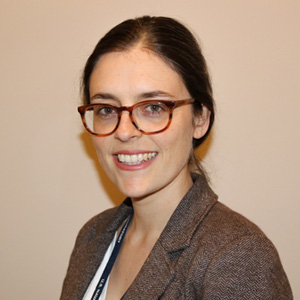
Natalie Al-Otaibi holds the position of Postdoctoral Researcher at the School of Natural Sciences. Her research focuses on structural biology and bacterial macromolecular assemblies, particularly the structure and assembly of bacterial flagella. She earned a PhD in 2021 and an MBiolSci in 2017, both from The University of Sheffield. Her work employs cutting-edge techniques such as cryo-electron microscopy to investigate flagellar biogenesis and bacterial mechanisms. Key research themes include flagellar cap dynamics, filament elongation, and the molecular basis of flagellar motor function. Recent studies explore the impact of genetic factors and environmental conditions on flagellation patterns and biofilm formation. Al-Otaibi’s publications highlight contributions to understanding protein incorporation in flagella, nutrient-dependent biofilm regulation, and structural insights into bacterial systems. She has co-authored discussions on cryo-EM sample preparation and correlative microscopy techniques, underscoring methodological advancements in structural biology.
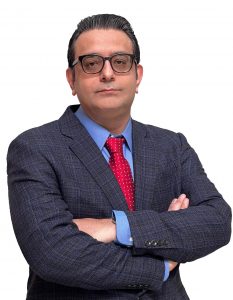
Dr. Pouya Rezai is an Associate Professor and Department Chair in the Department of Mechanical Engineering at York University's Lassonde School of Engineering. He holds a P.Eng license in Ontario and is a CSME Fellow. His research focuses on microfluidics and Lab-on-Chips (LoC), with expertise in micro/nanofabrication, bio-microelectromechanical systems, and organism-on-a-chip models for disease studies. Dr. Rezai directs the Advanced Center for Microfluidic Technology and Engineering (ACµTE) and has led collaborations with industry and academia globally. Education: BSc in Mechanical Engineering (Iran), MSc in Electrical Engineering (Sweden), PhD in Bio-Microfluidics (Canada). Awards include the CSME IW Smith Award and Ontario ERA Award. His work emphasizes developing microfluidic platforms for biomedical applications, environmental monitoring, and drug discovery. Notable projects include bacterial detection systems, microplastics extraction, and neurobehavioral studies using zebrafish and C. elegans models. Research Labs: Advanced Center for Microfluidic Technology and Engineering (ACµTE) Funding: Secured substantial external grants for H.Q.P training, patents, and publications Grants: Multiple NSERC and industry partnerships Publications span top-tier journals and conferences, with a focus on microfluidic sensors, particle sorting, and organism behavior modeling. His work bridges engineering and life sciences, addressing challenges in healthcare, environmental safety, and biomedical research.
Jeff Squier is a Professor in the Department of Physics at the Colorado School of Mines. His research focuses on advancing optical imaging and laser technologies for applications in biomedical systems, advanced manufacturing, and material science. He leads the Squier Group and the General Research Laboratory (GRL), collaborating with biologists, engineers, and physicists to develop novel instrumentation such as femtosecond laser platforms and 3D multiphoton microscopy systems. Education : PhD, University of Rochester MS and BS, Colorado School of Mines Research Interests : Development of femtosecond laser systems for precision micromachining and imaging Creation of high-resolution microscopy techniques like SPIFI (Spatial Frequency Modulated Imaging) Integration of optical technologies into additive manufacturing and material processing Biomedical applications including minimally invasive imaging and surgery Awards : University Distinguished Professor (2023) Dean’s Excellence Award Fellow, Optical Society of America Labs & Teams : Directs the Squier Group and collaborates across disciplines through the General Research Laboratory (GRL). His work bridges physics, engineering, and biology, with a focus on translational research.
Hirai Kenji is an Associate Professor at Hokkaido University's Research Institute for Electronic Science and Graduate School of Information Science and Technology, where he leads research in nanomaterials, photonics, and strong coupling phenomena. He also holds a Visiting Associate Professor position at National Yang Ming Chiao Tung University's Department of Applied Chemistry in Taiwan. His interdisciplinary work bridges chemistry, materials science, and photonics to develop novel functional materials and devices. Ph.D. in Synthetic Chemistry and Biological Chemistry, Kyoto University (2013) Master's in Synthetic Chemistry and Biological Chemistry, Kyoto University (2010) Bachelor's in Industrial Chemistry, Kyoto University (2008) Professor Hirai's research focuses on vibrational strong coupling and polaritonic chemistry , exploring how molecules interact with optical cavities to alter chemical reactivity and material properties without external light sources. His work demonstrates that placing molecules in optical cavities creates hybrid light-matter states (polaritons) that can significantly modify chemical reactions, self-assembly processes, and crystal polymorphism. This innovative approach has opened new pathways for controlling molecular behavior at the quantum level, with applications ranging from selective chemical synthesis to advanced optical devices. His recent publications show a clear evolution toward polaritonic chemistry, with increasing emphasis on cavity quantum electrodynamics applications. The research spans from fundamental studies on vibrational strong coupling effects to practical applications in plasmonics, photonic memory devices, and biomedical sensing. A notable trend is the integration of strong coupling phenomena with nanoscale materials engineering, particularly in graphene-based systems and metal-organic frameworks. Photonics Encouragement Award, Japan Society of Applied Physics (2022) New Chemical Technology Research Encouragement Award (2020) Reaxys Ph.D. Prize 2013 Finalist Multiple poster and presentation awards at coordination chemistry and colloid science symposia Professor Hirai leads multiple significant research projects, including the JSPS Transformative Research Areas grant 'Strong Coupling at Meso-Hierarchy' (2023-2028) and the JSPS Grant-in-Aid for Scientific Research 'Enhancement of ionic conductivity using quantum optical phenomena with optical resonators' (2021-2024). He serves on the Early Career Advisory Board for ChemPlusChem and as an editor for the Japan Society of Applied Physics' Organic Molecules and Bioelectronics Division. His international collaborations span institutions in Belgium, the United States, and Taiwan, reflecting the global impact of his research in cavity quantum electrodynamics and materials chemistry. His laboratory at Hokkaido University focuses on developing experimental platforms for studying strong coupling phenomena at multiple length scales, from single molecules to mesoscale assemblies. The research group combines expertise in nanofabrication, optical spectroscopy, and materials synthesis to create novel photonic and electronic devices based on quantum optical effects.
Mahshid Ahmadi is an Associate Professor in the Department of Materials Science and Engineering at the University of Tennessee, College of Engineering. Her research focuses on AI-driven materials discovery, high-throughput synthesis of optoelectronic materials, and hybrid perovskite design for sustainable energy solutions. PhD, Materials Science and Engineering, Nanyang Technological University, Singapore MSc, Materials Science and Industrial Metallurgy, Shiraz University, Iran BSc, Materials Science and Industrial Metallurgy, Shiraz University, Iran Ahmad's laboratory, the AHMADI Lab, pioneers automated synthesis and characterization of hybrid organic-inorganic perovskites using robotics and machine learning. Her work targets optoelectronic applications (solar cells, LEDs), radiation sensors, and environmental pollutant remediation through light-driven material innovations. Recent publications emphasize high-throughput experimental workflows, machine learning integration, and stability enhancements in halide perovskites. Collaborations with Oak Ridge National Laboratory (ORNL), Yonsei University, and Hanyang University are central to her research network. Scientific Awards 2024 Tickle College of Engineering Professional Promise in Research Award 2022 Alfred P. Sloan Research Fellow 2022 MSE Faculty Award for Excellence in Research 2021 NSF CAREER Award 2018 NSF Travel Award for Women in Engineering 2008-2012 Singapore International Graduate Fellowship Her team includes PhD candidates Jordan Marshall , Holland Hysmith , Sheryl Sanchez , and Elham Foadian , along with notable alumni such as former PhD Kate Higgins and Master’s student Amanda Heimbrook . Research grants from the National Science Foundation, Department of Homeland Security, and Alfred P. Sloan Foundation support her lab’s robotics and AI-driven discovery programs. Ahmad's lab houses advanced automation systems including Tecan and Hamilton liquid handlers, a Spinbot glovebox, and in-situ photoluminescence/absorption tools. Outreach initiatives include public education on future-generation solar cells and mentorship through Tennessee Governor’s School internships.
David Mandrus is a Professor at the Department of Materials Science and Engineering within the Tickle College of Engineering at the University of Tennessee . He also holds the Jerry and Kay Henry Endowed Professor title and is a Joint Faculty member at the Oak Ridge National Laboratory (ORNL) . His research focuses on the growth and discovery of quantum materials , particularly those with coupled magnetic and electronic transport properties , such as superconductors , thermoelectrics , multiferroics , and van der Waals magnets . Education : PhD in Physics (Stony Brook University, 1992) Professional Affiliation : Leader of the Emergent Crystalline Matter (ECM) group Collaboration with ORNL on neutron scattering and nanoelectronics Research Interests span quantum materials , including chiral magnets with exotic spin textures , topological properties , and itinerant magnets . His work often involves pressure-dependent studies , 2D materials , and heterostructures for novel electronic and magnetic phenomena . Scientific Awards include: Fellow of the American Physical Society Gordon Battelle Prize for scientific discovery Moore Foundation Materials Synthesis Investigator UT-Battelle Scientific Research Award Clarivate Analytics Highly Cited Researcher (2017–2020) Member of the Superconductor Science and Technology Advisory Board Advising includes PhD students like Brianna Musicó (2021), Amanda and Deepak Poudel (2019), with group members such as Ganesh Pokharel , Rui Xue , Nan Huang , and Matthew Cothrine . Labs and Teams : The Emergent Crystalline Matter (ECM) group at UT collaborates closely with ORNL on quantum materials synthesis and advanced characterization techniques like neutron scattering . The group investigates van der Waals magnets , kagome metals , and topological materials , with members attending workshops such as the Fundamentals of Quantum Materials Winter School at the University of Maryland.
Alex Redinger is a Full Professor in the Department of Physics and Materials Science at the University of Luxembourg, leading the Surface and Interface Physics research group. His work focuses on semiconductor surface properties for solar cells, utilizing advanced techniques like scanning probe microscopy, X-ray photoelectron spectroscopy, and luminescence methods. He teaches Solid State Physics and Science Communication in the Master of Physics program. Education: PhD in Surface Science from Rheinisch Westfälische Technische Hochschule Aachen (summa cum laude), Diplom Physiker from the same institution, postdoctoral stays at the University of Luxembourg and HZB Berlin. Research interests include semiconductor surface engineering, thin-film solar cells, and nanoscale material characterization. His publications emphasize perovskite solar cells, interface stability, and degradation mechanisms. Over 88 scientific papers have been published, with key contributions on tin halide perovskites and CIGSe materials. Key awards include the FNR ATTRACT consolidator grant (2016) supporting his research group and an outstanding publication award (2014). He has supervised five PhD graduates since 2017 and actively participates in science outreach events like Open Days and Science Festivals. Research group activities involve developing novel solar cell interfaces and improving material stability through advanced characterization techniques. Current projects explore epitaxial thin films and light-induced material modifications.
Alexey Gulyuk is a Teaching Professor in the Department of Materials Science and Engineering at North Carolina State University, affiliated with the College of Engineering. His office is located in 3002C Engineering Building I. He specializes in interdisciplinary research spanning materials science, nanotechnology, and environmental engineering, with a focus on microbial interface dynamics, desalination methodologies, and data-driven knowledge graph systems. Research interests include nanomaterial surface programming to control microbial behavior, aquaporin functionality in plant systems, and solvent-based desalination optimization. His work integrates computational methods for data unification and environmental risk analysis, particularly in groundwater treatment contexts. Recent advancements include developing the INTEGRATE-KG workflow for heterogeneous data integration and exploring gold nanoparticle design for RNA compaction applications. Publications highlight contributions to semiconductor-biofilm interactions, UV light effects on bacterial films, and plasmon-enhanced spectroscopic techniques. He has no listed scientific awards but maintains an active publication record in high-impact journals like Environmental Science & Technology , ACS ES&T Water , and Advanced Materials . While no student advisees are listed, his teaching role suggests involvement in materials science education. His research infrastructure leverages advanced microscopy and computational modeling tools within the NC State Department of Materials Science and Engineering's facilities.
Prof. Petekidis George is a Full Professor in the Department of Materials Science and Technology at the University of Crete. He holds dual affiliations with the Institute of Electronic Structure and Laser (IESL) at FORTH. His academic journey includes roles such as Adjunct Associate Professor and Marie Curie Research Fellowships in the UK and Greece. He earned his PhD in Polymer Physics from the University of Crete (1997) and a Diploma in Physics from the University of Thessaloniki (1989). His research focuses on colloidal dynamics, rheology of complex fluids, and soft matter physics. Key areas include studying colloidal glasses, gels, and their behavior under shear and confinement. He develops advanced techniques like high-frequency rheometry and combines light scattering with optical tweezers for microstructural analysis. Recent work explores rheological signatures of aging in hard-sphere colloids, tunable interactions in rod-like particles, and shear-induced structural changes in gels. His 2016 Friedrich Wilhelm Bessel Award highlights his international recognition. Research projects span industrial applications of colloidal gels and fundamental studies of material aging. He collaborates across disciplines, integrating experimental and theoretical approaches to understand non-equilibrium soft matter systems.
Hamed Dalir is an Associate Professor of Electrical and Computer Engineering at the University of Florida, serving as Area Chair for Electronics since 2025. His research focuses on Mid-IR Photonics, On-chip Light Sources, Classical & Quantum Sensors, Ising Machine, AI Accelerators, and Photonics Integrated Circuits. PD, University of California – Berkeley, USA (2016) Ph.D., Institute of Science Tokyo, Japan (2014) M.Sc., Institute of Science Tokyo, Japan (2011) PD, University of Florida (2025) Visiting Scholar, University of Texas at Austin (2025) PD, The George Washington University (2023-2025) Dr. Dalir's research bridges photonic computing, semiconductor lasers, AI hardware, and integrated sensing systems. He has over 300 peer-reviewed publications and 20 patents, with industry collaborations from TSMC, Broadcom, and Fuji Xerox. His work includes photonic neural networks, orbital angular momentum beams, and quantum sensing. The 15 most recent publications highlight trends in AI acceleration, quantum optics, and semiconductor packaging. Key themes include photonic convolutional neural networks, orbital angular momentum beam processing, phase-change materials, and advanced packaging techniques for reliability and security. His lab develops hardware-efficient algorithms and hybrid optical-electronic systems for computing and sensing. ECE Teaching Excellence Award, 2025 Best Project Collaboration Award, TSMC, 2025 ECE Faculty of the Year (Student Choice), 2024–25 Rising Star in Photonics, ACS, 2025 Stanford–Elsevier Top 2% Scientists Ranking (top 0.3% in field), 2024 IAAM Scientist Medal & Fellow, 2024 SPIE Senior Member, 2023 AFWERX Commercialization Solutions, 2022 SPIE Community Champion, 2020 IEEE/Optica Senior Member, 2018 JSPS Fellow, 2015 KAKENHI Early Investigator Award, 2014 JSPS Young Scientist Award, 2014 GCOE Golden Award, Tokyo, 2012 Yoshida Foundation Award, 2009 Dr. Dalir advises current Ph.D. students Sydney Mutchnick, Salem Altaleb, Bel Jahannia, Joseph Crandall, Abdulaziz Bazammul, and Vahid Najmi. Former advisees include Dr. Jiachi Ye (Ph.D. 2025) and Dr. Haoyan Kang (Ph.D. 2023). His lab (CHIP Lab) collaborates with institutions like TSMC and Volkswagen Group, focusing on wafer-scale fabrication, photonic neural networks, and quantum sensing.
Brett Barwick is an Associate Professor of Physics and the Harrison E. Farnsworth 1918 Endowed Chair in Physics at Ripon College. His research focuses on quantum properties of electron-light interactions, particularly using ultrafast electron microscopy (UEM). He holds a Ph.D. from the University of Nebraska-Lincoln (2007) and completed a postdoctoral fellowship under Nobel laureate Prof. Ahmed Zewail at Caltech, where he developed UEM techniques. He teaches a wide range of undergraduate physics courses, including Quantum Mechanics, and has mentored ~30 undergraduate researchers in projects related to plasmonics and ultrafast phenomena. Dr. Barwick’s research emphasizes cutting-edge imaging and control of electron dynamics at attosecond/zeptosecond scales. His work bridges quantum mechanics, optics, and nanotechnology, with applications in materials science and fundamental physics. Key contributions include advancements in electron vortex beams, plasmonic interference imaging, and attosecond coherent control. Education: B.S. Doane College (2002), M.S. & Ph.D. University of Nebraska-Lincoln (2007) Postdoctoral Training: Caltech (2007–2009) Notable Techniques: Ultrafast Electron Microscopy, Plasmonic Near-Field Control Key Projects: Studying electron-photon interactions, imaging plasmonic fields at buried interfaces His lab has produced over 40 peer-reviewed articles since 2007, focusing on ultrafast electron microscopy’s role in revealing quantum phenomena. Current research explores zeptosecond-scale electron wavefunction control and biological imaging applications of photon-induced near-field microscopy.
Torsten Wittmann, PhD, is a Professor in the Department of Cell & Tissue Biology at the University of California San Francisco (UCSF). His research focuses on understanding how the microtubule cytoskeleton governs cell polarity, migration, and division. The Wittmann Lab employs advanced fluorescent imaging techniques and develops optogenetic tools to study protein interactions at microtubule plus ends, particularly +TIP proteins like Doublecortin and EB1. Their work bridges molecular mechanisms with cellular behavior, addressing topics such as stress granule formation, lysosome pH regulation in cancer, and neurodegenerative disease pathways. Key research interests include the phosphoregulation of +TIP proteins, microtubule dynamics in growth cones, and the role of microtubules in innate immunity. The lab’s methodologies include live-cell imaging, biosensor engineering (e.g., pHLARE for lysosome pH), and optogenetic systems to manipulate intracellular processes. Notable contributions include insights into TRIM1-LRRK2 interactions in Parkinson’s disease and neurotoxic microglia in TDP-43 proteinopathies. Publications span high-impact journals like Nature , Current Biology , and Cell Host & Microbe , reflecting interdisciplinary approaches to cell biology and disease mechanisms. The Wittmann Lab actively develops novel tools, such as light-sensitive EB1 variants and protein nanocages, to probe cellular systems in real time.
Louise Hirst is a Professor of Materials Physics at the University of Cambridge, jointly appointed with the Cavendish Laboratory. She is affiliated with the Department of Materials Science & Metallurgy, where she leads research in advanced photovoltaics for space applications. Education: BSc, MSc, PhD (Imperial College London) Her research focuses on III-V semiconductor photovoltaics, particularly ultra-thin ( Recent publications highlight her work on radiation resilience, light management via nanophotonic structures, and quantum confinement effects. Her research group, Space Photovoltaics, addresses challenges in high-efficiency solar cells for satellites, deep-space missions, and unmanned vehicles. Key research themes include: Ultra-thin III-V solar cells with intrinsic radiation tolerance Quantum well architectures for hot-carrier energy conversion Advanced light-trapping techniques using sub-wavelength structures Material characterization via photoluminescence and electron microscopy Her group's work spans device physics, nanoscale alloy engineering, and scalable fabrication methods for extreme environments.
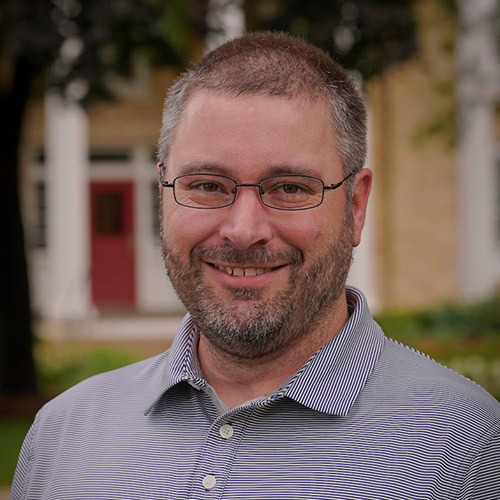
Carl Franck is an Associate Professor of Physics at Cornell University, affiliated with the College of Arts and Sciences. He has maintained a continuous faculty position since 1982, progressing from Assistant Professor (1982-1988) to Associate Professor (1988-present), with a Visiting Professorship at the University of Bristol in 1991. His research bridges experimental physics and biological systems, employing quantitative approaches to complex phenomena. Dr. Franck's academic foundation includes: A.B. from Harvard College (1974) Ph.D. from Princeton University (1978) His research program focuses on biological physics and experimental condensed matter physics. Dr. Franck's group has pioneered the application of x-ray techniques to study photon-electron interactions and correlated electron dynamics, while simultaneously exploring microbial collective behavior—particularly Dictyostelium discoideum's transition from unicellular to multicellular life. His laboratory employs microfluidic technology, light scattering experiments, and advanced microscopy to quantify cellular signaling processes and population dynamics. The group has developed innovative automated cell counting systems and specialized equipment for measuring cell growth kinetics, contributing significantly to understanding how cells process information through chemical signaling. Dr. Franck's publication record shows consistent output across two major research domains, with recent work (2020-2022) continuing to advance both x-ray physics and microbial behavior studies. His research demonstrates a distinctive pattern of maintaining parallel investigations in condensed matter and biological physics while identifying common principles of collective behavior across different scales. His scientific contributions have been recognized through membership in the American Physical Society: Member, American Physical Society Dr. Franck has mentored an extensive network of students across multiple generations, currently advising Christopher Donohue, Rowan Hess, Yasmine Meziani, Gwendolyn Parks, and Daren Chen. His former students include Igor Segota, Elijah Bogart, Kayvon Daie, Albert Bae, and numerous undergraduate researchers who have contributed to his work on microbial signaling and condensed matter systems. His mentoring approach emphasizes interdisciplinary collaboration and the development of novel experimental techniques. The Franck Group operates at the physics-biology-engineering interface, maintaining specialized facilities for light scattering experiments and microfluidic research. The laboratory has developed unique methodologies for measuring cell population dynamics at low densities using laser-based detection systems, and continues to explore the quantitative bases of communication and computation in living matter through both experimental and theoretical approaches.
Nathan Luedtke is a Full Professor in the Department of Chemistry at McGill University's Faculty of Science. He holds a B.Sc. from the University of Washington (1997), Ph.D. from UC San Diego (2003), completed an NIH Postdoctoral Fellowship at Yale University (2003-2006), and served as Professor at the University of Zürich (2006-2019). His laboratory develops non-toxic fluorescent probes for studying nucleic acid structure and dynamics in live cells and animals. Research focuses on designing fluorophores and nucleosides through synthetic chemistry, with applications in regenerative medicine, stem cell biology, virology, and cancer diagnostics. Commercialized probes are distributed by Sigma Aldrich. Current teaching includes courses in Organic Chemistry and Advanced Nucleic Acid Chemistry. Honors include: NIH Postdoctoral Fellowship