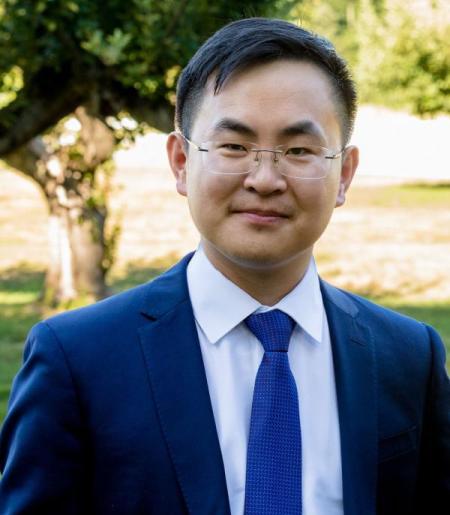
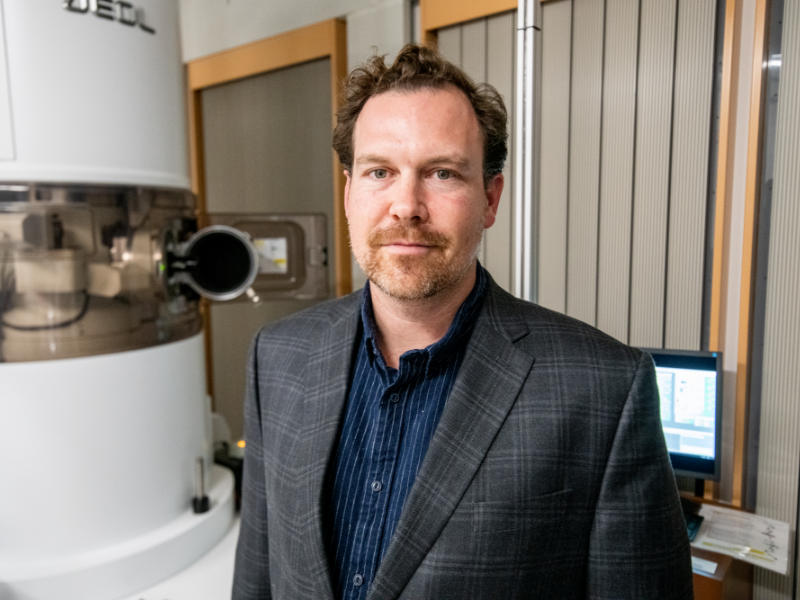
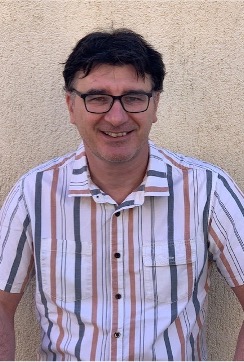
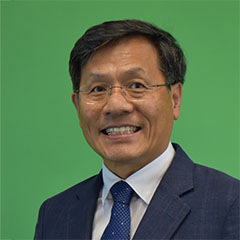
Yao Yang is an Assistant Professor in the Department of Chemistry and Chemical Biology at Cornell University's College of Arts and Sciences. His research focuses on developing multimodal operando electron microscopy and synchrotron X-ray methods to probe electrochemical dynamics at solid-liquid interfaces for energy materials. PhD, Cornell University (2021) Miller Postdoctoral Fellow, UC Berkeley (2021-2024) Research interests span fundamental electrochemistry and energy material interfaces, particularly CO2 reduction, clean H2 production, and rechargeable batteries. The Yang group specializes in operando electrochemical liquid-cell scanning transmission electron microscopy (EC-STEM) and correlative synchrotron X-ray methods at Cornell Center for Materials Research (CCMR) and Cornell High Energy Synchrotron Source (CHESS). Recent publications highlight atomic-scale imaging of catalyst dynamics, Tafel slope analysis, and epitaxial growth techniques for enhanced electrocatalysts. Articles demonstrate interdisciplinary approaches combining electrochemistry, nanoscience, and advanced characterization. Scientific Awards: 2025 ACS Materials and Interfaces Outstanding Presentations by Young Investigators Award 2024 Journal of Materials Research Distinguished Invited Speaker Miller Postdoctoral Fellowship (2021-2024) 2023 Best Early Career Presentation at MRS Spring 2022 ACS AC/DC Rising Stars in Analytical Chemistry Contact: yaoyang@cornell.edu
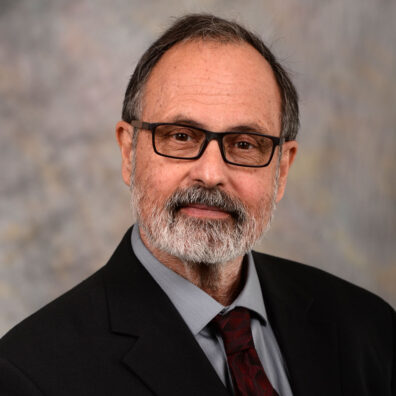
Professor K.W. Hipps is a Regents Professor of Chemistry and Materials Science and Engineering at Washington State University (WSU). He holds multiple fellowships, including those from the American Chemical Society, American Physical Society, and American Association for the Advancement of Science. His research focuses on surfaces, interfaces, and nanotechnology, utilizing advanced techniques like Scanning Tunneling Microscopy (STM), Transmission Electron Microscopy (TEM), and spectroscopy. His work explores molecular-scale processes, including surface diffusion, electron transfer, and nanoparticle properties. Education: Ph.D. in Chemical Physics from WSU (1978), followed by a postdoc at the University of Michigan. He has authored over 180 publications and received numerous awards, including the Sahlin Eminent Faculty Award and WSU Distinguished Faculty Award. Research Interests: Surface chemistry, nanotechnology, materials characterization, and molecular dynamics. His lab studies interfaces, thin films, and supramolecular assemblies using STM and spectroscopic methods. Scientific Contributions: His STM images have featured on journal covers, and his work on cobalt and copper phthalocyanines demonstrated chemical selectivity in molecular imaging. Students in his group gain expertise in microscopy, spectroscopy, and materials synthesis.
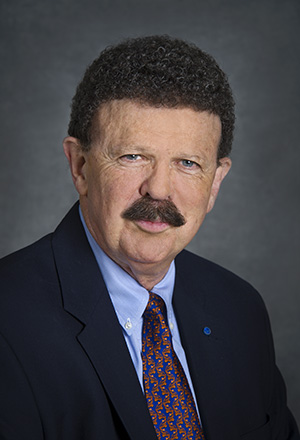
Robert O. Ritchie is the H. T. & Jessie Chua Distinguished Professor of Engineering at the University of California, Berkeley, where he holds dual appointments as Professor of Materials Science & Engineering and Professor of Mechanical Engineering. He is also a Faculty Senior Scientist at Lawrence Berkeley National Laboratory. His distinguished career spans over four decades with significant contributions to the field of materials science and engineering. Professor Ritchie received his B.A. in Physics & Metallurgy (1969), M.A. in Materials Science (1973), Ph.D. in Materials Science (1973), and Sc.D. in Materials Science (1990), all from Cambridge University, UK. His research focuses on the mechanical behavior of advanced materials, with particular emphasis on fracture mechanics, fatigue properties, and damage tolerance. Professor Ritchie's work spans multiple domains including metallic glasses, high-entropy alloys, biomaterials, and nature-inspired structural materials. His laboratory employs cutting-edge techniques such as in situ high-temperature computed tomography to study failure mechanisms in ceramic-matrix composites and nuclear graphite. His research has significant implications for aerospace, biomedical, and energy applications. Analysis of Professor Ritchie's recent publications reveals a strong focus on advanced structural materials, particularly metallic glasses and high-entropy alloys. His work combines experimental approaches with computational modeling to understand deformation mechanisms at multiple length scales. There is a clear trend toward bioinspired materials design, with several papers examining natural structures like fish scales, horn sheaths, and bone to develop new engineering materials with exceptional mechanical properties. Member, National Academy of Sciences (2025) Foreign Fellow, Academy of Athens, Greece (2024) Robert Henry Thurston Award (ASME) (2022) ASM Gold Medal (ASM Intl.) (2021) William D. Nix Medal, inaugural winner (TMS) (2020) Fellow (Foreign Member) of the Royal Society (FRS), London, UK (2017) Morris Cohen Award (TMS) (2017) Acta Materialia Gold Medal (2014) David Turnbull Award (MRS) (2013) A. Cemel Eringen Medal (Society of Engineering Science) (2010) Professor Ritchie has advised numerous graduate students and postdoctoral researchers throughout his career. His research has been supported by various funding agencies including the Department of Energy, National Science Foundation, and industry partners such as Rolls-Royce. He has served on numerous advisory boards including the Rolls-Royce Materials & Structures Advisory Board (2011-2019) and the Scientific Advisory Board of the Advanced Light Source at LBNL (2013 to date). Professor Ritchie leads the Ritchie Group at UC Berkeley, which maintains strong collaborations with Lawrence Berkeley National Laboratory. The laboratory employs state-of-the-art techniques including electron microscopy, x-ray tomography, and mechanical testing across multiple length and time scales. His team has developed innovative in situ characterization methods that have significantly advanced the understanding of material failure mechanisms under extreme conditions.
State University of New York at BuffaloUnited States
Jun Liu is an Assistant Professor in the Department of Mechanical and Aerospace Engineering at the School of Engineering and Applied Sciences, University at Buffalo. His research focuses on advanced energy materials, nano/micro-mechanics, and self-powered systems, with applications in triboelectric energy harvesting and scanning probe microscopy. Education: PhD, Materials Engineering, University of Alberta (2018) MS, Materials Science, Shanghai University (2015) BE, Materials Science and Engineering, Nanchang University (2012) Research Interests: Development of tribovoltaic and triboelectric systems for self-powered electronics Mechanical energy harvesting via dynamic heterojunctions and Schottky contacts 3D-printed hydrogel structures for energy absorption and flexible electronics Nanoscale characterization using atomic force microscopy Design of nanocomposite sensors and catalytic materials Publication Trends: His work emphasizes triboelectricity, nanoscale energy conversion, and sustainable materials. Recent articles explore bionic tactile sensing, tunable hydrogels, and quantum dynamics in sliding interfaces. Awards: SONY Faculty Innovation Award (2021) Nature Springer MINE Young Scientist Award (2020) International Contest of Applications in Nano/Micro Technology Prize (2013) Laboratory: Advanced Energy Materials and Nanomechanics Lab at University at Buffalo.
David A. Muller serves as the Samuel B. Eckert Professor of Engineering in the School of Applied and Engineering Physics at Cornell University and co-directs the Kavli Institute at Cornell for Nanoscale Science. His research group focuses on developing quantitative electron microscopy methods to understand materials properties at the atomic scale, with particular emphasis on sustainable energy applications and quantum materials. Muller's laboratory utilizes some of the world's highest resolution electron microscopes housed in specially designed, environmentally isolated rooms. Muller received his undergraduate education at the University of Sydney and earned his Ph.D. in Physics from Cornell University in 1996. Between 1997 and 2003, he was a member of the technical staff at Bell Laboratories, where he applied his expertise in imaging single atoms and atomic-scale spectroscopy to determine the physical limits of transistor miniaturization. In 2003, he returned to Cornell as a faculty member, where he has since established himself as a leader in advanced electron microscopy techniques. Muller's research spans multiple frontiers in materials science, with particular focus on understanding how electronic-structure changes at the atomic scale control macroscopic behavior in diverse systems like turbine blades, fuel cells, and transistors. His current work emphasizes the physics of renewable energy materials, atomic-scale control of materials to create electronic phases that cannot exist in bulk, and developing hardware and algorithms for 'big data' acquisition from high-bandwidth pixelated electron microscope detectors. His group's work bridges theoretical physics and experimental techniques, requiring researchers who can think in both real and reciprocal space while considering both fundamental principles and practical applications. Analysis of Muller's recent publications reveals a strong trend toward advancing electron ptychography and 4D-STEM techniques for atomic-scale imaging. His group has pioneered methods for 3D atomic-scale metrology, strain mapping, and imaging of radiation-sensitive materials. The research spans applications from semiconductor technology to quantum materials and energy storage systems, demonstrating the versatility of his microscopy approaches across multiple scientific domains. Top 100 Young Innovator by Tech Review Magazine (2003) Burton Medal from Microscopy Society of America (2006) Ernst Ruska Prize of German Society for Electron Microscopy (2021) John Cowley Medal from International Federation of Societies for Microscopy (2023) Fellow of American Physical Society Fellow of American Association for the Advancement of Science Fellow of Microscopy Society of America Muller has mentored an extensive group of students and postdocs who have gone on to successful careers in academia and industry. His former students hold faculty positions at institutions including Rice University, University of Southern California, Seoul National University, Colorado School of Mines, and the University of Michigan, among others. His research has been supported by substantial grants, including a $22.5M NSF grant that accelerates materials discovery. The Muller lab maintains close collaborations with the Kavli Institute at Cornell and PARADIM (Platform for the Accelerated Realization, Analysis, and Discovery of Interface Materials). The Muller lab operates at the forefront of electron microscopy, housing specialized instrumentation including high-resolution transmission electron microscopes in environmentally isolated rooms. The group collaborates extensively with other research teams at Cornell and worldwide, focusing on understanding materials atom by atom. Current research directions include applying machine learning to electron microscopy data analysis, developing cryogenic techniques for studying low-melting-point materials, and exploring quantum phenomena in engineered materials systems.
Xiaoqing Pan is a Professor and Henry Samueli Endowed Chair in Engineering at the University of California, Irvine, with dual appointments in the Department of Materials Science and Engineering and the Department of Physics and Astronomy. He serves as Director of the Irvine Materials Research Institute (IMRI) and the Center for Complex and Active Materials (NSF MRSEC). A renowned electron microscopy expert, Pan has developed advanced transmission electron microscopy (TEM) techniques for atomic-scale material characterization. Ph.D., Universität des Saarlandes, Germany (1991) His research focuses on atomic-scale structure-property relationships in oxide heterostructures, ferroelectrics, nanocatalysts, and 2D functional materials. Pan leads development of novel 4D-STEM and momentum-resolved vibrational electron microscopy methods to study single-atom catalysts and complex oxides. With over 400 high-impact publications in Nature , Science , and Nature Materials , his work has been recognized by major fellowships and awards from the American Ceramic Society, American Physical Society, and National Science Foundation. Pan's recent work includes: Atomic-scale analysis of grain boundary phonon anisotropy Advances in FeSe/SrTiO 3 interface electron-phonon coupling Plastic waste upcycling through carbon intermediate interception Control of metal-support interactions in photocatalysts Strain engineering in high-entropy oxide films His laboratory at UCI represents the forefront of materials characterization technology development.
Dr. Jamie Warner is a Professor and Temple Foundation Endowed Professor in the Walker Department of Mechanical Engineering at The University of Texas at Austin, leading the TMI Electron Microscopy Facility within the Cockrell School of Engineering. His research focuses on nanostructured materials, advanced transmission electron microscopy, and opto-electronic applications. Prior to UT Austin, he held a Full Professorship at the University of Oxford's Department of Materials, where he led the Nanostructured Materials Group and graduated 30 PhD students. Key roles include Director of the Texas Materials Institute and Visiting Professorships at MIT and Sungkyunkwan University. Education: PhD in Physics (University of Queensland, 2004), Postdoc (New Zealand/Australia, 2005-2006) Research Interests: Atomic-scale characterization of 2D materials (graphene, MoS₂, WS₂), electron microscopy techniques, nanoelectronic devices, and energy storage materials. His articles span advanced TEM techniques, 2D material synthesis, and opto-electronic device fabrication. Notable awards include the Royal Society University Research Fellowship (2010), ERC Consolidator Grant (2017), and ACS Nano Lectureship (2019). Awards: Fellow of the Royal Society of Chemistry (2019), Top 10 'Highly Prolific' ACS Nano Author (2018) Advising: 30+ PhD graduates, extensive postdoc and master's supervision Grants: ERC Consolidator Grant for opto-electronics, multiple industry and academic collaborations He leads the Warner Group, which operates cutting-edge facilities for electron microscopy and nanofabrication. Current projects include cryo-TEM for battery materials and single-atom catalysts.
Massachusetts Institute of TechnologyUnited States
Professor Rodrigo Freitas holds the TDK Professorship in Materials Science and Engineering at MIT. His research focuses on computational materials design, bridging atomistic simulations with mesoscale microstructural analysis. He leads the Freitas Research Group, specializing in machine learning-driven modeling of materials kinetics and solidification processes. Education: B.S. and M.S. in Physics, University of Campinas, Brazil M.S. and Ph.D. in Materials Science & Engineering, UC Berkeley Research Interests: Professor Freitas investigates microstructural evolution in metals and alloys using advanced computational methods. Key areas include solidification mechanisms, interstitial atom behavior in superalloys, and machine learning applications for materials discovery. His work emphasizes bridging atomistic and mesoscale phenomena to guide industrial applications like semiconductor manufacturing and battery design. Publications Trend: Recent work emphasizes machine learning potentials for alloy modeling, short-range order analysis in high-entropy alloys, and kinetic modeling of complex chemical systems. Themes include alloy phase stability, defect dynamics, and data-driven materials discovery. Labs/Teams: Leads the Freitas Research Group at MIT, which develops novel computational tools for materials engineering.
Julie M. Schoenung is Wofford Cain Chair III and Professor in Materials Science & Engineering and Mechanical Engineering at Texas A&M University. A National Academy of Engineering member, her research develops advanced materials including high-entropy ceramics through innovative synthesis and additive manufacturing techniques. She leads investigations into sustainable materials development for circular economy applications.
Mitra Taheri is a Professor in the Department of Materials Science and Engineering at Johns Hopkins University, serving as Director of the Materials Characterization and Processing (MCP) facility and a member of the Hopkins Extreme Materials Institute. She holds affiliations with the Pacific Northwest National Laboratory and the Ralph O’Connor Sustainable Energy Institute. Her research focuses on electron microscopy, particularly in-situ and operando techniques, combined with artificial intelligence to study materials under extreme conditions (e.g., high temperatures, radiation, and oxidation). She aims to accelerate materials discovery by integrating AI with microscopy for real-time analysis. Dr. Taheri earned her BS, MSE, and PhD in Materials Science and Engineering from Carnegie Mellon University. Her work spans corrosion-resistant alloys, additive manufacturing, quantum materials, and biomaterials. Research sponsors include PNNL, JHU, NSF, ARPA-E, and ONR. She leads the Dynamic Characterization Group (DCG), which develops autonomous platforms for materials analysis and explores applications in energy, aerospace, and medical systems. Key research areas include: Design of corrosion-resistant multi-principal element alloys AI-driven microscopy for real-time material behavior insights Additive manufacturing of soft magnetic composites for electric vehicles Biomedical hydrogels for tissue engineering Her team develops novel materials and tools to probe structural, functional, and biological systems across scales, with an emphasis on sustainability and extreme environment applications.
Laurent Bellaiche is a Distinguished Professor in the Department of Physics within the College of Arts and Sciences at the University of Arkansas. His research focuses on computational condensed matter physics with emphasis on ferroelectrics, multiferroics, and semiconductor materials. He leads the Computational Condensed Matter Physics (CCMP) Group and serves as a founding member of the Smart Ferroic Materials Center. His primary research interests include: Developing first-principles methods for predicting properties of ferroelectrics and multiferroics Investigating topological defects, spin liquids, and magnetic skyrmions Studying non-equilibrium effects for neuromorphic computing applications Optimizing electro-optic, electrocaloric, and piezoelectric effects Designing antiferroelectrics for high-energy-density applications Professor Bellaiche's recent publications (2024-2025) demonstrate significant activity in topological polar structures, skyrmion engineering, strain-induced phenomena, and computational design of functional materials. His work shows strong interdisciplinary connections between condensed matter theory, materials science, and device physics with particular emphasis on emergent topological phenomena in low-dimensional systems. Scientific awards include: Twenty-First Century Professorship in Nanotechnology and Science Education NSF CAREER Awardee Bellaiche maintains active collaborations with experimental groups internationally, particularly with CentraleSupélec in France. He is involved in innovative educational initiatives including a course titled "Thinking Outside the Box: Physics, Soccer and much more" and contributes to the Soccernostalgia podcast. His research group emphasizes both fundamental theoretical advances and practical applications in next-generation electronic and energy materials.
Inna Ponomareva is Professor and Director of Graduate Admissions in Physics at the University of South Florida. She leads the Computational Nanoscience Lab, specializing in ferroic materials using atomistic simulations and machine learning. Research explores phase transitions, nanoscale phenomena, and caloric effects in functional materials. Current group includes 4 researchers focusing on: Halide perovskite spin physics Ultra-thin ferroelectric behavior Multicaloric effects Recent publications demonstrate advances in controlling spin textures via strain and intercalation in 2D materials. Teaches quantum mechanics and computational physics courses. Recognized with SIGMOD Distinguished Reviewer Award and ELIDEK grants.
Cristian Ciobanu serves as Professor in the Department of Mechanical Engineering at Colorado School of Mines, where he has maintained continuous faculty appointment since 2004. His academic journey includes postdoctoral research at Brown University prior to joining Mines, with progressive promotions from Assistant to Associate to full Professor by 2014. Educational background: PhD in Physics, The Ohio State University (2001) MS in Physics, The Ohio State University (1998) BS in Physics, University of Bucharest (1995) His research program integrates computational and experimental approaches to address fundamental challenges in nanoscale surface physics and two-dimensional materials . Specialized expertise includes evolutionary algorithms for atomic structure optimization, development of materials for renewable energy applications, and investigation of self-organized nanostructures on crystal surfaces. Current work emphasizes machine learning applications in high-entropy alloy design and piezoelectric property engineering of layered systems. Publication trends reveal sustained focus on transition metal dichalcogenides, computational materials discovery, and piezoelectric response enhancement through alloying. Recent work increasingly incorporates machine learning for materials design while maintaining strong experimental validation through advanced microscopy and spectroscopy techniques. Key recognitions include: NSF Career Award (2009-2014) Research Excellence Award at Colorado School of Mines (2013) Fellow of the Institute of Physics (elected 2014) Ohio State Presidential Fellowship (2000-2001) Research funding has been secured through competitive mechanisms including the NSF Career Award, supporting his authorship of over 60 technical publications and a coauthored book on atomic structure determination. He actively advises graduate students in computational materials science and nanotechnology research within the Mechanical Engineering department. His scholarly activities are complemented by professional memberships in the Materials Research Society, American Physical Society, and American Vacuum Society. While specific laboratory facilities aren't detailed in source materials, his publication record indicates capabilities in computational modeling, scanning probe microscopy, and thin film characterization relevant to nanoscale materials research.
Dr. Albert Berrebi is a Professor and Vice-Chair for Research in the Department of Neuroscience at the West Virginia University School of Medicine . He also holds a faculty position at the Rockefeller Neuroscience Institute and is a member of the WVU Cancer Institute Research Programs . Research Interests: The Berrebi lab investigates the organization of neuronal microcircuits in the central auditory pathway, focusing on chemical phenotypes via immunocytochemical techniques. Their work employs: Brain microinjections for tract-tracing Electron microscopy for ultrastructural analysis In vivo extracellular recordings of auditory neurons Pharmacological receptor blocking to study inhibition Key research areas span the superior olive nuclei (MNTB and SPON), synaptic connectivity, and auditory prosthetics. Recent publications highlight studies on forward masking, postinhibitory rebound spiking, and ketamine effects. Techniques: The lab integrates anatomical, physiological, and cytological methods, including light/electron microscopy and electrophysiology. Their long-term goal is to advance understanding of auditory neural mechanisms and improve cochlear prostheses for hearing impairment.
Dr. Wonbong Choi is a University Distinguished Research Professor at the University of North Texas with joint appointments in the Department of Materials Science and Engineering and Mechanical Engineering. His research focuses on nanomaterials, energy storage systems (particularly lithium-sulfur and zinc-ion batteries), additive manufacturing of composites, and neuromorphic computing devices. He was elected Fellow of the National Academy of Inventors in 2024 for his contributions to materials innovation. Research interests span materials synthesis, electrochemical characterization, and device integration of 2D materials like MXenes and transition metal dichalcogenides. Key areas include: Nanomaterial design for batteries and supercapacitors 3D-printed sensors and structural composites Defect engineering for neuromorphic computing His recent publications highlight consistent themes in MXene synthesis optimization, advanced battery architectures, and multifunctional composites. Article trends show increasing focus on in situ characterization, scalable manufacturing of nanomaterials, and AI-driven materials design. Awards: Fellow, National Academy of Inventors (2024) Collaborates with research groups at Oak Ridge National Laboratory and leads projects on lightweight composites and energy storage systems.