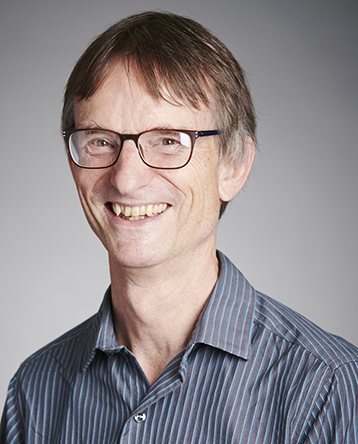
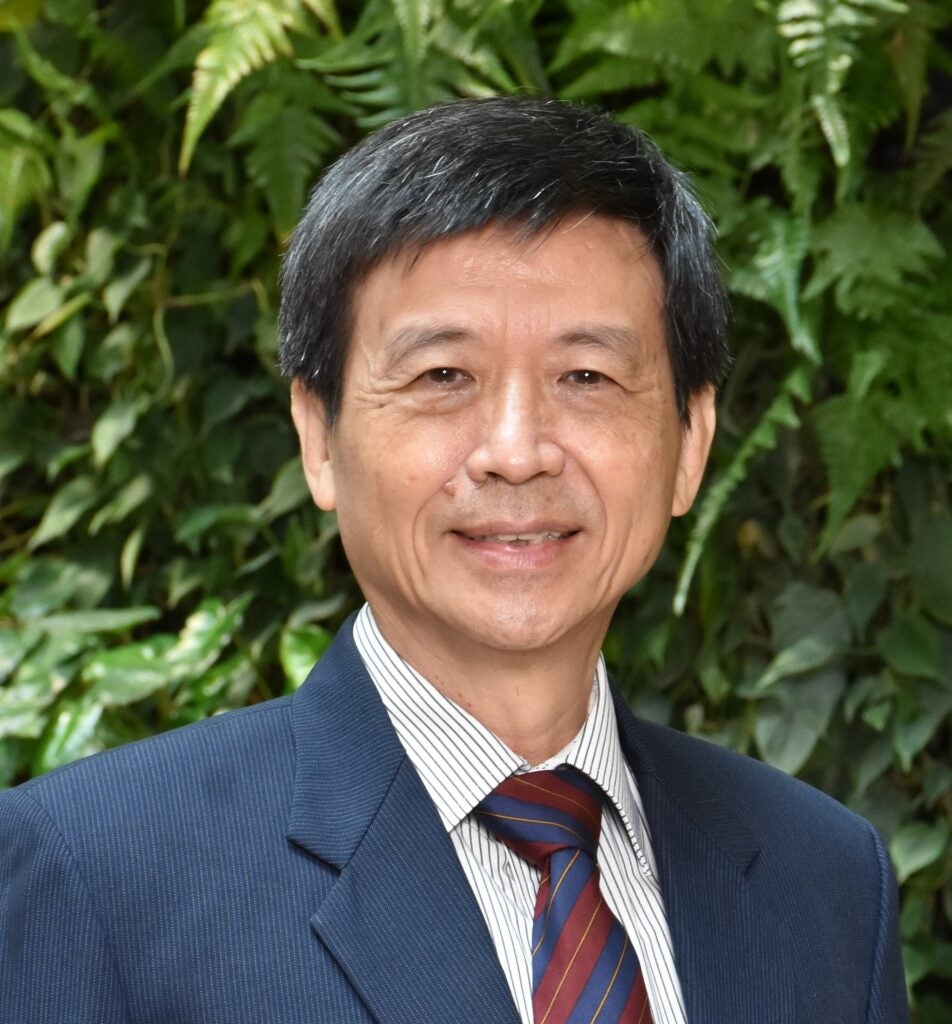
Jouni Partanen is a Professor at Aalto University's Department of Energy and Mechanical Engineering within the College of Engineering. His research focuses on advanced production technologies including Additive Manufacturing (3D-Printing), modern laser processing, and micromachining. Research Group: Materiaaleista tuotteiksi Specialization: Integration of AI in manufacturing processes Sustainability emphasis: Biochar-reinforced materials and carbon footprint reduction His work spans from fundamental material behavior analysis to industrial applications, particularly in metal additive manufacturing and composite fabrication. Recent research explores corrosion resistance in lattice structures and multiscale photopolymerization techniques. Publications highlight interdisciplinary approaches combining mechanical engineering with biomedical applications (e.g., patient-specific implants) and environmental health studies on industrial 3D printing emissions.
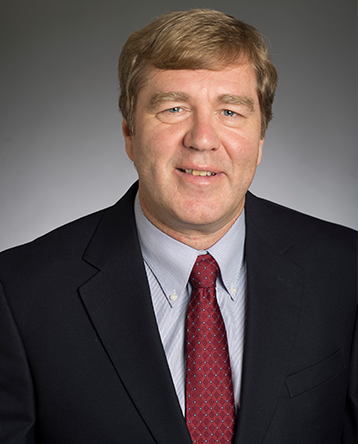
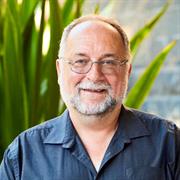
Anthony Rollett is a Professor in the Department of Materials Science and Engineering at Carnegie Mellon University , where he has been a faculty member since 1995. He serves as the Principal Investigator and Co-Director of the NASA-supported Institute for Model-Based Qualification & Certification of Additive Manufacturing (IMQCAM) and co-director of the Next Manufacturing Center . Prior to CMU, he held leadership roles at Los Alamos National Laboratory (1991-1995). Education: Ph.D., Materials Engineering, Drexel University (1987) MA, Metallurgy and Materials Science, Cambridge University (1977) Research Interests: Rollett’s work focuses on microstructural evolution and microstructure-property relationships in 3D using experiments and simulations. His expertise spans additive manufacturing , metal 3D printing , materials for energy systems , grain growth , recrystallization , and stereology , with techniques like high-energy diffraction microscopy (HEDM) and dynamic x-ray radiography (DXR) . Scientific Contributions: He has over 320 peer-reviewed publications and an h-index >80 . His recent articles highlight machine learning for laser processing , fatigue analysis of additively manufactured alloys, and design optimization for heat exchangers in supercritical CO2 and solar thermal applications . Scientific Awards: Fellow of ASM International (1996) Fellow of the Institute of Physics (UK) (2004) Fellow of The Minerals, Metals & Materials Society (TMS) (2011) Cyril Stanley Smith Award (TMS, 2014) Member of Honor, French Metallurgical Society (2015) US Steel Professor (2017) Francqui International Professor (2020-2021) International FAME Award (2023) Leadership & Impact: Rollett co-led the development of a NASA Space Technology Research Institute for additive manufacturing and established a new master’s program in additive manufacturing (2018). His research group is funded by industry , federal agencies , and Pennsylvania state grants . He also serves on the Basic Energy Science Advisory Committee and Defense Programs Advisory Committee for the Department of Energy.
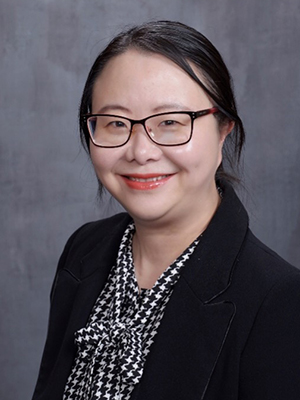
Dr. Ling Yin is an Associate Professor in the School of Electrical and Mechanical Engineering at the University of Adelaide, Faculty of Sciences, Engineering and Technology. She joined the University of Adelaide in 2018 as an Associate Professor in manufacturing and served as Faculty Research Theme Leader in Advanced Manufacturing from 2019 to 2022. Dr. Yin leads multi-institutional projects on advanced manufacturing funded by Defence SA (2024-2025) and the National Health and Medical Research Council (NHMRC) (2025-2028). Dr. Yin's educational background includes B.Sc., M.Sc., and Ph.D. degrees in mechanical engineering from Huazhong University of Science & Technology in Wuhan, China. Her academic career spans five countries across three continents, including positions at Tianjin University in China, Kumamoto University in Japan, Kansas State University in the USA, the Australian National University and James Cook University in Australia, the National Institute of Standards & Technology (NIST) in the USA, and A*STAR Singapore Institute of Manufacturing Technology (SIMTech) in Singapore. Dr. Yin's research focuses on manufacturing and mechanical characterization of advanced materials with applications in optics, semiconductors, mechanical structures, dental restorations, osteoporosis/osteoarthritis studies, and marine/animal sciences. Her work involves extensive collaborations across multiple disciplines. Her recent publications demonstrate expertise in ultrasonic vibration-assisted machining of dental ceramics, particularly zirconia and lithium silicate glass-ceramics, as well as advanced characterization techniques like micro-CT and in-situ SEM testing for understanding material behavior at micro and nano scales. JSPS Invitation Fellowship from the Japan Society for the Promotion of Science Japanese Government Scholarship from the Ministry of Education, Culture, Sports, Science and Technology, Japan Supervisor for a PhD Thesis cum laude with a Medal of Excellence awarded by James Cook University in 2017 Supervisor for a Best Honours Project in Mechanical Engineering at Ingenuity awarded by the University of Adelaide in 2023 Dr. Yin is actively involved in supervising higher degree research students and has available PhD projects in 2025 focused on ultrasonic-vibration assisted manufacturing techniques for dental applications. She has successfully led international academic delegations through the New Colombo Plan to manufacturing facilities in Singapore and Japan. Dr. Yin is a senior member of the North American Manufacturing Research Institution (NAMRI) and the Society of Manufacturing Engineers (SME), and also a member of several professional organizations including ASME, OSA, American Ceramic Society, ASM International, and SPIE.
Giuseppe Carlo Marano is a Full Professor at the Department of Structural, Building and Geotechnical Engineering at Politecnico di Torino. He is also a component of the SISCON Interdepartmental Center for Infrastructure Safety. With expertise in civil and structural engineering, his work focuses on machine learning applications, seismic risk reduction, and sustainable structural optimization. Education Graduated cum laude in Structural Engineering from Polytechnic University of Bari PhD in Structural Engineering from University of Florence (2000) Research Interests Marano's research spans structural optimization, seismic engineering, and machine learning applications in civil infrastructure. He develops advanced computational models for: Seismic retrofitting of existing structures Optimization of steel and masonry structures Recycled materials in concrete production AI-driven structural health monitoring Multiobjective design methodologies Publication Trends His recent work emphasizes: Machine learning for concrete mix design and damage assessment Optimization of gridshells and arch structures Seismic isolation systems and vibration control Sustainable construction practices with recycled materials Multiobjective genetic algorithms for structural design Scientific Recognitions National Scientific Qualification - First Band (2013, MIUR Italy) Certificate of Appreciation for Outstanding Lecture (2012, China) Academic Contributions As an educator, he teaches: Consolidamento Strutturale (Structural Consolidation) Dinamica delle Vibrazioni Random (Random Vibration Dynamics) Progettazione Generativa (Generative Design) He also leads Challenge@PoliTo initiatives and contributes to national infrastructure safety regulations. Research Projects ADAPT4CE - Adaptive Digital Systems for Circular Economy (2025-2028) AI-ENVISERS - AI for Seismic Retrofit Environmental Impact (2023-2025) ADDOPTML - Additive Manufacturing Optimization (2021-2025)
Jack Beuth is a Professor of Mechanical Engineering at Carnegie Mellon University (CMU), affiliated with the College of Engineering. He has been on the faculty since 1992 and leads the NextManufacturing Center, focusing on additive manufacturing (AM) research. His work emphasizes process mapping for AM, material science, and machine learning integration in manufacturing processes. Key affiliations include the Engineering Research Accelerator and the Manufacturing Futures Institute. Education: Ph.D. in Engineering Sciences, Harvard University (1992) M.S. in Engineering Sciences, Harvard University (1989) M.S. in Engineering Science and Mechanics, Virginia Tech (1987) B.S. in Engineering Science and Mechanics, Virginia Tech (1984) Research Interests: Additive Manufacturing (process modeling, material characterization, and defect analysis) Melt pool dynamics and thermal modeling Machine learning for process optimization and quality control Advanced materials for AM (e.g., Ti-6Al-4V, Inconel 718) His research has led to innovations like 'process map' approaches for AM, enabling better control over variables such as melt pool geometry and microstructure. Awards and Recognition: Ralph R. Teetor Educational Award (1998) George Tallman and Florence Barrett Ladd Development Professorship (2000) ASME Curriculum Innovation Award (2005) Benjamin Richard Teare Teaching Award (2009) Grants and Collaborations: $3.5M cooperative agreement with the U.S. Army Combat Capabilities Development Command’s Army Research Laboratory (ARL) for AI-driven AM process optimization. Collaborations with Westinghouse Electric Company on 3D-printed nuclear components, such as spacer grids for pressurized water reactors. Labs and Teams: NextManufacturing Center: A research hub for AM innovation, emphasizing industrial partnerships and applied research. Beuth’s Additive Lab: Specializes in melt pool analysis, process mapping, and material behavior under AM conditions.
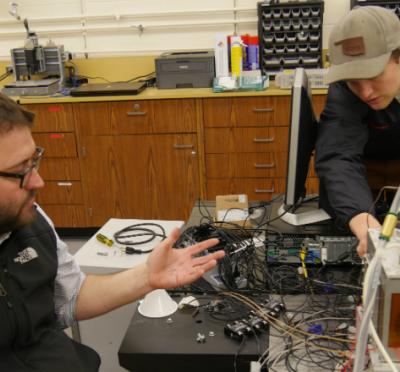
Joshua Gess is an Associate Professor in the Mechanical, Industrial, and Manufacturing Engineering department at Oregon State University's College of Engineering. He joined Oregon State in 2015 and serves as a co-principal investigator at the Enhanced Heat Transfer Laboratory, where he leads research in thermal management solutions for high-performance microelectronics. His educational background includes: PhD, Mechanical Engineering, Auburn University, 2015 MS, Mechanical Engineering, Auburn University, 2012 B.E., Mechanical Engineering, Vanderbilt University, 2005 Before academia, he worked as a mechanical engineer at SSOE Group (including consulting for Johns Manville) and Northrop Grumman where he focused on military communication equipment. Professor Gess specializes in advancing thermal management solutions for high-performance microelectronic equipment. His research spans multiple scales, examining single and two-phase heat transfer on the macro-scale with passive and active liquid immersion techniques, as well as on the micro and nano scale for complex embedded thermal management solutions. He combines fundamental heat transfer knowledge with novel experimental methods such as two-phase PIV and high-speed image capture to develop reliable and energy-efficient cooling solutions for demanding electronics systems. His publication record demonstrates a clear trajectory toward increasingly sophisticated thermal management solutions, with recent work focusing on additive manufacturing applications for cooling systems, semiconductor thermal management, and nuclear reactor cooling systems. His research has significant implications for data center energy efficiency, where even small improvements in cooling efficiency could save enormous amounts of energy that could be returned to the grid. Gess is deeply committed to mentoring graduate students, emphasizing the practical applications of engineering principles. He attributes his interest in engineering to childhood influences like the movie RoboCop and the TV series MacGyver, and finds the reality of engineering work just as gratifying as he'd imagined. He particularly values the moments when his graduate students "get it" and watching them grow with each new accomplishment. As a person with a disability himself, Gess is passionate about establishing more robust support systems for people with disabilities at Oregon State. He is working with the School of Public Health to start an adaptive sports program, with the goal of building infrastructure that allows anyone to feel welcome and pursue advanced degrees at the university.
Dr. Qian Shunzhi is an Associate Professor and Program Director for the Bachelor of Engineering (Civil) at NTU's School of Civil and Environmental Engineering. He holds a PhD from the University of Michigan (2007), with prior faculty experience at Southeast University (2009-2013) and postdoctoral research at TU Delft (2007-2009). His research focuses on advanced construction materials like Engineered Cementitious Composites (ECC), self-healing concrete, and 3D-printable concrete, alongside life cycle assessment of infrastructure. Key interests include sustainable materials, CO2 sequestration, and material durability. Education: Bachelor's: Southeast University (Nanjing, 1998) Master's: Chinese Ministry of Transport Highway Research Institute (Beijing, 2001) PhD: University of Michigan (Ann Arbor, 2007) Research Interests: Novel cementitious composites for infrastructure resilience Recycled materials in construction 3D printing applications in concrete Material lifecycle analysis Notable contributions include bacterial encapsulation for self-healing, graphene-enhanced antibacterial surfaces, and CO2 sequestration via reactive materials. His work bridges material science, sustainability, and advanced manufacturing techniques.
Dr. Robert O’Connor is an Assistant Professor at the School of Physical Sciences, Dublin City University (DCU) , specializing in interface chemistry and thin film characterization. His work bridges semiconductor physics and energy harvesting technologies , with a focus on materials like high-κ dielectrics and III-V substrates. BSc in Applied Physics (2001), DCU PhD in Semiconductor Physics (2005), DCU His research employs X-ray photoelectron spectroscopy (XPS) and atomic layer deposition (ALD) to study material interfaces in devices such as MOSFETs and photoelectrochemical systems . He leads a 4-year SFI-funded project on solar water splitting for hydrogen fuel and collaborates with Trinity College Dublin (SPOKE project) and IMEC, Belgium on area-selective deposition techniques. His lab utilizes a state-of-the-art integrated ALD-XPS tool . His scientific awards include the Marie Curie Intra-European Fellowship , Irish Research Council EMBARK Fellowship , and SFI TIDA Award . Publications span high-κ dielectrics , self-assembled monolayers , and block copolymer lithography , with recent work on graphene oxide heterostructures and recyclability in additive manufacturing . He supervises 5 postgraduate students and teaches modules like Final Year Project (PS451) and Solid State Physics I (PS204) . Collaborations include institutions such as IMEC and Trinity College Dublin , with tools like the integrated ALD-XPS system at DCU.
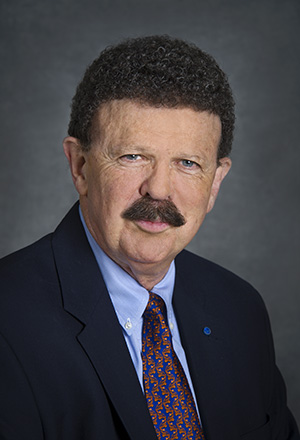
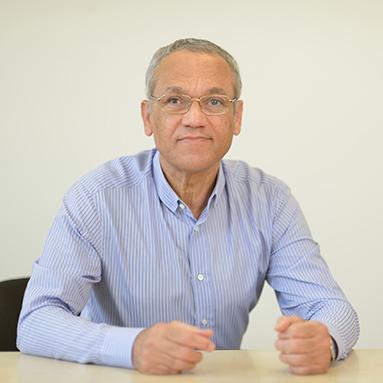
Robert O. Ritchie is the H. T. & Jessie Chua Distinguished Professor of Engineering at the University of California, Berkeley, where he holds dual appointments as Professor of Materials Science & Engineering and Professor of Mechanical Engineering. He is also a Faculty Senior Scientist at Lawrence Berkeley National Laboratory. His distinguished career spans over four decades with significant contributions to the field of materials science and engineering. Professor Ritchie received his B.A. in Physics & Metallurgy (1969), M.A. in Materials Science (1973), Ph.D. in Materials Science (1973), and Sc.D. in Materials Science (1990), all from Cambridge University, UK. His research focuses on the mechanical behavior of advanced materials, with particular emphasis on fracture mechanics, fatigue properties, and damage tolerance. Professor Ritchie's work spans multiple domains including metallic glasses, high-entropy alloys, biomaterials, and nature-inspired structural materials. His laboratory employs cutting-edge techniques such as in situ high-temperature computed tomography to study failure mechanisms in ceramic-matrix composites and nuclear graphite. His research has significant implications for aerospace, biomedical, and energy applications. Analysis of Professor Ritchie's recent publications reveals a strong focus on advanced structural materials, particularly metallic glasses and high-entropy alloys. His work combines experimental approaches with computational modeling to understand deformation mechanisms at multiple length scales. There is a clear trend toward bioinspired materials design, with several papers examining natural structures like fish scales, horn sheaths, and bone to develop new engineering materials with exceptional mechanical properties. Member, National Academy of Sciences (2025) Foreign Fellow, Academy of Athens, Greece (2024) Robert Henry Thurston Award (ASME) (2022) ASM Gold Medal (ASM Intl.) (2021) William D. Nix Medal, inaugural winner (TMS) (2020) Fellow (Foreign Member) of the Royal Society (FRS), London, UK (2017) Morris Cohen Award (TMS) (2017) Acta Materialia Gold Medal (2014) David Turnbull Award (MRS) (2013) A. Cemel Eringen Medal (Society of Engineering Science) (2010) Professor Ritchie has advised numerous graduate students and postdoctoral researchers throughout his career. His research has been supported by various funding agencies including the Department of Energy, National Science Foundation, and industry partners such as Rolls-Royce. He has served on numerous advisory boards including the Rolls-Royce Materials & Structures Advisory Board (2011-2019) and the Scientific Advisory Board of the Advanced Light Source at LBNL (2013 to date). Professor Ritchie leads the Ritchie Group at UC Berkeley, which maintains strong collaborations with Lawrence Berkeley National Laboratory. The laboratory employs state-of-the-art techniques including electron microscopy, x-ray tomography, and mechanical testing across multiple length and time scales. His team has developed innovative in situ characterization methods that have significantly advanced the understanding of material failure mechanisms under extreme conditions.
LU Wen Feng is an Adjunct Associate Professor in the Department of Mechanical Engineering at the National University of Singapore (NUS), affiliated with the College of Design and Engineering. His research focuses on advanced manufacturing technologies, including additive manufacturing, robotics, and AI-driven systems. He explores sustainable design methodologies, smart manufacturing innovations, and bioprinting applications. Key areas include optimizing material processes, enhancing mechanical properties of printed materials, and developing autonomous robotic solutions for industrial tasks. Contact: mpelwf@nus.edu.sg , located at E3-02-07. Research Interests : His work bridges AI and manufacturing, emphasizing Knowledge graph integration for additive manufacturing, Autonomous robotic systems in industrial settings, Bioprinting for tissue repair with smart bioinks, Topology optimization for lightweight and sustainable structures, Material characterization and process engineering for 3D-printed composites. Recent Article Trends : LU Wen Feng's 2025 articles highlight advancements in AI-augmented manufacturing systems (e.g., MaViLa, AutoMEX) and sustainable design workflows. His 2024 studies address material anisotropy, corrosion behavior, and topology optimization strategies for lattice structures. These trends reflect his interdisciplinary approach to solving challenges in additive manufacturing, robotics, and biomedical applications. Awards : No scientific awards explicitly mentioned. Advising & Grants : No current graduate students or grants listed. His research likely integrates industry-academia collaborations given the focus on applied manufacturing technologies. Labs/Teams : Not explicitly detailed, but his work suggests involvement in advanced manufacturing labs and AI-robotics teams at NUS.
Dr. Athanasios Toumpis is a Senior Lecturer in Mechanical and Aerospace Engineering at the University of Strathclyde, UK. He holds a Master of Science from the University of Glasgow (2012) and a Master of Engineering from the National Technical University of Athens (2003). His research focuses on friction stir welding (FSW), steel metallurgy, and fatigue analysis of structural materials. Key areas include defect analysis in FSW joints, thermal-mechanical behavior of materials, and gigacycle fatigue testing of welded steels. He has led multiple research projects funded by organizations like the Royal Society and Weir Group, including the development of novel FSW technologies for nuclear applications and investigations into steel joint performance under extreme conditions. Dr. Toumpis has authored over 50 publications, with recent work emphasizing very high-cycle fatigue behavior and additive manufacturing processes. He actively participates in international conferences and serves as a principal investigator on various collaborative projects. His teaching includes courses on applied metallurgy, biomaterials, and materials selection. Research Interests: Friction stir welding of low-alloy and stainless steels Fatigue analysis of welded joints, including gigacycle testing Thermal-mechanical analysis of additive manufactured materials Metallurgical characterization of dissimilar material joints Environmental impact assessment of manufacturing processes Professional Activities & Awards: Recipient of the Global Engagement Fund (2024) Organized the First Joint International Conference on Advances in Mechanical and Aerospace Engineering (2023) Participant in the International Institute of Welding Assembly (2024) and Very High Cycle Fatigue Conference (2024) Hosted visiting researchers and collaborated with institutions like Graz University of Technology Grants & Projects (Recent): Development of a novel friction stir additive manufacturing technology (Royal Society, 2025–2026) Investigation of friction stir welded steel joints for giga-cycle applications (Weir Group, 2025–2027) ESCO buckets weld performance investigation (University of Strathclyde, 2024–2027)
Prof. Ivan Cole is an Adjunct Professor at RMIT University's School of Engineering, specializing in rapid materials discovery for corrosion protection, nanostructures, and additive manufacturing. His work integrates computational modeling with high-throughput experimentation, focusing on corrosion inhibitors, biocompatible surfaces, and additive manufacturing process optimization. With over 30 years of experience across academia and industry (including leadership roles at CSIRO and Centro-Svilluppo Materiali), he leads the Rapid Discovery & Fabrication Team (RDF) to advance these research areas. Research Interests: Corrosion science, microbially induced corrosion (MIC), additive manufacturing surfaces, nanostructure sensing, multiscale modeling, and green materials discovery. His team addresses challenges in corrosion protection, biomedical implants, and environmental remediation through innovative methodologies. Awards: 2019 Australian Corrosion Medal 2016 CSIRO Lifetime Achievement Award 2013 Best Paper in NACE Corrosion Supervision & Projects: Active in mentoring PhD/Master’s students across corrosion inhibition, additive manufacturing, and nanostructure design. Notable projects include developing quorum sensing inhibitors for biofilm control, in-situ monitoring for metal AM, and eco-friendly corrosion inhibitors. Labs & Collaborations: Leads the Rapid Discovery & Fabrication Team and collaborates with industry partners to translate research into practical solutions for materials durability and sustainability.
Makhlouf M. Makhlouf is a Professor of Mechanical & Materials Engineering at Worcester Polytechnic Institute (WPI). He served as Director of the Advanced Casting Research Center (ACRC) from 1992 to 2015, leading it to become the world's leading foundry-industry consortium. His expertise spans physical metallurgy, materials processing, and nanocomposite development. He holds 5 US/European patents and has authored over 150 papers. Education : BS (High Honors), American University in Cairo, 1978 MS, Mechanical Engineering, New Mexico State University, 1980 PhD, Materials Science & Engineering, WPI, 1990 Research Interests : Makhlouf focuses on developing high-performance alloys (e.g., aluminum alloys for high-temperature applications), solidification processes, and metal-matrix nanocomposites via methods like RIGLI. His work integrates thermodynamics, kinetics, and heat/mass transfer modeling for materials engineering challenges. Articles Overview : His recent publications address topics like aluminum alloy precipitation strengthening (2017), gas-liquid synthesis of nanocomposites (2017), and casting process optimization (2017). These contributions emphasize practical applications in foundry and aerospace sectors. Grants & Advising : He has directed federally/non-federally funded projects, mentored 10 PhD students, 20 MS students, and 8 postdoctoral fellows. His work bridges academic research and industrial collaboration. Labs/Teams : He leads research through WPI's ACRC and collaborates with industry partners to advance foundry technologies and nanocomposite manufacturing.
Michael Gasik is a Professor at the Department of Chemical and Metallurgical Engineering, School of Chemical Engineering, Aalto University. With over 30 years of experience in technology transfer, he has led initiatives across the EU, Japan, and the Middle East, including BC-Net (EC DG Enterprise). He serves as an expert for European bodies like EC/REA, COST, and ERC since 1993. His research spans biomaterials ceramic materials metals processing sustainable manufacturing additive manufacturing green energy systems and focuses on interdisciplinary applications in biomedical and environmental engineering. Recent research trends include advanced biomaterials for medical implants (e.g., PEO-coated magnesium alloys) multi-material 3D printing for industrial components green hydrogen production via HyS cycle optimization sustainable polymer composites photocatalytic nanomaterials blockchain-enabled recycling for electric vehicles Scientific accolades include 2023 EORS Ambassador for Finland 2015 National State Prize of Ukraine 2013 M.M. Dobrohotov Award 1997 JSPS Scholarship 1995 Best Doctorate Thesis Award 2007 Certificate of Appreciation for Functional Graded Materials He has secured funding through 10 EU projects, 2 IEA projects, and over 15 national projects, contributing to >300 publications and patents. His expertise extends to technology transfer leadership and peer review for journals and funding agencies in multiple countries.
Kaka Ma is an Associate Professor in the Department of Materials Science & Engineering at Texas A&M University, specializing in advanced materials processing for energy systems and extreme environments through powder-based synthesis, additive manufacturing, and sintering technologies. Educational Background: Ph.D. in Materials Science and Engineering, University of California, Davis (2010) B.S. in Materials Science and Engineering, University of Science and Technology of China (2006) His research focuses on powder-based synthesis of metals/ceramics, laser directed energy deposition, field-assisted sintering technology (FAST), thermionic/thermoelectric energy conversion materials, and ultrahigh-temperature/hypersonic environment applications, with strong emphasis on sustainability in materials engineering. Recent publications demonstrate expertise in creating functionally graded materials via controlled thermal gradients and powder morphology optimization. Analysis of 2021-2025 publications reveals dominant trends in spark plasma sintering parameter optimization, additive manufacturing of titanium alloys, high-entropy carbide development, and nanoparticle synthesis for energy applications, consistently linking processing parameters to microstructure-property relationships in extreme-condition materials. Scientific Awards: TMS Light Metals/Extraction & Processing Subject Award – Recycling (2020) Professional memberships include The Minerals, Metals and Materials Society (TMS) and America Makes. While specific advising details and grant information are not documented in the provided materials, his extensive collaborative publication record indicates active mentorship of graduate researchers and successful acquisition of research funding. No dedicated laboratory facilities or research team structures are specified in the source documentation.