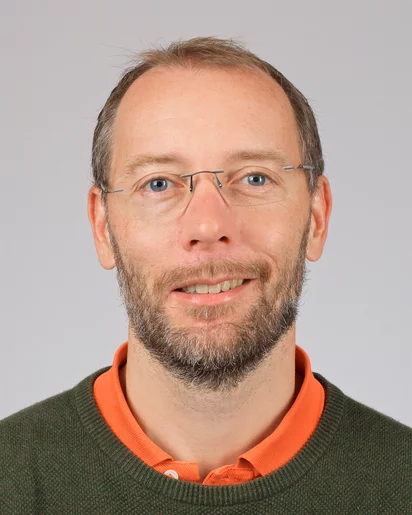
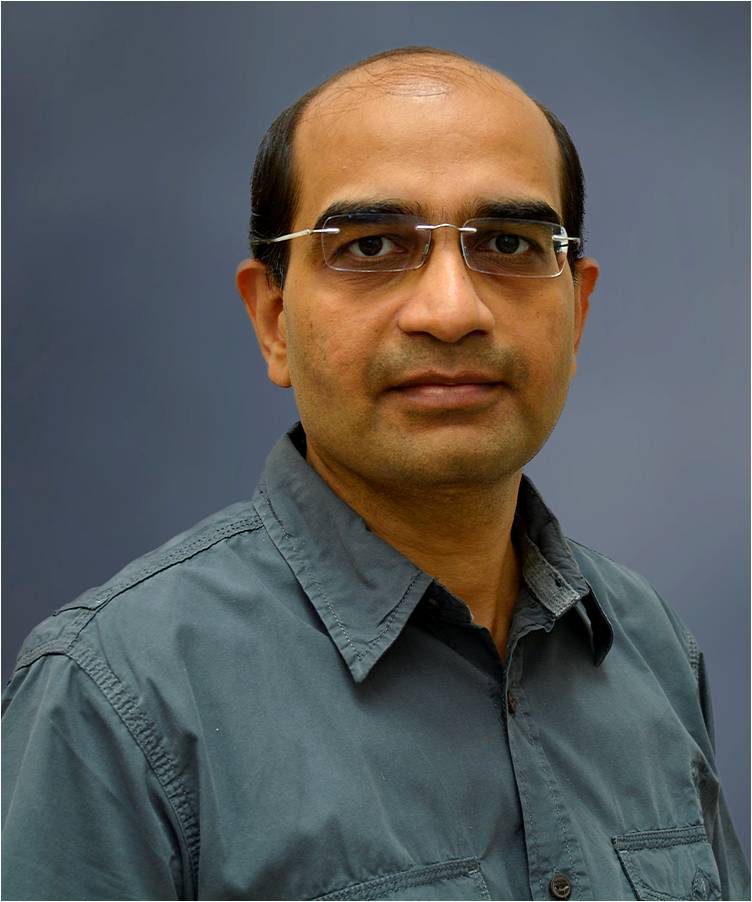
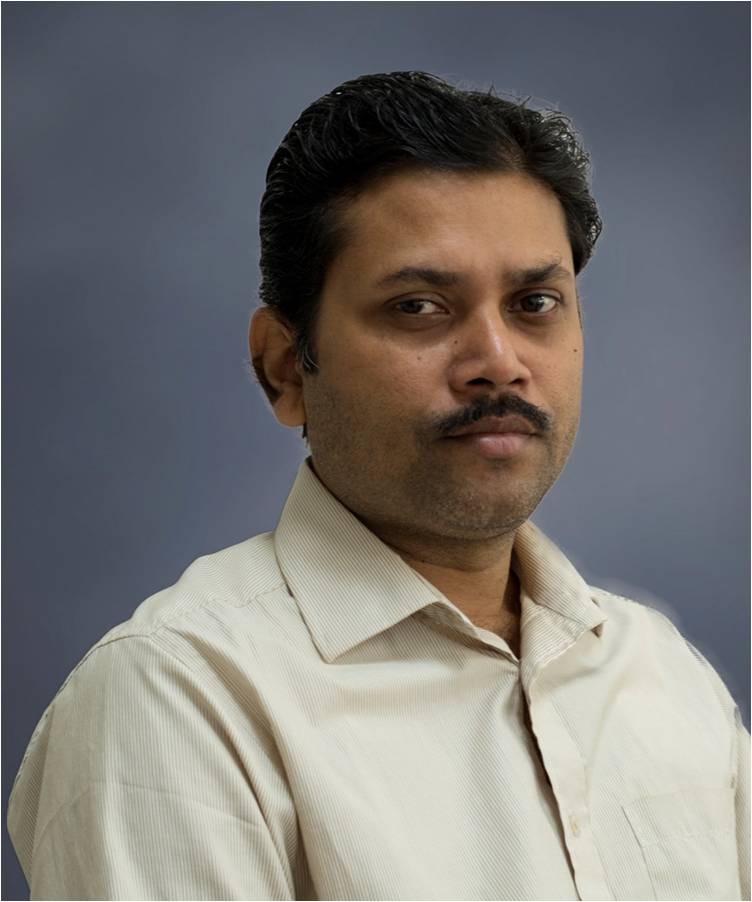
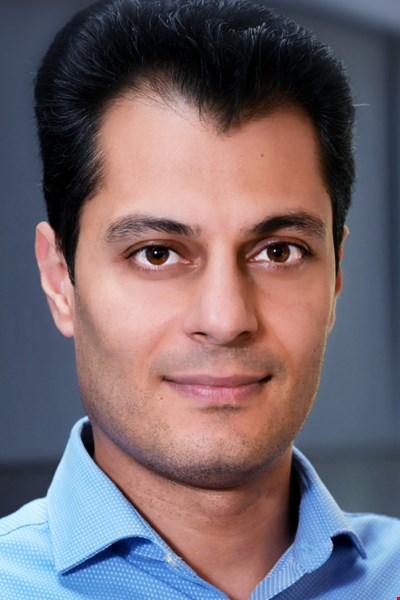
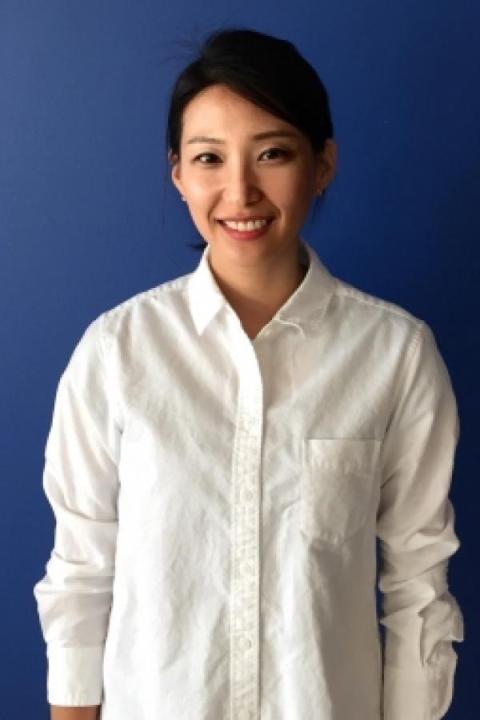
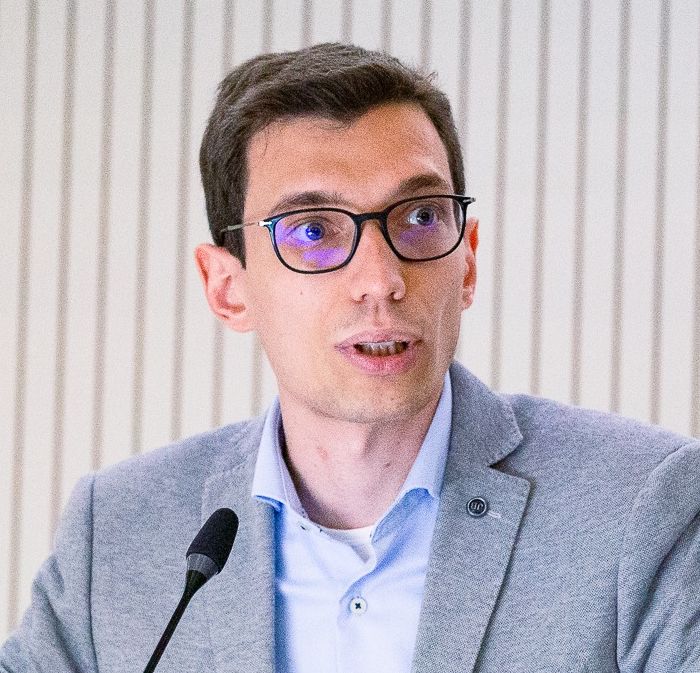
Aldo Mozzanica is a Researcher at the Paul Scherrer Institute (PSI) in Switzerland, affiliated with the Laboratory for X-ray Nanoscience and Technologies. He holds a degree in Physics from Insubria University and a Ph.D. from the University of Milan, where his doctoral work focused on scintillating fiber vertex detectors for CERN's Antiproton Decelerator facility. At PSI, he leads detector development projects for synchrotron and free-electron laser applications. His research centers on advancing X-ray detector technology, including: Developing next-generation integrating pixel/strip detectors (JUNGFRAU, GOTTHARD) Improving frame rates, noise performance, and radiation hardness Exploring novel detector concepts for XFEL/synchrotron applications Enabling new experimental capabilities in structural biology and materials science Mozzanica's 135+ publications focus on X-ray detector innovation, with recent work emphasizing: Hybrid pixel detector optimization for 4th-generation light sources On-chip digitization and charge transport modeling High-speed data acquisition systems Applications in crystallography, spectroscopy, and phase-contrast imaging As principal developer of the JUNGFRAU detector, he oversees: ASIC design, testing, and characterization Readout electronics and firmware development Module production and supply chain management Commissioning at SwissFEL endstations
Prof. Ashutosh S. Gandhi is a Professor in the Department of Metallurgical Engineering and Materials Science at the Indian Institute of Technology Bombay (IIT Bombay), where he has been serving since December 2017. Previously, he was an Associate Professor at IIT Madras from 2012 to 2015 and an Assistant Professor there from 2006 to 2012. He held a Postgraduate Researcher position at the University of California, Santa Barbara from 2001 to 2005. His educational qualifications include a Ph.D. and M.E. in Metallurgy from the Indian Institute of Science (IISc), Bangalore, specializing in Ceramics, and a B.E. in Metallurgical Engineering from Visvesvaraya National Institute of Technology, Nagpur, where he secured the university rank. Prof. Gandhi's research focuses on the Science of Ceramics , particularly High Temperature Protective Coatings such as Thermal Barrier Coatings (TBCs) and Environmental Barrier Coatings (EBCs), Surface Engineering , High Entropy Ceramics , Phase Transformations , and Metastable and Amorphous Materials . His work bridges fundamental materials science with industrial applications in aerospace, energy, and nuclear sectors. The selected publications highlight a strong trend in advanced ceramic materials, especially zirconia-based systems, rare earth silicates, and high entropy oxides. The research spans synthesis (sol-gel, combustion), processing (spark plasma sintering), and characterization of phase evolution, thermal stability, and mechanical properties under extreme conditions. Key themes include entropy stabilization, nanocrystallinity, and high-temperature performance. He has secured significant research funding from national and international agencies including the Science & Engineering Research Board, Aeronautics Research & Development Board, Department of Science & Technology, Naval Research Board (DRDO), Indian Space Research Organisation, The Boeing Company, and Pratt & Whitney. He also collaborated with GE India Technology Center on critical literature reviews. Prof. Gandhi holds an Indian patent on a thermal barrier coating made of high entropy oxide ceramics. He has contributed to the field through peer-reviewed journal publications and book chapters in prestigious publications by Springer and Pan Stanford. His research group at IIT Bombay is actively involved in developing next-generation ceramic materials for extreme environments, including icephobic coatings for aerospace and protective coatings for refractories. The lab utilizes advanced spectroscopic and materials characterization techniques.
Smrutiranjan Parida is a Professor in the Department of Metallurgical Engineering and Materials Science at the Indian Institute of Technology Bombay (IIT Bombay), where he has been serving since May 2021, previously as an Associate Professor from 2016 to 2021. He leads the Corrosion and Advanced Materials Laboratory (CAML), a multidisciplinary research group focused on corrosion science and advanced materials development. Education: Ph.D., University of Saarlandes, Saarbruecken, Germany, 2007 M.Tech, IIT Kharagpur, 2002 His research is centered on corrosion science, electrochemical energy storage, and functional nanomaterials . Key interests include supercapacitors, electrocatalysts, smart multifunctional coatings, corrosion-resistant alloys, and the application of nanotechnology in corrosion mitigation. His work bridges fundamental electrochemistry with practical industrial applications. The recent publications highlight a strong focus on nanomaterials for energy and corrosion protection , including carbon nano-onions, nanoporous metals, graphene composites, and smart inhibitor delivery systems. Themes such as binder-free electrodes, green synthesis, and in-situ characterization are prominent, reflecting a commitment to sustainable and high-performance materials. Scientific Awards: German Academic Exchange Service (DAAD) fellowship, IFW Dresden, Germany, 2002 Prof. Parida has secured significant research funding as Principal Investigator (PI) from agencies like SERB-DST, ONGC, and IIT Bombay's IRCC. He has also contributed as Co-PI in large projects such as the Centre of Excellence in Steel Technology (Ministry of Steel) and the DST-FIST 'Materials for Energy and Sensors' program. His grants span corrosion inhibition in oil pipelines, nanostructured alloys, biomaterials, and advanced laboratory infrastructure development. The Corrosion and Advanced Materials Laboratory (CAML) serves as the primary hub for his research team, fostering innovation in surface engineering and electrochemical devices.
Professor Stephen Croft is a faculty member at Lancaster University , affiliated with the School of Engineering . His research focuses on Nuclear Materials Measurement Science , with expertise in radiation detection, neutron interrogation, and X-ray/gamma-ray spectroscopy. Current projects include cosmic ray neutron monitoring , active neutron interrogation of nuclear materials , and radiation damage assessment . His recent publications emphasize semi-empirical modeling of atomic interactions and advanced detection techniques for nuclear applications. He has contributed to understanding vacancy transfer probabilities , X-ray fluorescence cross-sections , and water detection in nuclear environments . His work supports nuclear security, power plant safety, and space weather monitoring. Scientific awards : None explicitly mentioned in the text. Research groups : Involved in Nuclear Space Weather initiatives.
Prof. Robbert Jan Kok is a Professor of Drug Delivery Technology at Utrecht University's Utrecht Institute for Pharmaceutical Sciences (UIPS) and Programme Director for the Bachelor of Pharmacy. He obtained his Pharmacy degree (1993) and PhD in renal drug targeting (1998) from the University of Groningen, followed by postdoctoral research on endothelial-targeted drug delivery. His work spans curriculum development for pharmacy programs and interdisciplinary research in drug innovation. Research Focus: Kok specializes in advanced drug delivery systems, including nanomedicines for kinase inhibitors, 3D-printed formulations, and stimuli-responsive carriers. Key areas include: Targeted delivery to tumors, kidneys, and inflamed tissues Polymeric micelles, liposomes, and microspheres for sustained release Biopharmaceutics and pharmacokinetic optimization Publication Trends: His recent work emphasizes nanotechnology-enabled therapies (e.g., curcumin nanodelivery, photodynamic micelles) and device-integrated drug release (3D-printed implants, macroencapsulation). Studies frequently combine material science with preclinical validation in cancer, renal diseases, and inflammatory disorders. Academic Leadership: Kok oversees student advising, laboratory operations, and international collaborations at UIPS. His team explores translational applications of drug delivery platforms, including partnerships for vascularized tissue engineering and combination therapies.
Said Hamdioui serves as a full Professor in the Department of Computer Engineering within the Faculty of Electrical Engineering, Mathematics and Computer Science at Delft University of Technology. His research focuses on cutting-edge hardware architectures for neuromorphic computing and energy-efficient AI acceleration, with particular emphasis on memristor-based systems, emerging memory technologies, and fault-tolerant designs for edge applications. His research interests span Neuromorphic Computing , Memristor-Based Architectures , and Energy-Efficient AI Hardware , addressing critical challenges in hardware security, computation-in-memory, and reliable edge AI deployment. Recent work demonstrates significant advancements in RRAM/FeFET testing methodologies, spiking neural network implementations, and spin wave computing alternatives to traditional CMOS. His publications reveal strong trends toward real-world deployment of brain-inspired hardware with practical constraints like power efficiency, testability, and security. Award highlights include: DATE'20 Best Paper Award DFT'21 Outstanding Student Paper ETS 2021 Best Paper Award LATS 2018 & 2022 Best Paper Awards Professor Hamdioui actively contributes to the research community through editorial roles at IEEE Transactions on VLSI Systems , IEEE Design & Test , and Journal of Electronic Testing from 2017-2018. His leadership in multi-partner projects like CONVOLVE and NEUROKIT2E demonstrates strong industry-academia collaboration for edge AI solutions. Current work shows increasing focus on practical deployment challenges including in-field fault monitoring, security vulnerabilities in neuromorphic systems, and realistic brain simulation frameworks.
Professor David Taubman is a distinguished academic serving as Professor and Deputy Head of School (Research) at the School of Electrical Engineering and Telecommunications (EE&T) at the University of New South Wales (UNSW) in Sydney, Australia. He is also co-director of Kakadu Software Pty. Ltd. and its affiliates Kakadu R&D and Kakadu GPU. With a career spanning over three decades, Professor Taubman has made significant contributions to the field of image and video compression, most notably as the author of the EBCOT coding algorithm adopted in the JPEG2000 international standard. Professor Taubman earned his B.Sc. in Mathematics and Computer Science (1986) and B.E. (Medal) in Electrical Engineering (1988) from the University of Sydney, followed by an M.Sc. (1992) and Ph.D. (1994) in Electrical Engineering from the University of California at Berkeley. His professional journey includes engineering work at the Electricity Commission of N.S.W. (1988-1990), research positions at Hewlett-Packard Laboratories in Palo Alto (1994-1998), and an academic career at UNSW where he progressed from Senior Lecturer (1998-2003) to Associate Professor (2004-2009) and finally to Professor (2009-present). He has held various leadership roles including Head of the EE&T Telecommunications Research Group (2003-2014), Head of the EE&T Signal Processing Research Group (2014-present), Director of Research for the School of EE&T (2011-2016), and Deputy Head of School (Research) since 2017. Professor Taubman's research interests center on image and video compression, with particular expertise in JPEG2000 standards and implementations. His work spans signal processing, wavelet transforms, scalable video coding, motion modeling, and multimedia systems. He has pioneered numerous compression algorithms and frameworks, including the EBCOT coding algorithm that became central to the JPEG2000 standard. His recent research focuses on efficient motion modeling with cuboidal partitioning, learned lifting-based transform structures, and high-throughput implementations of JPEG2000 for video applications. His work bridges theoretical foundations with practical implementations, as evidenced by the commercially successful Kakadu Software tools that have garnered around 500 commercial licensees. Analysis of Professor Taubman's recent publications reveals a consistent focus on advancing compression technologies with particular emphasis on scalability, efficiency, and adaptability. His work spans traditional image compression (JPEG2000 extensions), video coding (cuboid-based partitioning for UHD/360-degree video), and emerging applications (nanopore sequencing data compression). A notable trend is the integration of machine learning techniques with traditional compression frameworks, as seen in his work on learned lifting-based transform structures. His research maintains strong connections to real-world applications across diverse domains including medical imaging, astronomical data processing, and genomic sequencing. IEEE Fellow Engineers Australia Fellow (by invitation) Professor Taubman has served as Associate Editor for the IEEE Transactions on Image Processing for two four-year appointments (2003-2005 and 2010-2013). He has been actively involved in numerous research grants focused on image and video compression technologies, particularly those related to the JPEG2000 standard and its extensions. His work has received significant industry support, reflected in his consultancy with various U.S., Japanese, and Australian corporations. He has also contributed to international standards development as a member of Standards Australia Technical Committee MS-065 (mirroring ISO TC42 on Digital Photography) and as a constitutional member of Standards Australia Technical Committee IT-029 (Coded Representation of Picture, Audio and Multimedia/Hypermedia Information). Professor Taubman co-directs Kakadu Software Pty. Ltd. and its research affiliates Kakadu R&D and Kakadu GPU, which have developed the commercially successful Kakadu Software tools for JPEG2000. His research group at UNSW focuses on advanced image and video compression techniques, with particular expertise in wavelet-based methods, scalable coding, and motion modeling. The group maintains strong industry connections and has contributed significantly to the development and standardization of image compression technologies worldwide.
Dr. Esmaeel Esmaeeli is a Senior Lecturer in Civil and Environmental Engineering at Brunel University London, serving as Course Director for the MSc in Structural Engineering. His work focuses on sustainable structural retrofitting solutions, safety, and resilience of concrete and masonry structures. Brunel University London (Current: Senior Lecturer) Queen’s University Belfast (Postdoctoral Fellow, Horizon 2020 MSC Fellowship) University of Minho (PhD research on Hybrid Composite Plate) K. N. Toosi University (MSc research on seismic strengthening) His research spans advanced materials like Strain-Hardening Cementitious Composite (SHCC) and Carbon Fibre Reinforced Polymer (CFRP) for seismic retrofitting, computational modeling of FRP-concrete interfaces, and dynamic response under extreme loads. Recent work includes the SMArtPlate and Hybrid Composite Plate (HCP) systems. Scientific recognition includes the Horizon 2020 Marie Skłodowska-Curie Individual Fellowship and a Portuguese Foundation for Science and Technology (FCT) scholarship. He has advised on structural vulnerability assessments and leads teams in consultancy projects.
Marco Bernardi is a Professor of Applied Physics, Physics and Materials Science at the California Institute of Technology (Caltech). His research focuses on theoretical and computational materials physics , developing first-principles methods to investigate electron transport, ultrafast dynamics, and light-matter interactions in materials. His work has applications in electronics, optoelectronics, ultrafast spectroscopy, energy technologies, and quantum devices. Education : Ph.D. in Materials Science from MIT (2013), M.S. from University of Rome Tor Vergata (2008), B.S. from University of Rome La Sapienza (2004). Research Interests : Electron-phonon interactions, polarons, spin relaxation and decoherence, nonequilibrium electron dynamics, quantum materials, and software development for materials simulations ( PERTURBO code). Scientific Awards : NSF CAREER Award (2018) AFOSR Young Investigator Award (2017) Psi-K Volker Heine Young Investigator Award (2015) Intel Ph.D. Fellowship (2013) Franco Strazzabosco Award (2020) Teaching : Offers graduate courses at Caltech including Structure and Bonding in Materials (MS 131) , Computational Solid State Physics (APh/MS 256) , and Introduction to Computational Methods (APh/MS 141) . Group Members : Mentors current graduate students and postdocs in developing advanced computational techniques for materials research, with former advisees now in academic and industry positions.
Jinjin Ha serves as an Assistant Professor in the Department of Mechanical Engineering at the University of New Hampshire, with her office located in Kingsbury Hall, Room W101a, Durham, NH. She teaches core mechanical engineering courses including Statics (ME 525), Materials Processing in Manufacturing (ME 742/842), Theory of Plasticity (ME 927), and Doctoral Research (ME 999), demonstrating active engagement in both undergraduate and graduate education. Her research program integrates computational mechanics with advanced manufacturing, focusing on: Machine learning applications for plasticity modeling and fracture prediction Deformation mechanics in incremental sheet forming processes Martensitic phase transformations in stainless steels Anisotropic material behavior and yield function development Ductile fracture characterization of titanium and aluminum alloys Analysis of her 2023-2024 publications reveals a decisive shift toward AI-driven mechanics, where neural networks solve complex constitutive modeling challenges in metal forming. This interdisciplinary approach bridges fundamental material science with industrial manufacturing optimization, particularly in toolpath design and phase transformation control. No scientific awards were documented in the provided profile information. While doctoral research supervision is indicated through ME 999 course listings, specific student names, grant funding details, laboratory facilities, or collaborative team structures were not disclosed in the available text.
Plamen Atanassov is a Chancellor’s Professor in the Department of Chemical and Biomolecular Engineering with a joint appointment in Materials Science and Engineering at the Samueli School of Engineering, University of California, Irvine . His work focuses on developing advanced electrocatalysts for energy conversion and storage systems. Department: Chemical and Biomolecular Engineering, Materials Science and Engineering Academic Rank: Professor (Chancellor’s Professor honorific) Research Themes: Electrocatalysis, Bio-electrocatalysis, Fuel Cells, Energy Harvesting Research Interests: Prof. Atanassov specializes in non-platinum and platinum-based electrocatalysts for fuel cells, bio-inspired energy systems , and carbon dioxide valorization technologies . His group has pioneered: Atomically dispersed metal-nitrogen-carbon catalysts Novel synthesis methods for durable electrocatalysts Machine learning-guided fuel cell optimization Electrochemical ammonia and urea production Hydrogen evolution reaction with non-precious metals Scientific Contributions: With over 380 peer-reviewed papers (101 h-index), 50 issued US patents , and 35+ PhD students advised , his work bridges fundamental electrochemistry and industrial-scale energy solutions. Recent publications emphasize catalyst durability under realistic conditions, CO2 reduction, and sustainable manufacturing practices.
Lorenzo Baraldi is an Associate Professor at the University of Modena and Reggio Emilia, where he leads research in deep learning, vision-language integration, and multimodal AI systems. He serves as an ELLIS Scholar and Coordinator of the Modena ELLIS Unit, and has held the position of deputy director at the Interdepartmental Center on Digital Humanities since 2021. Previously, he worked at Facebook AI Research laboratory in Paris in 2017, developing video-matching algorithms for content moderation. His research spans multiple areas including Vision-and-Language integration, Multimodal Retrieval, Image and Video Captioning, Visual-Semantic alignment, Large-Scale model development, High Performance Computing, and Embodied AI. With over 120 publications in international journals and conferences, his work demonstrates consistent contributions to advancing multimodal AI capabilities. He has served as an Associate Editor for Computer Vision and Image Understanding and Pattern Recognition, and as Area Chair for major conferences including ICCV, WACV 2026, and ACM Multimedia 2025. His recent publication record shows significant impact in the field, with multiple papers accepted to top-tier conferences in 2024-2025 including CVPR, ICCV, BMVC, ICLR, ECCV, and NeurIPS. Notably, his paper "Hyperbolic Safety-Aware Vision-Language Models" was selected as a highlight paper at CVPR 2025. His research often involves collaboration with Rita Cucchiara and other researchers at his institution. ELLIS Scholar and Coordinator of the Modena ELLIS Unit Associate Editor for Computer Vision and Image Understanding Area Chair for ICCV and major multimedia conferences Highlight paper at CVPR 2025 Professor Baraldi teaches courses in Computer Vision and Cognitive Systems, Scalable AI, and Computer Architecture for the Artificial Intelligence Engineering and Computer Engineering programs. His teaching spans both undergraduate and graduate levels, with a focus on providing students with both theoretical foundations and practical implementation skills. He has developed educational materials including Deep Learning tutorials for classroom instruction.
Peter Redfield serves as Professor of Anthropology at the University of Southern California's Dornsife College of Letters, Arts and Sciences, where he bridges anthropology with science and technology studies, postcolonial theory, and humanitarian practice. He previously held the presidency of the Society for Cultural Anthropology (2017-2019) and maintains active affiliations with the LOST Research Network (Law, Organization, Science and Technology), though this network is transitioning to an archive in 2024. His research critically examines transnational expertise and the ethics of humanitarian interventions in contexts of unreliable infrastructure, with current projects including "Beyond Reliable Infrastructure"—which analyzes minimalist life technologies for water, sanitation, and health—and collaborative work with Stellenbosch University on sanitation politics in South Africa. Redfield's scholarship consistently interrogates how humanitarian design navigates utopian ideals of social justice while confronting material constraints and political complexities in global health. His publication trends reveal sustained focus on medical anthropology and humanitarian ethics, particularly through case studies of epidemic response (Ebola), technological fixes (LifeStraw®), and organizational practices (Doctors Without Borders). This work demonstrates evolving attention to material politics and infrastructure, moving from colonial histories (e.g., French Guiana rocketry) toward contemporary crises in global health governance. Redfield's research is supported by institutional affiliations including the Institute for Advanced Study (Princeton, 2016-17) and collaborative partnerships across Africa. He leads interdisciplinary teams examining humanitarian innovation, with recent work emphasizing the material dimensions of aid delivery and the political economies of "dignified living" in marginalized communities.
Prof. Julien Bachmann is a faculty member at the Friedrich-Alexander-Universität Erlangen-Nürnberg (FAU) within the Interdisciplinary Center for Nanostructured Films (IZNF) . His research focuses on advanced materials chemistry, particularly in the development of nanostructured films and electrochemical systems for applications like CO 2 electroreduction and energy conversion. Lab locations: Thin films (2.113), electrochemical setups (2.114, 1.100-1.101), instrumental lab (0.117), and collaborative spaces with the Halik group (2.103, 2.106-2.107, 2.110). Key research areas include nanotechnology, electrochemistry, and sustainable energy solutions. His group includes postdocs, doctoral candidates, and technical staff, with recent activities documented at workshops and retreats (e.g., FAU CTFM–DTU Nanolab workshop, 2025 Materials Chemistry retreat). Collaborative efforts highlight interdisciplinary work at FAU’s cutting-edge facilities.
Prof. Dr. Nils Kröger serves as Chair for "Biomimetic Materials" at the Technical University of Dresden, Germany, where he leads the Kröger Group dedicated to studying diatoms and their remarkable biological capabilities. His research program investigates two extraordinary phenomena exhibited by these microalgae: silica biomineralization and underwater adhesion. Academic Background: Diploma in Chemistry, University of Regensburg, Germany (1991) PhD in Biochemistry, University of Regensburg, Germany (1995) Habilitation in Biochemistry, University of Regensburg, Germany (2001) Assistant Professor, Georgia Institute of Technology, Atlanta, USA (2005) Associate Professor, Georgia Institute of Technology, Atlanta, USA (2011) W3 Professor for Biomimetic Materials, TU Dresden, Germany (2012) Professor Kröger's research sits at the intersection of biology, materials science, and nanotechnology. His group employs biochemical, molecular genetic, and cell biological approaches to unravel how diatoms construct intricate silica structures and adhere to surfaces underwater. This work has significant implications for developing novel bio-inspired materials and understanding fundamental biological processes. Recent advancements in his laboratory have revealed molecular mechanisms behind diatom motility and the precise control of silica pattern formation. Analysis of Professor Kröger's publication record shows consistent focus on diatom biology with increasing interdisciplinary collaboration. His recent work demonstrates sophisticated integration of physics, engineering, and biology to understand the mechanical aspects of diatom movement and structure formation. The research shows progression from basic protein characterization to complex systems-level understanding of diatom motility and morphogenesis. Current Research Funding: Deutsche Forschungsgemeinschaft (DFG): PoL Nucleation grant with Prof. Stefan Diez (2022-2025) - Acto-myosin cooperativity and regulation underlying diatom gliding motility Deutsche Forschungsgemeinschaft (DFG) (2018-2022) - Molecular basis of diatom adhesion and motility Previous funding from Air Force Office of Scientific Research (AFOSR) (2010-2016) - Molecular Mechanism of Diatom Adhesion Professor Kröger actively mentors PhD students and maintains a vibrant research group comprising senior scientists, postdoctoral researchers, technicians, and graduate students. His laboratory serves as a hub for interdisciplinary collaboration, bridging traditional boundaries between biology, chemistry, physics, and materials science. The group maintains strong international connections and participates in numerous collaborative research initiatives focused on biomineralization and bio-inspired materials.