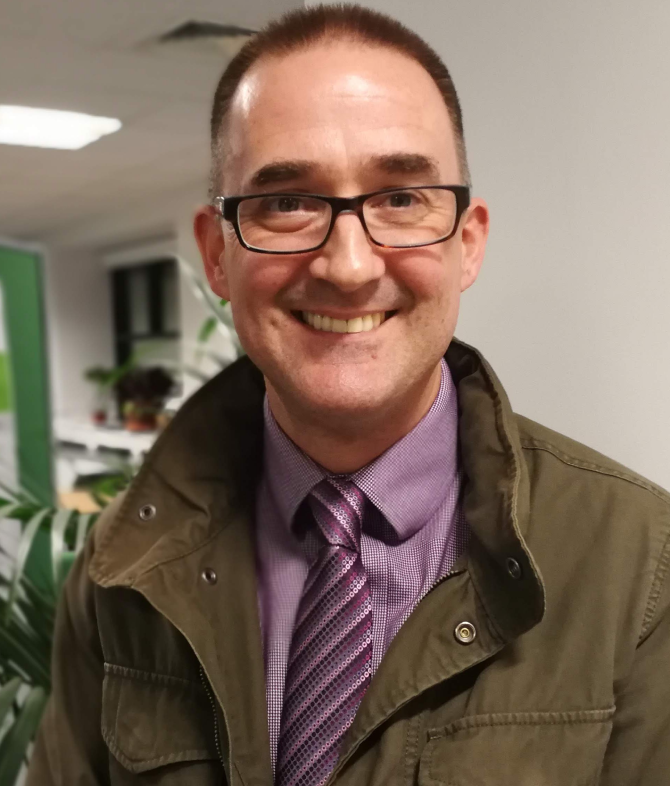
Associate Professor Abdul Ihdayhid is a Research Leader in Cardiovascular Biology at the Curtin Medical School , Curtin University, within the Faculty of Health Sciences. His work focuses on advanced cardiac imaging techniques, particularly coronary CT angiography, fractional flow reserve modeling, and AI integration in cardiovascular diagnostics. Key Research Areas: Cardiovascular imaging, artificial intelligence applications, aortic stenosis interventions, and ethical implications of AI in medicine. Recent Publications: Analysis of high-risk coronary plaque, telehealth adaptations during pandemics, and AI-driven CAC scoring innovations. Collaborations: Extensive partnerships with institutions across Australia and New Zealand on multicenter studies like the Australian-New Zealand SCAD cohort. His 2024-2025 work emphasizes machine learning for plaque quantification and ethical frameworks in AI implementation. Email: Abdul.Ihdayhid@curtin.edu.au
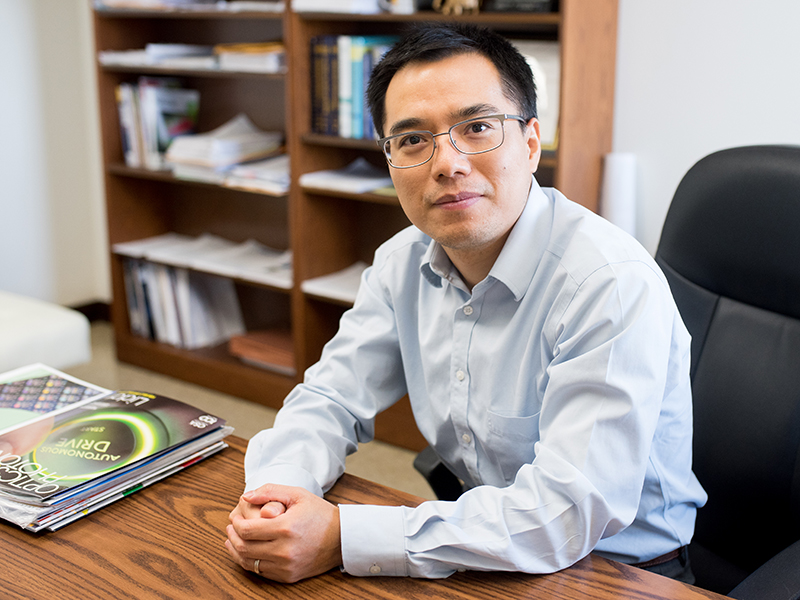
Heidi Ottevaere is a Professor at the Faculty of Engineering of the Vrije Universiteit Brussel (VUB) since October 1, 2009. She serves as the head of the Instrumentation and Metrology platform at the Photonics Innovation Center and leads the 'biophotonics' research unit of the Brussels Photonics Team (B-PHOT), which is chaired by Prof. Hugo Thienpont. Her work focuses on the design, fabrication, and characterization of photonic components and systems for diverse applications in medical diagnostics, environmental monitoring, and industrial processes. Dr. Ottevaere earned her Electrotechnical Engineering degree with majors in Photonics from Vrije Universiteit Brussel in 1997 and completed her PhD in Applied Sciences at the same institution in 2003. Her doctoral research focused on 'Refractive microlenses and micro-optical structures for multi-parameter sensing: a touch of micro-photonics.' Professor Ottevaere's research spans multiple cutting-edge areas of photonics with particular emphasis on biophotonics, micro-optics, and optical metrology . Her work bridges fundamental science with practical applications, developing novel photonic components and systems that address real-world challenges. She has pioneered research in miniaturized optical systems for medical diagnostics, environmental monitoring, and industrial applications. Her current research focuses on advancing lab-on-a-chip technologies, microfluidic optical sensors, and novel optical fiber systems for biomedical applications. She has developed microminiaturized, integrated plastic detection units for absorbance and laser-induced fluorescence measurements in microfluidic channels, enabling portable, robust, and disposable diagnostic systems. Her recent publications demonstrate a strong trend toward integrated optical sensing systems with applications in medical diagnostics and environmental monitoring. There's a clear progression from fundamental optical component design to complete system integration, with increasing emphasis on artificial intelligence for data analysis and computational imaging techniques. Her work bridges photonics with biomedical engineering, materials science, and data science, reflecting the interdisciplinary nature of modern photonics research. Dr. Ottevaere has been recognized with several prestigious awards: Best Application award (2008) Educational award - Bronze (2019) MOC09 Contribution Award Winners (2009) As an educator and mentor, Professor Ottevaere has promoted 9 PhD students and supervised numerous master's theses. She has secured substantial research funding from diverse sources including the Fund for Scientific Research Flanders (FWO), the Institute for the Promotion of Innovation by Science and Technology in Flanders (IWT), and multiple European Framework Programs. Her current portfolio includes projects on miniaturized biosensors for drinking water screening, precision manufacturing, and photonics education initiatives in Uzbekistan. She has coordinated multiple strategic research and networking projects with regional, national, and international funding bodies. Professor Ottevaere leads the biophotonics research unit within the Brussels Photonics Team (B-PHOT), one of Europe's leading photonics research groups. Her team includes researchers working on optical metrology, micro-optics fabrication, and biophotonic applications. She collaborates extensively with industry partners including Melexis, Umicore, and Anteryon, as well as academic institutions across Europe through various EU-funded projects. She has been instrumental in developing the interuniversity engineering curriculum 'Master in Photonics' which received the EC Erasmus Mundus quality label in 2006, and continues to be the driving force behind photonics education at VUB.
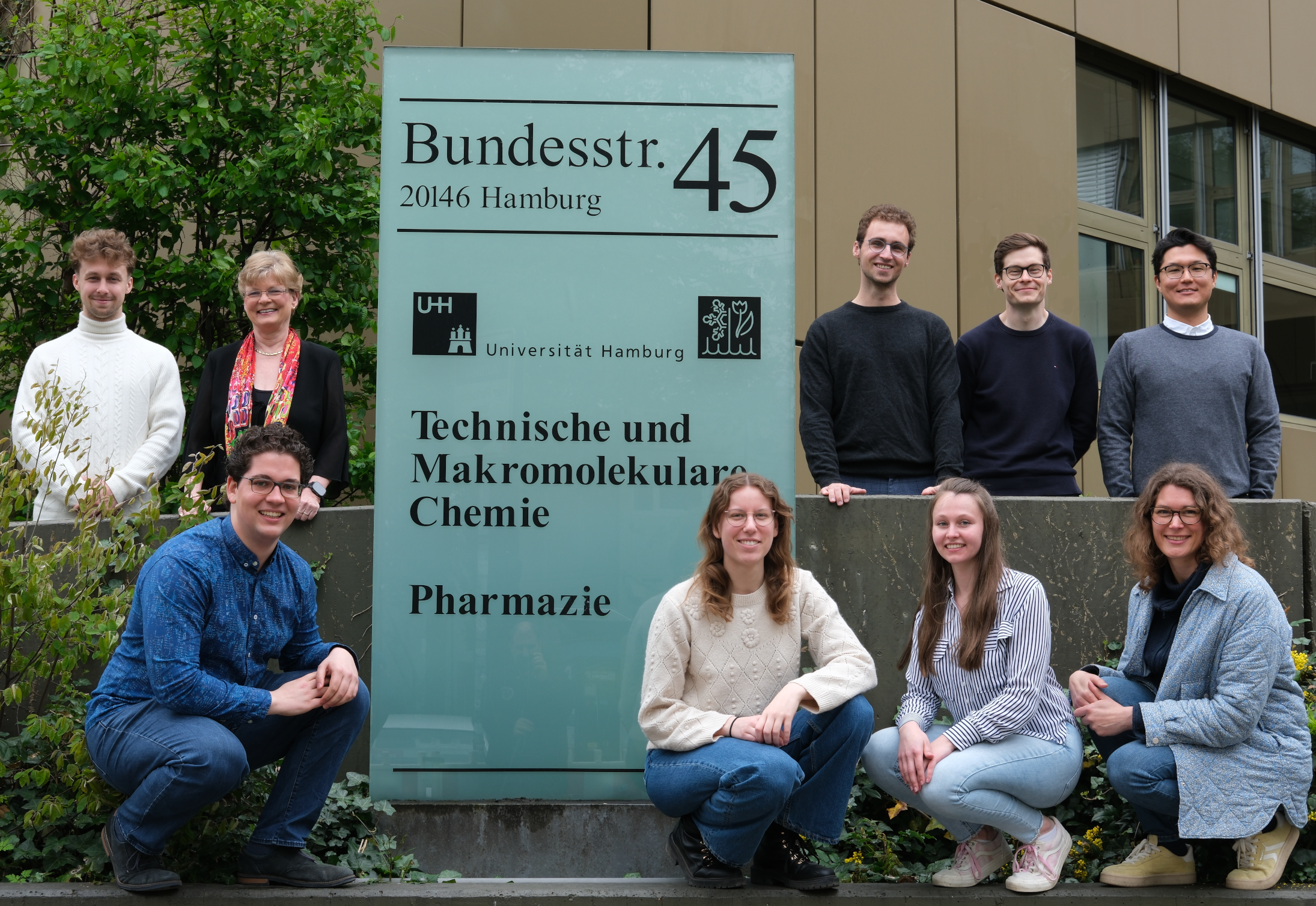
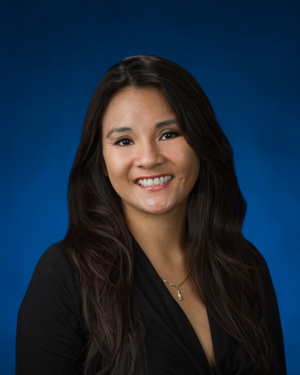
Professor Claudia S. Leopold serves as Professor and Head of the Institute of Pharmacy within the Department of Chemistry at the University of Hamburg's MIN Faculty. With over 35 years of academic experience, she leads the Pharmaceutical Technology Department and maintains an active research program focused on advanced pharmaceutical manufacturing processes and drug delivery systems. Her educational background includes a pharmacy degree from Heinrich-Heine-University Düsseldorf (1981-1985), followed by pharmacist certification in 1987. She completed her doctoral research in 1992 on skin penetration enhancement, conducted postdoctoral research at Stanford Research Institute and UC San Francisco, and achieved her habilitation in pharmaceutical technology in 1999. Her academic progression includes professorial positions at Leipzig University (2000-2005) before joining the University of Hamburg in 2005. Prof. Leopold's research program centers on pharmaceutical technology innovations, particularly in tablet formulation and manufacturing processes. Her laboratory investigates optimization of process flows during tableting, use of co-processed excipients, characterization of dustiness within containment systems, control of drug release through polymer interactions, and improving water solubility of active ingredients through co-amorphization techniques. Her work bridges fundamental pharmaceutical science with practical manufacturing applications, addressing critical challenges in modern pharmaceutical production. Her recent publications (2022-2025) demonstrate a strong focus on continuous manufacturing technologies, co-amorphous drug systems, and advanced process analytical techniques. These works reveal trends toward real-time monitoring of pharmaceutical processes, spatial analysis of powder behavior, and sophisticated approaches to enhancing drug solubility and stability. Her research group has made significant contributions to understanding powder flow dynamics, tablet coating mechanics, and the application of novel spectroscopic methods in pharmaceutical manufacturing. Habilitations-Förderpreis der Deutschen Pharmazeutischen Gesellschaft (1997) Ehrendoktorwürde (Dr. h.c.) (2020) Prof. Leopold has supervised over 25 doctoral students throughout her career, with recent dissertations focusing on powder characteristics, co-amorphous systems, continuous manufacturing optimization, and advanced tablet technologies. Her laboratory maintains strong industry connections through contract research in formulation development, tableting process optimization, drug release measurements, and expert consultation on pharmaceutical-technological issues. The research group operates specialized equipment for pharmaceutical technology studies and collaborates with international partners in continuous manufacturing and drug delivery research. The Leopold research group (AG Leopold) operates within the Institute of Pharmacy at the University of Hamburg, maintaining a comprehensive suite of equipment for pharmaceutical technology research. The team includes multiple scientific associates, research assistants, technical staff, and visiting scientists working collaboratively on various aspects of pharmaceutical development and manufacturing. The laboratory environment supports both fundamental research and applied contract work for industry partners, with particular expertise in tableting processes, drug delivery systems, and analytical method development for pharmaceutical applications.
Dr. Yu Zhang is a Lecturer of Data Science at the School of Business, UNSW Canberra. His academic career focuses on text mining, knowledge and information management, social computing, and bibliometric analysis, with interdisciplinary applications in areas such as sustainable logistics, supply chain management, and net-zero energy solutions. Fields of Interest: Text Mining, Information Management, Social Computing, Bibliometric Analysis, Machine Learning for Information Systems, Heterogeneous Network Analysis, Data Mining for Asset Management, Sustainable Logistics, Supply Chain Management, Net-zero Energy in Green Buildings, and Transportation. Grants: Served as CI in projects like "Online health monitoring in Li-ion batteries via trustworthy AI" (ACT Government, $1.22M) and "Delivering net-zero energy buildings" (TRaCE Lab to Market, $1.05M). Awards: Best Paper Award (Runner-up) at ADMA 2024 and Excellent Paper Award at ICEBE 2024. Teaching: Coordinated courses in Data Analytics, Workforce Planning Research, Business Capstone, and Logistics Intelligence with Big Data Analysis. Supervision: Guided research on topics like federated learning for healthcare fraud detection, blockchain-based carbon offset management, and tier-based supply chain visibility. His publications span materials science and photovoltaic technologies, with a focus on thin-film solar cells and defect passivation methods. For collaboration or supervision inquiries, contact him at m.yuzhang@unsw.edu.au .
Tiina Sikanen is an Associate Professor at the University of Helsinki within the Faculty of Pharmacy, Division of Pharmaceutical Chemistry and Technology . She leads the Chemical Microsystems Lab and serves as a supervisor for doctoral programmes in Drug Research, Chemistry and Molecular Sciences, and Materials Research and Nanosciences. Her research focuses on microfluidic systems, polymer microfabrication, and mass spectrometry applications in drug metabolism studies. Education : MSc in Chemical Technology (Aalto University, 2010), PhD in Pharmaceutical Chemistry (University of Helsinki, 2007) Her research integrates microfluidic total analysis systems with digital microfluidics to create 3D liver and cardiac cell culture models for studying extracellular vesicle activity and cytochrome P450 metabolism. Key projects include PREMIER (risk evaluation of medicines in environment) and CardioEV (cardiotoxicity biomarker discovery). Her recent publications highlight advancements in microdevice-based extracellular vesicle quantitation, Staphylococcus biofilm modeling, and sustainable pharmaceutical life-cycle analysis. Scientific awards include the Academy of Finland Award for Scientific Courage (2019) , Research Fellow (2017) , and Postdoctoral Researcher (2011) . She has supervised numerous Master's and doctoral theses, including Elina Kyllönen's MSc(Pharm) work on microfluidic sustainability challenges and Laura Sirviö's BSc research. Her lab employs 3D printing for cleanroom-free microdevice fabrication and participates in EU-funded initiatives like IMI2-RIA PREMIER.
Qipei Mei is an Assistant Professor in the Department of Civil and Environmental Engineering at the University of Alberta's Faculty of Engineering. With an MSc in Computer Science and a PhD in Structural Engineering, he bridges civil engineering with artificial intelligence to enhance infrastructure productivity and sustainability. His research spans AI-driven design automation, robotics for construction safety, and IoT-based condition assessment. PhD, Structural Engineering - University of Alberta (2020) MSc, Computer Science - Georgia Institute of Technology (2018) MSc, Structural Engineering - University of Alberta (2014) B.E., Civil Engineering - Huazhong University of Science and Technology (2011) Mei's work focuses on three key areas: leveraging data-driven methods for design automation, applying sensing/robotics to construction operations, and using digital twins for infrastructure assessment. His team explores generative AI for housing design, robotic construction in remote communities, and smart monitoring systems. Recent publications highlight advancements in: lateral capacity prediction for monopile foundations, transformer-based architectural layout analysis, large language models for building code compliance, vision-language models for safety hazard detection, and sensor networks for bridge monitoring. These works demonstrate interdisciplinary integration of AI, structural engineering, and IoT. Mei actively collaborates with diverse researchers and welcomes graduate students to his Smart Infrastructure Technologies (SITE) Research Group, part of the Infrastructure and Human Tech Lab (IHT-Lab). He teaches advanced topics in structural and civil engineering while pursuing industry-funded projects through NSERC, CFI, and Alberta Innovates.
Leijun Li, PhD, P.Eng., is a Professor in the Department of Chemical and Materials Engineering at the University of Alberta, where he also serves as Chair. With a career spanning institutions including Rensselaer Polytechnic Institute, University of Northern Iowa, and Utah State University, he specializes in physical metallurgy , welding metallurgy , and additive manufacturing . His research focuses on microstructure characterization, mechanical properties, and modeling of non-equilibrium phase transformations during welding and AM processes. Current affiliations: University of Alberta, American Welding Society, ASM International Research themes: Additive manufacturing of alloys, Corrosion science, Pipeline metallurgy, Phase transformations, Welding robotics He has received multiple AWS Hobart Awards (4 times) and Savage Awards (2 times) for his work on pipeline welding and metallurgy. His group has published extensively on topics including delta-ferrite retention in Grade 91 steel, inverse bainite transformations , and welding defect analysis . Recent projects include NSERC Alliance Missions Grant for rare earth mineral recovery and Alberta Innovates Ecosystem Program for advanced manufacturing. Key collaborators: Dr. Tom Lienert, Dr. Xiaoying Fang, Dr. P-Q Xu Labs: Rooms 2-158/3-133 (CME Building), Office 12th Floor DICE Building
Lung-Pan Cheng is an Associate Professor in the Department of Computer Science and Information Engineering at National Taiwan University, where he leads the Human-Computer Interaction Laboratory. His research focuses on bridging the gap between physical and virtual realities through innovative interface technologies. Cheng's research expertise spans human-computer interaction, augmented/virtual reality, and tactile feedback systems. His work explores how people exist across three types of reality: physical reality governed by physics, imagined realities where things act by wishes, and programmable virtual realities. By examining the mismatches between these realities, Cheng develops novel interfaces, techniques, and devices that extend and interface these realities toward an ultimate unified experience. His recent publications reveal strong trends in haptic feedback systems, procedural generation in VR, and tangible interaction techniques. Cheng's work often involves creating physical props and mechanisms that enhance virtual experiences, with a particular focus on how humans can interact with and manipulate virtual objects through physical interfaces. His research has significant implications for VR training, gaming, and therapeutic applications. Best Paper Award at CHI 2022 for AirRacket: Perceptual Design of Ungrounded, Directional Force Feedback to Improve Virtual Racket Sports Experiences SIC People's Choice Award at UIST 2022 for Garnish into Thin Air Cheng has secured numerous research grants supporting his work in VR and haptic interfaces, with collaborations spanning multiple institutions. His laboratory develops working prototypes that demonstrate practical applications of his theoretical concepts, often resulting in award-winning publications at top HCI conferences. Current projects appear to focus on advanced fabrication techniques for interactive objects, perceptual illusions in VR, and novel haptic feedback mechanisms that don't require traditional grounded hardware. The Human-Computer Interaction Laboratory under Cheng's direction consists of graduate students and researchers working on various aspects of tangible and virtual interfaces. The team frequently publishes in premier venues like CHI, UIST, and IEEE VR, demonstrating consistent productivity and impact in the field. Current research directions include density-varying soft fabrication, polarized light mosaics, and systems for creating infinite virtual spaces within limited physical environments.
Dr. Salih Veziroglu is a post-doctoral researcher and subgroup leader at the Chair for Multicomponent Materials at Kiel University, under Prof. Franz Faupel. His research focuses on functional metal-oxide micro-/nanostructures, including thin films and particles, for applications in energy, self-cleaning surfaces, and sensing technologies. Notably, he has pioneered photocatalytic methods to create conductive metal patterns on titanium dioxide substrates, mimicking axon growth and enabling advanced biomedical and electronic systems. Veziroglu earned his doctoral degree in Materials Science from Kiel University in 2020, supported by Federal State Funding. His work integrates nanomaterial synthesis, surface functionalization, and interdisciplinary applications. Key areas include 3D porous cerium oxide networks for catalysis, superhydrophobic coatings, and biomedical materials like algae-incorporated polylactide acid patches for tissue engineering. His research highlights include strain-invariant all-organic conductors developed with Prof. Adelung's team, and novel methods for gold deposition on titanium dioxide using light-driven processes. These innovations address challenges in energy storage, environmental remediation, and medical device coatings. Veziroglu’s subgroup actively explores gas-phase synthesis techniques, plasma treatments for biofilm decontamination, and material design for high-performance applications. Publications span topics like additive manufacturing of titanium alloys, photocatalytic nanoparticle synthesis, and biomedical coatings. His work emphasizes practical solutions for sustainability and healthcare, driven by advanced material chemistry.
Andrew P. Dicks is a Teaching Professor in the Department of Chemistry at the University of Toronto, serving as Associate Chair for Undergraduate Studies. His work focuses on transforming chemistry education through green laboratory practices, sustainable curricula, and innovative pedagogical strategies. He has spearheaded the redesign of undergraduate organic chemistry labs to emphasize microscale experiments, green chemistry principles, and collaborative learning. His research explores methods to integrate the United Nations Sustainable Development Goals into education and has been recognized with the ACS-CEI Award for an undergraduate catalytic chemistry course. Dr. Dicks’ administrative contributions include mentoring faculty and developing programs like the Chemistry Teaching Fellowship. He advocates for teaching assistant training, writing instruction, and student learning communities. His lab initiatives emphasize real-world relevance, using waste materials (e.g., McDonald’s cooking oil) and natural media (citrus juice) to demonstrate chemical principles. Notable research themes include solvent-free reactions, energy-efficient microwave techniques, and metrics for evaluating reaction greenness. His articles highlight trends in green chemistry education, pandemic-driven pedagogical adaptations, and interdisciplinary approaches to materials science. Awards include the ACS-CEI Award, reflecting his impact on advancing sustainable chemistry education globally. Dr. Dicks also champions humor and puzzles in science communication to engage learners and foster a culture of curiosity.
Yuebing Zheng is a Professor of Mechanical Engineering & Materials Science and Engineering at the University of Texas at Austin, holding the Cullen Trust for Higher Education Endowed Professorship. He leads a research group innovating optical nanotechnologies for applications in health, energy, and manufacturing. His work focuses on light-matter interactions, optically active materials, and interdisciplinary training. Key roles include Graduate Advisor for the Materials Science Program and past leadership as Associate/Assistant Professor since 2013. Education: PhD in Engineering Science and Mechanics (2010), Penn State University Postdoctoral Researcher (2010-2013), UCLA (Chemistry and Biochemistry) MSc in Physics (2003), National University of Singapore BSc in Physics (2001), Nankai University Research Interests: Optical manipulation technologies (e.g., optothermal tweezers) Nanophotonics and metamaterials Machine learning for materials discovery Biomedical applications (e.g., cell analysis, chiral sensing) Clean energy systems Recent Article Trends: Focus on AI-driven materials design, optothermal microrobotics, and advanced optical systems for energy and biomedical applications. Key innovations include photonic batteries, graphene moiré systems, and steerable active particle swarms. Awards: 2025 SPIE Fellow 2024 Optica Fellow 2017 NIH New Innovator Award 2014 Beckman Young Investigator Multiple best paper awards (2019–2023) Advising & Grants: Supervised over 20 PhD students/postdocs. Active grants from NIH, NSF, ONR, NASA, and industry partnerships. Current lab focuses on optical manipulation, metamaterials, and AI-integrated nanotechnology. Labs/Teams: Director of the Zheng Research Group, affiliated with the Texas Materials Institute. Collaborates on projects merging nanoscience with machine learning and biomedical engineering.
Professor David Wagg is a Professor of Nonlinear Dynamics and Departmental Director of Research and Innovation at the School of Mechanical, Aerospace and Civil Engineering, University of Sheffield. His research focuses on nonlinear structural dynamics, digital twins, vibration suppression, and real-time hybrid testing. He holds a BEng and PhD from University College London and previously served as a Professor at the University of Bristol (2008–2013). Notable awards include the EPSRC Advanced Research Fellowship (2004–2009). Education: BEng and PhD in Nonlinear Dynamics from University College London. Research Interests: Digital twins for dynamics applications, nonlinear structural dynamics, vibration control, real-time hybrid testing, and identification methods for nonlinear dynamics. His work emphasizes applying nonlinear models and control strategies to engineering challenges like wind turbines and large civil infrastructure. Grants & Leadership: Co-Investigator for EPSRC grants on CITCoM and Digitwin, coordinator of the Marie Curie ETN DyVirt, and PI for the EPSRC programme on Engineering Nonlinearity (2012–2017). He co-authored Nonlinear Vibration with Control (2015) and edited books on structural dynamics. Lab/Teams: Involved in the Laboratory for Verification and Validation (LVV) and leads research groups focused on digital twin applications, inerter-based systems, and structural health monitoring.
LaShanda T. J. Korley is a Distinguished Professor of Engineering at the University of Delaware with joint appointments in Materials Science and Engineering and Chemical & Biomolecular Engineering. She directs the Department of Energy's Center for Plastics Innovation (CPI), co-directs the UD CHARM Materials Research Science and Engineering Center, leads the NSF PIRE project on Bio-inspired Materials and Systems, and serves as Associate Director of the Center for Research in Soft matter & Polymers (CRiSP). Her research program pioneers bio-inspired sustainable materials through a bioeconomy framework, focusing on molecular design of functional polymeric systems including thermoplastics, networks, composites, and gels. Core interests span plastics deconstruction/upgrading, sustainable materials development, and novel fiber/composite manufacturing, with emphasis on lignin-derivable polymers and peptide-polymer hybrids for circular polymer solutions. Recent publications (2024-2025) reveal intense focus on polymer upcycling through advanced depolymerization techniques for polyurethanes, polystyrene, and polyethylene. Her group innovates across catalytic conversion, enzymatic deconstruction, vitrimer chemistry, and bio-hybrid hydrogels, demonstrating interdisciplinary approaches to transform plastic waste into high-value materials while addressing performance-sustainability tradeoffs. Scientific Awards 2023 ACS Fellow 2023 RSC Fellow 2023 AIChE Fellow 2023 ACS POLY Fellow 2023 U.S. Science Envoy 2022 AIChE MAC William W. Grimes Award for Excellence in Chemical Engineering 2022 APS Fellow 2022 ACS PMSE Fellow 2021 AIChE MAC Gerry Lessells Award 2021 Chemical and Engineering News Black Trailblazer 2020 AIMBE Fellow 2019 NOBCChE Lloyd N. Ferguson Young Scientist Award Korley secures major federal funding to advance sustainable polymer science, including DOE support for catalytic plastic waste deconstruction and NSF backing for international bio-inspired materials research. Her grants portfolio drives interdisciplinary collaboration across chemistry, engineering, and environmental science to develop circular economy solutions. She mentors a dynamic research group training next-generation scientists in advanced materials characterization and sustainable design principles. Her laboratories at the University of Delaware integrate molecular synthesis, catalytic testing, and advanced characterization to develop next-generation polymer systems. The research environment emphasizes cross-disciplinary teamwork between chemists, materials scientists, and engineers to tackle plastics sustainability challenges through fundamental molecular design and scalable process innovation.
Thuy-Lan Nguyen, O.D., FAAO, is an Assistant Professor and Clinic Chief in the Department of Optometry at Nova Southeastern University (NSU) College of Optometry. She specializes in corneal disorders and specialty contact lenses, leading the Cornea and Contact Lens Clinic. Her roles include teaching practice management, clinical instruction, and private practice ownership experience. Education: BS (James Madison University, 1997) and OD (NSU, 2002) Residency: Primary Care with Cornea/Contact Lenses (NSU, 2003, Resident of the Year) Research interests focus on scleral lenses, specialty contact lens innovation, and corneal pathology. She has presented at SECO, AOA, and Global Specialty Lens Symposium. Awards include Vision Monday’s Optometric Business Innovator (2014) and High Impact Idea Award (2016). Service: NSU SVOSH mission trips to Latin America, VSP State Ambassador for Florida Professional Memberships: American Academy of Optometry, Scleral Lens Society
Prof. Wim Desmet is a full professor at the Faculty of Engineering Science and head of the Department of Mechanical Engineering at KU Leuven . His research focuses on advanced modeling techniques for mechanical systems, including: noise and vibration control in automotive and industrial systems computational acoustics and interval field uncertainty modeling metamaterials for broadband vibroacoustic performance AI-driven diagnostic systems in renewable energy and manufacturing Current research projects address challenges in electric vehicle drivetrains, wind turbine monitoring, and multi-physical digital twin development. He actively contributes to academic governance as: Managing Director of KU Leuven Head of Subdivision HIST Chair of multiple executive committees Member of 15+ academic and administrative councils