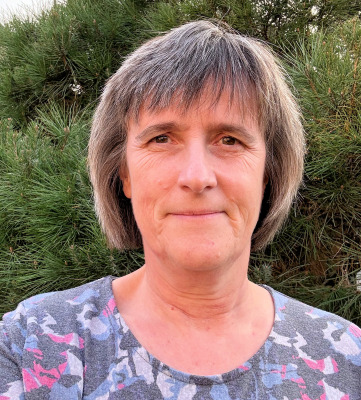
Chris Tuggle is an Associate Professor of Management in the College of Business at the University of Central Arkansas, with his office located in COB 312L. He can be contacted via email at ctuggle@uca.edu or by phone at (501) 450-5745. His primary research focuses on corporate governance, strategic management, and executive behavior, with specific expertise in board dynamics, CEO personality traits, and diversity in top management teams. He employs attention-based views and upper echelons theory to examine how CEO characteristics influence strategic risk-taking and board oversight, while his entrepreneurship research investigates minority business success and human capital factors. Analysis of his 2022-2025 publications reveals consistent emphasis on CEO-board interactions, particularly attorney-directors' role in mitigating CEO deception and narcissistic CEOs' influence on risk decisions. His work demonstrates strong methodological rigor while addressing practical governance challenges, with recurring themes including diversity paradoxes in compensation systems and the impact of proportional representation on underrepresented directors' participation. No information regarding scientific awards was provided in the source material. While his publications indicate active scholarly contributions, the source material contains no details about student advising, research grants, or laboratory affiliations. His commentary pieces suggest engagement with contemporary debates in corporate social responsibility and management scholarship rigor-relevance dynamics.
Dr. Rico Friedrich is a computational materials scientist leading the "Autonomous Materials Thermodynamics - AutoMaT" research group, jointly operated by the Chair of Theoretical Chemistry at Technische Universität Dresden and the Helmholtz-Zentrum Dresden-Rossendorf (HZDR). His work focuses on data-driven computational design of advanced materials for information technology and energy applications through the DRESDEN-concept research alliance. His research spans several cutting-edge areas: Discovery and design of 2D non-van der Waals materials with novel electronic and magnetic properties Data-driven modeling of high-entropy ceramics based on entropy maximization principles Development of computational methods for accurate thermodynamic stability prediction, particularly the coordination corrected enthalpies (CCE) method Applications of artificial intelligence in materials design Dr. Friedrich's publication record shows a strong trend toward computational materials discovery, with significant contributions to understanding non-van der Waals 2D materials and high-entropy ceramics. His work bridges theoretical developments with practical applications, resulting in publications in high-impact journals including Nature, Nano Letters, and Advanced Electronic Materials. His key scientific contributions include: Development of the coordination corrected enthalpies (CCE) method for accurate formation enthalpy calculations Creation of the AFLOW-CCE module implemented in the AFLOW software ecosystem Discovery of novel 2D non-van der Waals materials with ultra-low exfoliation energies Formulation of the disordered enthalpy-entropy descriptor (DEED) for high-entropy ceramics Dr. Friedrich actively mentors the next generation of materials scientists, currently supervising PhD students and postdoctoral researchers in his AutoMaT lab. His research group collaborates extensively within the DRESDEN-concept research alliance, leveraging computational resources and expertise across multiple institutions to advance materials science and engineering.
Aurélien Bornet is a Lecturer at École Polytechnique Fédérale de Lausanne (EPFL) in the School of Basic Sciences (SB), specifically within the Institute of Chemical Sciences and Engineering (ISIC). He serves as the Platform Leader for the Nuclear Magnetic Resonance Platform at EPFL, where he oversees advanced NMR facilities and research. Dr. Bornet's research focuses on Nuclear Magnetic Resonance (NMR) and Dynamic Nuclear Polarization (DNP) techniques. His work spans several key areas including hyperpolarization methodologies, development of NMR instrumentation, and applications in both chemistry and biomedical fields. His research has led to significant advancements in dissolution DNP, long-lived nuclear spin states, and hyperpolarized metabolite imaging. His recent publication record demonstrates strong activity in developing new NMR techniques and applications, with particular emphasis on hyperpolarization methods that dramatically enhance NMR sensitivity. His work bridges fundamental physics with practical applications in medical imaging and materials science. The research outputs include numerous high-impact publications in journals like Nature Communications, Journal of the American Chemical Society, and Physical Chemistry Chemical Physics, as well as several patents related to NMR technology. Dr. Bornet has received recognition through multiple patents for his innovations in NMR technology, including patents related to polarizing agents, dissolution DNP methods, and NMR instrumentation. His work has important implications for biomedical imaging, particularly in the development of hyperpolarized metabolic imaging for cancer diagnostics and other medical applications. As an educator, Dr. Bornet teaches courses on Basic and Advanced NMR at multiple levels (Level 1 A, Level 1 B, and Level 2) at EPFL and in Sion. His teaching focuses on both theoretical and experimental aspects of NMR, providing students with hands-on experience with modern NMR spectrometers. His academic journey includes completing his PhD at EPFL in 2015 with a thesis on hyperpolarized protons for enhancing NMR sensitivity, advised by G. Bodenhausen and S. Jannin. Prior to this, he completed earlier research on long-lived states as probes of protein stability in 2010 under the supervision of G. Bodenhausen and P. Vasos.
BAI Jiaming is an Associate Professor at the Department of Mechanical and Energy Engineering, College of Engineering, Southern University of Science and Technology (SUSTech). His research focuses on additive manufacturing (3D printing) of ceramics, nanocomposites, and functional materials, with applications in energy, biomedical engineering, aerospace, and electronics. Education: PhD (2014), MSc (2009), Loughborough University; BSc (2008), Beijing University of Chemical Technology Research interests: Development of high-speed 3D printing systems, additive design optimization, and industrialization of ceramic/nanocomposite manufacturing. His work bridges material science, structural engineering, and applied technologies. Recent publications highlight advancements in ceramic composites for biomedical and energy applications, graphene-based energy storage systems, and process innovations for zirconia and polymer composites. Key themes include material dispersion, thermal properties, and biomimetic design. Scientific Awards: Fellow of the Institute of Materials, Minerals and Mining (FIMMM); Top 2% Scientists worldwide Advising: Actively recruits postdoctoral fellows, PhD/Master's students, and research assistants. His group has secured over 10 national/provincial research grants. Labs: Affiliated with SUSTech’s Shenzhen Key Laboratory of Additive Manufacturing of High-Performance Materials, which focuses on overcoming industrial bottlenecks in metal/polymer/ceramic AM.
Professor Steffi Krause serves as Professor of Electroanalytical Systems and Director of Academic Standards at Queen Mary University of London's School of Engineering and Materials Science. She leads the Electrochemical Sensors Group and maintains an active research program in electrochemical imaging and sensor development. Her academic career began with a PhD from Humboldt-University of Berlin in 1994, followed by postdoctoral research at Newcastle and Glasgow Universities. She served as Lecturer and EPSRC Advanced Research Fellow at Sheffield University's Chemistry Department from 1997-2004 before joining Queen Mary's Materials Department. Professor Krause's research focuses on photoelectrochemical imaging with high spatiotemporal resolution for functional imaging of living cells. Her group has developed advanced Light-Addressable Potentiometric Sensors (LAPS) and Scanning Photo-induced Impedance Microscopy (SPIM) techniques capable of measuring local changes in surface potential and impedance. Recent work demonstrates applications in cellular imaging, particularly for monitoring cardiomyocyte action potentials, calcium ion detection, and cell surface charge mapping with submicron resolution. Her publication record spans over three decades with recent high-impact work showing a clear trajectory toward increasingly sophisticated biomedical applications. The research demonstrates strong interdisciplinary integration of materials science, electrochemistry, and biomedical engineering principles. Professional distinctions include: Member of the Royal Society of Chemistry (MRSC) Member of the International Society of Electrochemistry Fellow of the Higher Education Academy (FHEA) Professor Krause actively mentors PhD students and has successfully guided numerous doctoral candidates to completion. Her current research is supported by significant funding from EPSRC, EU Horizon 2020, and industry partners including McGowan Sensor Labs Limited. She serves as module organizer for Clinical Sensors and Measurements courses (EMS706P/EMS706U) and delivered her inaugural lecture 'Sensing to seeing: an electrochemical approach' on March 5, 2025. The Electrochemical Sensors Group maintains strong industry and international collaborations, with research directions focused on developing next-generation sensor technologies for biomedical diagnostics and environmental monitoring applications.
Luisa Mannina is a Full Professor of Food Chemistry at Sapienza University of Rome, Department of Chemistry and Technology of Drugs, Faculty of Pharmacy and Medicine. She leads the Food Chemistry Laboratory (FOODCHEMLAB) and serves as Director of the Metabolomics Unit focusing on Foods, Nutraceuticals and Biological Fluids Research. Her academic career spans over 25 years with progressive appointments from Assistant Professor to her current Full Professor position since January 2019. Full Professor of Food Chemistry (2019-present) Associate Professor of Food Chemistry (2009-2019) Director of multiple Master's programs in Nutraceuticals and Cosmeceutics Coordinator of PhD program in Molecular design and characterization for health promotion Member of numerous institutional committees at Sapienza University Professor Mannina's research centers on Nuclear Magnetic Resonance (NMR) methodologies for food analysis and metabolomics. She has developed innovative analytical protocols for determining metabolic profiles of food matrices and biological fluids, enabling authentication of geographical origin, variety, and cultivation methods for diverse food products. Her work spans olive oils, fruits, industrial hemp, and various agricultural products, with particular emphasis on NMR-based metabolomics for food authentication and quality assessment. She has established herself as a leading expert in industrial hemp analysis, publishing extensively on cannabis inflorescences, seed oils, and related products. Analysis of her recent publications reveals a strong focus on sustainable food systems, with particular attention to agri-food waste valorization, novel food development from unconventional sources like medicinal mushrooms, and advanced analytical techniques for food authentication. Her work increasingly integrates NMR with other analytical methods to address complex food science challenges, including food fraud detection, nutritional enhancement through processing techniques, and chemopreventive properties of plant-based products. The research demonstrates consistent evolution from fundamental food characterization toward applied solutions addressing contemporary food system challenges. Her scientific recognition includes: GIDRM/GIRM 2018 Gold Medal ANVUR Research Funding (2017) Associate Editor of Journal of Integrated Omics Member of Scientific Committee of La Rivista Italiana delle Sostanze Grasse Professor Mannina has successfully supervised numerous PhD students and directed multiple Master's programs. Her research is supported by substantial funding from regional, national, and European sources, including projects on industrial hemp valorization (€150,000), innovative bio-packaging (€50,000), and metabolomic studies of Mediterranean diet adherence (€14,500). She maintains active collaborations with European research institutions and industry partners through various research contracts. Her Food Chemistry Laboratory (FOODCHEMLAB) is equipped with state-of-the-art analytical instrumentation including NMR, HPLC-PDA, GC-MS, and other advanced equipment for comprehensive food analysis. The laboratory serves as a hub for metabolomic research, food authentication studies, and valorization of agricultural by-products, contributing significantly to Sapienza University's research profile in food science and technology.
Dr. Anders Karlsson is a distinguished scholar of Korean history at SOAS University of London, where he has been a faculty member since 2000. He is affiliated with the School of Languages, Cultures and Linguistics and the Centre of Korean Studies. His academic career has established him as a leading Western expert on Choson Korea (1392-1910), with particular expertise in legal history, statecraft, and social institutions of the period. Dr. Karlsson received his PhD in Korean history from Stockholm University in 2000 with a dissertation on the Hong Kyongnae Rebellion, which erupted in the North-western part of the Korean peninsula in 1812. His doctoral research established the foundation for his subsequent scholarship on rural society, famine relief, and local administration in late Choson Korea. Dr. Karlsson's research focuses on the social, institutional and intellectual history of Choson Korea. His work explores Confucian statecraft, famine and disaster relief mechanisms, penal law, rural unrest and rebellion, and writing systems. His scholarship is characterized by meticulous archival research and innovative theoretical approaches that bridge historical, legal, and cultural studies perspectives. He has made significant contributions to understanding how law functioned as an instrument of statecraft in premodern Korea, particularly examining the relationship between legal theory and practice, and how social status influenced legal outcomes. His publication record demonstrates a clear evolution from early work on peasant rebellions to increasingly sophisticated analyses of legal and administrative systems. The most recent fifteen years of his scholarship show a pronounced focus on legal history, with particular attention to how Confucian ideology shaped legal development and implementation. His articles reveal expertise in analyzing primary sources in Korean, Chinese, and Swedish, reflecting his unique position as a European scholar deeply immersed in East Asian historical materials. Dr. Karlsson has supervised numerous doctoral students working on Korean history topics, including: Lee H. - "The effect of the genre-based approach on KFL advanced learners' writing and reading" Jang H.J. - "Exploring the Development of Intercultural Competence of University Students Majoring in Korean" Kilkelly P. - "Mainstream culture and the inculturation of Catholicism in late Chosŏn Korea" Choi Y.-C. - "A History of Protestant theory of liberty in Korea, 1886-1917" Jin S.P. - "Korean neutralisation attempts (1882-1907): retracing the struggle for survival and imperial intrigues" Verdier-Shin M.-L. - "Contextualised mission: the South Korean evangelical response to the humanitarian crisis in North Korea (1995-2012)" Song S.K. - "Intellectuals and the state: the resilience and decline of Neo-Confucianism as state ideology in Joseon Korea" At SOAS, Dr. Karlsson teaches courses on Korean history, contemporary Korean culture and society, and Chinese characters (Hanja) as they are used in Korean. His teaching reflects his deep engagement with both historical and contemporary aspects of Korean studies, providing students with comprehensive perspectives on Korean civilization. He also maintains a significant profile as a literary translator, having translated Korean novels into Swedish for 25 years, including recent works by Han Kang, the 2024 Nobel Prize in Literature laureate.
Luciano De Sio is an Associate Professor at Sapienza University of Rome, affiliated with the Department of Medical-Surgical Sciences and Biotechnologies. He leads a research group focused on biotechnology, liquid crystals, nanotechnology, optics, and bio-photonics. De Sio has over five years of experience as a senior research scientist at Beam Engineering for Advanced Measurements in Orlando, FL, with collaborations spanning U.S. agencies like AFOSR and AFRL. Current position: Associate Professor Institution: Sapienza University of Rome Department: Department of Medical-Surgical Sciences and Biotechnologies His research integrates nanotechnology with biomedical applications, including photo-thermal therapy and reusable biosensors . Notably, he has co-authored 140 ISI-JCR publications, holds 18 international patents, and has delivered over 50 conference presentations. Recent work involves NATO-funded projects for nanotechnology-inspired biosensors with photo-responsive liquid crystals. NATO Science for Peace and Security Programme European Office of Aerospace Research & Development (EOARD) De Sio's projects include advanced thermoplasmonic optical filters , smart windows , and multifunctional face masks with hybrid nanostructures. His expertise spans computational modeling of heat transfer, plasmonic nanoparticle synthesis, and bio-photonic device development. He teaches foundational physics courses for Medicine, Dentistry, and Nursing programs, including Medical Physics and Basics of Cellular and Molecular Biology . His group operates in the Laboratory of Biofotonica and Laboratorio di Biofotonica Ultrafast , advancing technologies from microfluidic circuits to gamma imaging systems.
Géraud Delport is a CNRS permanent researcher at the IPVF Laboratory in Palaiseau, France, specializing in optical and optoelectronic properties of hybrid perovskite materials. His research focuses on cryogenic spectroscopy of quantum electronic effects (excitons, polarons), lead-free perovskites, and thin-film optoelectronic devices including photovoltaics and photodetectors. He maintains extensive collaborations with LUMIN Laboratory Saclay, GEMAC Laboratory, IRCP Lab Paris, FOTON and ISCR Rennes, and CEA LITEN. His academic background includes: Post-doctorate (2018-2020) at Cavendish Laboratory, Cambridge University in Samuel Stranks' team Post-doctorate (2017-2018) with CNRS contract at Université Paris Saclay PhD (2013-2016) at ENS Paris Saclay in Nanophotonics group of Aimé Cotton/LUMIN laboratory under Prof. Jean Sébastien Lauret Physics studies (2009-2013) at ENS Cachan Dr. Delport's research bridges fundamental physics with practical applications in optoelectronics. He specializes in time-resolved photoluminescence spectroscopy to investigate exciton dynamics and charge carrier behavior in 2D/3D perovskite structures. His work spans from carbon nanotube photophysics (earlier career) to current leadership in gold-based and lead-free perovskite development, with emphasis on correlating structural properties with optoelectronic performance. Recent work explores cryogenic spectroscopy techniques to understand quantum electronic phenomena in novel semiconductor materials. Analysis of his publication record shows increasing focus on environmentally sustainable perovskite alternatives, particularly gold-based systems, with significant contributions to understanding radiative efficiency limitations and structural-optical property relationships. His research demonstrates progression from fundamental nanoscale characterization to device-oriented applications, with recent papers addressing challenges in photovoltaic efficiency and material stability. Dr. Delport's research is supported by competitive funding including: French ANR young researcher grant "POETESSE" "Photothermal techniques to study thin films semiconductors" (MIRADOR project) "Photodetector based on lead-free perovskite materials" CABLESOLAR Project on "tethered altitude balloons with flexible solar panels" As a research supervisor, he actively recruits doctoral and postdoctoral candidates for projects in optical spectroscopy and solid-state chemistry, with current openings for thin-film deposition research and lead-free perovskite synthesis. His collaborative approach spans multiple French research institutions, creating an integrated ecosystem for advancing perovskite-based optoelectronic technologies from fundamental science to practical applications.
Professor Ahmet Bindal is a faculty member in the Department of Computer Engineering at San José State University . He earned his B.S. in Electrical Engineering from Bogazici University, Turkey, followed by M.S. and Ph.D. degrees from the University of California, Los Angeles. Industry Experience : 20 years at IBM, Intel, Philips, and Cadence Design Systems. Current Research : Nano-scale electron devices, silicon nanowire transistors, robotics, and VLSI architecture. Research Trends : His work focuses on silicon nanowire transistors for VLSI, FPGA, and robotics. Key themes include low-power/high-speed integrated circuits , dynamic logic design , neuromorphic engineering , and advanced semiconductor processing . Patents and Publications : He holds four U.S. patents (three with IBM, one with Intel). His 30+ journal and conference publications span nanowire transistors, FPGA architecture, robotics, and semiconductor process modeling. Teaching Contributions : Developed an undergraduate System-on-Chip (SoC) course and a MOSFET design laboratory at SJSU. Books Authored : Fundamentals of Computer Architecture and Design (Springer, 2017). Electronics for Embedded Systems (Springer, 2017). Silicon Nanowire Transistors (Springer, 2017).
Dr. Samuel Serna Otálvaro is an Assistant Professor at Bridgewater State University's Department of Physics, Photonics and Optical Engineering. He holds a PhD in Physics from Paris-Saclay University and completed postdoctoral research at the Centre for Nanoscience and Nanotechnology (C2N) and Massachusetts Institute of Technology (MIT). His work focuses on integrated photonics, nonlinear optics, and optical materials, with a particular emphasis on nanofabrication and photonic crystal design. BS (2010): Universidad Nacional de Colombia, Sede Medellín MA (2013): Friedrich Schieller University, Germany MA (2013): Paris-Sud University, Institute d’Optique Graduate School, France PhD (2016): Paris-Saclay University, France Dr. Serna's research explores hybrid photonic devices, third-order nonlinear susceptibilities, and sustainable optical technologies. His publications highlight advancements in coupler design, nonlinear material characterization, and educational innovations in photonics. He is an OSA Ambassador (2019) and has contributed to SPIE Career Lab Editorial initiatives (2021). Recent publications demonstrate expertise in hybrid photonics , nonlinear optical characterization , environmental sensing applications , and photonics education . His work spans topics from Germanium-based mid-infrared platforms to free-form micro-optics , reflecting a multidisciplinary approach to advancing optical engineering. Scientific Awards: OSA Ambassador 2019
Jing Li is a Staff Scientist at Stockholm University's Department of Chemistry, leading operations at the MACAL Soft Matter Characterization Lab and Surface Analysis Core. She holds two PhDs in Physical Chemistry (Xiamen University, China) and Surface Science (KTH Royal Institute of Technology, Sweden), with postdoctoral experience at University of Alberta and Swedish University of Agricultural Sciences (SLU). Her interdisciplinary research bridges electrochemistry, atomic force microscopy (AFM), and bio-based nanomaterials. PhD in Physical Chemistry (2004-2010), Xiamen University PhD in Surface Science (2011-2015), KTH Royal Institute of Technology Postdoctoral Fellow, University of Alberta (2010-2011) Researcher, Swedish University of Agricultural Sciences (2016, 2017-2018, 2020) Guest Researcher, BOKU Vienna (2017-2018) Research Focus: Development of advanced AFM methodologies for nanoscale surface science, electrochemistry of conductive nanomaterials, and functionalization of cellulosic composites. She investigates corrosion mechanisms through in situ electrochemical-AFM, with applications in water treatment membranes and renewable energy systems. Her work employs quantitative force mapping and nanomechanical analysis of bio-based materials. Scientific Leadership: Manages MACAL's multimode AFM, DMA, tensile testing, and gas adsorption analyzers. Teaching responsibilities include two advanced courses: Introduction into AFM (KZ41005) and Introduction into Dynamic Mechanical Analysis (KZ41021) , emphasizing practical data acquisition and interpretation.
Dr. Maneka Malalgoda is an Assistant Professor in the Department of Food and Human Nutritional Sciences at the University of Manitoba's Faculty of Agricultural and Food Sciences. Her research focuses on grain chemistry, processing quality, and the development of healthy grain-based food systems. PhD in Cereal Science, North Dakota State University MSc in Cereal Science, North Dakota State University BSc in Medical & Pharmaceutical Biotechnology, University of Applied Sciences, Austria Dr. Malalgoda's research investigates the physicochemical properties of grain proteins and starches, their functionality in food processing, and the biological activity of grain biomacromolecules. She explores how these components contribute to nutritional value, safety, and structural integrity in bakery applications. Her recent publications highlight advancements in protein-enriched wholegrain bread, ancient grain processing optimization, oat protein health benefits, and pesticide residue impacts on cereal chemistry. Key trends include the use of analytical techniques (HPLC, LC-MS) and the intersection of traditional grains with modern nutritional needs. Dr. Malalgoda teaches courses in food science, including FOOD 4100: Current Issues in Food and Human Nutrition , FOOD 3220: Grains for Food and Beverage , and FOOD 3200: Bakery Science and Technology . She supervises graduate research at the University of Manitoba's Ellis Building facility.
Wilson Miller serves as Associate Professor of Radiology and Medical Imaging within the Department of Radiology and Medical Imaging at the University of Virginia School of Medicine. His research bridges advanced medical imaging physics with clinical pulmonary and neurological applications, maintaining active collaborations across radiology, pulmonology, and neurosurgery departments. Dr. Miller's research program centers on two transformative domains: hyperpolarized gas MRI for pulmonary disease characterization and focused ultrasound for neurological interventions. In pulmonary imaging, he pioneers hyperpolarized xenon-129 and helium-3 MRI techniques to map regional lung function in COPD, asthma, and lung transplantation, identifying novel imaging biomarkers for early disease detection and treatment monitoring. His neurological work develops focused ultrasound protocols for blood-brain barrier opening to enhance therapeutic delivery for cerebral cavernous malformations and brain tumors, with recent publications demonstrating lesion regression and improved drug penetration. Analysis of his 2023-2025 publications reveals accelerating integration of molecular techniques with imaging, particularly transcriptomic analysis of rejection in lung transplants and immune response mapping in glioblastoma. His work increasingly emphasizes multimodal assessment combining hyperpolarized gas MRI with histological and molecular validation, while maintaining a secondary research thread in spin-polarized fusion physics for energy applications. Scientific Awards: No specific awards documented in source materials Dr. Miller actively mentors graduate students and postdoctoral researchers within the Medical Imaging PhD program, though individual advisee names were not provided in source texts. His research program likely operates through NIH-funded R01 grants from the National Heart, Lung, and Blood Institute (NHLBI) and National Institute of Neurological Disorders and Stroke (NINDS), supported by collaborative infrastructure from the University of Virginia's Radiology Research Division. His laboratory operates advanced 3T MRI systems with hyperpolarized gas delivery capabilities and preclinical focused ultrasound platforms, collaborating with the UVA Brain Immunology and Glia Center and Lung Repair and Regeneration Consortium. Current projects include developing AI-enhanced analysis of hyperpolarized gas MRI for COPD endotyping and optimizing microbubble parameters for focused ultrasound-mediated drug delivery to brain lesions.
David Lentink is a Full Professor of Biomimetics at the University of Groningen , leading the Biomimetics Group within the Faculty of Science and Engineering. His research bridges biomechanics, aerospace engineering, and robotics, focusing on avian flight mechanics and bio-inspired aerial robotics . Previously at Stanford University, he pioneered the development of the Aerodynamic Force Platform and low-turbulence wind tunnels for animal flight studies. Education : PhD in Aerospace Engineering (Stanford), MSc in Mechanical Engineering (Delft), BSc in Mechanical Engineering (Delft). Research Interests : Understanding bird flight biomechanics to design advanced drones, studying evolutionary adaptations in flight, and developing biohybrid robots with real feathers. Scientific Awards : Dutch Academic Year Prize for the Flight Artists (2013). World Economic Forum Young Scientist under 40 (2013). Alumnus of the Young Academy of The Royal Netherlands Academy of Arts and Sciences. Labs : The Lentink Lab at Groningen’s Linnaeusborg campus integrates bird aviaries, wind tunnels, and maker spaces for bio-inspired robotics development. His team collaborates globally with institutions like Stanford, TU/e, and Sorama.