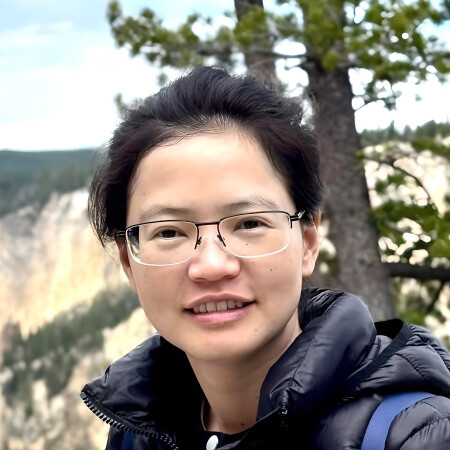
Nancy Friedland is a Lecturer and Librarian for Media, Film Studies, and Performing Arts at Columbia University, based at Butler Library. She has played a pivotal role in establishing the Butler Media Collection and advancing media services within the university library system. She contributes to national and international scholarly initiatives in cinema and performing arts, including editorial and advisory roles in major reference projects. Her educational background includes an M.L.S. from Rutgers University, an M.A. in Theatre Studies from New York University, and a B.A. in Economics from the University of Massachusetts/Amherst. Nancy's research and professional interests center on academic libraries, archival collections, electronic and graphic materials, reference services, and research methods, particularly in the context of film, theatre, and digital scholarship. She is deeply engaged in the evolving landscape of streaming video and digital access in performing arts education. Although no recent articles are listed in the provided text, her editorial contributions and professional presentations reflect a strong commitment to scholarly communication and innovation in media librarianship. Louis Rachow Distinguished Service Award in Performing Arts (2020) Nancy Friedland has advised and contributed to major scholarly projects such as The Film Language Glossary , Women Film Pioneers Project , and Oxford Bibliographies Online: Cinema & Media Studies . She has served on the editorial board of Documenting: Costume Design and co-edited Theatre Architecture: Restoration, Renovation, and New Construction . Her leadership extends to professional service, including roles in the Theatre Library Association (TLA), where she served as President, and Women Make Movies. She has taught at Pratt, Palmer School, and Queens College, and currently teaches INFO 220 at San José State University, likely in a part-time or adjunct capacity. She founded the IPLC Streaming Video Affinity Group in 2020 and has presented at prominent conferences such as IFLA and AMIA, focusing on 21st-century research methods and digital access in film and theatre studies.