Prof. Dr. Jörg E. Drewes is a Full Professor and Chair at the Research Institute for Urban Water Management, Technical University of Munich (TUM), Germany. He also serves as Academic Program Director for Environmental Engineering at TUM and is a co-founder of Waterloop Solutions GmbH. His work spans advanced water treatment technologies, wastewater reuse, and environmental health surveillance. Affiliations : TUM, Colorado School of Mines, King Abdullah University of Science and Technology, UNSW Water Research Centre Research focuses on advanced oxidation processes , membrane fouling mitigation , micropollutant removal , and wastewater epidemiology for public health. His team develops integrated systems for water-energy-food nexus applications and graphene oxide-based treatment solutions. Recent publications address PFAS remediation , UVC-LED pre-treatment for biofouling control, and GIS-based wastewater surveillance models . Awards include the Bayerische Staatsmedaille (2023) and William Dunbar Medal (2022). 2023 : Bayerische Staatsmedaille 2022 : William Dunbar Medal 2018 : IWA Fellow He leads the Nexus@TUM initiative and contributes to EU water resilience strategies. Collaborations include projects in Germany, China, India, and Spain, focusing on climate-resilient water systems and resource recovery .
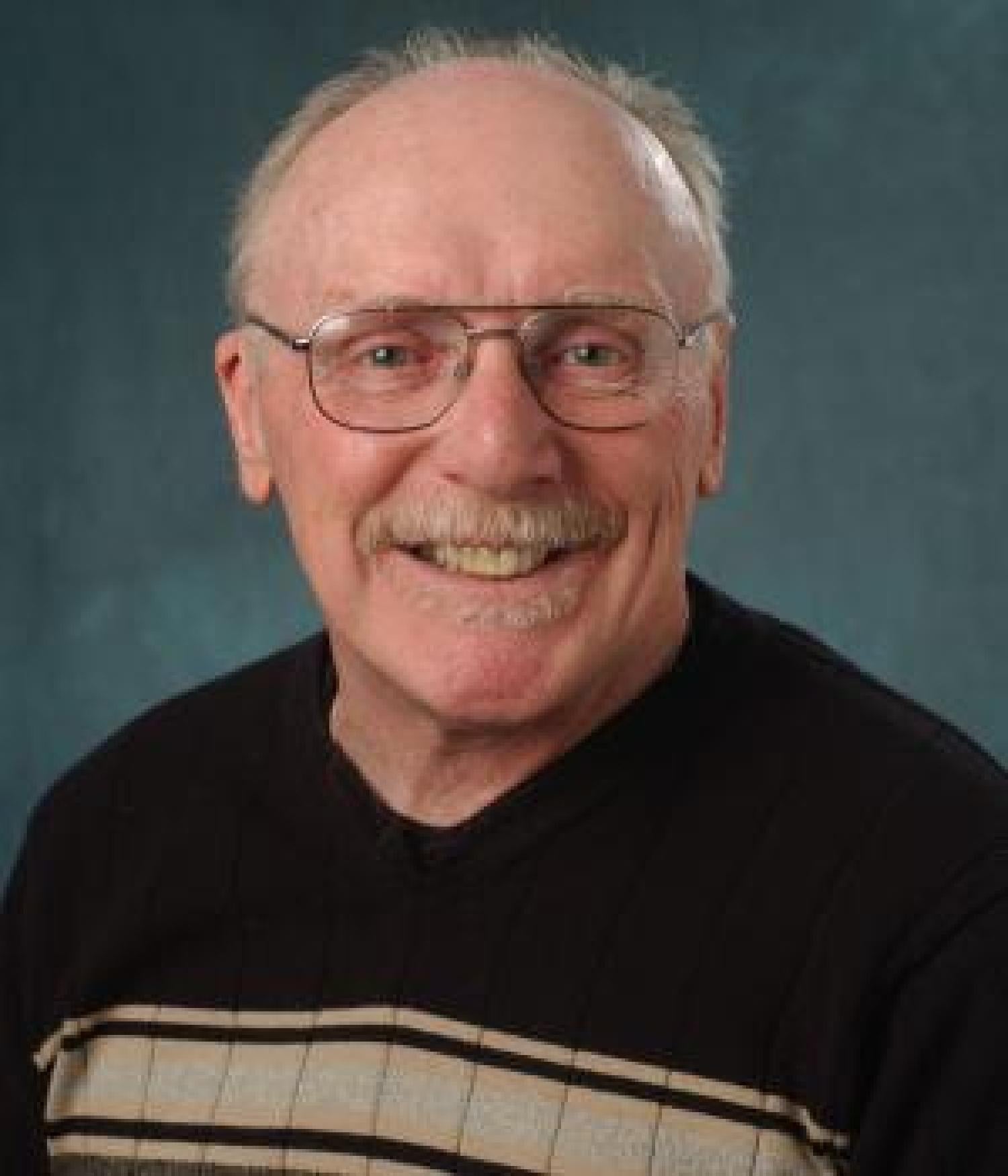
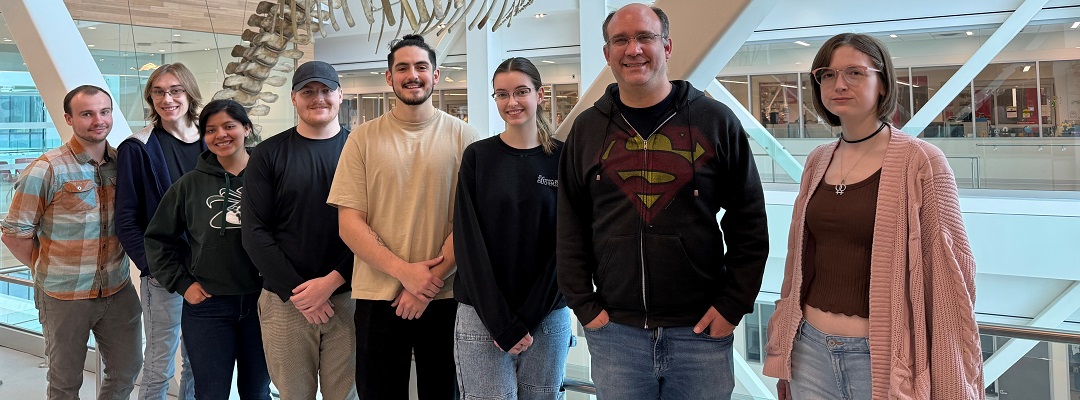
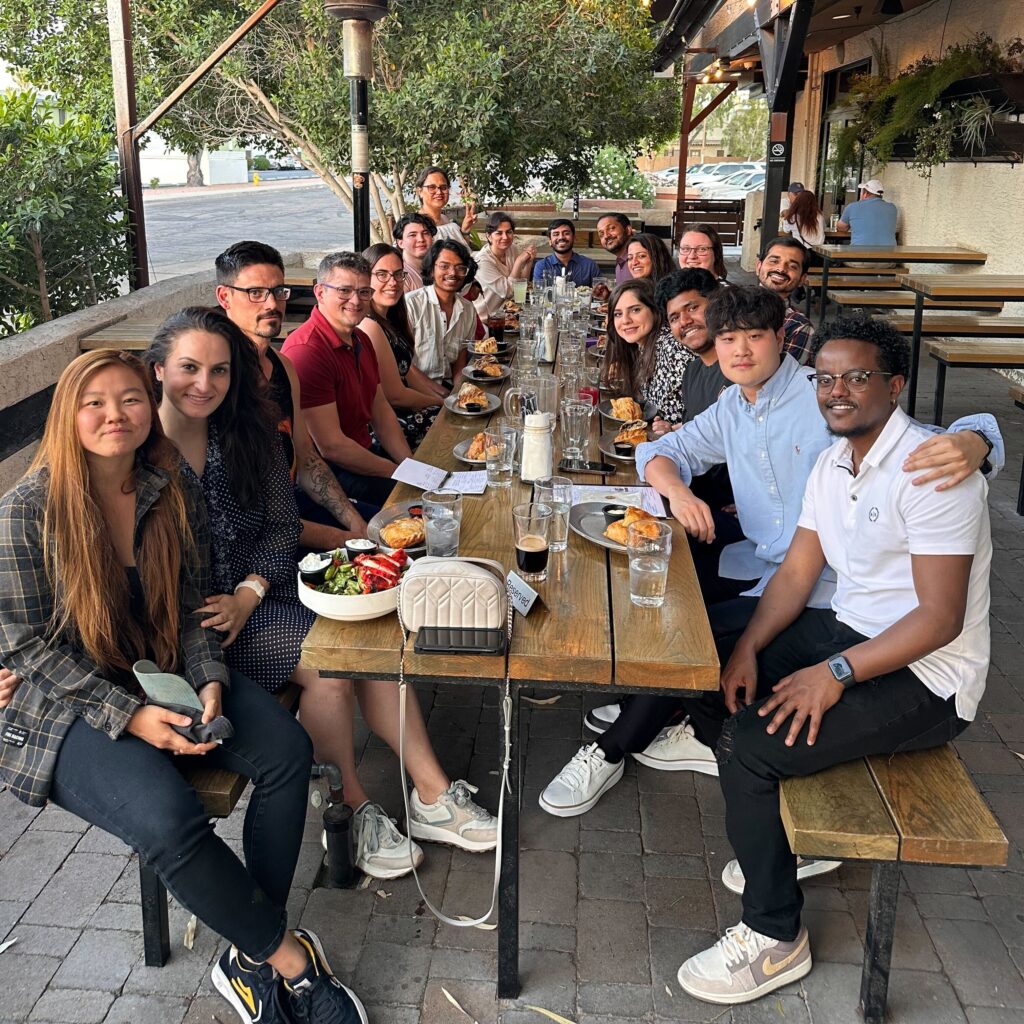
Karen I. Winey serves as the Harold Pender Professor in the Department of Chemical and Biomolecular Engineering and Materials Science and Engineering at the University of Pennsylvania's School of Engineering and Applied Science. Her research group employs experimental and computational tools to investigate advanced polymers for energy applications, particularly focusing on proton and ion conductivity for fuel cells and batteries within the Laboratory for Research on the Structure of Matter (LRSM). Dr. Winey's research encompasses: Designing functional polymers to improve proton, hydroxide, and ion conductivity Studying polymer nanocomposites and nanoparticle dynamics in electrochemical devices Developing polymer-to-polymer upcycling methods to convert waste polyolefins to higher value polymers Revolutionizing understanding of ionomer morphologies beyond traditional spherical aggregate models Her recent publications reveal significant advances in sustainable energy materials, particularly fluorine-free alternatives to conventional polymer electrolytes. The research spans fundamental studies of ion transport mechanisms in precisely engineered polymers to practical applications in energy devices. A critical focus is understanding how nanoscale morphology affects macroscopic properties, with particular attention to structure-property relationships in ion-conducting polymers for fuel cells and batteries. Scientific recognition includes: 2025 Turner J. Alfrey Visiting Professor Harold Pender Professorship (endowed chair) NSF DMR Polymers grant awarded July 2025 Dr. Winey actively mentors a diverse research group including PhD students, postdoctoral researchers, and undergraduates. Her lab recently welcomed six summer undergraduates and has celebrated numerous student achievements including qualifying exam successes and award-winning presentations. Current major projects include the Port5 collaboration and the PolyUp project focused on polymer upcycling through dehydrogenation and functionalization strategies. The Winey Group operates within Penn's state-of-the-art Vagelos Laboratory for Energy Science and Technology (VLEST), maintaining active collaborations with institutions including the University of Konstanz in Germany, Florida State University, and Michigan State University. The group regularly hosts international visitors and participates in major conferences including the APS Global Physics Summit.
Neha Sharma is an Assistant Professor in the Department of Civil and Environmental Engineering at Auburn University. Her research focuses on nutrient recovery, electrochemical resource recovery, water reuse, trace metal cycling, and pollutant fate and removal.
Dr Santiago Romero-Vargas Castrillon is a Senior Lecturer in Chemical Engineering at the University of Edinburgh, affiliated with the Institute for Infrastructure and Environment and the School of Engineering. He previously held positions at the University of Minnesota and Yale University. His research focuses on membrane technology, environmental nanomaterials, and biofouling mitigation. Education: PhD in Chemical Engineering (Princeton University), postdoctoral research at Yale, and degrees from McGill University and University of Western Ontario. Research interests include colloid science, membrane separations, and 2D nanomaterial applications. Key projects involve developing novel cleaning processes for water treatment membranes and studying bioadhesion mechanisms using AFM. Recent awards include RSE Young Academy membership and EPSRC funding. He actively supervises PhD students and collaborates with industry partners like Panton-McLeod.
Prof. Dr. Taner Akbay is a faculty member at Yeditepe University, Faculty of Engineering , Department of Materials Science and Nanotechnology Engineering. He has held academic positions at institutions including Kyushu University, Oita University, and Imperial College London. Education: PhD in Materials Engineering (1993, Imperial College London); Master’s (1989) and Bachelor’s (1986) degrees from Middle East Technical University. His research spans Materials Engineering , Metallurgy , and Solid Oxide Fuel Cells (SOFCs) , with a focus on oxide ion conductivity, laser surface treatment, and phase transformations. Recent work explores photocatalysis , anion intercalation , and CO2 reduction using computational and experimental approaches. Key article trends include SOFC optimization (2004–2009), strain effects on catalysts (2015–2020), and dual-carbon battery technology (2016–2020). His work bridges fundamental metallurgy and advanced energy materials . Scientific Awards: Postdoctoral Research Sponsorship Award (EPSRC, UK) JSPS Fellowship (Japan) Daiwa Adrian Prize (2016, UK) PhD Studentship at Imperial College (European Commission) He has supervised multiple PhD and Master’s theses, including projects on dual-carbon batteries , microwave absorption nanocomposites , and rare earth recovery . Administrative roles include Head of Department (2020–2021). Non-University Experience: Worked with Mitsubishi Materials Corporation (2001), Çolakoğlu Metalurji (2010), and National Research Council Canada (2009).
Anne BOUTIN is a Research Director at the French National Center for Scientific Research (CNRS) and Professor at the École Normale Supérieure (ENS) in Paris, France. She leads the Department of Chemistry at ENS, focusing on the thermodynamics of confined fluids and molecular simulations of porous materials like metal-organic frameworks (MIL-53, ZIF-8) and zeolites. Education: Habilitation (1999), PhD in Chemical Physics (1992), Graduate of École Normale Supérieure (1992), MSc (1990) – all from University of Paris XI, Orsay. Positions: CNRS Research Fellow (1994–2009, University of Paris XI; 2009–present, ENS), Visiting Scientist at UC Santa Barbara (1999), Postdoctoral at Imperial College London (1993–1994). Research spans thermodynamic modeling of adsorption-induced structural transitions, polarizable force fields for charged materials, fluid dynamics in nanopores, and stability analysis of flexible frameworks. Google Scholar highlights recent work on electrolyte intrusion (2023) and defect impacts in zeolites (2023). Publications emphasize computational approaches to water confinement , gas separation , and material flexibility . Her 41+ peer-reviewed articles reflect expertise in Monte Carlo , molecular dynamics , and force field development . Awards: Nathalie Demassieux PhD Award (1993) CNRS Bronze Medal (1999) Legion of Honor (2017) Teaching: Statistical thermodynamics. Students: Supervised 17 PhD/postdoc directions.
Prof. Dr. André Bardow is a Full Professor in Energy and Process Systems Engineering at ETH Zurich , leading research at the intersection of thermodynamics, machine learning, and sustainable energy systems. Previously, he held professorships at RWTH Aachen University (2010-2020) and TU Delft (2007-2010). He also served as part-time director at Forschungszentrum Jülich (2017-2022) and visiting professor at UC Santa Barbara (2015/16). His work focuses on energy systems optimization , computer-aided molecular design , and CO2 capture & utilization . PhD from RWTH Aachen University Current ETH Zurich affiliation Former roles at RWTH Aachen, TU Delft, Jülich Research Center His research integrates machine learning with thermodynamic modeling to optimize processes like crystallization and electrochemical cooling . Recent publications demonstrate advancements in solvent design, CO2 transport LCA, and ORC working fluid optimization. He chairs the VDI Technical Committee for Thermodynamics (2016-2024) and has received multiple awards including the Covestro Science Award and Arnold-Eucken-Award . Current projects address carbon circular economies , electrified chemical production , and AI-driven process optimization . His lab at ETH Zurich develops cutting-edge technologies like ML-CAMPD frameworks for sustainable separation processes and photoacid-based CO2 capture systems. Funding from the H2020 Systemic Expansion of Circular Ecosystems (grant 101036854) supports these initiatives. 2024 Clarivate Highly Cited Researcher 2022 Inaugural Lecture: "To sustainability and beyond: A computer-animated story on energy & chemicals" Recipient of multiple teaching and research excellence awards
Richard D. Noble is a Research Professor in the Department of Chemistry at the University of Colorado Boulder. His research focuses on advanced membrane technologies for gas and liquid separations, with particular expertise in ionic liquids, liquid crystals, and the application of external fields for selective separations. He maintains an active laboratory in Cristol Chemistry (room 357) and collaborates extensively with Professor Doug Gin on many research projects. Noble received his BE and ME from Stevens Institute of Technology in 1968 and 1969 respectively, followed by a Ph.D. from the University of California, Davis in 1976. His educational background in engineering has provided a strong foundation for his research in chemical engineering and materials science. Professor Noble's research program centers on three interconnected areas. His primary focus is on ionic liquids for gas separations , where he evaluates various ionic liquids and complexation chemistry to tailor material properties to specific feed mixtures. He explores composite polymer/IL structures and incorporation of complexation chemistry and zeolites, and has developed specialized apparatus to measure gas solubility and diffusivity in ionic liquids. This work is conducted in collaboration with Professor Doug Gin. His second research thrust involves the use of external fields for selective separations . Noble studies how electric or light energy can enhance separation processes by changing binding affinity of complexing agents. His notable achievement is an electrochemical pump with no moving parts that produces pressures exceeding 20 atm, with applications in lab-on-a-chip and micro-scale devices. He also develops charged polymer structures for membrane separators with wide temperature and chemical stability. His third major area focuses on liquid crystals organized to form nanostructured polymer network films. These cross-linked stable films are evaluated for nanofiltration applications, particularly in water filtration including treatment of water from fracking operations. This work often intersects with his ionic liquids research, creating composite structures with potential applications in electrochemical pumps. Noble's publication record from 2017-2019 shows consistent focus on membrane technologies for separation processes, with increasing sophistication in membrane design incorporating ionic liquids, liquid crystals, and novel materials like pillar[5]arenes. His work demonstrates a clear trend toward addressing practical industrial challenges, particularly in natural gas purification (CO 2 /CH 4 separation) and environmental applications (treatment of fracking wastewater). His collaborations have produced high-impact work published in top journals including Nature Materials , Journal of Membrane Science , and Angewandte Chemie . Professor Noble has received numerous prestigious awards recognizing his contributions: AIChE Institute Service to Society Award (2005) Alfred T. and Betty E. Look Professor of Chemical Engineering (2005-present) Multiple Outstanding Graduate Teaching Awards from the Chemical Engineering Department (2006-2008) ACS Industrial & Engineering Chemistry Division Fellow (2007) CU Boulder Inventor of the Year (2008) Barrer Lecture at Penn State University (2008) Fellow at the Renewable and Sustainable Energy Institute (2009-2012) Robert L. Stearns Award from CU Alumni Association (2010) Chair d'Excellence Pierre de Fermat at Paul Sabatier University, Toulouse (2010) AIChE Institute Excellence in Industrial Gas Technology Award (2010) And numerous others through 2015 While specific grant details aren't provided, Noble's extensive publication record with multiple co-authors suggests active research mentoring and well-funded projects. His work on sophisticated apparatus and high-quality publications indicates substantial research support. His collaborations, especially with Doug Gin, suggest a strong research group environment focused on membrane science and separation technologies. Professor Noble's research operates at the intersection of chemistry, chemical engineering, and materials science. His laboratory includes facilities for membrane fabrication, gas separation testing, and characterization of novel materials. The development of specialized apparatus for measuring gas properties in ionic liquids suggests dedicated equipment for fundamental property measurements. His work on electrochemical pumps indicates capabilities in microfluidics and device fabrication, with the collaborative nature of his research suggesting a team approach to tackling complex separation challenges.
Mohammad Peydayesh is a Lecturer and Senior Researcher at the Department of Health Sciences and Technology , ETH Zürich. He works in the Food and Soft Material Laboratory , focusing on sustainable materials derived from food waste and agri-food byproducts. PhD in Chemical Engineering (2018, Iran University of Science and Technology) Postdoctoral Fellow at ETH Zürich under Prof. Dr. Mezzenga Senior Assistant at ETH Zürich since 2021 His research spans soft matter , self-assembly phenomena , and amyloid fibril applications in: Environmental engineering (water purification, heavy metal removal) CO2 conversion and storage Smart packaging and bioplastics development Biorefinery concepts and circular economy Nanomaterials for waste valorization Recent publications highlight trends in amyloid-based hybrid materials for: Metal recovery from e-waste and contaminated water CO2 capture and conversion Bioplastic production from agricultural waste Antiviral and detoxification applications Water desalination and purification Photonic and catalytic materials He contributes to the Laboratory of Food & Soft Materials , advancing sustainable solutions through interdisciplinary material science.
Dr. Michael J. Katz is a Professor in the Department of Chemistry at Memorial University in St. John's, Newfoundland and Labrador, Canada. He leads an active research group focused on porous materials, particularly metal-organic frameworks (MOFs), with applications in gas storage, chemical separation, and catalysis. His work is well-recognized in the field of materials chemistry, with numerous publications in high-impact journals spanning from 2005 to 2025. Dr. Katz's primary research interests lie in the synthesis, properties, and applications of porous materials. His work specifically focuses on: Metal-Organic Frameworks (MOFs) design and synthesis Gas storage technologies, particularly low-pressure methane storage Chemical separation processes including removal of harmful molecules from air Catalysis using porous materials Adsorption properties of various porous frameworks Environmental applications of porous materials Analysis of Dr. Katz's publication record from 2017-2025 reveals a strong emphasis on zirconium-based MOFs, particularly the UiO-66 family. His research spans fundamental characterization techniques like NMR spectroscopy to practical applications in carbon capture, gas separation, and environmental remediation. A notable trend is the increasing focus on real-world implementation of MOFs, including biochar-based materials for CO 2 capture and frameworks for air pollutant removal such as nitrous acid. His work demonstrates a progression from fundamental materials science toward practical environmental applications. Dr. Katz actively supervises graduate students and postdoctoral researchers in his research group. His laboratory at Memorial University is equipped for the synthesis and characterization of novel porous materials, with particular expertise in metal-organic framework development. His research is supported by various grants that enable the exploration of structure-property relationships in porous materials and their practical applications.
Matthew Green is a tenured Professor in the Department of Chemical Engineering at Arizona State University , where he has been since 2014. He serves as Director of the Center for Negative Carbon Emissions and Associate Director of the Biodesign Center for Sustainable Macromolecular Materials and Manufacturing . Director, Center for Negative Carbon Emissions Associate Director, Biodesign Center for Sustainable Macromolecular Materials and Manufacturing Research Focus : Design of ion-containing polymers for water purification , CO2 capture , and nanocomposites , with emphasis on electrostatic interactions, microstructure control, and stimuli-responsive materials. Key thrusts include membrane technology , epoxy thermosets , nanoparticle templating , and electrospun fibers . Publication Trends : Recent work spans zwitterionic polymers for anti-scaling membranes, phosphonium-based DAC systems , silica nanocomposites , and biomaterials for immunotherapy , reflecting interdisciplinary expertise in polymer chemistry , environmental engineering , and materials science . Awards & Grants : 2019 NSF CAREER Award 2018 NASA Early Career Faculty Award 2022 Sloan Foundation Grant DOE DAC Pre-Commercial Technology Prize (2023) Multiple DURIP grants Email : mdgreen8@asu.edu
Kumar Varoon Agrawal is an Associate Professor at École Polytechnique Fédérale de Lausanne (EPFL), holding the Gaznat Chair for Advanced Separations. He is affiliated with the School of Basic Sciences (SB), the Institute of Chemical Sciences and Engineering (ISIC), and the Laboratory of Advanced Separations (LAS) in Sion, Switzerland. Additionally, he contributes to the Swiss Doctoral School in Chemical and Bioengineering (SCGC) and serves as Vice President of the Confédération des Chimistes et des Génie Chimique (CCE). Research Focus: Material Chemistry & Engineering at the Ångström scale for high-performance inorganic and hybrid membranes, emphasizing energy-efficient molecular separations. Teaching: Courses include Fundamentals of separation processes , Diffusion and mass transfer , and Chemical engineering product design . Scientific Contributions: His 15 most recent publications (2025-2020) span topics like graphene pore engineering , 2D material synthesis , carbon capture , and gas separation membranes , with keywords such as Nanotechnology , Materials Science , and Molecular Transport . Subfields include Atomic-Scale Pores , Membrane Stability , and Industrial Scalability . Students and Collaborations: He advises 10 current PhD students and has mentored 9 past PhD candidates in areas like graphene membranes , ion separation , and MOF films . He is an Academic Referent for the EPFL Carbon Team and a committee member for the EDCH Doctoral Program in Chemistry and Chemical Engineering.
André Bardow is a Full Professor at the Department of Mechanical and Process Engineering, ETH Zürich. His research focuses on energy systems optimization, life cycle assessment, computer-aided molecular design, and CO2 capture/utilization. Professor (ETH Zürich, 2020–present) Head of Institute of Technical Thermodynamics (RWTH Aachen University, 2010–2020) Visiting Professor (University of California, Santa Barbara, 2015/16) Part-time Director (Forschungszentrum Jülich, 2017–2022) Associate Professor (TU Delft, 2007–2010) Research Interests: His work spans energy and process systems engineering, with emphasis on sustainable technologies. Key areas include: Computer-aided molecular and process design Machine learning for chemical engineering Carbon capture and utilization (CCU) Life cycle assessment (LCA) of industrial processes Thermo-economic modeling of energy systems Multiphase equilibrium analysis Publication Trends: Recent articles focus on integrating machine learning with process design, optimizing CO2 capture in steel production, and advancing electrochemical cooling technologies. Subfields include sustainable plastics, ORC working fluids, and solvent mixture design. Scientific Awards: Fellow of the Royal Chemical Society Recent Innovative Contribution Award (EFCE, 2019) PSE Model-Based Innovation Prize (2018) Covestro Science Award (first recipient) Arnold-Eucken-Award (VDI-GVC) Highly Cited Researcher (Clarivate, 2024) Advising and Grants: Professor Bardow mentors students in process optimization and leads projects like Systemic expansion of territorial CIRCULAR Ecosystems for end-of-life FOAM (Grant 101036854, EC).
Jan de Gier is a Professor at the School of Mathematics and Statistics, The University of Melbourne . He is also the Founding Director of MATRIX , Australia’s residential research institute in the mathematical sciences, and a former Deputy Director and Chief Investigator in the Australian Research Council Centre of Excellence for Mathematical and Statistical Frontiers (ACEMS) . Additionally, he co-founded the Australian and New Zealand Association for Mathematical Physics (ANZAMP) in 2011 and served as its inaugural Chair. His research focuses on solvable lattice models at the intersection of mathematical physics and statistical mechanics . Key areas include the application of quantum integrability , algebraic structures like the Yang-Baxter equation, Hecke algebras, and quantum groups, as well as analytical methods such as complex analysis and elliptic curves. His work bridges pure and applied mathematics through connections between enumerative combinatorics , representation theory , and real-world phenomena like traffic flow modeling via exclusion processes . The 15 most recent articles reflect his expertise in integrable systems , non-equilibrium statistical mechanics , and algebraic combinatorics . Topics span Macdonald polynomials , stochastic duality , quantum spin chains , and traffic modeling , with methodologies involving matrix product forms , exact solutions , and critical phenomena analysis. He has contributed to editorial efforts through the AustMS Gazette and MATRIX Annals, and has been involved in public science communication via opinion pieces on mathematics funding and applications. His work emphasizes the importance of fundamental research in driving technological innovation, as highlighted in media articles discussing pi calculation , zero-knowledge proofs , and mathematics education .
Michael John Janik is a Professor in the Department of Chemical Engineering at Pennsylvania State University, with significant affiliation to the Institute of Energy and the Environment (IEE). His academic profile demonstrates exceptional research productivity with 270 research outputs, 25 funded projects, and substantial scholarly impact reflected in 17,238 citations and an h-index of 61. His research expertise centers on computational chemistry with particular focus on Density Functional Theory applications to catalysis and electrocatalysis. The fingerprint analysis of his work reveals strong concentrations in Density Functional Theory (76%), Oxidation Reactions (36%), Carbon Dioxide research (29%), Adsorption phenomena (27%), and First Principles Chemistry (22%). His work significantly contributes to UN Sustainable Development Goals related to clean energy and climate action. Analysis of his recent publications (2020-2025) reveals a strong research trajectory in electrocatalysis, particularly examining cation effects on CO 2 reduction mechanisms, intermetallic catalyst design, and computational modeling of electrochemical systems. His work bridges fundamental computational chemistry with practical applications in sustainable energy conversion. h-index of 61 17,238 total citations Multiple high-impact publications in journals including Nature Catalysis, Journal of the American Chemical Society, and Science Advances Professor Janik actively leads and collaborates on numerous research projects, particularly with Dr. Rioux and other colleagues, focusing on advanced catalyst development and electrochemical energy conversion systems. His current research portfolio includes multiple active NSF-funded projects extending through 2027 that address critical challenges in electrocatalysis, CO 2 reduction, and intermetallic catalyst design. His research group maintains strong connections with the Institute of Energy and the Environment, positioning his work at the intersection of fundamental computational chemistry and applied energy solutions. Current projects include combining DFT with classical simulations to predict solvation effects, developing high-entropy alloys for catalysis, and studying oxide overlayers in CO 2 reaction systems.