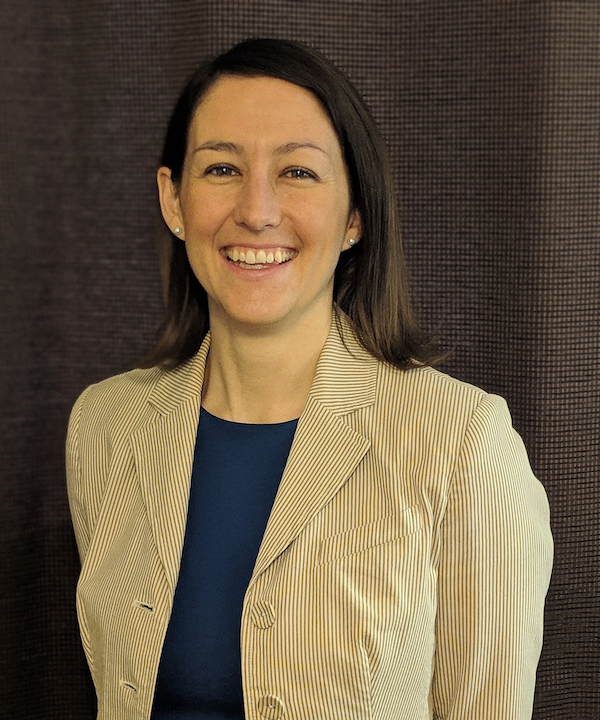
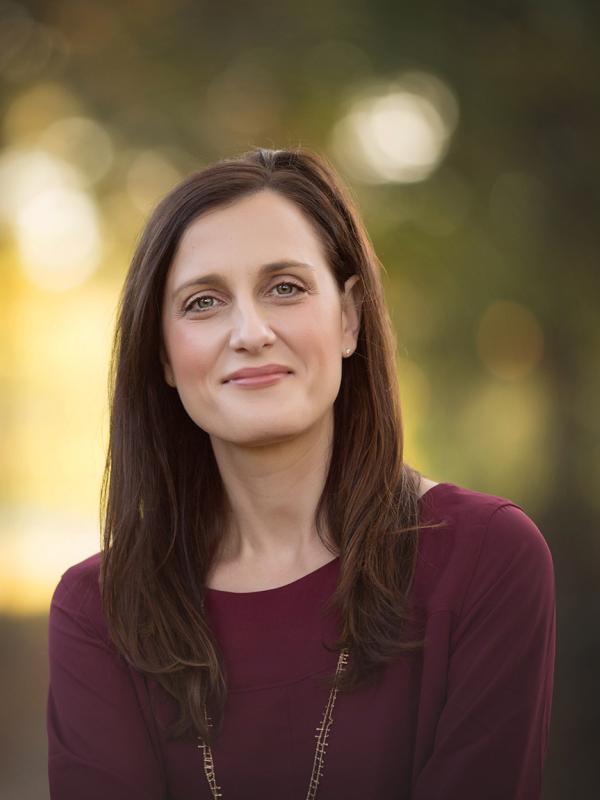
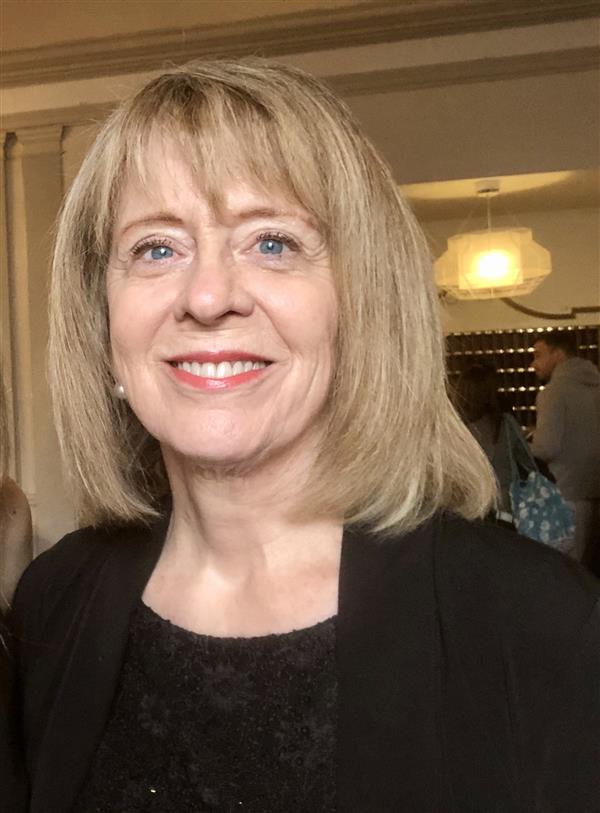
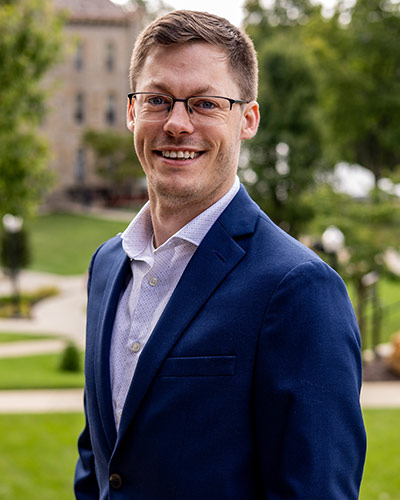
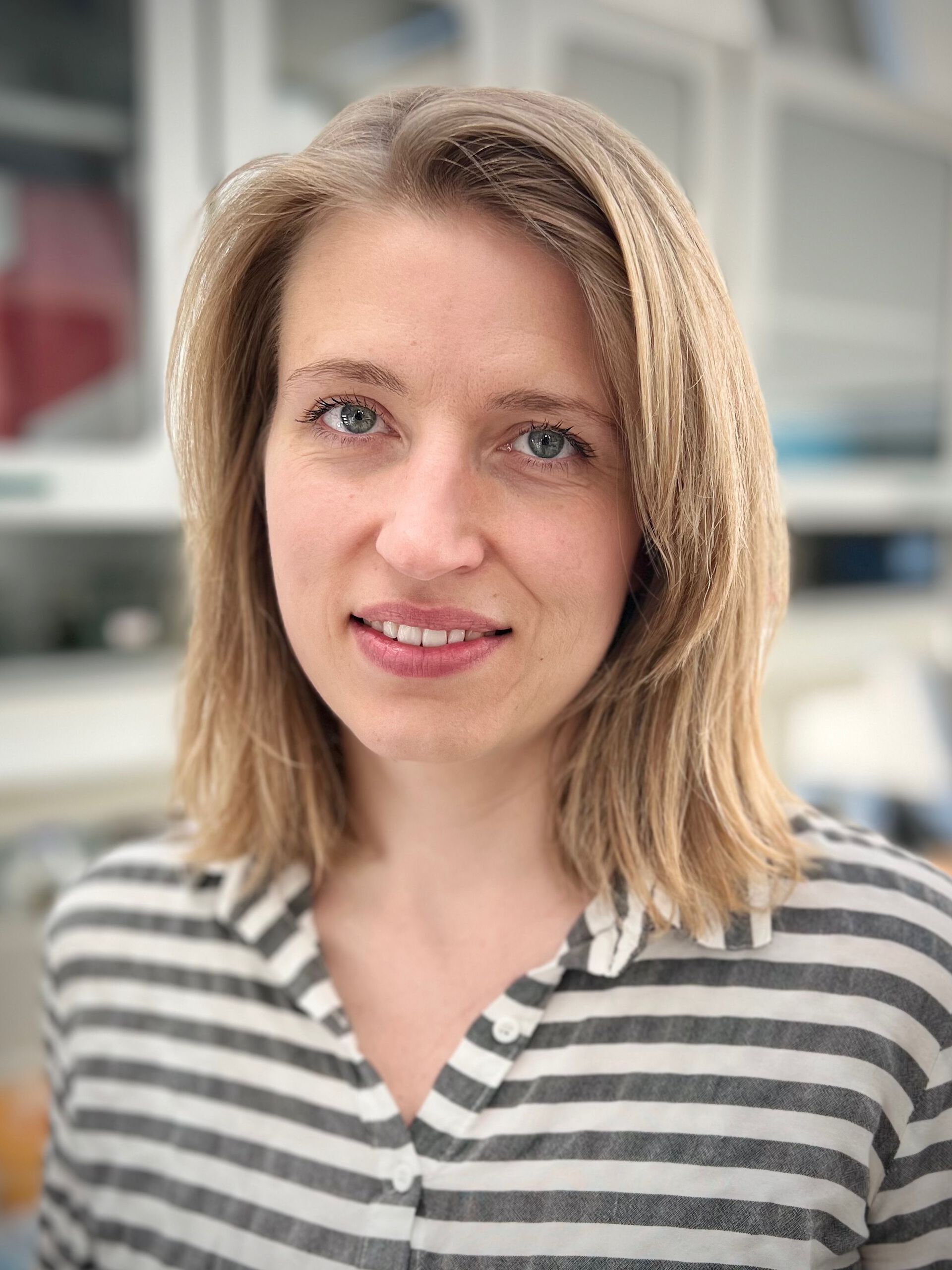
Kaitlin Basham is an Assistant Professor of Oncological Sciences at the University of Utah's School of Medicine. Her research focuses on understanding the cellular and molecular mechanisms driving cancer initiation and evolution, particularly in the adrenal cortex. Uses transgenic mouse models to study cellular senescence in cancer Investigates tumor microenvironment interactions via orthotopic transplant models Develops novel mouse models to explore stem cell dynamics in adrenal biology
Ishmail Abdus-Saboor, PhD is an Associate Professor of Biological Sciences and Principal Investigator at Columbia's Zuckerman Institute . His research focuses on the neural circuits underlying somatosensory experiences , particularly the biological basis of pleasure and pain through touch mechanisms. Key Research Areas: Neuroethological signatures of pain and analgesia Neural circuits for pleasurable touch and social behavior Epigenetic and genetic tracing of sensory neuron function Scientific Recognition: HHMI Freeman Hrabowski Scholar (2023) NIH New Innovator Award (DP2) Chan Zuckerberg Science Diversity Leadership Award Pew Trust 2022 Biomedical Sciences Scholar Rita Allen Foundation Pain Scholar His work develops automated behavioral sequencing platforms for objective pain measurement and investigates non-addictive pain treatments through genetic analysis. Current studies extend to neuroimmune interactions and stress susceptibility mechanisms in depression models.
Vladimir V. Didenko is an Associate Professor at Baylor College of Medicine, holding dual appointments in the Department of Neurosurgery and the Department of Molecular and Cellular Biology . He is also affiliated with the Huffington Center on Aging and the Dan L Duncan Comprehensive Cancer Center . He earned his MD from the Moscow Medical Institute and PhD from the Institute of General Pathology, Moscow, Russia. His postdoctoral training includes positions at Karolinska Institutet (Stockholm, Sweden) and Baylor College of Medicine (Houston, USA). Research Focus : Dr. Didenko's work centers on apoptosis and DNA damage detection , with a particular emphasis on developing FRET probes and molecular machines for detecting cellular damage. His innovations include the Nanoblinker bio-nanomachine and assays for phagocytic phase analysis in apoptosis. His research spans molecular biology, cell biology, and neurobiology, with applications in cancer, neurodegeneration, and toxicology. Grants & Awards : He has secured NIH funding for projects such as FRET probe development (#R01 NS082553) and apoptosis studies in brain ischemia. He is recognized as an Editorial Board Member of CELLS and ranked 23rd nationally in NIH-funded neurosurgery research (2014). Labs & Collaborations : His lab focuses on translating molecular tools for clinical diagnostics. He collaborates on projects involving nanotechnology, immunology, and regenerative medicine. His work includes patents for DNA ligation methods (US Patents #6,013,438; #6,596,480; #6,864,058).
Ji Ying Sze is an Associate Professor in the Department of Molecular Pharmacology at Albert Einstein College of Medicine. Her research focuses on the genetic and molecular mechanisms governing serotonin signaling in neural circuit development and psychiatric disorders. Her work employs mouse and C. elegans models to investigate how serotonin transporters and early life drug exposures impact synaptic architecture and behaviors linked to autism, schizophrenia, and other neurodevelopmental disorders. Key projects include studying serotonin-absorbing neurons' role in cortical circuit formation and identifying antidepressant-resistant genes through genetic screens in C. elegans. Research Interests: Dr. Sze’s program explores serotonin’s role in neural plasticity, circuit development, and drug responses. Her lab dissects genetic pathways regulating serotonin signaling, with a focus on how disruptions in serotonin transporters (e.g., SERT) during critical developmental periods may underlie autism spectrum disorders and other neuropsychiatric conditions. Translational studies aim to bridge findings from animal models to human CNS development. Publications Highlight: Over 12 peer-reviewed articles since 2009, emphasizing serotonin’s role in synaptic connectivity, antidepressant mechanisms, and neurodevelopmental processes. Recent work (2018) elucidates SSRIs’ effects on prefrontal-raphe circuits and emotional behavior modulation. Advising & Labs: While formal student advisee names aren’t listed here, her lab conducts collaborative research with postdoctoral fellows and graduate students in molecular pharmacology and neurobiology. The lab is located at the Jack and Pearl Resnick Campus in Bronx, NY.
Marilène Paquet is a Full Professor at the University of Montreal's Faculty of Veterinary Medicine, Department of Pathology and Microbiology. She specializes in comparative oncology, reproductive pathology, and the effects of environmental toxins on reproductive health. Her research focuses on the Hippo signaling pathway in cancer and reproductive biology, with a particular interest in canine and murine models. Dr. Paquet teaches courses in veterinary pathology and research seminars, contributing to programs like the Doctorate in Veterinary Medicine. She leads and collaborates on grants funded by organizations such as the Canadian Institutes of Health Research (CIHR) and the Morris Animal Foundation, investigating topics like Slit/Robo signaling in gonadotropins and Hippo pathway dysregulation in canine mammary tumors. Her research interests span comparative pathology, reproductive physiology, and environmental health, integrating molecular mechanisms with clinical applications. Notable studies include targeting the Hippo pathway with statins for canine cancer therapy and elucidating Wnt/Hippo pathways in ovarian development. Affiliations: Centre de recherche en reproduction et fertilité (CRRF) and Réseau Québécois en reproduction (RQR). Grants: Includes projects on Slit/Robo signaling (2018–2028), LRH-1 in breast cancer (2018–2024), and NPWT for equine wounds (2016–2018). Labs/Teams: Active in veterinary oncology and reproductive biology research groups at the Faculty of Veterinary Medicine.
Dr. William E. Cullinan is an Adjunct Professor of Neurosurgery and currently serves as Dean of the College of Health Sciences at Marquette University. He also directs the Integrative Neuroscience Research Center (INRC), fostering interdisciplinary neuroscience research and education. Cullinan earned his B.S. in Physical Therapy from Marquette University (1981) and a Ph.D. in Neuroscience from the University of Virginia (1991). His postdoctoral work at the University of Michigan’s Mental Health Research Institute (1991–1995) preceded his faculty appointment at Marquette in 1995. His research focuses on stress neurobiology, particularly how stimulatory/inhibitory brain circuits regulate neuroendocrine responses to stress and their dysfunctions in neuropsychiatric disorders. Funded by NIH and NARSAD, his lab explores hypothalamic-pituitary-adrenal (HPA) axis regulation, glutamate/GABA signaling, and stress-related neural circuits. He teaches anatomy, neuroanatomy, and neuroscience to medical/dental students and residents. Received the John P. Raynor, S.J. Teaching Excellence Award (2002) and the John P. Raynor Professorship (2006). Established the INRC in 2001 to promote collaborative neuroscience research and education at Marquette. Developed a nationally recognized neuroanatomical dissection course for medical professionals. His publications emphasize anatomical and functional studies of stress-responsive brain regions, including the hypothalamus, amygdala, and prefrontal cortex, linking circuit dysfunction to mental health disorders. Over 30 faculty members collaborate within the INRC, advancing translational neuroscience research and training programs.
Dr. Benedetta Leuner is an Associate Professor in the Department of Psychology at The Ohio State University. Her research focuses on the female brain, particularly maternal brain plasticity and postpartum mental health. She investigates neuroimmune interactions during pregnancy and postpartum, the impact of stress and opioids on maternal behavior, and hormonal contraceptives' effects on adolescent brain development. Education: PhD in Biopsychology and Behavioral Neuroscience, Rutgers University, 2005 MS in Biopsychology, Rutgers University, 2003 BA in Behavioral Neuroscience, Lehigh University, 1997 Research Interests: Neuroimmune changes in the maternal brain Postpartum depression mechanisms Effects of opioids and hormonal contraceptives Role of microglia in maternal care Recent Article Trends: Her work emphasizes translational models linking neuroimmune systems to maternal behavior and mental health. Recent studies explore opioid exposure in pregnancy, microglia depletion effects, and hormonal contraceptive impacts on adolescent brain regions like the prefrontal cortex. Awards: 2020 Fred Brown Research Award NARSAD Young Investigator Award (2008) Nominee for Distinguished Undergraduate Mentor Award (2015, 2016) Advising & Grants: Supervises graduate students (e.g., Rachel Gilfarb, Courtney Dye) and undergraduates. Funded by NIH, NSF, Brain & Behavior Research Foundation, and OSU initiatives. Collaborates with Dr. Katy Lenz on hormonal contraceptive studies. Labs & Teams: Directs the Leuner Lab, focusing on preclinical studies of female brain health. Collaborations include the Lenz Lab and institutions like the Eunice Kennedy Shriver NICHD.
Dr. Margaret E. Wierman is a Professor at the University of Colorado School of Medicine in the Department of Medicine-Endocrinology/Metabolism/Diabetes . She serves as Director of the Pituitary Program at the University of Colorado Denver and Chief of Endocrinology at the Denver Veterans Affairs Medical Center. Education: MD, Baylor College of Medicine (1979) BA, Bryn Mawr College (1975) Her research spans reproductive endocrinology , neuroendocrinology , and adrenocortical carcinoma , with recent work focusing on genomic pathways in adrenal tumors and hormonal therapies. She has contributed to 15+ recent articles (2024–2020) on topics like PLK1 inhibitors, DLK1 as a malignancy marker, and steroid hormone interactions. Notable awards include President of the International Endocrine Society and memberships in The Pituitary Society and A5 Adrenal Cancer Society .
Rob Pickard is a researcher at Newcastle University, specializing in urology with a focus on urinary tract infections, stone disease, and surgical interventions. His work prominently features the design and analysis of randomized controlled trials (RCTs) and cohort studies addressing urological conditions such as urethral strictures, ureteric colic, and recurrent UTIs. Research Focus: Dr. Pickard's interests span clinical urology, including innovative treatments for stone passage, urethroplasty techniques, antibiotic prophylaxis strategies, and patient-centered outcomes in urinary disorders. His research integrates microbiology (e.g., L-form bacteria in UTIs) and health economics (e.g., time trade-off utilities). Publications: His recent articles emphasize evidence-based urology, with recurring themes in RCT protocols, surgical outcomes, infection management, and biomarker applications. Key methodologies include nomograms, qualitative patient studies, and cost-effectiveness analyses. Awards & Students: No awards or supervised students are mentioned in the source material. Collaborations: He frequently collaborates with multidisciplinary teams at Newcastle, contributing to large-scale studies like the AnTIC, ALTAR, and MASTER trials. His work reflects engagement with clinical guidelines and translational research in urology.
Dr. Donald Little III is a researcher in the Biology department at Concordia University Ann Arbor, specializing in adrenal physiology, cancer biology, and endocrinology. His work bridges molecular biology, epigenetic regulation, and disease mechanisms. Education: Ph.D. in Cancer Biology, University of Michigan (2021) B.S. in Genetics with minor in Wildlife Science, Purdue University (2015) Research focuses include: Wnt signaling in adrenal development Epigenetic mechanisms in adrenocortical carcinoma Impact of race/gender on cancer prognosis Hormonal regulation and zonation disorders Publications span journals like Molecular and Cellular Endocrinology , Cancer Research , and PLOS One , with recurring themes in signaling pathways, chromatin dynamics, and disease pathology. Awards: Outstanding Abstract Award (ENDO 2022, 2021, 2020) Presidential Poster Presentation (ENDO 2020) 3rd Place - Cancer Biology Program Retreat (2016) Active in academic governance as Co-Chair of the Faculty Summit Committee and IRB member. Professional memberships include National Audubon Society and former Endocrine Society/AAAS affiliations.
Dr. Alexandre BOYER is a Professor at the Université de Montréal's Faculté de médecine vétérinaire, affiliated with the Centre de Recherche en Reproduction et Fertilité (CRRF). His work focuses on molecular mechanisms governing reproductive processes, particularly the roles of WNT and Hippo signaling pathways in testicular and adrenal physiology. He supervises PhD and Master’s students in projects involving transgenic mouse models and cell culture systems. Education includes a B.Sc. in Biology (Université de Sherbrooke, 2000), Ph.D. in Molecular Biology (Université de Montréal, 2006), and postdoctoral training at McGill University (2011) and Baylor College of Medicine (2009). Research interests include steroidogenesis regulation, Sertoli cell function, and the Hippo pathway's role in fertility. He leads projects funded by CRSNG, FRQNT, and MITACS, with grants totaling over CAD 5M. Notable contributions include identifying Hippo pathway roles in testicular development and adrenal cortex maintenance. Labs/Teams: Member of CRRF, Réseau Québécois en Reproduction (RQR), and GREPAQ. Active in training programs, currently recruiting PhD candidates to study Hippo signaling in testicular biology.
Marit Hjorth is a Researcher at the Department of Nutritional Sciences within the Faculty of Medicine at the University of Oslo. Her work focuses on investigating how diet and physical activity affect molecular processes involved in aging and the development of obesity and lifestyle-related diseases. Her primary research interests include Molecular nutrition, Glucose and lipid metabolism, Extracellular vesicles, and Myokines. Her work spans multiple disciplines including exercise physiology, metabolism, and molecular nutrition, with particular emphasis on understanding the molecular mechanisms through which lifestyle factors influence health outcomes. Dr. Hjorth's recent publications demonstrate a consistent focus on exercise-induced molecular changes, particularly regarding extracellular vesicles and myokines. Her research examines how these factors influence metabolic health, cancer prevention, and tissue crosstalk. She employs both human clinical studies and animal models to investigate these mechanisms, with a strong emphasis on translational research that bridges basic science and clinical applications. She has published extensively in high-impact journals including Cell Metabolism, Journal of Lipid Research, and Acta Physiologica, with her 2018 paper 'Extracellular Vesicles Provide a Means for Tissue Crosstalk during Exercise' in Cell Metabolism being particularly influential in establishing the role of exercise-induced vesicles in inter-tissue communication. Dr. Hjorth currently leads research projects related to nutrient regulation of transcription and nutritional aspects of frailty (NutriFrail project), demonstrating her commitment to addressing important health challenges through nutritional science.