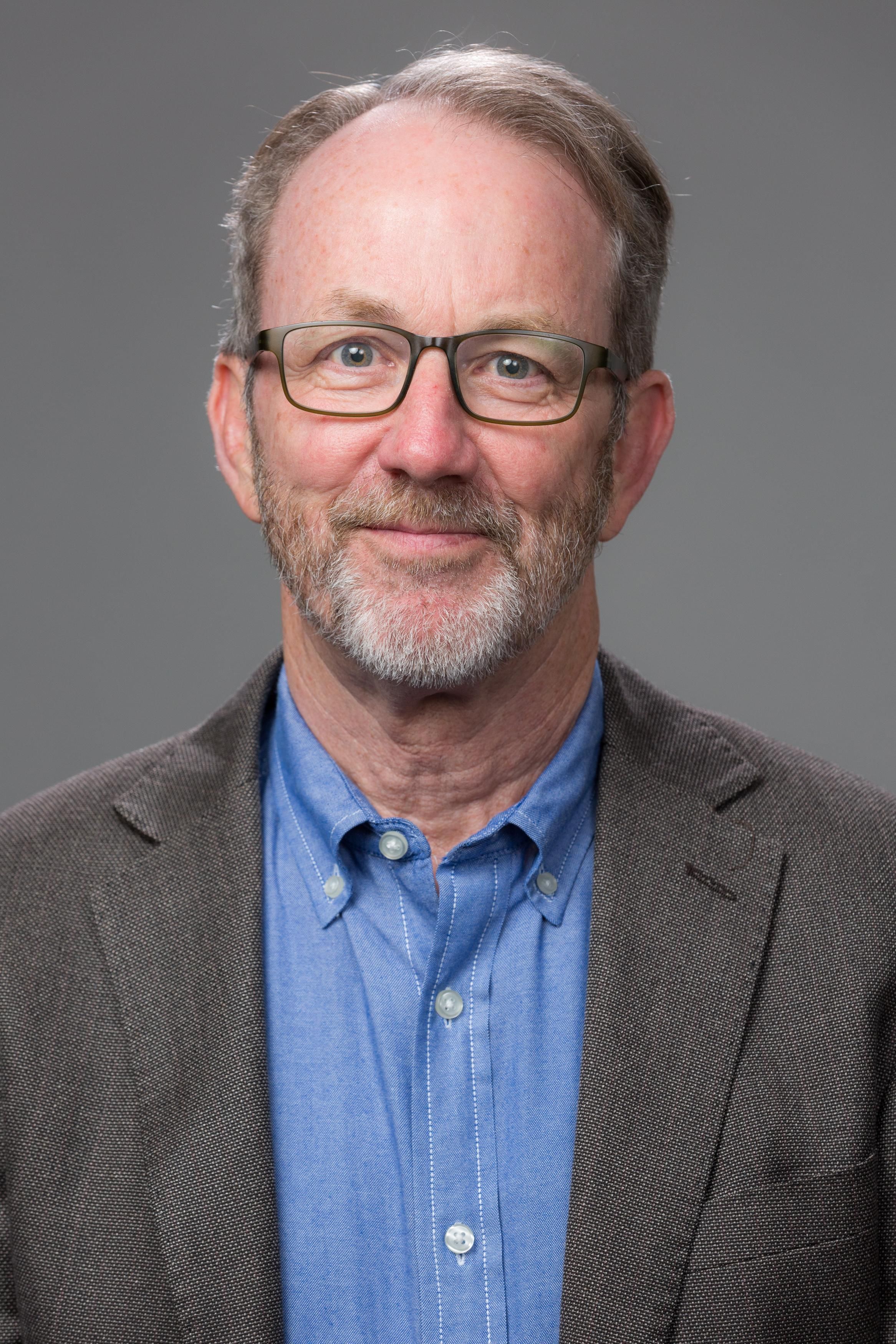
Brian A. Primack is a Professor of Public Health with tenure at Oregon State University's College of Public Health and Human Sciences, serving as its dean since 2022. Previously, he was Dean of Education and Health Professions at the University of Arkansas and Dean of the Honors College at the University of Pittsburgh. His research focuses on social media's impact on mental health, including depression, anxiety, and loneliness. He has authored over 300 publications, including his book You Are What You Click , and secured over $10 million in federal research funding. Dr. Primack's research highlights both risks and opportunities of digital media. He emphasizes optimizing social media use through strategies like curating connections and mitigating negativity. His work intersects education, medicine, and public health, addressing disparities in health outcomes, such as those exacerbated during the pandemic. Notable awards include membership in the American Society of Clinical Investigation (2019) and the Next Big Idea Book Award shortlist (2021). His leadership philosophy prioritizes unlocking potential, fostering community trust, and advancing equitable health solutions. He oversees a college with nearly 2,400 students and $18 million in annual research funding, emphasizing community engagement and innovative scholarship.
Rick Hoyle is a Professor of Psychology and Neuroscience at Duke University, where he serves as Associate Chair of the Department of Psychology and Neuroscience. He is also a Faculty Network Member of the Duke Institute for Brain Sciences. His academic career spans decades, with significant contributions to understanding self-regulation and adolescent development. Dr. Hoyle earned his B.A. from Appalachian State University (1983), followed by an M.A. (1986) and Ph.D. (1988) from the University of North Carolina, Chapel Hill. He progressed from Assistant to Associate to Full Professor at the University of Kentucky from 1989 to 2003 before joining Duke University. His research focuses on how adolescents and emerging adults manage goal pursuit through self-regulation, taking a broad view that accounts for personality, environment, cognition, emotion, and social influences. He employs longitudinal methods with repeated assessments, sometimes spanning years with data collection multiple times per year, or intensive studies with assessments several times daily. His lab develops innovative measurement tools including self-report measures of self-control and grit, as well as unobtrusive approaches using mobile phones and wearable devices to track goal pursuit in natural settings. His recent publications reveal a strong focus on self-regulation in digital contexts, adolescent substance use, socioeconomic influences on development, and innovative measurement approaches. His work increasingly integrates technology (social media analysis, wearable devices) with traditional psychological research methods to understand real-world behavior. Fellow, Association for Psychological Science (2013) Dr. Hoyle has secured numerous research grants totaling millions of dollars, including the current Real-Time and Randomized Tests of Social Media and Mental Health Links in Early Adolescence (2024-2029), NCCU Duke - Substance Use Research & Education (2024-2029), and Mid-Life Health Inequalities in the Rural South: Risk and Resilience (2023-2028). His grant portfolio demonstrates sustained funding for research on adolescent development, substance use, self-regulation, and health disparities. He teaches advanced courses including Applied Structural Equation Modeling and Psychology and Neuroscience Grant Writing, mentoring the next generation of researchers in quantitative methods and research design. His work through the Center for the Study of Adolescent Risk and Resilience (2008-2025) has established a significant research infrastructure for longitudinal studies of adolescent development. Current projects examine social media effects on mental health, substance use patterns, and the impact of environmental factors on adolescent well-being using innovative digital tracking methods.
Uwe Flick is a Seniorprofessor in the Department of Education and Psychology at Freie Universität Berlin, specializing in Qualitative Social and Education Research. He has held professorships at Alice Salomon University and Hannover Medical School and is internationally recognized for his contributions to qualitative methodology. Education: Dr. phil. from Freie Universität Berlin (1988), Habilitation in Psychology from Technical University of Berlin (1994). Professional Affiliations: Freie Universität Berlin (2013–present, Seniorprofessor since 2022), Alice Salomon University (2004–2013), Hannover Medical School (1996–1997). His research centers on qualitative methods , social representations of health and illness , chronic illness , migration , and vulnerability . He investigates the lived experiences of marginalized groups, including chronically ill youth, homeless adolescents, and refugees, often employing triangulation and mixed methods to deepen understanding. The 15 most recent publications highlight his sustained focus on advancing qualitative research methodology—editing handbooks, writing foundational texts, and refining concepts of research quality, triangulation, and design. Simultaneously, his empirical work explores health communication, peer relationships, and integration challenges among vulnerable populations, demonstrating a powerful integration of methodological innovation with socially relevant inquiry. Scientific Awards: Lifetime Achievement Award in Qualitative Inquiry, ICQI (2019) Flick actively advises doctoral students through his Promotionskolloquium and has secured substantial research funding for projects on refugee integration, sleep disorders, and chronic illness. His editorial roles in journals like Qualitative Research , Journal of Health Psychology , and Sozialer Sinn , and his leadership in book series such as Qualitative Sozialforschung , underscore his influence in shaping the field. He is a central figure in qualitative research communities, frequently engaging as a visiting scholar and professor across Europe and globally. He leads a research team at Freie Universität Berlin, supervising master’s and doctoral projects on topics like peer relations, health concepts, and migration, fostering the next generation of qualitative researchers.
Benjamin Andrew Toll is a Professor in the Department of Public Health Sciences and Psychiatry at the Medical University of South Carolina (MUSC) College of Medicine. He serves as Associate Director of Education and Training for the Hollings Cancer Center, Vice Chair of Research in the Department of Public Health Sciences, Co-Director of the Lung Cancer Screening Program, and Director of the Tobacco Treatment Program at MUSC. Dr. Toll received his BA from Cornell University (1996), MS and PhD from Nova Southeastern University (1999, 2002), and completed his Postdoctoral Fellowship and Internship at Yale University. Dr. Toll is a leading researcher in tobacco cessation, with over 20 years of experience conducting clinical trials focused on developing novel therapeutics for tobacco and nicotine use. His work primarily centers on preventing cancer through tobacco treatment interventions, with particular emphasis on lung cancer screening patients and cancer surgery patients. He has expertise in nicotine replacement therapy, contingency management approaches, gain-framed messaging, and digital health interventions for smoking cessation across diverse populations including older adults and young adults. His recent publications demonstrate a strong focus on implementation science for tobacco treatment programs across various healthcare settings including hospitals, oncology clinics, and primary care. His research examines barriers to treatment, optimal delivery methods (including telehealth and EHR-integrated tools), and effectiveness of various pharmacological and behavioral interventions for smoking cessation. National Cancer Institute funding (R01CA235697, R01CA207229, P50CA196530) National Institute on Drug Abuse funding (P50DA036151, K12DA000167) Continuous funding for over 15 years for tobacco cessation research As a mentor and leader, Dr. Toll oversees the Education and Training program at the Hollings Cancer Center, guiding the development of future cancer researchers. His Tobacco Treatment Program serves as a model for integrating tobacco cessation into comprehensive cancer care, and he has successfully implemented 'opt-out' tobacco treatment programs across multiple hospital systems in South Carolina. Dr. Toll leads a multidisciplinary research team focused on tobacco treatment, including psychologists, pharmacists, physicians, and implementation scientists working together to develop and test innovative approaches to smoking cessation for high-risk populations.
Steve S. Lee is a Professor and Area Chair of Clinical Psychology at the University of California, Los Angeles (UCLA), conducting research on developmental psychopathology with emphasis on ADHD and disruptive behavior disorders through longitudinal methodologies to identify risk factors and causal mechanisms. Education: Ph.D. in Psychology from the University of California, Berkeley His research investigates how trait negative emotionality, family dynamics, peer interactions, and neuropsychological factors contribute to child behavior problems, with specialized focus on sex differences in conduct disorder outcomes and long-term developmental trajectories of psychopathology. Analysis of his 2016-2020 publications reveals consistent exploration of parenting influences (negative parenting, maternal health), environmental factors (childhood maltreatment, digital media exposure), and demographic variables (gender-specific comorbidity patterns) affecting externalizing behaviors, utilizing longitudinal and meta-analytic approaches across diverse developmental stages. Information regarding student advising and research grants was not provided in the source material. Dr. Lee directs the Lee Lab at UCLA, which maintains an active research program in developmental psychopathology as evidenced by ongoing publications in high-impact journals including JAMA and Developmental Psychobiology.
Dr. Vasileios Stavropoulos is the Associate Dean, Higher Degree Research at RMIT University's Department of Health and Biomedical Sciences. His research focuses on behavioral addictions, digital phenotyping, and the psychological impacts of digital media, particularly in gaming and social media contexts. He supervises numerous research projects addressing topics like cyber-phenotyping via text mining, disordered gaming, and the interplay between digital media and mental health. Key research interests include the psychological mechanisms underlying problematic gaming and social media use, network analysis of addiction symptomologies, and the role of user-avatar bonds in behavioral disorders. His work integrates machine learning and behavioral science to predict and analyze addictive behaviors. Dr. Stavropoulos has published extensively on gaming disorder, social media addiction, and the mental health implications of digital media use. His collaborations span clinical psychology, public health, and computational methods, reflecting his interdisciplinary approach to addressing modern behavioral challenges. He is actively engaged in higher degree research governance at RMIT, overseeing doctoral programs and fostering innovation in research methodologies. His contributions include developing scales for measuring addiction behaviors and advancing longitudinal studies on mental health correlations with digital engagement.
Eyal Aharoni is a Professor in the Department of Philosophy at Georgia State University's College of Arts & Sciences. He holds a Ph.D. in Psychology from the University of California, Santa Barbara (2009) and bachelor's degrees in psychology and religious studies from the same institution. Dr. Aharoni's research program bridges psychology, neuroscience, and legal studies with particular focus on: Risk models for antisocial behavior Application of neuroscience to legal contexts (neurolaw) Impact of emotion and cognitive bias on criminal, moral, legal, and political decision making Psychopathy and criminal justice outcomes His scholarly work demonstrates a consistent interdisciplinary approach to understanding the psychological and neurobiological underpinnings of criminal behavior and legal decision-making. Through experimental, longitudinal, and neuroimaging methodologies, Aharoni investigates how cognitive, behavioral, evolutionary, and neurobiological factors influence criminal justice outcomes and potential reforms. Dr. Aharoni maintains an active research laboratory and welcomes PhD students in psychology, with potential funding opportunities in neuroethics. His current research interests include ethical implications of neuroscience technologies and associated issues in cognitive neuroscience, moral psychology, legal psychology, and forensic psychology. His professional experience includes: Research Associate at the RAND Corporation Postdoctoral fellowship at The MIND Research Network for Neurodiagnostic Discovery and the University of New Mexico Psychology Research positions at the Research Center for Virtual Environments and Behavior Research positions at the Institute for Social, Behavioral, and Economic Research
Professor Louis Schmidt is a leading academic in the Department of Psychology, Neuroscience & Behaviour at McMaster University , with a research focus on developmental psychophysiology, temperament, and the long-term effects of early adversity. His work bridges neuroscience, psychology, and behavioral science, emphasizing the interplay between brain function and socio-emotional development across the lifespan. Key research themes: Shyness, social anxiety, autism spectrum disorder, schizophrenia, and outcomes of extremely low birth weight. Recognized for mentoring postdoctoral fellow Kristie Poole, who was celebrated as a role model in the Child Emotion Laboratory. Scientific Awards : Royal Society of Canada recognition for contributions to research and scholarship. Research Trends from 15 recent publications include: Neurophysiological mechanisms of shyness (EEG, ERP, RSA) Impact of antenatal corticosteroids on adult brain function Intergenerational effects of maternal mental health interventions Cross-cultural comparisons of temperamental shyness Developmental consequences of preterm birth Behavioral and neural correlates of social anxiety in diverse populations Grants & Collaborations : Led the SNACS randomized controlled trial on antenatal corticosteroids, with applications in obstetrics and developmental neuroscience. Collaborates extensively on topics like autism spectrum disorder, schizophrenia, and emotion regulation. Labs & Teams : Directs the Child Emotion Laboratory at McMaster University, fostering interdisciplinary research on developmental psychopathology and neural mechanisms of temperament.
Colin Peter Green is a Professor of Economics at the Norwegian University of Science and Technology (NTNU) in Trondheim, Norway, where he serves in the Department of Economics within the Faculty of Economics. He also holds a research fellowship at the Institute of Labor Economics (IZA) in Bonn, Germany. Having earned his PhD from the University of Queensland in 2008, Green has established himself as a prominent researcher across multiple economic fields. Green's research spans labor economics, education economics, migration studies, health economics, political economy, and behavioral economics. His work frequently examines the intersection of these fields, with particular focus on how economic policies and structures impact individual behavior, educational outcomes, and well-being. Recent projects have investigated performance pay systems, political connections in business, refugee integration in educational settings, and the relationship between physical attractiveness and adolescent risk behaviors. His methodological approach typically employs rigorous empirical techniques applied to large-scale datasets from multiple countries. Green serves as Editor in Chief of the journal Education Economics and is an Associate Editor for the Journal of Economic Behavior & Organization (JEBO). He is also the organizer of the International Workshop on the Applied Economics of Education (IWAEE), demonstrating significant leadership in his academic community. His editorial roles and conference organization indicate substantial recognition from peers and influence in shaping research directions in education and labor economics. His extensive publication record includes articles in top journals such as Journal of Economic Behavior & Organization, Labour Economics, British Journal of Industrial Relations, and Journal of Population Economics. Green's research demonstrates consistent productivity with publications spanning from 2021 through 2025, covering diverse topics from the impact of bar closing hours on traffic accidents to the effects of political donations on UK democracy. Green maintains an active professional presence through his Bluesky account (@colinpgreen.bsky.social) where he engages with the academic community, shares conference announcements, and discusses research opportunities. His involvement in hiring PhD students and faculty positions at NTNU indicates ongoing commitment to departmental development and academic mentorship.
Aida Maria de Oliveira Cruz Mendes is a distinguished academic and researcher at the Coimbra School of Nursing, where she has maintained a continuous appointment since 1987. With over three decades of academic service, she has established herself as a leading expert in nursing science with particular specialization in mental health, occupational health, and sleep quality among healthcare professionals. She currently serves on the Scientific Council for Life and Health Sciences at the Foundation for Science and Technology, demonstrating her significant contribution to Portuguese scientific policy. Education background: PhD from University of Minho (1996-2000) Master's in Occupational Health and Hygiene from University of Coimbra Medical School (1992-1995) License in Mental Health and Psychiatric Nursing (1990-1991) Bachelor's degree in Nursing (1977-1980) Multiple specialized certifications in psycho-oncology, cognitive therapy, and qualitative research Dr. Mendes' research program demonstrates remarkable consistency in addressing critical issues in nursing practice and healthcare delivery. Her work spans mental health services evaluation, occupational health challenges faced by nursing staff, sleep quality determinants in healthcare settings, and innovative programs for healthy aging and retirement transition. She has developed expertise in both qualitative and quantitative methodologies, with numerous systematic reviews and intervention studies to her credit. Her research bridges clinical practice with health promotion initiatives, creating tangible impacts on nursing education and healthcare policy. Analysis of her recent publication trajectory reveals a sophisticated evolution in research focus. While maintaining consistent attention to nursing staff wellbeing (particularly regarding sleep quality and stress biomarkers), she has expanded into developing and evaluating health promotion programs, most notably the REATIVA program for retirement transition. Her work increasingly incorporates international collaborations and demonstrates methodological sophistication, with publications appearing in multiple languages (Portuguese, English, and Spanish) across diverse healthcare contexts. Research funding highlights: Active Retirement: study of a healthy ageing promotor program (2013-2015) funded by Foundation for Science and Technology Mental Health Education and Sensibilization: A School-based Intervention Program for Adolescents and Young (2011-2014) funded by Foundation for Science and Technology Dr. Mendes has supervised numerous graduate students and collaborated extensively with international research teams, particularly in European nursing education contexts. Her work on nurse professional competence assessment among newly graduated nurses demonstrates her commitment to advancing nursing education standards. She maintains active research partnerships with institutions across Portugal and internationally, contributing to both clinical practice improvements and healthcare policy development.
Duncan Astle is the Gnodde Goldman Sachs Professor of Neuroinformatics at the Department of Psychiatry, University of Cambridge. He serves as a Programme Leader at the Medical Research Council's Cognition and Brain Sciences Unit (MRC CBU) and is a Fellow of Robinson College. Astle heads the 4D Lab (Development, Dynamics, Disorders, Data Science), which provides a research home for approximately 15 Early Career Researchers working at the intersection of developmental cognitive neuroscience and advanced data science methodologies. Astle's research focuses on understanding childhood development through innovative analytical approaches. His work employs transdiagnostic methods to study children with attention, learning, and memory difficulties, moving beyond traditional diagnostic categories. He investigates how neural systems develop in childhood, how they relate to developmental disorders, and how they respond to intervention. His research integrates network science, machine learning, and generative modeling to capture the complexity of neurodevelopmental diversity, examining how cognitive skills, literacy, numeracy, and mental health interrelate over developmental time. His publication record reveals a strong focus on brain connectivity and organization across development. Recent work explores structural and functional neurodevelopmental trajectories, brain wiring economics, and the impact of environmental factors on neural development. Astle's research frequently employs advanced data science techniques to identify sub-populations of children with different cognitive or brain profiles, regardless of diagnosis, and to map non-linear relationships between brain organization and cognitive difficulties. His work has increasingly focused on transdiagnostic approaches to understanding developmental disorders and the application of computational models to developmental neuroscience. Astle actively supervises PhD students and has built a substantial research group that contributes to major projects including the Centre for Attention Learning and Memory (CALM) and Resilience in Education and Development (RED). His work has been supported by prestigious funding bodies including the Royal Society, the British Academy, the Medical Research Council, and the Economic and Social Research Council, as well as multiple charitable foundations. The 4D Lab, under Astle's leadership, utilizes state-of-the-art facilities at the University of Cambridge, including on-site magnetic resonance imaging and magnetoencephalography scanners. The lab contributes to building specialist cohorts such as CALM (800 children with cognitive difficulties plus 200 comparison children) and RED, which study children's development, resilience, and educational outcomes. Astle's team explores how growing up in adverse environments affects children's brains, behavior, and mental health, with the aim of identifying early markers of risk and resilience.
Dr. Jeannine Baumgartner is a Lecturer in the Department of Nutritional Sciences at King's College London and an Extraordinary Associate Professor at North-West University, South Africa. She holds an MSc and PhD in Human Nutrition from ETH Zurich, Switzerland. Key Appointments : Lecturer at King's College London (2022–present), Senior Scientist at ETH Zurich (2018–2022), Associate Professor at North-West University (2018). Research Focus : Optimal early-life nutrition for maternal/child health, iron and omega-3 fatty acid interventions, stable isotope methodologies, HIV-metabolic interactions, and mental health-diet links. Her recent work explores iron absorption dynamics in Thai children, maternal iron status in South Africa, and omega-3 fatty acids in depression. She leads an NIHR-funded project to reassess UK iron reference values. Scientific Leadership : Board Member, International Society for the Study of Fatty Acids and Lipids (ISSFAL) Editorial Board, European Journal of Clinical Nutrition
Melissa Landers-Potts is an Interim Assistant Dean for Academic Programs and Principal Lecturer at the University of Georgia's College of Family and Consumer Sciences (Department of Human Development and Family Science). She focuses on active and universal design for teaching and learning, emphasizing inclusive excellence. Her roles include overseeing undergraduate programs, aligning with the college's 2025 Strategic Plan, and fostering teaching excellence. She earned a Ph.D. (1998), M.A. (1994), and B.A. (1990) in Sociology/Anthropology from the University of Georgia and Carleton College. Her research explores socioeconomic status, race/ethnicity, and technology's impact on human development, with a focus on marginalized populations. She designs inclusive curricula and integrates service-learning, partnering with private-sector mental health companies for global adolescent mentorship programs. Recent studies include effects of economic stress on children, racism/classism, and technology's role in military youth well-being. Recipient of numerous awards, including the UGA Teaching Excellence Award (2022), she mentors faculty in active learning and service-learning initiatives. She chairs multiple committees (e.g., College Curriculum, Scholarships) and advises Phi Upsilon Omicron. Her outreach emphasizes experiential learning and inclusive educational practices.
Dr. Prerna Arora is Associate Professor of Psychology and Education at Teachers College, Columbia University, within the Graduate School of Education, Health & Psychology and the Department of Health Studies & Applied Educational Psychology. She directs the School Mental Health for Minoritized Youth and Families (SMILE) Research Lab, where she leads innovative research on mental health equity for immigrant-origin, racial and ethnic minoritized, and historically marginalized youth. Ph.D. in School Psychology – University of Texas at Austin M.A. in Educational Psychology – University of Texas at Austin B.S. in Biology – Arizona State University Predoctoral Internship – Children’s Hospital of Philadelphia Postdoctoral Training – University of Maryland School of Medicine Dr. Arora’s research focuses on culturally tailored mental health interventions, school-based services, barriers to care, and trauma-informed, equity-driven practices. Her work is grounded in participatory action research and mixed methods, aiming to bridge research-practice gaps and empower communities. She has led major funded projects from the Spencer Foundation, National Institute of Mental Health (NIMH), and the U.S. Department of Education, including a $4.9 million grant to train clinicians in culturally responsive services. Her recent publications reflect a strong thematic focus on mental health disparities, cultural adaptation of interventions, school climate, and help-seeking behaviors among AAPI, Latino/a, and immigrant youth. The body of work demonstrates a commitment to advancing equity, social justice, and measurement-based care in school psychology. American Psychological Association Minority Fellowship Program Spencer Foundation Research Grant NIMH Funding U.S. Department of Education OSEP Grant ($4.9 million) Dr. Arora actively mentors PhD and graduate students, many of whom co-author her publications. She has secured major grants that support training, research, and community partnerships. Her leadership extends to editorial roles as Associate Editor of School Mental Health and Consulting Editor of School Psychology Review , and she is a vocal advocate for diversity, equity, and inclusion in academic training and practice. She collaborates extensively with NYC-based organizations, building community-driven research models through the SMILE Lab.
Dr. Gary Nihan serves as a Visiting Associate Professor in the Department of Sport and Movement Science at Salem State University . With a 36-year career in public education, he previously held leadership roles including K-12 Director of Health and Physical Education in Danvers Public Schools and administrative positions in Reading Public Schools. His expertise spans curriculum design , standards-based assessment , and bullying prevention in athletics . Education: Doctorate in Education (Curriculum Leadership) from Northeastern University Current Responsibilities: Supervising teacher candidates and teaching courses like First Responder and Fundamentals of Fitness Grant Work: Provides technical assistance for Carol M. White Pep Grants in Massachusetts and Maine Dr. Nihan's research focuses on evidence-based approaches to bullying prevention , instructional strategies in physical education, and pre-service teacher training . His publications and presentations emphasize sequential K-12 curriculum development and student growth measurement through NASPE PE Metrics. He also explores the integration of physical activity into community education programs. Recent works highlight interdisciplinary connections between physical education, health promotion, and behavioral science. His editorial contributions address systemic gaps in physical education programming and youth driver education policies. Dr. Nihan collaborates with institutions on grant management and sustainability strategies, while maintaining active teaching roles in both academic and community settings. Personal interests include cycling, skiing, golf, and fiction reading.