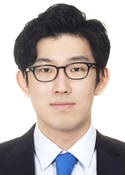
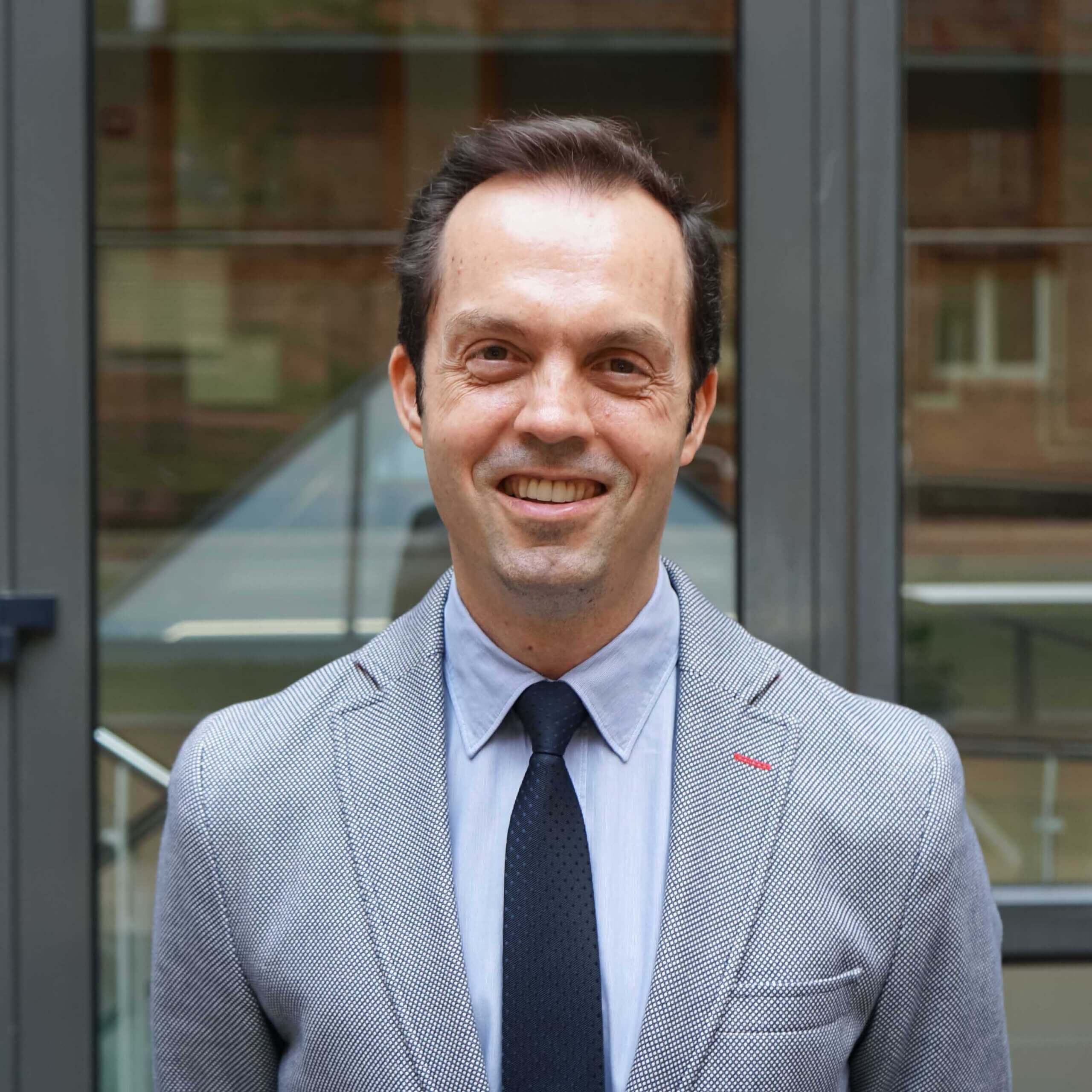
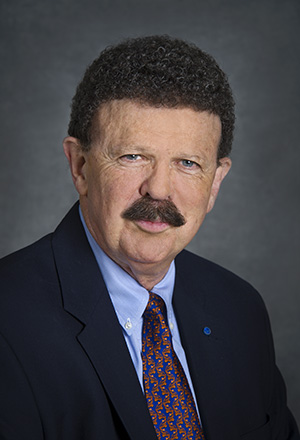
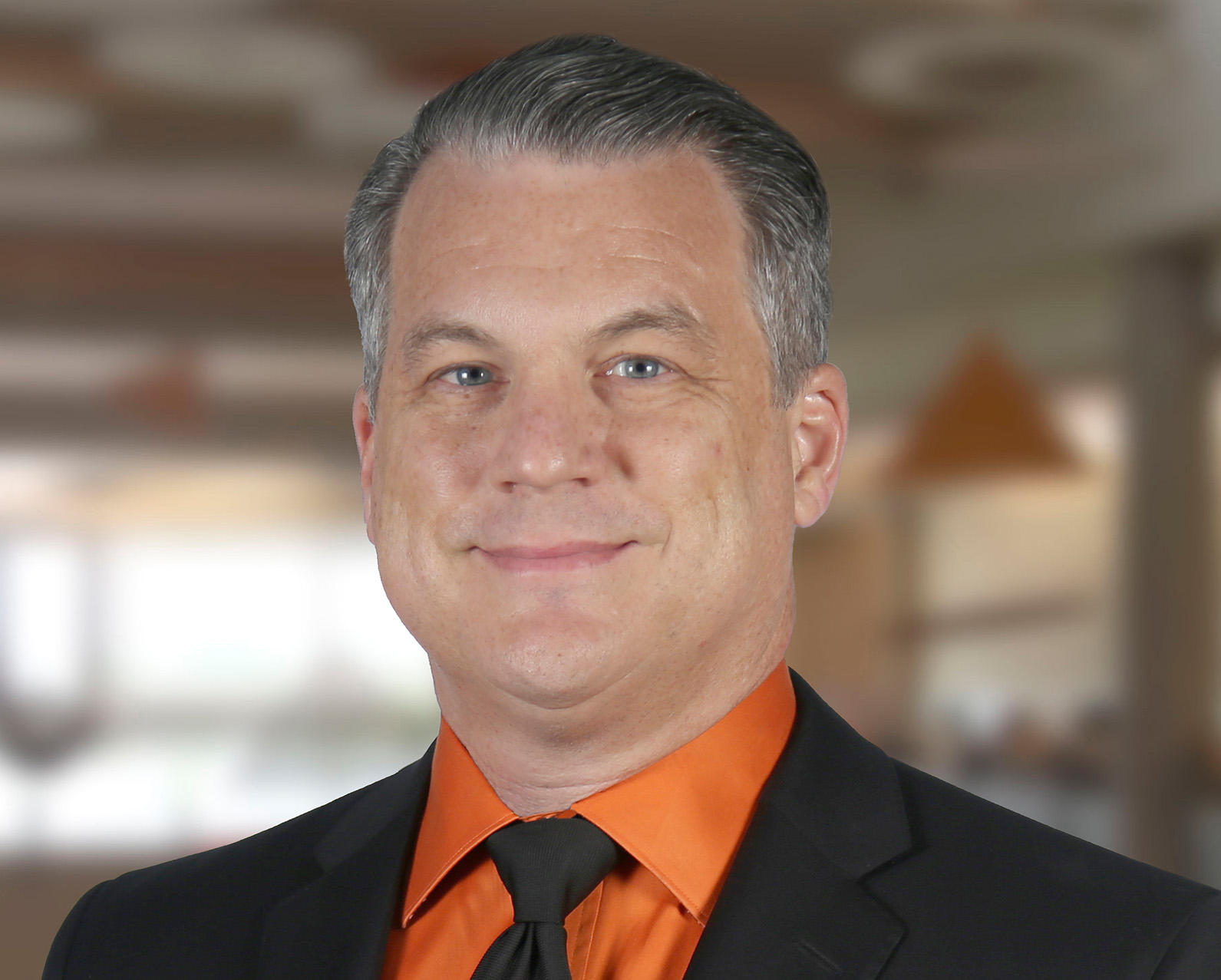
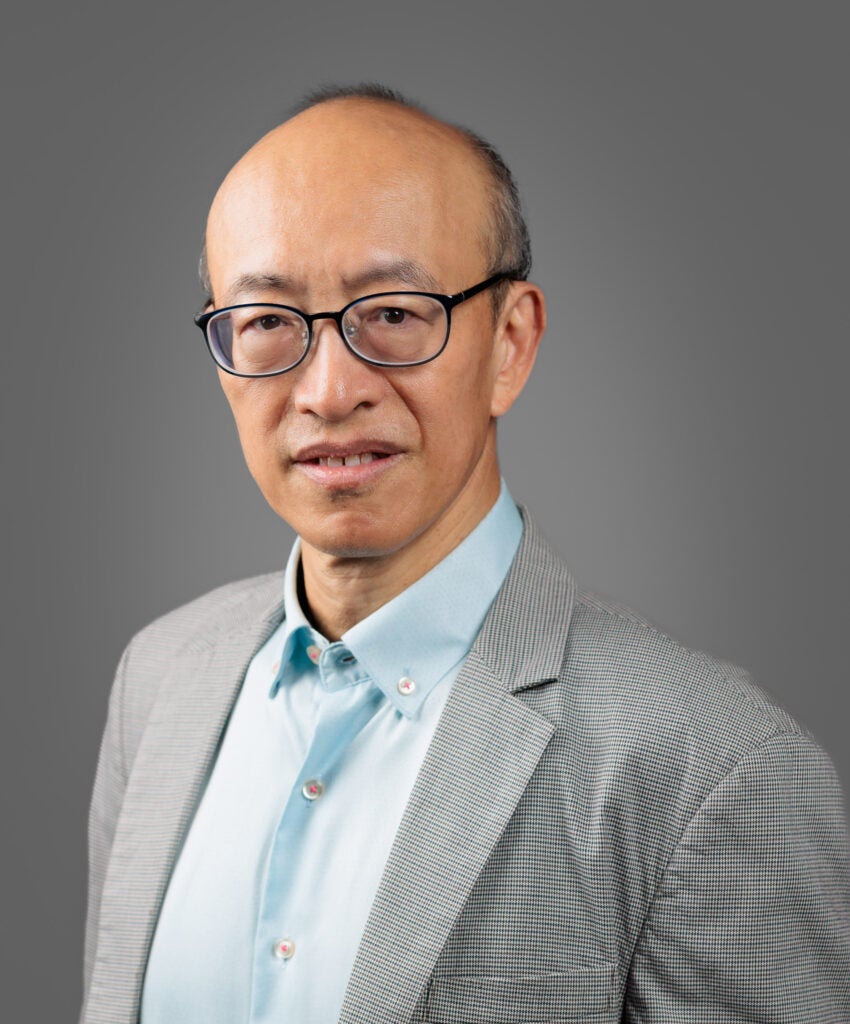
Dr. Sungjin Kim is an Assistant Professor in the Department of Chemical and Biological Engineering at The University of New Mexico (UNM). He earned his Ph.D. in Materials Science and Engineering from MIT (2020) as a Samsung Scholarship Fellow, with prior degrees from KAIST (M.S. 2011, B.S. 2009) and exchange experience at Georgia Tech (2008). His research focuses on bioinspired, energy-efficient materials design for sustainability and healthcare. Education: Ph.D., MIT (2020) M.S. and B.S., KAIST (2011, 2009) Exchange Student, Georgia Tech (2008) Research Interests: Dynamic crosslinking in polymers, bioinspired mineralization for CO2 utilization and hard-tissue engineering, vitrimers for recyclable composites, and sustainable additive manufacturing. His work bridges fundamental chemistry (e.g., metal-coordinate bonds) and applied engineering (e.g., 3D printing). Notable Publications (2025-2022): Explore polyisocyanurate foams, dynamic vitrimer composites, and bioinspired mineralization strategies. Common themes include sustainable materials, dynamic bonding, and hybrid organic-inorganic systems. Awards: Samsung Scholarship Fellow (2014-2019) Government Scholarship (Korea, 2009-2011) Research Report of the Year Award (2012, SKC Co., Ltd.) Outstanding New Researcher Award (2011, SKC Co., Ltd.) Students: Advisees include graduate students Leila Shahriari and Michael Nelwood, and undergraduates Tyrus Antonson and Jacqueline Buenviaje. Former members include Catherine Biju (M.S. candidate) and Lillian Elam (undergraduate).
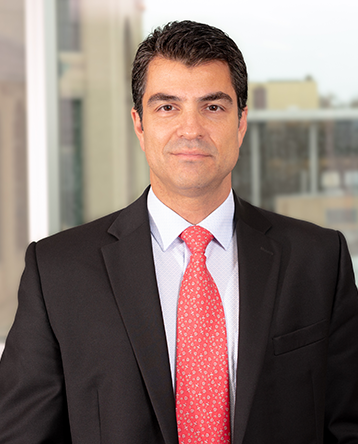
Burak Ozdoganlar is a Ver Planck Endowed Chair Professor of Mechanical Engineering at Carnegie Mellon University (CMU) and Associate Director of the Engineering Research Accelerator. He holds courtesy faculty positions in Biomedical Engineering and Materials Science and Engineering. Ozdoganlar earned his Ph.D. in Mechanical Engineering from the University of Michigan (1999), M.S. degrees from Ohio State University (1993, 1995), and a B.S. in Aeronautical Engineering from Istanbul Technical University (1991). Ph.D., Mechanical Engineering, University of Michigan (1999) MS, Mechanical Engineering, Ohio State University (1995) MS, Aeronautical and Astronautical Engineering, Ohio State University (1993) BS, Aeronautical Engineering, Istanbul Technical University (1991) Ozdoganlar’s research focuses on multi-scale manufacturing processes (macro/micro/nano), precision engineering , structural dynamics , and modal testing , with applications in biomedical device fabrication , microneedle arrays , soft electronics , and 3D ice printing for vascular networks. His work bridges computational modeling with experimental validation. Recent scientific awards include the 2023 AIMBE College of Fellows induction, ASME Fellow (2019), and NSF CAREER Award (2006). He served as interim CTO of the Advanced Robotics for Manufacturing (ARM) Institute and chaired the ASME-MED Manufacturing Equipment Technical Committee. Ozdoganlar leads projects in scalable manufacturing for implantable medical devices , bioelectric medicine , and wearable robotics . His lab develops 3D ice-printed vascular templates for tissue engineering and liquid metal circuits for soft electronics, funded by institutions like the Manufacturing Futures Institute and ARPA-H.
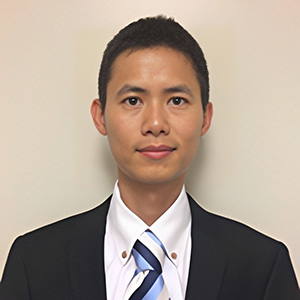
Dr. Wenwu Xu is an Associate Professor in the Department of Mechanical Engineering at San Diego State University (SDSU), affiliated with the College of Engineering. His research focuses on advanced materials science, nanotechnology, and computational modeling of material behavior. He specializes in investigating dislocation dynamics, electric field effects on materials, and the development of novel processing techniques for metallic and ceramic composites. His work spans topics such as hydrogen embrittlement, nanocrystalline material properties, and 3D printing of bioinspired structures. He employs molecular dynamics simulations, atomistic modeling, and experimental validation to study material deformation, sintering mechanisms, and phase stability. Xu’s contributions include pioneering quasi-instantaneous materials processing via high-intensity electrical nano-pulsing and designing recyclable piezoelectric composites for wearable sensors. His research has been published in over 40 peer-reviewed articles since 2007, reflecting a sustained focus on nanoscale material behavior, thermodynamic stability, and industrial applications. While no awards are explicitly listed, his extensive publication record underscores his expertise in materials engineering and computational methods. Dr. Xu’s lab (via mmm.sdsu.edu ) likely explores cutting-edge materials processing and characterization techniques, though specific grants or advising roles are not detailed in the provided text.
Professor Hala Zreiqat AM is a leading biomedical engineer at The University of Sydney , serving as the Director of the ARC Training Centre for Innovative BioEngineering . A Fellow of all major Australian academies (AAS, ATSE, FAHMS, FRSN), she develops 3D printed bioceramics for bone regeneration while championing diversity through initiatives like the IDEAL Society and BIOTech Futures mentorship program. Her work bridges academia, clinical practice, and industry in musculoskeletal research . Research Focus: Her lab creates synthetic bone scaffolds that mimic natural bone architecture, strength, and porosity, enabling non-rejected bone regeneration via patient-matched implants. Key applications include orthopaedic, dental, and maxillofacial repair , with over $18M in competitive funding and multiple patents. Current projects explore AI-driven scaffold performance prediction and anti-senescence strategies for aging-related bone loss. Scientific Trends: Recent publications highlight 3D printed nanovoxelated ceramics , antisenescence biomaterials , and multifunctional theranostic platforms . Her team integrates machine learning for scaffold design, atom probe tomography for interface analysis, and two-photon imaging for cellular monitoring in 3D environments. 2021-2022 Fulbright Senior Scholar 2018 NSW Premier's Woman of the Year 2019 Eureka Prize for Innovative Use of Technology Fellow of Australian Academy of Science (2021) Over $18M in research funding Teaching & Leadership: She designed core courses like Tissue Engineering and Nanomaterials in Medicine , mentoring 158 students in 2020 alone. As Chair of CAAR (2020-2023), she strengthens Australia-Arab collaborations. Her lab trains early-career researchers , with alumni now in academia and industry.
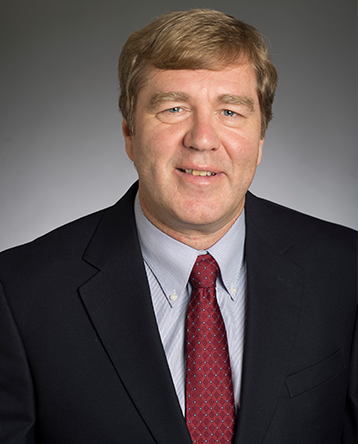
Jack Beuth is a Professor of Mechanical Engineering at Carnegie Mellon University (CMU), affiliated with the College of Engineering. He has been on the faculty since 1992 and leads the NextManufacturing Center, focusing on additive manufacturing (AM) research. His work emphasizes process mapping for AM, material science, and machine learning integration in manufacturing processes. Key affiliations include the Engineering Research Accelerator and the Manufacturing Futures Institute. Education: Ph.D. in Engineering Sciences, Harvard University (1992) M.S. in Engineering Sciences, Harvard University (1989) M.S. in Engineering Science and Mechanics, Virginia Tech (1987) B.S. in Engineering Science and Mechanics, Virginia Tech (1984) Research Interests: Additive Manufacturing (process modeling, material characterization, and defect analysis) Melt pool dynamics and thermal modeling Machine learning for process optimization and quality control Advanced materials for AM (e.g., Ti-6Al-4V, Inconel 718) His research has led to innovations like 'process map' approaches for AM, enabling better control over variables such as melt pool geometry and microstructure. Awards and Recognition: Ralph R. Teetor Educational Award (1998) George Tallman and Florence Barrett Ladd Development Professorship (2000) ASME Curriculum Innovation Award (2005) Benjamin Richard Teare Teaching Award (2009) Grants and Collaborations: $3.5M cooperative agreement with the U.S. Army Combat Capabilities Development Command’s Army Research Laboratory (ARL) for AI-driven AM process optimization. Collaborations with Westinghouse Electric Company on 3D-printed nuclear components, such as spacer grids for pressurized water reactors. Labs and Teams: NextManufacturing Center: A research hub for AM innovation, emphasizing industrial partnerships and applied research. Beuth’s Additive Lab: Specializes in melt pool analysis, process mapping, and material behavior under AM conditions.
Sergi Colominas Fuster, PhD , is a Full Professor and Coordinator of the Master’s Degree in Analytical Chemistry at the Department of Analytical and Applied Chemistry, IQS School of Engineering, Universitat Ramon Llull. He has been serving in this leadership role since 2021 and was promoted to Full Professor in 2025. His educational background includes a PhD in Chemistry (2006, URL), a Chemical Engineering degree (2001, IQS), and a Degree in Chemistry (1999, URL). Sergi's research is centered on the design, development, and characterization of electrochemical sensors , with a strong emphasis on applications in nuclear fusion technology and bioanalysis . His work focuses on sensors for molten metals and biosensors, particularly for detecting hydrogen and tritium in fusion reactors. He is an active member of the EQBA – Electrochemistry and Bioanalysis Group , which specializes in analytical, electrochemical, spectrometric, and optical techniques. His recent publications (2023–2025) highlight advancements in 3D-printed perovskite-based high-temperature electrochemical sensors for hydrogen monitoring in fusion environments. These works demonstrate innovation in fabrication techniques such as cold isostatic pressing and 3D printing, contributing to safer and more efficient fusion energy systems. Key research projects he is involved in include: EUTECTIC : Industrial production of Li-6 enriched lead-lithium eutectic for nuclear fusion. ECSINFUS : Development of electrochemical sensors for fusion applications. EUROFUSION : Implementation of fusion roadmap activities under Horizon Europe. He has secured research grants from competitive programs such as AGAUR and the European Commission, reflecting his leadership in fusion-related analytical chemistry. His work bridges materials science, electrochemistry, and energy technology. Sergi contributes to multiple academic programs, including the Master’s in Analytical Chemistry, Materials Science and Engineering, Pharmaceutical Chemistry, and the PhD in Chemistry and Chemical Engineering, indicating his broad academic engagement and mentorship.
Robert O. Ritchie is the H. T. & Jessie Chua Distinguished Professor of Engineering at the University of California, Berkeley, where he holds dual appointments as Professor of Materials Science & Engineering and Professor of Mechanical Engineering. He is also a Faculty Senior Scientist at Lawrence Berkeley National Laboratory. His distinguished career spans over four decades with significant contributions to the field of materials science and engineering. Professor Ritchie received his B.A. in Physics & Metallurgy (1969), M.A. in Materials Science (1973), Ph.D. in Materials Science (1973), and Sc.D. in Materials Science (1990), all from Cambridge University, UK. His research focuses on the mechanical behavior of advanced materials, with particular emphasis on fracture mechanics, fatigue properties, and damage tolerance. Professor Ritchie's work spans multiple domains including metallic glasses, high-entropy alloys, biomaterials, and nature-inspired structural materials. His laboratory employs cutting-edge techniques such as in situ high-temperature computed tomography to study failure mechanisms in ceramic-matrix composites and nuclear graphite. His research has significant implications for aerospace, biomedical, and energy applications. Analysis of Professor Ritchie's recent publications reveals a strong focus on advanced structural materials, particularly metallic glasses and high-entropy alloys. His work combines experimental approaches with computational modeling to understand deformation mechanisms at multiple length scales. There is a clear trend toward bioinspired materials design, with several papers examining natural structures like fish scales, horn sheaths, and bone to develop new engineering materials with exceptional mechanical properties. Member, National Academy of Sciences (2025) Foreign Fellow, Academy of Athens, Greece (2024) Robert Henry Thurston Award (ASME) (2022) ASM Gold Medal (ASM Intl.) (2021) William D. Nix Medal, inaugural winner (TMS) (2020) Fellow (Foreign Member) of the Royal Society (FRS), London, UK (2017) Morris Cohen Award (TMS) (2017) Acta Materialia Gold Medal (2014) David Turnbull Award (MRS) (2013) A. Cemel Eringen Medal (Society of Engineering Science) (2010) Professor Ritchie has advised numerous graduate students and postdoctoral researchers throughout his career. His research has been supported by various funding agencies including the Department of Energy, National Science Foundation, and industry partners such as Rolls-Royce. He has served on numerous advisory boards including the Rolls-Royce Materials & Structures Advisory Board (2011-2019) and the Scientific Advisory Board of the Advanced Light Source at LBNL (2013 to date). Professor Ritchie leads the Ritchie Group at UC Berkeley, which maintains strong collaborations with Lawrence Berkeley National Laboratory. The laboratory employs state-of-the-art techniques including electron microscopy, x-ray tomography, and mechanical testing across multiple length and time scales. His team has developed innovative in situ characterization methods that have significantly advanced the understanding of material failure mechanisms under extreme conditions.
Jozef Vleugels is a full Professor at KU Leuven's Faculty of Engineering Sciences, where he serves as Department Head of Functional Materials (SIEM) within the Department of Materials Science. He is also Chairman of the Leuven Centre for Materials and serves as contact person for the Functional Materials research unit located at Castle Park Arenberg 44 in Leuven. His research focuses on advanced materials processing, particularly in ceramics, powder metallurgy, and additive manufacturing. Vleugels has extensive expertise in zirconia-based dental biomaterials, nuclear materials, and refractory ceramics. His work integrates traditional ceramic processing techniques with cutting-edge additive manufacturing technologies, including direct ink writing (DIW) and binder jetting for complex geometries. His recent publications demonstrate a strong emphasis on dental applications of zirconia ceramics, laser surface modification techniques, microwave processing, and high-entropy carbide systems. His research group is actively involved in numerous EU and national projects related to additive manufacturing of multi-material components, nuclear applications, and dental biomaterials. Prof. Vleugels teaches several courses including Ceramics and Powder Metallurgy, Advanced Ceramic Materials, and project-based courses in materials science. He supervises numerous doctoral candidates and collaborates extensively with industry partners on applied research projects. He is an active member of multiple research networks including the Materials Science Division, KIEM – KU Leuven Institute for Energy and Society, and Leuven.AM – KU Leuven Institute for Additive Manufacturing. He also serves on various faculty and departmental councils including the Faculty Council of Engineering Sciences and the Departmental Council of Materials Science.
Michael Gasik is a Professor at the Department of Chemical and Metallurgical Engineering, School of Chemical Engineering, Aalto University. With over 30 years of experience in technology transfer, he has led initiatives across the EU, Japan, and the Middle East, including BC-Net (EC DG Enterprise). He serves as an expert for European bodies like EC/REA, COST, and ERC since 1993. His research spans biomaterials ceramic materials metals processing sustainable manufacturing additive manufacturing green energy systems and focuses on interdisciplinary applications in biomedical and environmental engineering. Recent research trends include advanced biomaterials for medical implants (e.g., PEO-coated magnesium alloys) multi-material 3D printing for industrial components green hydrogen production via HyS cycle optimization sustainable polymer composites photocatalytic nanomaterials blockchain-enabled recycling for electric vehicles Scientific accolades include 2023 EORS Ambassador for Finland 2015 National State Prize of Ukraine 2013 M.M. Dobrohotov Award 1997 JSPS Scholarship 1995 Best Doctorate Thesis Award 2007 Certificate of Appreciation for Functional Graded Materials He has secured funding through 10 EU projects, 2 IEA projects, and over 15 national projects, contributing to >300 publications and patents. His expertise extends to technology transfer leadership and peer review for journals and funding agencies in multiple countries.
Martin Saunders is an Associate Professor and leader of the Physical Science Electron Microscopy Platform at the University of Western Australia's Centre for Microscopy, Characterisation & Analysis (CMCA). He holds leadership roles in national microscopy consortia, including Microscopy Australia and the National Imaging Facility. His academic career spans over 20 years, with roles as Deputy Director and Acting Director of CMCA, and President of the Australian Microscopy and Microanalysis Society (AMMS). Saunders earned a PhD in Physics from the University of Bath (UK) and postdoctoral experience at institutions including the University of Bristol and the US Naval Postgraduate School. His research focuses on advanced electron microscopy techniques, including TEM, STEM, EELS, and tomography, applied across physical, biological, and geo sciences. Education: PhD in Physics (University of Bath, 1994), BSc in Applied Physics (University of Bath, 1990). Research interests include structural and chemical analysis of nanomaterials, biominerals, and geological samples. He collaborates globally, contributing to high-impact journals like Nature and Advanced Materials . Saunders has secured over $25M in grants from ARC, NHMRC, and NCRIS, funding cutting-edge microscopy infrastructure. Awards: Inaugural AMMS Fellow (2025), Life Membership (AMMS), Fellow of the UK Institute of Physics (2012). Teaching: Coordinates materials characterization courses for biomedical engineering and nanotechnology programs. Provides training in electron microscopy for researchers and postgraduates. Labs/Infrastructure: Manages state-of-the-art facilities including FEI Titan G2 80-200 TEM/STEM and DualBeam FIB-SEM systems at CMCA.
Jason Trelewicz is a Professor at Stony Brook University’s Department of Chemical & Molecular Engineering and holds joint faculty status at Oak Ridge National Laboratory. His research focuses on interface-engineered materials for extreme environments, leveraging advanced processing, characterization tools, and multiscale modeling. He received his Ph.D. in Materials Science from MIT (2008) and previously served as Research Director at MesoScribe Technologies. His work emphasizes fusion materials, nanocrystalline alloys, additive manufacturing, and radiation effects. Awards include the DOE Early Career Award (2017), NSF CAREER Award (2016), and multiple best paper awards (2022). His lab, the Engineered Microstructures and Radiation Effects Laboratory, explores topics like ceramic composite moderators and plasma-facing materials. Education: Ph.D., Materials Science & Engineering, MIT (2008) Affiliations: Oak Ridge National Laboratory (Joint Faculty) Key research areas include thermal-mechanical evaluation of fusion reactor components, alloy design for additive manufacturing, and radiation tolerance of nanocrystalline materials. He has pioneered studies on helium bubble dynamics in tungsten and stability of doped nanocrystalline alloys. Awards: DOE Early Career Award, NSF CAREER Award, 2022 Best Paper Awards in Nuclear Materials and Asian Ceramics. Grants/Projects: Supported by DOE, NSF, and collaborative initiatives with Japan (FRONTIER). His group investigates corrosion behavior in 3D-printed steels and develops novel composite moderators for high-temperature reactors. Ongoing work includes multiscale modeling for fusion materials and in-situ TEM studies of irradiation effects.
Mehdi Kabir is an Assistant Professor of Mechanical Engineering at Alfred University, affiliated with the Engineering Laboratories . His work focuses on advanced thermal management, additive manufacturing, and sustainable energy systems. Research Interests: Multi-Scale Multi-Phase Heat Transfer Thermal Management for High-Heat Flux Electronics and Space Applications Additive Manufacturing (DMLS, SLM, SLS techniques) Smart Coatings and Ultra-High-Temperature Materials Solar-Thermal and Geothermal Energy Systems Electrochemical Energy Storage (LIBs) No publications or awards are explicitly listed in the provided text. He is part of the Engineering Laboratories at Alfred University.
Professor James Sullivan is a corrosion science expert at the Faculty of Science and Engineering, Swansea University , specializing in zinc alloys for galvanic protection. He developed an in-situ time-lapse imaging technique to visualize corrosion mechanisms, presented at the Gordon Research Conference in 2012. As co-director of the Materials Academy , he secured £15M in grants to train industry professionals and researchers, collaborating with Tata Steel, European Space Agency, and The Royal Mint. Research Focus: Microstructure-corrosion relationships in metallic coatings Key Projects: Novel zinc alloy coatings, additive manufacturing corrosion performance His recent publications analyze Zn-Mg-Al and Zn-Mg-Ca systems , antimony/germanium alloying effects, and additive manufacturing material optimization. Supervision includes PhD/EngD students working on galvanic coatings, high-entropy alloys, and sustainable materials. Teaching: Modules like Materials Degradation and Protection and Interpersonal Skills for Engineers .
James E. Smay is a Professor and Head of the Materials Science and Engineering department at Oklahoma State University. He holds a Ph.D. in Materials Science and Engineering from the University of Illinois and a B.S. in Mechanical Engineering from Oklahoma State University. Ph.D. Materials Science and Engineering, University of Illinois B.S. Mechanical Engineering, Oklahoma State University Dr. Smay’s research focuses on colloidal assembly processes, particularly direct write manufacturing, to create novel devices. His work spans 3D printing of photonic band gap crystals , bone scaffolds , all-ceramic dental crowns , and metal-ceramic composites , leveraging colloidal gel inks with ceramic, metallic, and polymer particles in aqueous media. His publications highlight advancements in additive manufacturing , bioactive ceramics , rheological control of complex fluids , and sanitation engineering . Key trends include the application of direct printing to biomedical and photonic fields, alongside studies on emulsion stability and pathogen deactivation. The Smay lab is equipped for powder processing , advanced rheology , thermal treatment of ceramics/metals/polymers, and particle size/zeta potential measurements , supporting interdisciplinary research in sustainable manufacturing and biomedical materials.
Professor Ding Jun is a faculty member in the Department of Materials Science and Engineering at the National University of Singapore's College of Engineering. His research spans additive manufacturing and nanomaterials with applications in energy, environment, and healthcare. Contact details include office location E2-03-17 and phone 65164317. His primary research interests include: Additive Manufacturing for multi-material and multi-functional devices Nanomaterials fabrication for energy harvesting/storage, water purification, and sensor development 3D printing of metals, ceramics, and graphene-based structures Analysis of his 10 most recent publications reveals strong focus on practical applications of 3D printing across energy storage (Li-O 2 batteries, water splitting), environmental remediation (air filters, water purification), and advanced manufacturing techniques (robocasting, metallization). Key technological themes include hierarchical porous structures, multi-material integration, and performance optimization at high current densities. No scientific awards were mentioned in the source material. Professor Ding teaches core materials engineering courses including MLE3203 Engineering Materials, MLE3111 Materials Properties & Processing Laboratory, MLE4212 Advanced Structural Materials, and MLE5301 Advanced Metallic and Ceramic Materials in Additive Manufacturing. No information on research grants or student supervision was provided. His work demonstrates strong integration between novel 3D printing methodologies and real-world environmental/energy applications, with particular emphasis on creating functional architectures for electrochemical systems and pollution control.