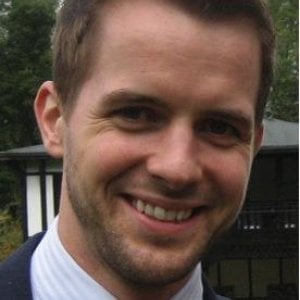
Gregory Hartwell is a Clinical Assistant Professor at the London School of Hygiene & Tropical Medicine (LSHTM) within the Department of Public Health, Environments & Society. He also holds an Honorary Consultant position in Public Health at the Office for Health Improvement & Disparities. PhD (2016-2019), MSc (2011-2013) - LSHTM BA (Hons) English Language & Literature - University of Oxford His research focuses on adolescent mental health, addiction, health inequalities, and commercial determinants of health. He has led studies on e-cigarette use, social media impacts on youth wellbeing, and regulatory challenges in tobacco/alcohol industries. Recent publications highlight his work on: Digital platforms' influence on mental health (TikTok, social media) Commercial determinants across tobacco, alcohol, and ultra-processed food industries Ethical challenges in public health research with vulnerable populations NIHR Three Schools Mental Health Research Fellowship (2022-2024) ESRC Postdoctoral Fellowship (2020-2022) NIHR grant for e-cigarette user study (2016-2019) He collaborates with institutions like Harvard Kennedy School and University of Keele, and contributes to policy discussions through publications in journals such as BMJ , Health Promotion International , and PLOS Global Public Health .
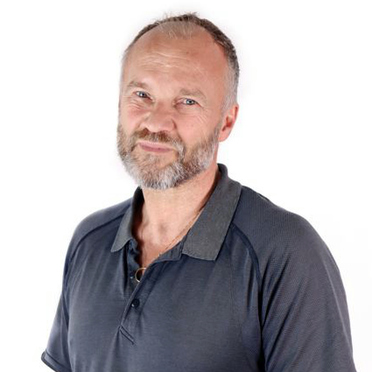
Fanica Payne is a Lecturer and Online Instructor in the MSW Program at West Virginia University's School of Social Work. She holds a Licensed Independent Clinical Social Worker (LICSW) credential in West Virginia. With nearly 10 years of clinical practice, her expertise spans case management, inpatient/outpatient services, community mental health, substance use treatment, crisis intervention, and specialized programs like Assertive Community Treatment (ACT) and Screening, Brief Intervention and Referral to Treatment (SBIRT). Education M.S.W., West Virginia University (2013) B.S. Health Science, Health Promotion and Wellness, West Virginia State University (2010) Licenses/Certifications Licensed Independent Clinical Social Worker (LICSW) Research Interests Her research focuses on mental/behavioral health disparities, addiction recovery frameworks, systemic anti-racism initiatives, equity-centered interventions, and mitigating practitioner burnout through self-care methodologies. She integrates clinical实践经验 into scholarly inquiry on community resilience. Professional Service She serves on the United States Commission on Civil Rights (West Virginia State Advisory Committee) and contributes to institutional committees including Anti-Racism, Equity & Justice and Online Field Coordinator faculty searches. She maintains membership with the Council of Social Work Education (CSWE).
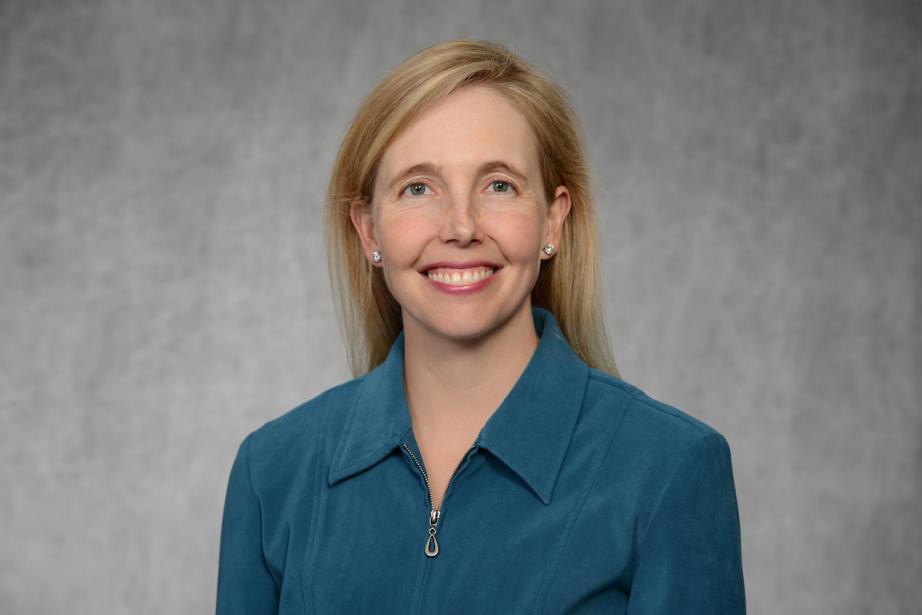
Silke Behrendt is an Associate Professor at the Department of Psychology within the Faculty of Health Sciences at the University of Southern Denmark. She is affiliated with the Research Unit of Psychiatry (Odense) and Odense University Hospital (OUH), with a focus on clinical psychology and alcohol use disorder (AUD) research. Primary Affiliation: University of Southern Denmark Secondary Affiliation: Karolinska Institutet (KI) Collaboration: Odense University Hospital (OUH) Research Interests : Behrendt specializes in Alcohol Use Disorder among older adults, investigating treatment outcomes, predictors of recovery, and the intersection of AUD with physical illnesses. Her work addresses healthcare access disparities, quality-of-life improvements, and digital interventions like text messaging for high-risk alcohol use. She employs methodologies such as Motivational Interviewing , Generalized Linear Modeling , and DSM-5 diagnostics. Her research also explores comorbidities like Alcoholic Polyneuropathy and Nicotine Dependence in aging populations. Scientific Contributions : Recent work includes studies on the AUD treatment gap in middle-aged and older adults, age-moderated psychotherapy effectiveness, and quality-of-life outcomes post-treatment. She leads projects like Mind the Gap (2023–2026) and Text Messaging to Reduce High-Risk Alcohol Use (2023–2025). Awards and Roles : Behrendt serves on the editorial review board of the journal Addiction (2023–) and has organized conferences on AUD treatment for older adults (e.g., 2024). She mentors via PhD committee roles and delivers guest lectures on targeted alcohol interventions.
Florian Scheibein is a Research Assistant at the Department of Sport and Exercise Science , South East Technological University (SETU). He serves as Lead Research Assistant for the EU4 Health-funded Dynamic Digital Skills for Medical and Allied Professionals (DDS-MAP) project and is completing his PhD in "Online Sexualised Drug Use and Performative Pornography." He co-directs the Network of Early Career Professionals in Addiction Medicine (NECPAM) and acts as Section Editor for the Harm Reduction Journal 's "Youth, Drugs and Harm Reduction" section. Masters Degree , Drug and Alcohol Policy, Trinity College Dublin (2014) Masters Degree , Science Communication, Dublin City University (2012) Bachelors Degree , Herbal Science, Cork Institute of Technology (2011) Florian's research intersects harm reduction , digital health interventions , and substance use policy . His work explores AI and big data in opioid disorder management, psychosocial interventions for alcohol use disorders, pandemic impacts on addiction services, and the role of open science in drug policy. He also investigates work-life flow in post-pandemic contexts and online drug use pornography as a performative phenomenon. Scientific trends in his articles include a focus on digital innovation in addiction medicine, systematic reviews of global treatment practices, and cross-cultural studies of drug policy. His 2025 article on AI in opioid treatment and 2024 systematic review of 23 countries' OAT practices exemplify this. Council of Europe Pompidou Group European Drug Prevention Prize (2021) Positive Role Model Prize (2019) Florian chairs committees like the Network of Early Career Professionals in Addiction Medicine and the Digital Interventions and Harm Reduction group. He has delivered invited talks on open data in substance use research and participated in editorial work for project guidelines.
Tomaz Miranda da Cunha Saraiva is a researcher affiliated with Universidade Lusófona, with a strong academic background in psychology and neuroscience. He holds a Master's in Psychology, Counseling and Psychotherapy, a Bachelor's in Psychology, and a Master in Creative Games from the University of Salford. His research bridges psychology, cognitive neuroscience, and immersive technologies. Education: Bachelor in Psychology, Universidade Lusófona (2007) Integrated Master in Psychology, Counseling and Psychotherapy, Universidade Lusófona (2008) Master in Creative Games, University of Salford (2010) Postgraduate in Adolescent and Children Psychology Evaluation Technological Specialization Course in Video Game Development His research focuses on virtual reality (VR) applications in cognitive rehabilitation , PTSD treatment , addiction , and neurocognitive assessment . He explores how immersive environments influence memory, attention, and emotional processing. His work integrates eye-tracking, ERP, and behavioral analysis to understand brain-behavior interactions in clinical and non-clinical populations. The 15 most recent publications reveal a consistent trend in using VR for therapeutic and diagnostic purposes, especially in stroke recovery, nicotine craving, and trauma. These works span disciplines including clinical psychology, neuroscience, human-computer interaction, and digital therapeutics, with subfields such as presence in VR, cognitive training, and fear-related attentional bias. Scientific Contributions: Published 4 articles in specialized journals Contributed book chapters on VR/AR in neuroscience and serious games Presented conference papers on VR-based cognitive rehabilitation and frontal brain function assessment Tomaz Saraiva has advised no formally listed students but has led research in VR-based interventions. His work has been supported through academic and possibly institutional grants, though specific funding sources are not mentioned. He is involved in developing virtual environments for cognitive training and psychological assessment, particularly in stroke, TBI, and PTSD contexts. His lab or research team is not explicitly named, but his output suggests collaboration within neuroscience and VR research groups.
Juana Maria Rodrigo Gil is an Associate Professor in the Department of Nursing at the Faculty of Nursing, University of Girona (UdG), a position she has held since the 2021–2022 academic year. She has been actively involved in nursing education since 2012, particularly in stroke care training. Her academic and professional background reflects a deep commitment to clinical excellence, research, and health promotion in nursing. Education: Diploma in Nursing, Escola Universitària d’Infermeria, Diputació de Girona (UAB), 1986–1989 Master in Research Methodology in Health, IDER S.L., 1999–2001 Postgraduate in Prehospital Emergency Care, Escola Universitària d’Infermeria de Girona, 1996–1997 Postgraduate in Nursing Care for Nephrological Patients, Escola Universitària d’Infermeria de Girona, 1995–1996 Master/Expert in Drug Addiction and AIDS, ACIPAIS & Open International University, 1993–1994 Postgraduate in Nursing and HIV/AIDS: A Global and Humanistic Vision, Escola Universitària d’Infermeria Santa Madrona, 2001–2002 IV University Expert Course in Nursing Services Management, UNED, 2002–2003 Master in Health Promotion, University of Girona, 2008–2010 Expert Course in Medication Use in Nursing and TIC, La Escuela de Ciencias de la Salud, 2011 Her research focuses on stroke care and behavioral interventions, particularly smoking cessation after stroke. She explores the neurological and psychological determinants of health behaviors, with a strong emphasis on practical nursing applications. Her work bridges clinical practice and academic research, contributing to evidence-based nursing protocols in acute and long-term stroke care. The most recent publications highlight a longitudinal and interdisciplinary approach to stroke recovery, examining both biological and psychological factors influencing smoking abstinence. Her research often involves collaboration with neurology teams and integrates imaging data (e.g., insular cortex lesions) with behavioral outcomes. She also investigates the use of portable medical devices in nursing practice, emphasizing innovation in patient monitoring and care delivery. No scientific awards were mentioned in the provided text. Juana Maria Rodrigo Gil has contributed to research as a collaborator in the fieldwork of the 3rd, 4th, and 5th Stroke Audits under the Stroke Care Plan. While no formal advising or grant information is available, her sustained involvement in research projects and publications indicates active participation in funded or institutional research initiatives. She has taught specialized courses on stroke care since 2012, reflecting a strong educational commitment. There is no mention of specific laboratories or research teams, but her collaborative publications suggest integration within multidisciplinary stroke research groups at the University of Girona and associated hospitals.
Magdalena Barabas is an Adjunct Professor at the Department of Education Theory, Faculty of Pedagogy and Psychology, Maria Curie-Skłodowska University. Her research focuses on violence prevention, crisis intervention, social education, and special educational needs. She has contributed extensively to understanding family dynamics, trauma-informed pedagogy, and digital technology's role in education and rehabilitation. University: Maria Curie-Skłodowska University School: Faculty of Pedagogy and Psychology Department: Department of Education Theory Academic Rank: Adjunct Professor Her research explores combating violence in families and schools, crisis interventions for traumatized students, and digital technology's impact on education. Recent publications address disaster preparedness, assistive technologies for disabled individuals, and ethical challenges in modern education. Scientific awards include the Medal of the National Education Commission. She has advised Mgr Ilona Szostak-Jośko on psychosocial determinants of teacher satisfaction. Her work integrates Gestalt Therapy, Solution-Focused Education, and social prevention strategies.
Colleen E McKay is an Assistant Professor in the Department of Psychiatry and Behavioral Sciences at UMass Chan Medical School and the T.H. Chan School of Medicine. Her work focuses on psychiatric rehabilitation, particularly the Clubhouse Model of psychosocial rehabilitation for individuals with serious mental illness, with research spanning organizational characteristics, employment outcomes, and program sustainability. Education BA in Psychology from Assumption College, Worcester, MA MA in Rehabilitation Counseling from Assumption College, Worcester, MA Research Focus Dr. McKay's research centers on the Clubhouse Model of psychiatric rehabilitation, examining its implementation, effectiveness, and sustainability across diverse populations. She investigates how clubhouse programs support recovery through employment opportunities, social integration, and community participation, with particular expertise in vocational rehabilitation for individuals with serious mental illness. Her work spans multiple dimensions including organizational characteristics of clubhouse programs, costs and sustainability, employment outcomes, and adaptations for specialized populations such as young adults and individuals with brain injuries. Recent research has expanded to address physical health concerns among clubhouse members, with studies on tobacco cessation interventions and health promotion activities. Publication Trends Dr. McKay's publication history shows consistent contributions since 2001, with increased output in recent years. Her work demonstrates an evolution from basic employment outcomes to more complex investigations of program sustainability, adaptation for specific populations, and integration of physical health services. The research increasingly incorporates mixed methods approaches and attention to diverse populations, reflecting broader trends in mental health services research. Collaborative Impact Dr. McKay collaborates extensively with researchers across institutions, particularly with colleagues at UMass Chan Medical School. Her systematic review of the Clubhouse Model evidence base (2018) has been cited 31 times, indicating its significance to the field. Her research appears in leading journals including Psychiatric Rehabilitation Journal, Administration and Policy in Mental Health, and Journal of Behavioral Health Services & Research. Research Infrastructure Dr. McKay's work is supported by the research infrastructure of UMass Chan Medical School within the Department of Psychiatry and Behavioral Sciences. Her research connects with clubhouse programs nationally and internationally, creating a network for studying best practices in psychiatric rehabilitation and contributing to evidence-based approaches in mental health service delivery.
Monika E. Kolodziej is an Assistant Professor at the UMass Chan Medical School, affiliated with the T.H. Chan School of Medicine and Department of Psychiatry and Behavioral Sciences. Her research focuses on co-occurring mental health and substance use disorders, treatment evaluation, and behavioral health. BS in Psychology from Concordia University MS in Psychology from Syracuse University PhD in Clinical Psychology from Syracuse University Her work spans substance abuse interventions, integrated therapy models, and psychosocial factors influencing treatment outcomes. Publications highlight clinical trials, behavioral health services, and public health approaches to addiction and bipolar disorder. She collaborates with researchers like David Smelson, Gregory DiGirolamo, and Lisa Najavits.
Göran Kenttä is a Senior Lecturer at the Swedish School of Sport and Health Sciences (GIH), affiliated with the Department of Physiology, Nutrition and Biomechanics. His academic specialization is in Sports Psychology, with a PhD in the field. He holds an adjunct professorship at the University of Ottawa since 2016. His research focuses on elite sports, emphasizing mental health, stress-recovery balance, and mindfulness strategies for athletes and coaches. Key projects include understanding severe mental illness in elite sports and developing self-compassion interventions for sustainable coaching. Education: PhD in Sports Psychology Research Interests: Sustainable performance development in elite athletes and coaches, mental health challenges (e.g., depression, anxiety), mindfulness and self-compassion practices, and stress management in high-performance environments. Collaborations: Works with the Swedish Sports Confederation, national collaborators like Anders Håkansson (Lund University), and international partners such as Marte Bentzen (Norwegian School of Sport Sciences) and Richard Thelwell (University of Portsmouth). Awards: 2022 Association for Applied Sport Psychology Distinguished Professional Practice Award. Labs/Teams: Involved in initiatives like the Safe and Healthy Para sport (SHAPE) project and the Canadian Centre for Mental Health and Sport (CCMHS).
Professor Guro Øyen Huby is affiliated with the Department of Welfare, Management and Organisation at Høgskolen i Østfold. Her research focuses on health and social care integration, digitalization of welfare services, user involvement in healthcare systems, and organizational challenges in Nordic welfare states. Her work spans qualitative studies in critical care, integrated care systems, and policy implementation. Key projects include 'The Bridge of Knowledge' for collaborative innovation and contributions to the RECOVER clinical trial on post-ICU rehabilitation. She co-authored analyses on algorithmic governance in UK health systems and barriers to user participation in addiction services. Her recent publications (2023-2024) explore digitalization's dual role in Nordic welfare systems, emphasizing both transformative potential and systemic risks. She is involved in the Social Work Research Group and the Psychosocial Work Research Group at her institution.
Dr. Mahsum AVCI is a Lecturer in the Department of Psychology at Bingöl Üniversitesi's Faculty of Arts and Sciences. He holds a PhD from İnönü Üniversitesi (2016-2021), an MSc from Atatürk Üniversitesi (2013-2016), and a BSc from Atatürk Üniversitesi (2001-2005). His research focuses on trauma psychology, grief counseling, EMDR therapy, and child psychology with over 20 peer-reviewed publications and book chapters. He has led multiple national and international projects including 'Mind Games Trainer Training' and 'Psychological First Aid in Traumatic Experiences.' Dr. AVCI has conducted over 50 training programs on trauma, addiction, and educational strategies. He currently serves as an editor for Psychology and Behavioral Sciences and a reviewer for SSCI journals like Dreaming and Substance Use & Misuse . Education: PhD, Educational Sciences (Psychological Counseling), İnönü Üniversitesi (2016-2021) MSc, Educational Sciences (Psychological Counseling), Atatürk Üniversitesi (2013-2016) BSc, Psychological Counseling, Atatürk Üniversitesi (2001-2005) Research Interests: Trauma therapy, grief intervention, child psychology, EMDR techniques, school psychology, psychodynamic approaches. His recent work examines pandemic-related dream analysis, childhood trauma impacts, and psychological first aid strategies. He has authored/co-authored 10 book chapters on trauma counseling and therapeutic techniques. Current projects focus on trauma-informed education and cultural aspects of grief processing.
Vicki Nejtek, PhD, is an Associate Professor in the Department of Pharmacology & Neuroscience at the University of North Texas Health Science Center (UNTHSC). She is also a member of the College of Biomedical and Translational Sciences and the Institute for Healthy Aging. Her research focuses on understanding treatment responses in individuals with mild brain trauma, mood disorders, medical diseases, and addiction, with an emphasis on identifying biomarkers for neurodegenerative diseases like Alzheimer’s and Parkinson’s. Education: BA in Psychology, MS in Cognitive Neuroscience, and PhD in Cognition Behavioral Neuroscience, all from the University of Texas at Dallas. Her research interests include longitudinal outcomes research, biomarker studies, community-based program effectiveness, and treatment response analysis in populations such as veterans with mild traumatic brain injury (mTBI), individuals with co-occurring disorders, and at-risk children. She has led over 17 sponsored projects, including evaluations of substance abuse prevention programs and studies on veterans’ healthcare outcomes. Her recent publications explore topics such as cognitive deficits in Parkinson’s disease models, methamphetamine neurotoxicity, and healthcare utilization in vulnerable populations. She has held grants from organizations like the Recovery Resource Council and UNTHSC’s Intramural Research Program. Dr. Nejtek’s work bridges clinical and translational research, aiming to improve healthcare strategies for high-risk groups and advance understanding of neurodegenerative disease mechanisms.
Juleen Buser is a Professor at Rider University , affiliated with the Graduate Education, Leadership and Counseling department. She serves as Director of the Clinical Mental Health Counseling and Coaching Programs and is a certified school counselor, licensed professional counselor, and board-certified coach. Ph.D. in counselor education and supervision, Syracuse University M.A. in counseling, Wake Forest University M.Div., Princeton Theological Seminary B.A., Franklin and Marshall College Her research focuses on maladaptive coping strategies like eating disorder symptomatology and nonsuicidal self-injury (NSSI) . She explores intersections with spiritual/religious coping , process addictions , and gender-specific counseling . Her publications emphasize qualitative research methods (thematic analysis, phenomenology) and interventions for body dissatisfaction and differentiation of self . She is a member of the American Counseling Association (ACA) , International Association of Addictions and Offender Counseling (IAAOC) , and Chi Sigma Iota . She teaches courses including substance abuse counseling, addiction strategies, and clinical mental health foundations.
Dr. Katherine Lacasse is a Professor in the Department of Psychology at Rhode Island College. Her research focuses on climate change perception, pro-environmental behavior, gender norms in health decisions, and stigma analysis. She holds a Ph.D. and M.A. in Social Psychology from Clark University, and a B.A. in Psychology from Providence College. Education Ph.D., Social Psychology, Clark University M.A., Social Psychology, Clark University B.A., Psychology, Providence College Her work bridges social psychology with climate science, examining how behavioral models interact with environmental systems. Recent publications explore stigma trajectories in substance use recovery, gender norms in pandemic behavior, and labeling effects on environmental action. Teaching areas include social psychology, research methods, statistics, and the science of happiness. Contact: klacasse@ric.edu