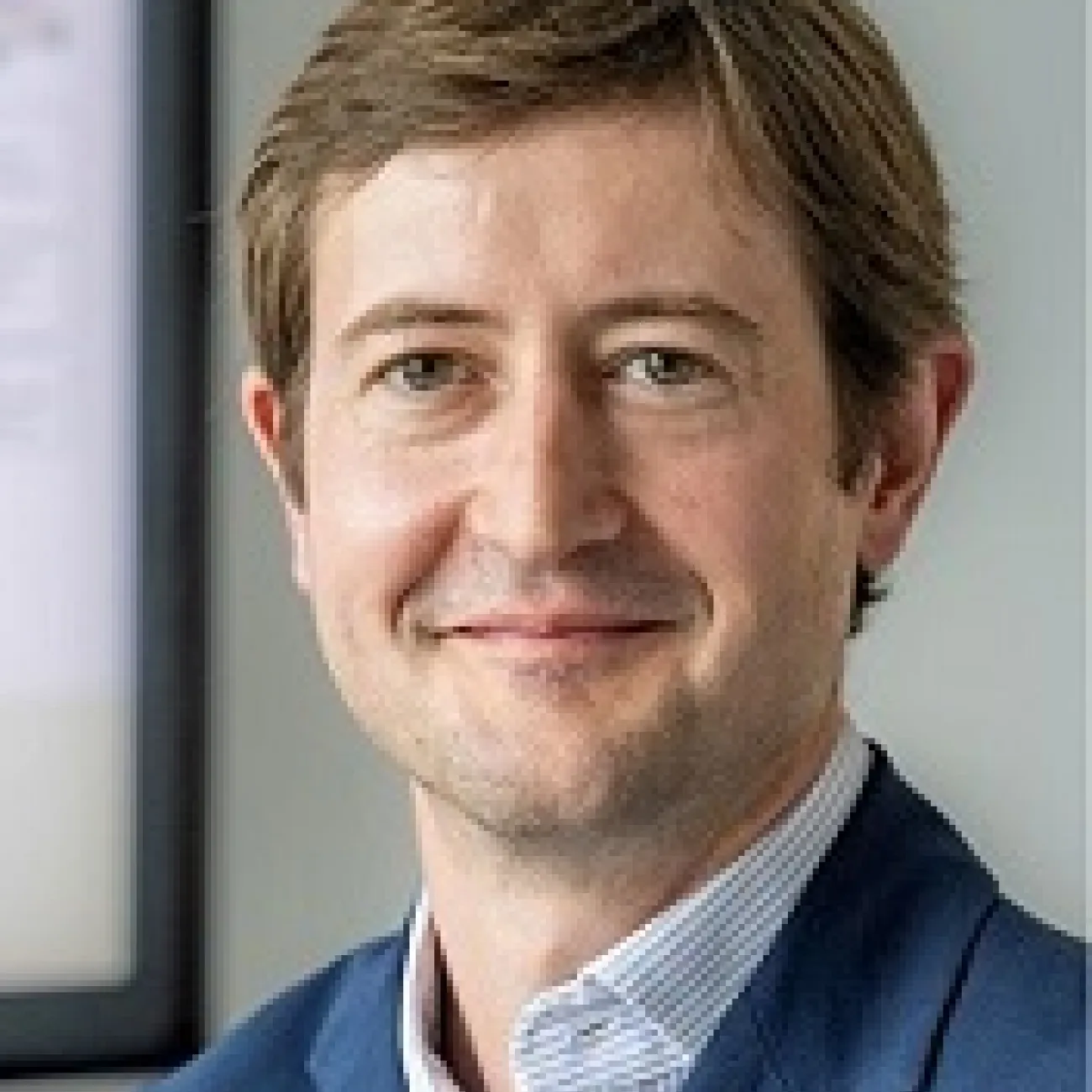
Professor Sam Chamberlain is a psychiatrist at the University of Southampton , with expertise in impulsive/compulsive disorders and university student mental health. He serves as Service Director of the Southern Gambling Treatment Clinic and Head of Academic Psychiatry (2024-). PhD in Psychiatry (Wellcome Trust Funded) MB/PhD Programme graduate (University of Cambridge) Honorary Consultant Psychiatrist at Hampshire and Isle of Wight Healthcare NHS Foundation Trust Leadership roles in Applied Research Collaboration (ARC) Wessex Mental Health Research Hub Research focuses on translational methodologies for understanding and treating: Gambling disorder Trichotillomania (hair pulling) Skin picking/excoriation disorder Compulsive sexual behavior ADHD Recent publications explore neurocognitive predictors of addictive behaviors, treatment optimization for gambling disorder, and digital mental health interventions. Current projects include digital innovations for gambling disorder, problematic internet use research, and longitudinal student mental health studies. Supervision includes PhD candidate Christopher Lawrence in Clinical Neurosciences.
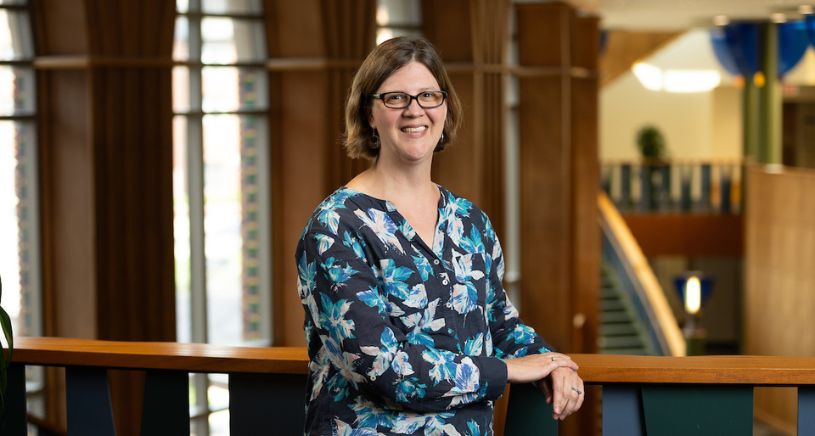
Amy Borovoy is a Professor of East Asian Studies at Princeton University, with a focus on cultural and medical anthropology. Her work examines how societies organize social care, public health, and mental health systems, particularly in Japan. She has conducted extensive ethnographic research on topics including alcoholism, hikikomori, and organ transplantation ethics. Education: Ph.D. in Anthropology, Stanford University M.A. in Anthropology, Stanford University B.A. in Psychology, Harvard University (Magna cum laude) Her research bridges theoretical and applied anthropology, analyzing Japan’s postwar social policies and their implications for global modernity. Current projects investigate aging, brain death, and family-based organ donation. She also explores comparative public health strategies, notably Japan’s and America’s approaches to metabolic syndrome and weight gain. Scientific Awards: Japan-U.S. Friendship Commission-NEH Fellowship Japan Foundation Fellowship SSRC/CGP Abe Fellowship ACLS Charles A. Ryskamp Research Fellowship Borovoy is affiliated with Princeton’s Global Japan Lab, Center for Health and Well-Being, Global Health Program, and University Center for Human Values. She serves on the Bioethics Committee at Robert Wood Johnson Hospital, New Brunswick.
Dr. Joanne Rathbone is an Honorary Fellow at the School of Psychology, University of Queensland. Her research focuses on health psychology, particularly examining weight stigma, social identity processes, and mental health interventions. She has collaborated extensively on studies related to public health, discrimination, and group dynamics. Research Trends Weight stigma reduction in healthcare and education Social identity as a predictor of mental wellbeing Public health interventions during pandemics and mass gatherings Impact of group membership on health behaviors Non-stigmatizing communication in obesity discourse
Eva Skovlund is a Professor at the Department of Public Health and Nursing , Norwegian University of Science and Technology (NTNU), Faculty of Medicine and Health Sciences. Her work bridges applied statistics with clinical research in cancer, obesity, and chronic disease management. Education : PhD in Medical Statistics, University of Oslo (1990) MSc in Pharmacy, University of Oslo (1985) Research Interests : Eva focuses on applied statistical methods , clinical cancer research , controlled clinical trials , and drug safety assessment . Her work spans hypertension management in Nepal, neuro-oncology, and metabolic effects of bariatric surgery. Publication Trends : Recent articles (2021–2025) emphasize brain metastases prognosis hypertension interventions in South Asia pharmacokinetic studies in obesity statistical modeling for multimorbidity maternal and child health risks Scientific Contributions : While no specific awards are listed, her extensive peer-reviewed publications in Cancers , BMJ Open , Clinical Pharmacokinetics , and Tidsskriftet underscore her impact.
Jalal Ahamed is a Senior Lecturer in Business Administration at the School of Business, University of Skövde, Sweden. His work spans research, education, and international collaboration, with a focus on emerging markets and cross-cultural business dynamics. Research Themes : Financial anxiety, organizational resilience, digital transformation, consumer behavior in developing nations, and trust-commitment-export performance frameworks. Publications : Over 15 articles from 2013–2025 in journals like International Journal of Bank Marketing , Management International Review , and Journal of Family and Economic Issues , often using methodological approaches like fsQCA, QCA, and systematic reviews. Collaborations : Active partnerships with researchers in Bangladesh, Vietnam, India, Poland, and Latin America, emphasizing SME resilience and global trade ethics. Labs : Affiliated with the "Enterprises for the Future" research environment at the University of Skövde.
Malaika Brengman serves as a Senior Lecturer and postdoctoral researcher at the Free University of Brussels, specializing in consumer behavior within retail contexts. Her academic work bridges Communication Sciences, Business Studies, and Media Innovation through interdisciplinary research on digital retail environments. Her research focuses on consumer decision-making processes in physical and virtual retail spaces, with particular expertise in trust formation, digital signage effectiveness, and the psychological impact of emerging technologies. Key interests include: How virtual worlds influence retail appeal and consumer threat perception The relationship between store environment design and initial trust development Implicit measurement techniques for assessing service experiences Consumer responses to AI-driven personalization in retail settings Analysis of her recent publications reveals a strong emphasis on augmented reality applications, vaccine attitude segmentation, and social media addiction pathways, demonstrating methodological diversity across behavioral experiments and large-scale consumer surveys. Her scientific contributions have been recognized through multiple awards including the Best Conference Paper Award (2010), Best Extended Abstract Award (2020), and a Highly Commended Paper distinction (2016). These accolades highlight her impact in retail technology and consumer psychology research. Brengman actively supervises doctoral candidates and serves on PhD committees, with documented supervision of at least 153 academic works. She frequently engages with media as an expert on consumer finance topics, particularly regarding energy pricing impacts and savings behaviors during economic uncertainty. Her current projects include Brubotics (human-centered robotics) and SHALGO (algorithmic systems research). She maintains significant external engagement through advisory roles in consumer protection initiatives and regular media commentary on retail trends and consumer behavior patterns.
Caleb Banta-Green is a Research Professor at the University of Washington School of Public Health, Department of Health Services , and serves as Director of the Center for Community-Engaged Drug Education, Epidemiology & Research . He is affiliated with the Addictions, Drug & Alcohol Institute (ADAI) , Division of Addictions , and Harborview Injury Prevention & Research Center . Dr. Banta-Green's research focuses on substance use epidemiology , harm reduction , and health services for marginalized populations , particularly those affected by opioid and stimulant use . His work spans implementation science , policy evaluation , and community-based interventions , addressing accessibility for unhoused individuals, syringe service program users, and those in the criminal legal system. Recent publications highlight his contributions to opioid use disorder treatment (2025), fentanyl epidemic response (2025), medication access policy (2024), and methamphetamine user experiences (2023). His work integrates clinical trials , qualitative research , and secondary data analysis to improve treatment outcomes and reduce overdose risks. Technical contributions include co-developing public health resources at http://stopoverdose.org and http://learnabouttreatment.org , along with participation in U.S. Health and Human Services' Interdepartmental Substance Use Disorders Coordinating Committee .
Petri Ylikoski is a Professor in Science and Technology Studies (Sociology) at the University of Helsinki's Department of Social Research and a Visiting Professor at Linköping University's Institute for Analytical Sociology. His research integrates philosophy, sociology, and computational methods to address foundational questions in social science, particularly focusing on mechanisms of explanation, micro-macro relations, and methodological individualism. His work spans several interconnected domains: Philosophy of Social Sciences : Theoretical frameworks for social explanation, causality, and model-based reasoning. Social Mechanisms : Analysis of causal processes in social phenomena, from norms to institutions. Interdisciplinary Methodologies : Agent-based simulation, machine learning applications, and epistemology of modeling. Ylikoski's publications consistently explore the interplay between individual agency and social structures, with emphases on mechanistic explanations, theoretical models, and critiques of reductionism. Recent trends include collaborations bridging philosophy with computational social science, such as studies on AI interpretation and agent-based simulations of social dynamics. No awards, grants, or student advising details are documented in available sources. Similarly, specific labs or teams are not mentioned, though his collaborative projects (e.g., with Juho Pääkkönen and Jaakko Kuorikoski) highlight a network-oriented research approach.
Nancy L. Fleischer, PhD, MPH is an Associate Professor at the University of Michigan School of Public Health, specializing in epidemiology. She co-directs the Center for Social Epidemiology and Population Health and the Certificate in Social Epidemiology. Her research focuses on social and policy determinants of health equity, particularly tobacco control policies, structural racism, and post-COVID-19 recovery. She collaborates with the Michigan Department of Health and Human Services on the Michigan COVID-19 Recovery Surveillance Study (MI CReSS) and participates in the Center for the Assessment of Tobacco Regulations. Education: PhD in Epidemiologic Science (University of Michigan, 2010), MPH in Epidemiology and Biostatistics (UC Berkeley, 2006), BS in Chemistry (University of Minnesota, 1999), BA in Spanish (University of Minnesota, 1999) Her research examines how tobacco control policies affect health disparities, structural racism's impact on birth outcomes among Black women, and longitudinal associations between tobacco use and cardiovascular/respiratory diseases. She employs mixed-methods approaches, including population-based surveys and multistate Markov models. Recent publications (2023-2025) analyze discrimination's role in substance use disorders, tobacco policy effectiveness, long COVID dynamics, and sociodemographic disparities in tobacco use. Her work spans nicotine replacement therapies, structural racism indicators, and public health interventions.
Marina Klein is a Senior Scientist at the Research Institute of the McGill University Health Centre (RI-MUHC) and Professor in the Department of Medicine, Faculty of Medicine and Health Sciences at McGill University. She leads the Infectious Diseases and Immunity in Global Health Program within the RI-MUHC and serves as Director of the Centre for Outcomes Research and Evaluation (CORE). Her educational background includes an MD, M.Sc., and FRCPC certification. Key research interests focus on HIV and hepatitis C virus (HCV) co-infection epidemiology, clinical trials of antiretrovirals and direct-acting antivirals, elimination strategies for viral infections, and health equity for vulnerable populations including Indigenous communities and people who inject drugs. As Canada Research Chair in Clinical and Epidemiologic Studies of Chronic Viral Infections in Vulnerable Populations, she directs the Montreal Sans Hep C initiative aiming to make Montreal the first North American city to eliminate HCV. Recent publications (2023-2025) reveal a strong emphasis on implementation science for viral elimination, with recurring themes in treatment access disparities, liver disease outcomes post-cure, and innovative care models for incarcerated and marginalized populations. Her work increasingly integrates social determinants of health with clinical outcomes in HIV/HCV coinfection. Dr. Klein leads the Canadian Coinfection Cohort Study and the International Collaboration on Hepatitis C Elimination in HIV Cohorts (InCHEHC), managing large-scale prospective studies across multiple countries. Her research directly informs Canadian public health policy through national hepatitis burden estimates and elimination progress tracking. Her laboratory operates within the RI-MUHC's Infectious Diseases and Immunity in Global Health Program, collaborating with clinical teams at the McGill University Health Centre to translate cohort findings into community-based elimination strategies.
Gina Leinninger is a Red Cedar Distinguished Professor at the Department of Physiology, Michigan State University, and holds affiliations with the Neuroscience Program and Genetics & Genome Sciences Program. She serves as Graduate Director of the Molecular, Cellular, and Integrative Physiology Graduate Program at the BioMolecular Science Gateway. Research Focus: Neurophysiological mechanisms of lateral hypothalamic area (LHA) neurons in energy balance regulation Key Techniques: Novel mouse models, neuronal tract tracing, and neuroregulation technologies Her research investigates how LHA neuronal populations (neurotensin, orexin, leptin receptor-expressing) respond to metabolic stimuli like adiposity signals, dehydration, and exercise, and how they modulate dopamine circuits to influence hedonic feeding, locomotion, and weight regulation. Current work explores therapeutic potential of LHA signaling for obesity and metabolic disorders. Recent publications reveal trends in Neurotensin-dopamine interaction Sex-dependent neural circuits Metabolic stimulus response mapping Neuronal projection analysis High-fat diet behavioral models Neurobiological basis of comorbid obesity-pain Her lab's work connects LHA dysfunction to pathogenesis of obesity through advanced methodologies in neuronal regulation and metabolic signaling.
Fumi Mitsuishi, MD, MS is a Professor in the Department of Psychiatry at the University of California, San Francisco (UCSF) School of Medicine. She serves as a key faculty member in the UCSF/ZSFG Division of Citywide Case Management, focusing on innovative approaches to mental health care delivery for vulnerable populations in the San Francisco community. Dr. Mitsuishi completed her medical training at UCSF, earning her M.D. in 2007, followed by a Psychiatry Residency in 2011, and a Public Psychiatry Fellowship in 2012. She also holds an M.S. from the University of California, Berkeley School of Public Health/JMP program (2005). University of California, San Francisco Public Psychiatry Fellowship (2012) School of Medicine University of California, San Francisco Residency (2011) School of Medicine University of California, San Francisco M.D. (2007) School of Medicine University of California, Berkeley M.S. in School of Public Health/JMP (2005) Her research focuses on the integration of mental health services with primary care, particularly for homeless and vulnerable populations. Dr. Mitsuishi has developed innovative models for community mental health care delivery, including reverse-integration approaches that bring primary care services into specialty mental health settings. Her work emphasizes systems-based practice, medical education, and improving healthcare access for underserved communities. Her publications demonstrate a consistent theme of bridging gaps between mental health services and primary care, with recent work focusing on practical implementation strategies for integrated care models. She has contributed significantly to the field of public psychiatry through both research and direct service innovation. Dr. Mitsuishi has received notable recognition for her work: Julius R. Krevans Award for Clinical Excellence (2007-2008) Public and Community Service Award (2010-2011) California Health Care Foundation Health Care Leadership Fellowship (2020-2022) Steinberg Institute Champion (2024) She has been featured in numerous media outlets discussing UCSF's innovative mental health programs, including SF Examiner, UCSF News, KQED Forum, Commonwealth Club panels, and UCSF Magazine. Her work on telehealth implementation in the Tenderloin district and programs supporting clients with serious mental illness has garnered significant attention. Dr. Mitsuishi is actively involved in the UCSF/ZSFG Division of Citywide Case Management, where she helps develop and implement programs that bring mental health care to those who need it most, particularly focusing on homeless populations and individuals with serious mental illness.
Dr. Katilya Ware is an Associate Professor at the College of Nursing, Auburn University, since 2016. Her academic journey includes a PhD in Instructional Leadership with a concentration in Instructional Technology from the University of Alabama (2016), an MSN in Community Health Nursing (2009), and a BSN (2006) from Jacksonville State University. PhD - University of Alabama (2016) MSN - Jacksonville State University (2009) BSN - Jacksonville State University (2006) Associate's Degree - Southern Union State Community College (2005) Dr. Ware's research focuses on maternal health outcomes , emphasizing patient-centered approaches involving health experts, faith-based leaders, and community members. Her work addresses maternal morbidity and mortality , pregnancy-related disparities , and social determinants of health . The articles highlight her expertise in maternal health, public health nursing, and educational pedagogy. Key themes include postpartum depression , prenatal care barriers , and innovative teaching methods like flipped learning and simulation training . Scientific Awards: Bonnie and Leo Sanderson Excellence Award Inclusive Excellence Fund Award Dr. Ware has secured multiple grants, including the BCBS Caring Grant and Summer Bridge Program Grants , to support maternal health initiatives and improve nursing education access for underrepresented groups. Her presentations span topics from maternal depression scores to inclusive learning environments .
Esko Yli-Hemminki is a Doctoral Researcher at the Faculty of Law , University of Helsinki, focusing on the philosophy of criminal justice. His work bridges law, criminology, and ethical theory. Education : Master of Law (University of Helsinki, 2020), Master of Practical Philosophy (2020), and Juridical Notary degree (2019) His research explores the ethical foundations of criminal law, agency in legal contexts, and policy implications of neurodeterminism. Recent publications include entries in the Concise Encyclopedia of Applied Ethics and collaborative works on Finnish drug policy. Key article themes: Philosophical underpinnings of criminal justice Interdisciplinary approaches to addiction policy Neuroethics in legal responsibility Theoretical critiques of culpability principles Activities include visiting researcher positions at the University of Toronto (2024), University of Glasgow (2024), University of Cambridge (2023), and Max Planck Institute (2023).
Grégory Scherrer, PharmD, PhD is an Associate Professor at the University of North Carolina at Chapel Hill School of Medicine with joint appointments in the Department of Cell Biology & Physiology and the Department of Pharmacology. His research focuses on understanding the neurobiological mechanisms underlying pain perception and opioid analgesia, investigating how the nervous system generates the sensory, emotional, and cognitive dimensions of pain experience. Dr. Scherrer's research interests center on pain neurobiology and opioid systems, with particular emphasis on elucidating the mechanisms by which neural circuits generate pain at genetic, molecular, cellular, and behavioral levels. His work investigates the functional organization of the endogenous opioid system and the localization, trafficking, and signaling properties of opioid receptors in neurons to understand both pain relief and harmful side effects including tolerance, addiction, and respiratory depression. His publication record demonstrates consistent high-impact contributions to the field, with recent articles in top journals including Nature, Cell, and Science. The research trends show an increasing focus on circuit-level understanding of pain processing and the development of more targeted therapeutic approaches that minimize side effects while maintaining analgesic efficacy. Dr. Scherrer has received numerous prestigious awards for his research, including: 2023 NIH HEAL Initiative Director's Award for Excellence in Research in the Pain and Addiction Fields 2021 Brain Research Foundation Scientific Innovations Award 2020 McKnight Foundation Neurobiology of Brain Disorders Award 2017 New York Stem Cell Foundation (NYSCF) Robertson Neuroscience Investigator Award 2015 International Narcotics Research Conference (INRC) Young Investigator Award 2014 Rita Allen Foundation / American Pain Society (APS) Scholar Award 2011 NIH/NIDA K99R00 Pathway to Independence Award 2009 International Association for the Study of Pain (IASP) Fellowship Through his NIH-funded research program, Dr. Scherrer has established himself as a leader in pain neuroscience, with particular expertise in neural circuit mechanisms of pain and opioid action. His work bridges basic science discoveries with translational applications for developing more effective and safer pain treatments while addressing the opioid crisis through understanding addiction mechanisms. The Scherrer Lab maintains a strong research program investigating the neurobiological basis of pain and opioids, employing state-of-the-art techniques including optogenetics, chemogenetics, in vivo calcium imaging, and molecular pharmacology to map neural circuits and understand molecular mechanisms underlying pain perception and opioid action.