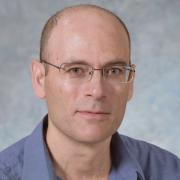
Brian Kirby is the Meinig Family Professor in the Department of Mechanical Engineering at the College of Engineering, Cornell University. He is a leading researcher in microfluidics, biomedical engineering, and cancer diagnostics, with a strong emphasis on circulating tumor cells (CTCs), rare cell isolation, and biophysical forces in disease. His work bridges engineering, biology, and clinical medicine. Institution: Cornell University School: College of Engineering Department: Mechanical Engineering Rank: Professor Education: Stanford University, 2001 Brian Kirby's research focuses on developing and applying microfluidic technologies to solve biomedical challenges. His work centers on microfluidic rare cell capture , particularly circulating tumor cells (CTCs) , enabling early cancer detection and monitoring treatment response. He investigates biophysical forces such as shear stress and surface interactions in conditions like thrombosis and cancer metastasis. His lab also works on dielectrophoresis , acoustophoresis , and electrokinetics for cell separation and analysis. Additional interests include bioinstrumentation , lab-on-a-chip devices , and fluid mechanics in biological systems . His recent publications show a consistent focus on microfluidic diagnostics, cancer biophysics, and smart fluid systems. Articles span topics from CTC isolation in prostate and pancreatic cancers to thrombosis in medical devices and programmable viscosity metamaterials . The research integrates engineering design with clinical applications, often involving interdisciplinary collaboration. Scientific Awards: Creative Teaching Award, Cornell Center for Teaching Innovation Advising Award, College of Engineering, Cornell University, 2015 Research Award, College of Engineering, Cornell University, 2015 Brian Kirby is actively involved in advising and research mentorship. While specific student names are not listed in the provided text, his extensive publication record and leadership of a research group indicate active supervision of graduate students and postdoctoral researchers. His research is supported by grants related to cancer diagnostics, microfluidics, and biomedical engineering, though specific grant details are not provided. He has contributed to the development of novel microfluidic devices such as the GEDI (Geometrically Enhanced Differential Immunocapture) platform for CTC capture and functional analysis. Labs and Teams: Kirby leads a research laboratory at Cornell focused on microfluidics and biomedical instrumentation. His team develops and applies microfluidic platforms for clinical diagnostics, particularly in oncology and hematology. The lab collaborates with clinicians and scientists across disciplines to translate engineering innovations into medical applications.