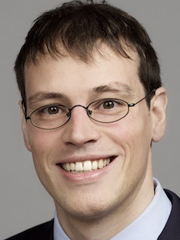
Professor Stephan Seifert leads research at the University of Hamburg's Department of Chemistry, focusing on chemometrics and bioinformatic methods for food profiling and manuscript analysis. His group develops analytical approaches using vibrational spectroscopy, machine learning, and data fusion techniques. Research spans: Chemometric method development (random forests, variable selection) Spectroscopic analysis (FTIR, Raman, NMR) Food authentication and quality control Manuscript material characterization Recent publications demonstrate increasing use of machine learning for metabolomics data interpretation and multi-technique data fusion. Research integrates analytical chemistry with computational approaches to solve problems in food science and cultural heritage. Current projects include the Cluster of Excellence 'Understanding Written Artefacts' and Palm-Leaf Manuscript Profiling Initiative. Leads the Seifert AG research group at the Institute of Food Chemistry.
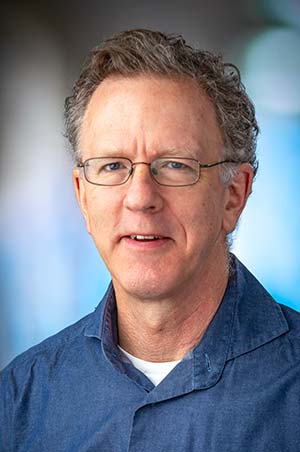
Dr. Jean-Charles Stinville is an Assistant Professor in the Materials Science and Engineering Department at the University of Illinois at Urbana-Champaign (UIUC), where he also holds appointments in the Materials Research Laboratory. Previously, he served as a Specialist (2019-2021) and Associate Specialist (2015-2019) at the University of California Santa Barbara (UCSB). His research focuses on the mechanical and environmental performance of metallic materials for extreme applications, including cryogenic and high-temperature environments. He leads experimental developments in in-situ SEM mechanical characterization and materials informatics. Education: Ph.D., Solid Mechanics, Materials Science and Structures Mechanics (Ecole Nationale Supérieure de Mécanique et Aerotechnique / University of Poitiers, 2010) M.Sc., Materials Science and Mechanical Engineering (ISAE-ENSMA / University of Poitiers, 2006) M.Eng., Aeronautics, Computer Science, Materials Science, and Mechanics (ISAE-ENSMA, 2006) Research Interests: Materials Informatics Cryogenic Materials In-situ Characterization Deformation Processes High-/Low-Temperature Materials Sustainable Metallurgy Recent Research Trends: His work emphasizes high-throughput experimental methods and machine learning to predict material behavior. Recent studies focus on plastic localization in nickel-based superalloys, cryogenic performance, and microstructural heterogeneity analysis. Awards: 2024 National Science Foundation Career Award 2024 Kent D. Peaslee Junior Faculty Award 2024 Stanford/Elsevier World's Top 2% Scientists Teaching: Teaches courses including MSE 529 (Hard Materials), MSE 598 (Materials Informatics), and MSE 443 (Design of Engineering Alloys). Recognized with student excellence awards in 2023 and 2024. Labs/Teams: Leads the Stinville Research Group, focusing on experimental and computational approaches to materials design. Collaborates with UCSB and institutions globally via projects like AdvancedExperiment (YouTube) and ResearchGate.
Jose Brandao Delgado serves as an Assistant Professor and Extension Food Safety Specialist at Utah State University's Department of Nutrition, Dietetics, and Food Sciences, based at the Logan Campus. His work integrates academic research with practical industry collaboration to advance food safety standards and regulatory compliance across Utah's agricultural sector. His educational foundation includes: PhD in Food Science from Louisiana State University (2019) BS in Food Technology from Escuela Agrícola Panamericana Zamorano (2012) Dr. Brandao's research centers on developing innovative food safety solutions for Utah's unique agricultural challenges, with particular emphasis on pathogen control in irrigation systems and food waste reduction. His expertise spans food toxicology, safety practices in food processing, and agricultural pathogen management, directly addressing critical gaps in fresh produce safety. Through extension programs, he translates complex food safety science into actionable industry protocols for both consumer and manufacturing contexts. Analysis of his 15 most recent publications (2015-2024) reveals a consistent research trajectory focused on practical food safety interventions. His work predominantly addresses irrigation water decontamination using surfactant-modified zeolite filtration systems, demonstrating significant pathogen reduction efficacy for high-risk pathogens like Salmonella and Listeria in strawberry and lettuce production. Secondary themes include horticultural by-product valorization, shelf-life extension techniques, and household food waste reduction strategies—showcasing his commitment to sustainable food systems from farm to consumer. No scientific awards were documented in the provided materials. Dr. Brandao actively secures research funding to support Utah's food safety infrastructure while mentoring students through courses like NDFS 6180 - Food Safety Inspection and Auditing. His dual extension appointments in Consumer Food Safety Education and Food Safety of Manufacturing Industry (both ongoing since 2024) demonstrate his commitment to bridging academic research with real-world industry implementation across multiple food system sectors.
Raghunandan Sharma is a researcher at the Department of Green Technology (IGT) at the University of Southern Denmark (SDU Chemical Engineering). His work focuses on electrocatalysis, nanomaterials, and sustainable energy systems, particularly in proton-exchange membrane fuel cells (PEMFCs) and water electrolysis. He actively collaborates with international institutions like the European Synchrotron Radiation Facility and Paul-Scherrer-Institute. Education: Not explicitly stated Current Role: Special Consultant (Researcher) at SDU His research emphasizes improving oxygen evolution reaction (OER) catalysts through microwave-assisted synthesis, nanoparticle engineering, and degradation mechanism analysis. Key themes include: Microwave synthesis of Ir-IrOx and IrRu nanoparticles Durability enhancement of fuel cell electrodes Precious metal recovery from spent catalysts Interface engineering in electrochemical systems Recent publications highlight scalable synthesis methods, catalyst stability strategies, and environmental lifecycle analysis. Collaborative activities include synchrotron radiation studies and neutron source experiments. Teaching duties involve fluid mechanics, thermodynamics, and energy materials courses.
Dr. Chad Rodekohr is a Professor of Mechanical Engineering in the College of Engineering at Anderson University, where he has taught since Fall 2022. His role encompasses teaching core engineering courses, mentoring student research, and advising the Engineering Club. He emphasizes integrating Christian faith with engineering education, preparing students for professional and spiritual life. Education: BS in Aviation Management MS in Physics Ph.D. in Mechanical Engineering Research Focus: Dr. Rodekohr specializes in experimental mechanics and materials science, with emphasis on: Braiding systems mechanics and computational modeling Tin whisker formation mechanisms in electronics Advanced microscopy techniques for materials characterization Vacuum systems and thin-film deposition processes Electronics packaging reliability and failure analysis His research merges theoretical physics with industrial applications. Publication Trends: His scholarly output (2009-2016) shows dual focus: materials science investigations (tin whisker growth, braiding mechanics, surface engineering) and science-faith integration. Early career publications emphasize experimental validation of material behaviors, while recent works explore engineering education philosophy. Professional Activities: Industry collaboration with Dodge Industrial as Manufacturing Engineer during summers Student mentoring through research projects in Sn whisker growth and carbon-fiber braiding Leadership of Engineering Club with extracurricular activities including astronomy nights and technical workshops
Christopher Kemp, PhD is a Professor in both the Human Biology Division and Public Health Sciences Division at Fred Hutchinson Cancer Center, with an Affiliate Professor appointment in Pathology at the University of Washington School of Medicine. He leads the Kemp Laboratory of Functional Precision Medicine and serves as a Member of the Translational Data Science Integrated Research Center (TDS IRC). Dr. Kemp's research focuses on precision oncology through functional genomics and high-throughput screening to identify synthetic lethal targets in cancers including pancreatic, ovarian, breast, and head and neck squamous cell carcinoma. His lab combines tumor genomics with drug sensitivity profiling in patient-derived models to develop targeted therapies that spare healthy tissue. Key methodologies include isogenic cell line models, functional genetic screens, and biomarker-driven drug validation. His research portfolio demonstrates strong emphasis on Target discovery for RAS-mutant cancers WEE1 inhibitor applications in head/neck cancer Blood-based biomarker development for early detection Overcoming tumor heterogeneity challenges Translational pipelines from target identification to clinical trials The publications reveal consistent focus on functional validation of genomic findings and development of clinically actionable therapeutic strategies, particularly for hard-to-treat solid tumors. Scientific recognition includes a $5.4M NCI award supporting his multi-disciplinary discovery platform. His clinical trial involvement demonstrates active translation of findings to patient care, including investigator-initiated trials for head and neck cancer. Dr. Kemp emphasizes collaborative science, stating: "By teaming up with experts with a range of experience, we will be able to translate our findings to the clinic much faster. I'm more optimistic than ever before." His lab actively engages clinicians, computational biologists, and patient advocates to accelerate bench-to-bedside translation.
Kai Röcker is a Full Professor at the Institute for Health Promotion and Exercise Medicine (IfAG) within Furtwangen University's Faculty of Medical and Life Sciences . He is also a coopted faculty member at the University of Freiburg's Institute of Sports and Sport Science since 2015. His research spans Exercise Physiology , Medical Technology , and Sports Diagnostics , with a focus on locomotion analysis, respiratory muscle function, and cardiorespiratory fitness optimization. MD with 30+ years of clinical/sports medicine experience Prolific researcher with 251+ publications and 3,214+ citations Current projects include Sport type categorisation and Categorizing locomotion analysis in gameplay His work integrates biomechanical sensor technology and physiological testing to address topics like Covid-19 impact on athletes , fatigue resistance , and performance diagnostics . Recent studies examine: Cardiorespiratory adaptations in post-COVID athletes Validation of wearable sensors for team sports Training intensity effects on fitness gains Soccer match acceleration demands Exercise tolerance in chronic heart failure Respiratory muscle training efficacy He received the DOSB-Wissenschaftspreis (Carl-Diem-Preis) in 2000. Collaborations span institutions like University of Freiburg, University of Basel, and Charité Berlin.
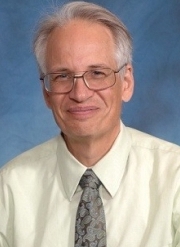
Richard Miller is a Professor in the Department of Civil, Environmental, and Geodetic Engineering at the University of Cincinnati. He holds the rank of Professor and has served as Principal Investigator (PI) on numerous transportation-related research projects funded by federal, state, and industry sponsors. His research focuses on structural engineering with particular emphasis on bridge systems, concrete materials science, and infrastructure rehabilitation. Key areas include prestressed concrete girder behavior, high-strength reinforcement applications, nondestructive evaluation, and bridge maintenance strategies. Miller has also contributed to national standards development through AASHTO and PCI guidelines. Over 30 years of continuous funding (1994-2024) demonstrates his sustained leadership in transportation infrastructure research. Notable grants include $1.45M NSF Distinguished Faculty Advancement Program (2024) and $992K Federal Highway Administration training initiatives. His work bridges academic research with practical industry applications, addressing critical challenges in bridge safety, durability, and lifecycle management. Over 60 peer-reviewed publications Principal Investigator on 45+ grants totaling over $15M Collaborator with FHWA, ODOT, and TRB Key contributions to PCI Bridge Manual updates Current research focuses on advanced materials for bridge decks, corrosion mitigation strategies, and innovative repair techniques. His lab conducts full-scale structural testing and field monitoring of critical infrastructure components.
Prof. Hans-Joachim Wunderlich is a Professor at the University of Stuttgart's Institute of Computer Architecture and Computer Engineering, within the Faculty of Computer Science, Electrical Engineering, and Information Technology. His research focuses on hardware reliability, fault tolerance, and testing methodologies for VLSI circuits and embedded systems. He specializes in areas such as delay fault testing under PVT variability, approximate communication, and aging-aware design. Key research interests include robust testing techniques for small delay faults, error-tolerant communication protocols (e.g., RAPPER and Gray code-based approaches), and GPU-accelerated simulation of faults. His work addresses challenges in functional safety, interconnect reliability, and securing reconfigurable architectures against security violations. He explores energy-efficient iterative solvers for approximate computing environments and develops methods for predicting device aging and early life failures. Prof. Wunderlich’s contributions span academic and industrial applications, with a focus on real-time systems and dependable multi-processor systems-on-chip (MPSoCs). His research integrates formal verification, machine learning for defect detection, and hybrid protection schemes for reconfigurable scan networks. Recent work emphasizes stress-aware testing strategies and optimization of sensor data streaming in resource-constrained environments.
Rao Tummala is a Distinguished and Endowed Pettit Chair Professor at Georgia Tech's College of Engineering, with joint appointments in Electrical and Computer Engineering and Materials Science and Engineering. He founded and directs the NSF-funded Microsystems Packaging Research Center (PRC), focusing on System-on-Package (SOP) innovations as the 'Second Law of Electronics.' The center involves 200 students, 15 faculty, and 40 global companies. Research interests span advanced packaging technologies, including: Glass-based RF modules for 5G/6G applications Polymer dielectrics for high-density interconnects Embedded power passives and 3D integration Nanocopper sintering for heterogeneous integration Millimeter-wave antenna-in-package designs Awards and honors include: National Academy of Engineering membership IEEE Third Millennium and David Sarnoff Awards ASM International Materials Achievement Award Distinguished Faculty Award from Georgia Tech
Victor D. Quintanilla is Professor of Law and Val Nolan Faculty Fellow at Indiana University's Maurer School of Law, with additional affiliation in the Department of Psychological and Brain Sciences. He serves as Co-Director of the Center for Law, Society, & Culture and holds status as a Faculty Affiliate of the Equity Accelerator and Schmidt Futures Innovation Fellow. Quintanilla joined the Maurer School of Law faculty in 2012, bringing expertise that bridges legal scholarship with social psychology. Quintanilla earned his Ph.D. from Indiana University (2024), J.D. from Georgetown University Law Center (2004, magna cum laude, Order of the Coif), and M.P.A. and B.B.A. from the University of Texas at Austin (2001). Prior to academia, he worked as a trial attorney for the U.S. Department of Justice and as an associate at Sidley Austin LLP. His research program uniquely integrates social psychology with legal scholarship, focusing on access to justice and legal education. Quintanilla investigates how psychological methods can improve experiences for unrepresented persons in court, particularly vulnerable minorities and disadvantaged groups. His work develops scalable psychological interventions that enhance success on the LSAT and bar exam through growth mindsets, adaptive stress mindsets, and social belonging concepts. He creates research infrastructure for continuous improvement of equitable experiences in courts, collaborating with judges to increase justice and equity. Quintanilla's publications reveal consistent focus on civil procedure, pro se representation, and the psychological dimensions of legal processes. His work demonstrates how psychological science can improve civil rights enforcement, address cognitive biases against unrepresented litigants, and develop human-centered civil justice design. Recent research examines digital inequalities in virtual court systems and pandemic impacts on bar exam performance. Val Nolan Faculty Fellow Schmidt Futures Innovation Fellow Center for Advanced Study in the Behavioral Sciences Fellow at Stanford University (2015-2016) American Bar Foundation / JPB Foundation, A2J Fellow (2020-2022) Faculty Affiliate of the Equity Accelerator Quintanilla's research has received funding from the American Bar Foundation, AccessLex Institute, Character Lab, Pew Charitable Trusts, and Schmidt Futures. He leads initiatives that enhance equity in courts and across legal education, developing interventions to improve the civil justice system. His work with the Indiana Civil Legal Needs Study and Legal Aid System Scan demonstrates commitment to practical applications of his research. Quintanilla has presented his findings at major academic conferences including the Society for Personality and Social Psychology, the Society for the Psychological Study of Social Issues, and the Law and Society Association. Quintanilla directs research infrastructure for continuous improvement of equitable experiences in courts and leads access to justice initiatives. His work with the Center for Law, Society, & Culture fosters interdisciplinary collaboration between legal scholars and social scientists. Through his innovative approach combining psychological methods with legal scholarship, he creates practical interventions that address systemic barriers in the justice system.
Zhao Jianwei is an Assistant Professor at the School of New Materials and New Energy, Shenzhen University of Technology. He received his Ph.D. in Materials Science and Engineering from North Carolina State University in 2020. Prior to his current position, he worked as a Postdoctoral Fellow and Assistant Research Fellow at the Shenzhen Institutes of Advanced Technology, Chinese Academy of Sciences, and the Shenzhen International Innovation Institute of Advanced Electronic Materials from 2021 to 2024. His academic journey includes a Master's degree from the University of Michigan-Dearborn and a Bachelor's degree from Wuhan University of Technology. Ph.D., Materials Science and Engineering, North Carolina State University (2016-2020) M.S., Mechanical Engineering, University of Michigan-Dearborn (2013-2015) B.S., Materials Science and Engineering, Wuhan University of Technology (2009-2013) Zhao's research focuses on developing advanced ceramic materials with emphasis on lead-free piezoelectrics, ferroelectrics, and transparent ceramics. His work incorporates cutting-edge in-situ analysis techniques using synchrotron radiation high-energy X-ray diffraction to understand material behavior under various conditions. His research program addresses critical challenges in the field of electronic ceramics, particularly in developing environmentally friendly alternatives to lead-based materials while maintaining high performance characteristics. His approach combines materials design, processing optimization, and advanced characterization to develop next-generation functional ceramics. Analysis of Zhao's recent publications reveals a strong focus on lead-free piezoelectric and energy storage ceramics, with particular emphasis on BiFeO 3 -BaTiO 3 based systems. His work demonstrates expertise in composition design, phase structure control, and property optimization. The research spans fundamental investigations of domain structures and phase transitions to applied research on energy storage performance and reliability. The publications appear in high-impact journals including Acta Materialia, Journal of the European Ceramic Society, and Journal of Materials Chemistry A, indicating strong recognition in the ceramics research community. Zhao has secured research funding as Principal Investigator for projects including the Guangdong Provincial Regional Joint Fund and the Shenzhen Excellent Science and Technology Innovation Talent Training Project. These projects support his research in lead-free piezoelectric ceramics and related materials. His research group works on several key areas: component design of lead-free piezoelectric and ferroelectric ceramics, application of synchrotron radiation XRD for in-situ analysis, and development of transparent ceramics. The team collaborates with multiple institutions including the Shenzhen Institutes of Advanced Technology and utilizes advanced characterization facilities for materials research.
Amirali Aghazadeh is an Assistant Professor in the School of Electrical and Computer Engineering at the Georgia Institute of Technology. He serves as program faculty for the Machine Learning, Bioinformatics, and Bioengineering Ph.D. programs and has affiliations with the Institute for Data Engineering and Science (IDEAS) and Institute for Bioengineering and Biosciences. Dr. Aghazadeh's research lies at the intersection of machine learning and AI, information and signal processing, and biological design and engineering. His work focuses on developing tools and algorithms that enable machines to learn, predict, scale, adapt, and be explained to solve challenging biological science and engineering problems, including: ML/AI-guided protein design & optimization Variant effect prediction Accelerated/guided sequence generation Origins of life and biosignature discovery AI for protein imaging His recent publications demonstrate a strong focus on applying machine learning and AI to biological problems, particularly in protein design and analysis, as well as developing novel algorithms for data processing. His work spans computational biology, astrobiology, and information theory, showing interdisciplinary breadth while maintaining technical depth. Dr. Aghazadeh's scientific achievements include winning the IDEaS GenAI for Science competition in July 2025, with support from Microsoft Azure to develop next-generation agentic AI tools for scientific discovery. His work on 'AI Scientists' for hypothesis generation about Origins of Life was featured in Nature. He advises several graduate students including Thomas Alan Walton, Darin Tsui, Lauren Fogel, Daniel Saeedi, Denise Buckner, and José Aponte, who have contributed to his research in protein design, AI for scientific discovery, and algorithm development. His lab appears to focus on the intersection of AI and biological sciences, with connections to NASA Goddard Space Flight Center as evidenced by collaborations on astrobiology research.
Dr. Wei-Ju Chen is an Assistant Professor of Psychology and Interim Department Chair at the University of Texas Permian Basin’s College of Health Sciences. She leads the Psychology Master’s Program and coordinates the Experimental Psychology Accelerated Master’s Pathway (AMP). B.S. and M.A. in Psychology from San José State University Ph.D. in Psychology (Health Psychology) from the University of Wisconsin-Milwaukee Her research spans psychophysiological well-being, minority health disparities, and genomics, with a focus on stress-coping-emotion dynamics, culturally tailored cancer prevention education, and genetic testing for autism spectrum disorders (ASD). Recent work explores eco-anxiety, antisocial traits, and psychosocial determinants of health. Dr. Chen’s grants include the University of Texas System’s Rising STAR faculty award. She mentors undergraduate, graduate, and Master’s Thesis students, emphasizing interdisciplinary training for community health workers.
Ivana Kovacevic-Badstübner serves as a Lecturer at ETH Zurich's Department of Information Technology and Electrical Engineering, working within the Chair of Power Semiconductors under Prof. Ulrike Grossner. Her research focuses on advanced electromagnetic modeling techniques for power semiconductor devices and modules, with particular emphasis on Wide Bandgap (WBG) technologies. Her research interests span electromagnetic modeling of power electronics systems, multiphysics simulation of semiconductor devices, Wide Bandgap semiconductor applications, EMI filter design and analysis, and power module reliability. She has made significant contributions to the understanding of parasitic effects in power modules and the development of virtual prototyping methodologies for power electronics design. Kovacevic-Badstübner's publication record demonstrates a strong focus on practical engineering solutions for power electronics challenges, with numerous contributions to IEEE journals and international conferences. Her work shows consistent progression from fundamental electromagnetic modeling techniques to applied research in aircraft power systems and reliability prediction. Her scientific contributions primarily appear in the fields of power electronics and electromagnetic compatibility, with a particular emphasis on the design and analysis of power semiconductor modules using Silicon Carbide technology. Her research has addressed critical challenges in thermal management, parasitic extraction, and reliability prediction for next-generation power electronic systems. As a lecturer at one of the world's leading technical universities, she contributes to the education of future engineers in power electronics and semiconductor technology, bridging theoretical knowledge with practical industry applications.