- Metaphysics
- Epistemology
- Philosophy of Science
- +۶ مورد دیگر
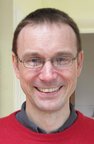
James Duncan Summerford is an Associate Professor of Philosophy at the Ohio University–Lancaster campus, part of the College of Arts and Sciences. He has been a core faculty member since 1999, contributing to undergraduate education and philosophical scholarship in metaphysics and epistemology. Education: Ph.D. in Philosophy, The Ohio State University (1997) M.A. in Philosophy, The Ohio State University (1990) B.A. in English & Philosophy, Oberlin College (1988) His research centers on metaphysics and epistemology, with a focus on the problem of universals, virtue epistemology, and the philosophical foundations of science and religion. He has critically engaged with the work of David Armstrong, particularly on realism, instantiation, and laws of nature. His interdisciplinary interests extend into logic, ethics, philosophy of religion, and the metaphysics of death. The published articles reflect a sustained engagement with analytic metaphysics and epistemology, particularly in the tradition of Armstrong and contemporary virtue-based theories. His work bridges technical metaphysical debates with broader epistemic and religious questions, showing a consistent interest in how abstract entities and epistemic norms function in philosophical explanation. Scientific Awards and Recognitions: Phi Theta Kappa Professor of the Year (2004) Included in Who’s Who Among America’s Teachers (2004, 2002) Pan Hellenic Award for Teaching Excellence, Auburn University (1999) William H. Fink Award (Second Prize) for philosophical writing (1997) Graduate Fellowship, The Ohio State University (1995) He has served as a referee for the Ohio Philosophical Association and has delivered commentaries on peer work. He has also held leadership roles in academic and community service, including co-chairing the United Way Campaign at Ohio University–Lancaster. He has taught a wide array of courses including Symbolic Logic, Environmental Ethics, and Philosophy of Science, demonstrating a strong commitment to liberal arts education. While there is no mention of a research lab or formal team, his academic service, conference participation, and collaborative work (e.g., co-authoring with James Barron) indicate active engagement within the philosophical community.