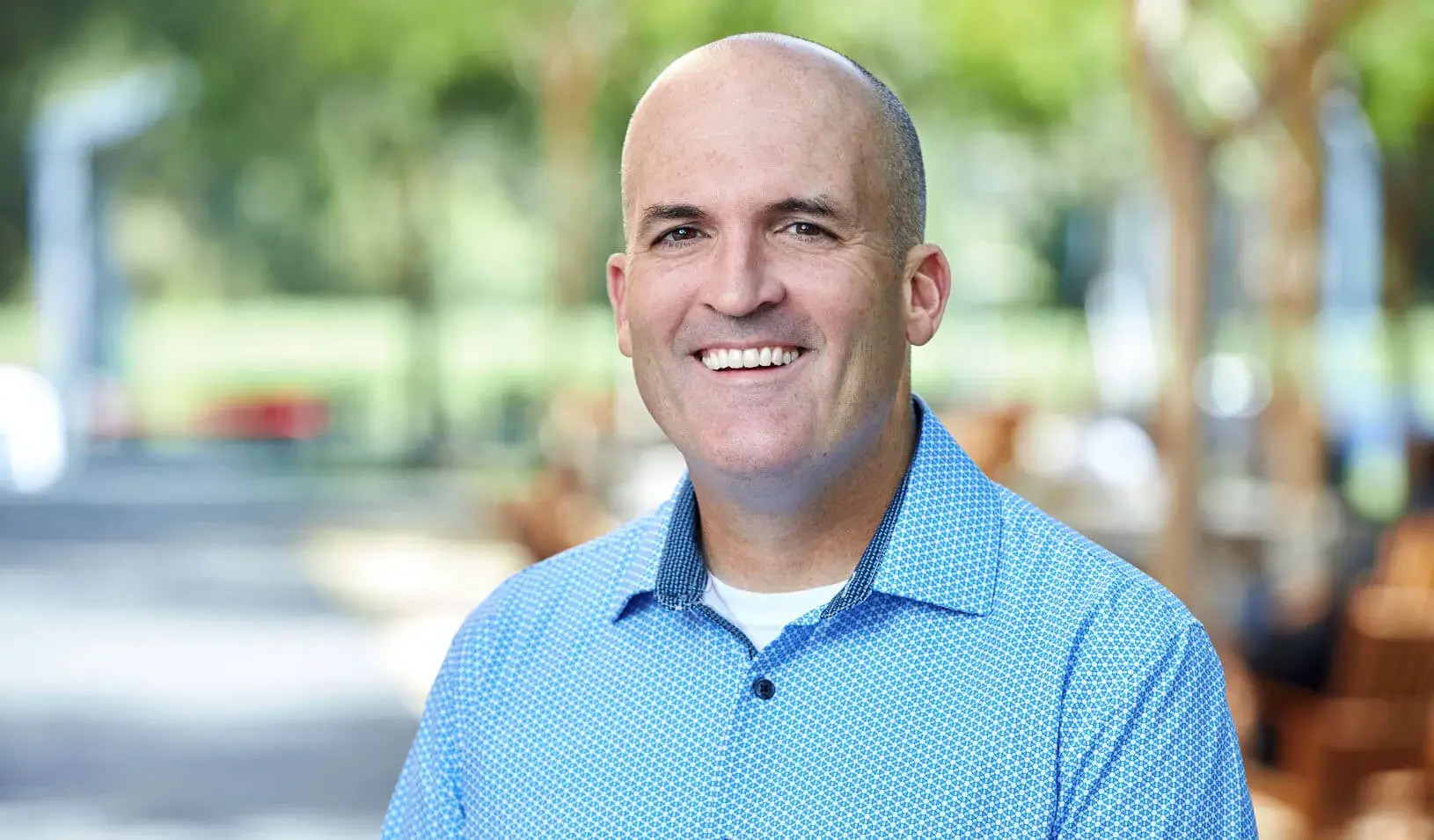
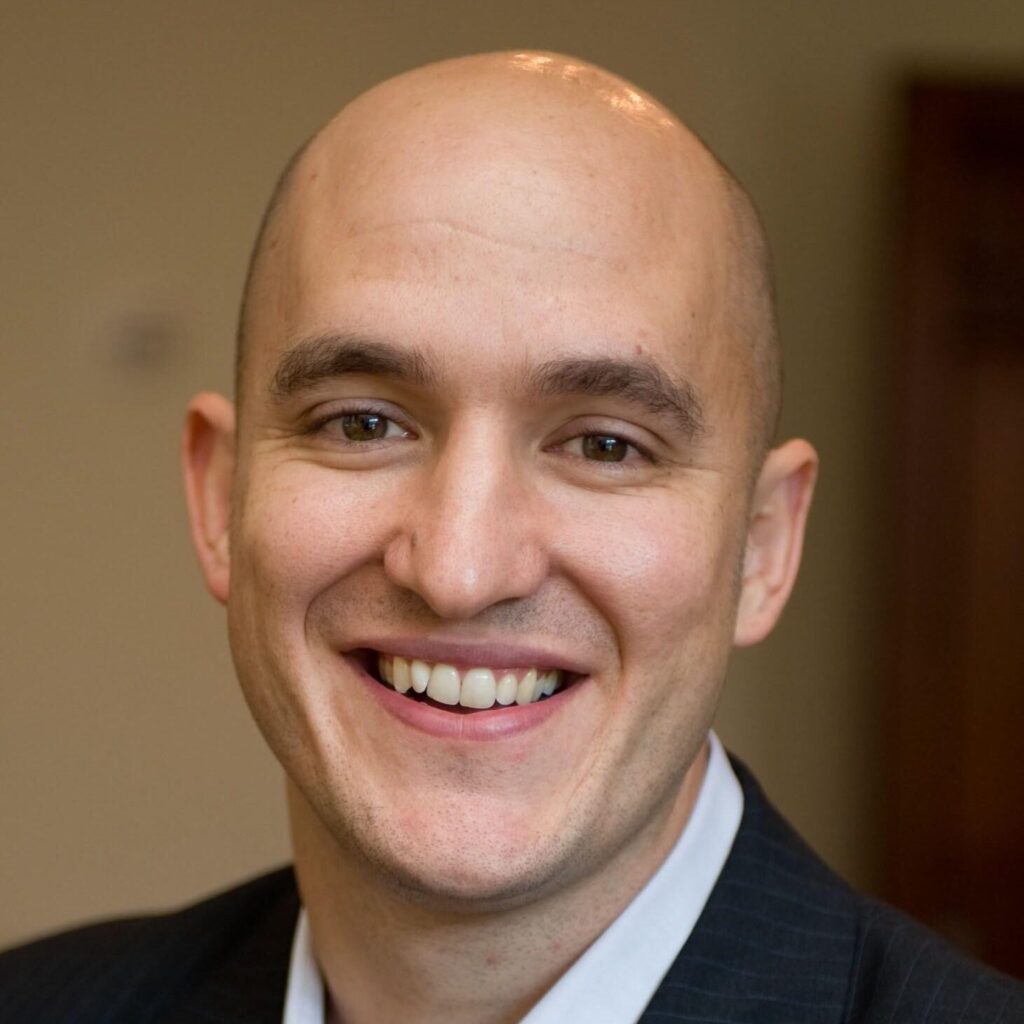
Peter Nilsson is a Professor of Economics at the Institute for International Economic Studies (IIES) , Stockholm University. He also holds a guest professorship at Linnaeus University and serves as a research fellow at IFAU , Uppsala Center for Labor Studies , CESifo , and CEPR . Previously, he was a postdoctoral fellow at Stanford University and obtained his PhD from Uppsala University (2010). Research Focus: His work bridges Labor Economics , Health Economics , and Environmental Economics , analyzing how early-life exposures (alcohol, lead), workplace dynamics, and policy interventions (unemployment insurance, congestion pricing) shape long-term socioeconomic outcomes. Key themes include Environmental Health Impacts on Cognition and Crime Labor Market Responses to Insurance Policies Peer Effects in Workplace Behavior Policy Design for Social Equity Scientific Awards: Nilsson has been recognized through research fellowships at leading institutions and editorial roles, including Associate Editor at The Economic Journal since 2021. His work has been featured in American Economic Review , Journal of Political Economy , and NBER platforms. Key Contributions: He provided testimony for Connecticut’s HB-5045 to reduce childhood lead exposure and contributed to Sweden’s Corona Commission report on pandemic responses. His empirical methods combine natural experiments with administrative datasets to identify causal relationships in health, labor, and environmental economics.
Mushtaq Khan is a Professor in the Department of Economics at SOAS University of London . His research focuses on governance, corruption, industrial policy, and structural transformation in developing countries, with particular emphasis on Bangladesh, Nepal, and Nigeria. Research Interests : Corruption and Anti-Corruption Strategies Political Settlements and Governance Industrial Policy Design Climate Adaptation and Public Health Systems Policy Contributions : His work addresses challenges such as collusive contracting in energy sectors, doctor absenteeism in rural healthcare, and dual-use climate projects as anti-corruption tools. Advising : He has supervised theses on industrial policy in Nigeria, economic transformation in Rwanda, and federalism in Nepal.
Prof. Dr. Teresa Sansour is a full Professor of Pedagogy and Didactics in Cases of Intellectual Development Impairments with Special Consideration of Inclusive Educational Processes at the Institute for Special and Rehabilitation Education, Carl von Ossietzky University of Oldenburg. She joined the university in April 2020 and has held leadership roles including Vice Director for Teaching at the Center for Teacher Education (since October 2021) and Deputy Institute Director (since April 2025). Her academic affiliations reflect a deep commitment to inclusive and special education. Her research focuses on educational interactions in the context of intellectual disabilities, inclusive subject didactics, the participation of people with complex disabilities, and the professionalization of educators and prospective teachers. Key research areas include inclusive literacy, art education, teacher motivation, and social integration. She leads significant funded projects such as Literary Texts in Simple Language (LiES) and Lighthouses for Participation , both aimed at enhancing inclusion for people with disabilities. The recent publications of Prof. Sansour span topics such as school absenteeism in autism, self-concept in intellectual disabilities, inclusive art education, and participation models. Her work demonstrates a strong interdisciplinary and applied focus, combining qualitative methods with pedagogical innovation. She frequently publishes in peer-reviewed journals and edited volumes on special education, inclusive didactics, and disability studies. Member, German Society for Educational Research (DGFE), Section Special Education Member, Network for Complex Disabilities e.V. Chair, Advisory Board of the Georg-Leffers-Stiftung Chair, Association for the Promotion of Pedagogical Rehabilitation and Social Integration of People in Risk Situations Board Member, German Interdisciplinary Society for Research Promotion for People with Intellectual Disabilities (DIFGB) Prof. Sansour actively contributes to academic leadership and teacher training. She serves as program coordinator for the Bachelor’s in Special Education and accreditation officer for the Special Education/Social Studies cluster. Her work includes advising on inclusive curricula, fostering research collaborations, and securing external funding for inclusive initiatives. She has not received explicitly mentioned scientific awards in the provided text. She is involved in multiple collaborative research teams and projects focused on inclusion, literacy, and disability rights.
Alberto Salvo is an Associate Professor at the National University of Singapore (NUS), holding a PhD from the London School of Economics. His research spans environmental economics, industrial organisation, and applied microeconomics, with a focus on urban pollution, consumer behavior, and climate action. Environmental Economics & Policy (Undergraduate) Economics of the Environment (PhD) Advanced Industrial Organisation (PhD) His work examines air pollution impacts on health and productivity, fuel switching dynamics in megacities, and behavioral responses to environmental stress. Recent publications analyze particulate pollution in China, temperature effects in tropical cities, and plastic waste patterns linked to food delivery. Notable awards include the JAERE Best Paper Award (2020), Robert Mundell Prize (2010), and Antitrust Policy Award (2007). His collaborations span institutions in Brazil, China, and Singapore.
Francis J. Flynn, known as Frank, is the Paul E. Holden Professor of Organizational Behavior at Stanford Graduate School of Business (GSB). He holds a PhD from UC Berkeley and joined Stanford in 2006 after roles at Columbia Business School. His academic focus revolves around leadership, employee cooperation, and mitigating workplace stereotypes. A renowned teacher, he employs the 'Three E’s' method: Engagement, Evidence, and Examples, emphasizing hands-on learning and real-world application. Education : PhD in Organizational Behavior, UC Berkeley (2000) MS in Business, UC Berkeley (1999) BBA, University of Notre Dame (1994) Research Interests : Frank explores why good intentions fail to produce desired outcomes in organizations, focusing on psychological barriers to cooperation. His work bridges management and social psychology, addressing topics like leadership emergence, stereotype reduction, and decision-making dynamics. Executive Education : He designs programs for companies including Google, Microsoft, and Bank of America, specializing in leadership and decision-making. His courses at Stanford include OB 206: Organizational Behavior and OB 377: The Paths to Power . Awards : Spence Faculty Fellow (2020–21) James & Doris McNamara Faculty Fellow (2013–14) Leadership Roles : Director of Executive Leadership Development at Stanford GSB, overseeing programs like the Executive Leadership Development initiative. Personal : An avid hiker and introvert-turned-public speaker, Frank advocates for deliberate practice. His book recommendations and teaching philosophy emphasize simplifying complex ideas, as seen in his推崇 of Michael Schur’s How to Be Perfect .
Alyssa M. Bilinski is the Peterson Family Assistant Professor of Health Policy at Brown University School of Public Health, with joint appointments in the Departments of Health Services, Policy & Practice and Biostatistics. Her work focuses on integrating policy evaluation and modeling to identify efficient interventions for improving population health and well-being. Education: PhD in Health Policy (Evaluative Science & Statistics) from Harvard University MSc in Medical Statistics from London School of Hygiene and Tropical Medicine as a Marshall Scholar AM in Statistics from Harvard University BA from Yale College Research Areas: Dr. Bilinski's research bridges methodological innovation and practical application, with emphasis on: Modeling strategies for safe school reopening during pandemics Defining adaptive mitigation frameworks for public health Parental mental health impacts of education policies Leveraging absenteeism data for health interventions Scientific Recognition: As a Marshall Scholar, she demonstrated exceptional academic achievement through advanced training in medical statistics. Collaborations with state, local, and federal public health agencies Publications in interdisciplinary journals: JAMA, Annals of Internal Medicine, PNAS, Health Affairs, Journal of Econometrics, Value in Health Her current work focuses on real-time data systems for public health decision-making, particularly through absenteeism monitoring in educational settings.
Catherine Polling is an NIHR Clinical Lecturer in General Psychiatry at King’s College London (KCL), affiliated with the Institute of Psychiatry, Psychology & Neuroscience (IoPPN) and the Health Inequalities Research Group . Her work focuses on mental health inequities, self-harm epidemiology, and mixed-methods research, particularly in urban and marginalized communities. Education: MBBS from University College London, MSc in Epidemiology from the London School of Hygiene and Tropical Medicine, PhD from KCL's Department of Psychological Medicine Research Interests: Catherine investigates health disparities in mental health services using advanced statistical methods (multi-level modeling, Bayesian disease mapping) and GIS-based data visualization. Her clinical work with the South London and Maudsley NHS Foundation Trust complements her academic focus on systemic racism and mental health outcomes. Teaching & Engagement: She lectures on urban mental health for KCL’s Urban Informatics MSc and co-leads training on racism in mental health services. She also facilitates reflective practice groups accredited by the Balint Society and contributes to curriculum reform via the Maudsley Cultural Psychiatry Group. Scientific Awards: NIHR Clinical Lecturer Fellowship Wellcome Training Fellowship Research Trends: Her publications emphasize self-harm risk factors, pandemic impacts on healthcare workers, ethnic disparities in mental health services, and the intersection of urban environments with mental health outcomes. She integrates large-scale clinical datasets, qualitative interviews, and spatial analysis to address systemic inequities.
Anant Nyshadham is an Associate Professor of Business Economics and Public Policy at the Ross School of Business, University of Michigan. He holds positions as a Research Associate at the National Bureau of Economic Research (NBER), Affiliate of BREAD, Research Affiliate of the International Growth Centre (IGC), and J-PAL affiliated professor. He also serves as co-founder and Chief Strategy Officer of the Good Business Lab, a nonprofit promoting worker welfare initiatives. Education: BSc in Economics from the University of Pennsylvania (2006), PhD in Economics from Yale University (2012). Research focuses on enterprise dynamics, labor markets, managerial quality, and health outcomes in developing economies. Key themes include worker training, labor contracting, and the impact of environmental factors on productivity. His fieldwork spans countries like India, Kenya, Colombia, and Mexico. Recent publications analyze topics such as relational contracts in firms, health costs of energy policies, and the long-term effects of early-life interventions. He has received grants and awards for projects addressing organizational behavior and worker welfare. Labs/Initiatives: Leads research collaborations through the Good Business Lab and Ross School of Business, focusing on scalable solutions for improving labor practices and worker well-being.
Dr. Kathryn Lester is an Associate Professor in Developmental Psychology at the University of Sussex's School of Psychology. She leads internationally recognized research on childhood anxiety, focusing on intergenerational transmission, cognitive biases, and school mental health interventions. Her work includes developing evidence-based programs for emotionally-based school avoidance and evaluating whole-school approaches to mental health. She holds leadership roles in Sussex’s senior management team, including Subject Group Lead for Developmental Psychology and Deputy Director for Postgraduate Research. She co-leads the Sussex Foundation Partnership Trust School Mental Health Research Team Clinic and has secured funding from the National Institute for Health Research, ESRC, and The National Lottery Community Fund. Her academic journey includes a D.Phil. in Psychiatry from the University of Oxford (2008) and postdoctoral research at the University of Sussex and King’s College London. Key research interests include anxiety prevention, school-based interventions, and the impact of parenting behaviors on child mental health. She has collaborated with organizations like the Sussex Wildlife Trust and provided consultancy for educational content development, such as children’s book series on emotions and ITV’s ‘Planet Child’ series. Her research spans mixed-methods approaches, including participatory methods with children and caregivers. Notable projects include NIHR-funded studies on digital mental health toolkits and Kavli Trust-funded interventions to reduce anxiety transmission from parents to children. She actively engages in knowledge exchange and mentoring early-career researchers.
Dr. Linda D. Grooms is a Professor of Educational Leadership at Regent University's School of Business and Leadership. With over three decades of experience, she specializes in integrating faith-based principles into educational systems. Her leadership spans university teaching, international training, and longitudinal research in online pedagogy, computer-mediated communication, and virtual leadership development. Education: BM in Music Theory, Furman University (1976) MA in Educational Administration, Regent University (1984) Certificate of Advanced Graduate Studies & PhD in Organizational Leadership, Regent University (1997 & 2000) Research Interests: Dr. Grooms focuses on distance learning innovation, constructivist online education models, leadership resilience in cross-cultural contexts, and the intersection of ethical leadership with educational equity. Her work emphasizes leveraging technology to democratize education and foster global leadership. Awards & Grants: Regent Professor of the Year (2015-16) Recipient of multiple faculty research grants Certified Master Instructor (2003) Over $15,000 in external grants for educational initiatives Professional Contributions: She serves on editorial boards for journals like International Journal of Leadership Studies and has reviewed for publishers including Sage and Rowman & Littlefield. Her work appears in prestigious encyclopedias and peer-reviewed journals, with a focus on bridging theory and practice in educational leadership. Future Focus: Continues advocating for faith-infused education systems, cross-cultural leadership development, and expanding access to quality education through digital innovation.
Line Brotnow Decker is a Lecturer in the Child Study Center at Yale School of Medicine. She holds a BS in Psychology from Université de Paris (2011) and an MSc in Developmental Neuroscience and Psychopathology from University College London (2013). Her research focuses on intensive home-based treatments for youth with psychiatric conditions, family systems therapy, maternal mental health, and behavioral motivation measurement. Dr. Decker co-developed the CRAVE Scale for assessing motivation states related to physical activity and has published extensively on interventions targeting high-risk youth, parent-clinician collaboration, and prenatal stress impacts. Key Research Areas: Mentalization-based interventions, family therapy, school absenteeism interventions, and maternal-child health dynamics Notable Contributions: Evaluation of IICAPS home-based program, development of CRAVE Scale, studies on parent-clinician disagreement impacts Her work emphasizes practical clinical strategies for improving family mental health treatment outcomes through enhanced clinician-parent collaboration and tailored behavioral interventions. Dr. Decker collaborates with institutions like the Stephen & Denise Adams Center for Parkinson’s Disease Research on translational child psychiatry initiatives.
Thomas S. Dee is the Barnett Family Professor at Stanford University's Graduate School of Education (GSE), a Research Associate at the National Bureau of Economic Research (NBER), a Senior Fellow at the Stanford Institute for Economic Policy Research (SIEPR), and a Senior Fellow (Joint) at the Hoover Institution. He serves as the Faculty Director of the John W. Gardner Center for Youth and Their Communities and holds multiple administrative appointments including Member of the Executive Committee of Stanford's Public Policy Program. Professor Dee's research focuses on the use of quantitative methods to inform contemporary issues of public policy and practice, with particular emphasis on education policy, economics of education, and program evaluation. His work spans critical areas including pandemic education effects, chronic absenteeism, school choice, educational equity, STEM education, and research methodology. He has made significant contributions to understanding how quantitative analysis can shape effective educational policy and practice. Dee's recent publications reveal a strong focus on pandemic-related educational disruptions, examining issues like chronic absenteeism, enrollment declines, and school reopening preferences. His research demonstrates expertise in quasi-experimental methods and has increasingly addressed questions of educational equity, particularly regarding underrepresented students in STEM fields. His 2025 work on Advanced Placement computer science shows how course design can broaden participation among female and minority students. Outstanding Public Communication of Education Research Award, American Educational Research Association (2024) Peter H. Rossi Award for Contributions to the Theory or Practice of Program Evaluation, Association for Public Policy Analysis and Management (2024) Research-Practice Partnership Award (co-recipient), California Educational Research Association (2023) Community Outcomes and Impact Award, International Association for Research on Service Learning and Community Engagement (2020) Raymond Vernon Memorial Award, Association for Public Policy Analysis and Management (2019) Raymond Vernon Memorial Award, Association for Public Policy Analysis and Management (2015) Professor Dee actively contributes to academic discourse through editorial roles on journals including the American Educational Research Journal and Education Finance and Policy. His teaching portfolio includes advanced courses in quantitative policy analysis and quasi-experimental research design, reflecting his methodological expertise. While specific grant information isn't detailed in the provided text, his extensive publication record and leadership roles suggest significant research funding support. As Faculty Director of the John W. Gardner Center for Youth and Their Communities, Dee leads initiatives connecting Stanford with community organizations to address youth development challenges. His work bridges academic research with practical community applications, emphasizing the importance of research-practice partnerships in creating meaningful educational change.
Prof. Dr. Wolfgang Mack is a Professor at the Ludwigsburg University of Education, affiliated with the Faculty of Participation Sciences (formerly Special Education). His research focuses on school social work, educational landscapes, school absenteeism, and transitions from school to work, with an emphasis on cooperation between youth welfare and schools. University: Ludwigsburg University of Education Department: Institute for General Special Education Academic Rank: Professor Research interests center on educational equity, social inequality in education, and systemic approaches to integrating youth welfare with schools. He has published extensively on topics like inclusive education, cultural education in marginalized communities, and policy implications of PISA findings. His 15 most recent articles (2000-2014) span themes such as school absenteeism, educational landscapes, inclusive pedagogy, and youth welfare collaborations. Keywords include education, social work, pedagogy, and urban policy. He serves as an academic advisor for degree programs and leads initiatives on educational reform, including roles in projects like "Educational Landscapes" and editorial contributions to the journal Lehren und Lernen . Office hours are held in Ludwigsburg.
Michael C. Herron is a Professor in the Department of Quantitative Social Science at Dartmouth College. His research focuses on election administration, statistical methods, and game theory. He holds a Ph.D. and M.S. from Stanford University, an M.A. from the University of Dayton, and a B.S. from Carnegie Mellon University. Research Interests: Election integrity and voting technology Statistical analysis of electoral systems Game theory applications in political science Recent Article Trends: His work examines mail-in ballot challenges, including postal disruptions, ballot rejection rates, and anomalies in congressional districts. Studies span 2019–2022, reflecting pandemic-era electoral shifts and administrative vulnerabilities. Contact: Email: Michael.C.Herron@dartmouth.edu Phone: 603-646-2693 Office: Silsby, Room 121B HB 6227
Todd Rogers is the Weatherhead Professor of Public Policy at the Harvard Kennedy School of Government , with dual appointments at Harvard University. He co-founded the social enterprises Analyst Institute (serving on its board) and EveryDay Labs (as Chief Scientist). At Harvard, he directs the Behavioral Insights Group and chairs the executive education program Behavioral Insights and Public Policy . He also holds affiliations as Senior Scientist at ideas42 and Academic Advisor at the Behavioural Insights Team . His education includes a joint Ph.D. from Harvard’s Psychology Department and Harvard Business School, and a B.A. in Religion and Psychology from Williams College. Education: Ph.D. in Psychology & Harvard Business School B.A. in Religion & Psychology, Williams College Todd Rogers specializes in behavioral science with applications to student attendance , democracy strengthening , and communication optimization . His research bridges behavioral economics, public policy, and education, focusing on scalable interventions like automated reminders and communication redesign. His work addresses truancy reduction , voter behavior , health compliance , and decision-making biases . Todd’s recent publications emphasize behavioral interventions in education and health, communication simplification , and technology-driven nudges . Key themes include student absenteeism , vaccination compliance , AI-assisted writing , and behavioral barriers in policy implementation . His studies often leverage randomized controlled trials and large-scale field experiments to evaluate the effectiveness of behavioral tools like SMS reminders, commitment devices, and normative feedback. Leadership Roles: Co-founder & Equity Holder, Analyst Institute Co-founder, Chief Scientist (unpaid), EveryDay Labs Faculty Director, Behavioral Insights Group Senior Scientist, ideas42 Academic Advisor, Behavioural Insights Team