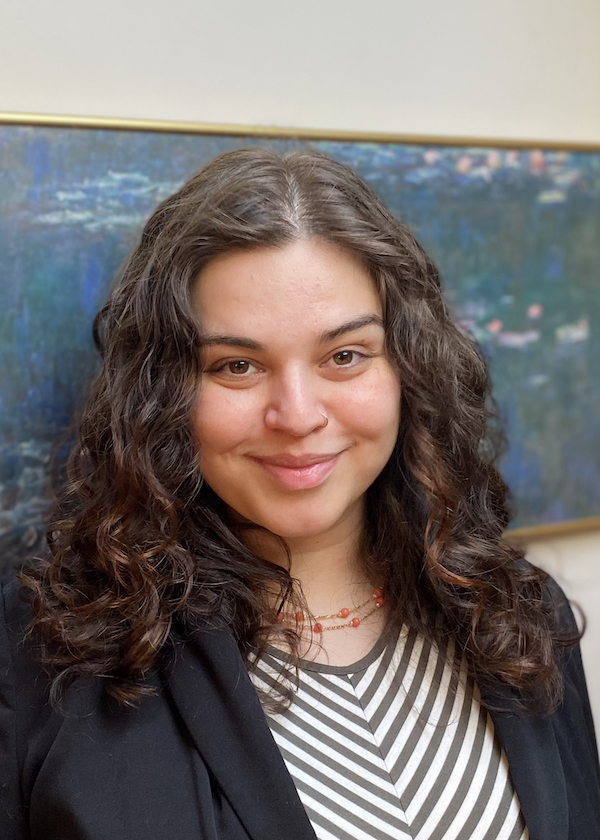
Miriam Kuzbary is an Assistant Professor of Mathematics at Amherst College, specializing in geometric topology and knot theory. She holds a PhD from Rice University and has held postdoctoral positions supported by the NSF. Her research explores intersections between group theory and topology, particularly in low-dimensional spaces and knot concordance. She is actively involved in organizing conferences like the Five College Geometry Topology Seminar and the Links in Dimensions 3 and 4 Conference at ICERM. Kuzbary is also committed to inclusive pedagogy, adhering to Federico Ardila’s axioms, and has received multiple teaching awards, including the Class of 1934 CIOS Honor Roll. She has advised numerous students on research projects, blending topology with interdisciplinary applications like textile structures and music theory. Educations: PhD (Rice University), MA (Rice University), BS (University of Texas at Dallas). Affiliations: Organizer of ICERM’s 2025 conference, co-founder of Atlanta Undergraduate Research Seminar. Research Interests: Focuses on link concordance, mapping class groups, and applications of topology to art/music. Utilizes Heegaard Floer homology and gauge theory. Recent work includes studies on knitted materials and Torelli group metrics. Awards: NSF Postdoctoral Fellowship, AAUW Dissertation Fellowship, NSF GRFP.
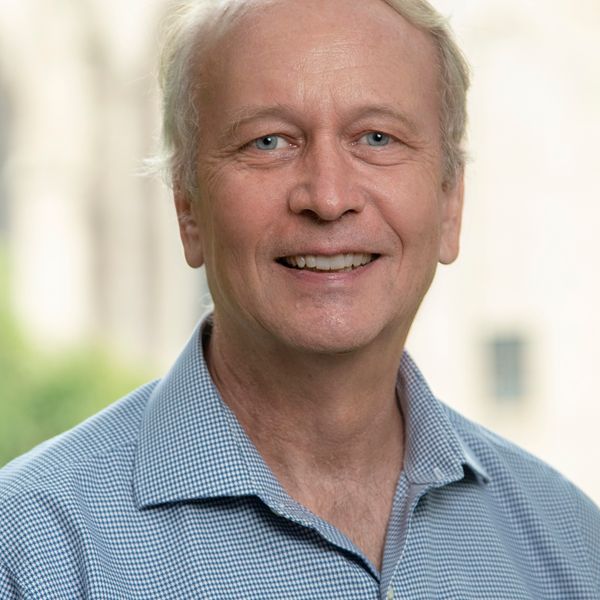
Randall P. Ellis is a Professor of Economics at Boston University, specializing in Health Economics, Industrial Organization, and Econometrics. His research focuses on healthcare payment systems, insurance design, predictive modeling, and international health economics. He holds a PhD from MIT and has contributed extensively to understanding managed care systems, risk adjustment frameworks, and healthcare policy evaluation. Education: PhD in Economics from Massachusetts Institute of Technology. Research Interests: Ellis’s work spans health care payment reforms, risk selection mechanisms, and the application of machine learning to health economics. He examines issues such as Medicaid managed care, obesity treatment economics, and the impact of anti-corruption programs on healthcare systems. His research emphasizes improving equity and efficiency in healthcare markets, particularly through innovative payment systems and risk adjustment models. Key Contributions: Ellis has developed frameworks for disease surveillance and risk adjustment (e.g., Diagnostic Items Classification System), evaluated payment system performance, and analyzed factors influencing healthcare utilization and costs. His work bridges theoretical economic models with practical policy applications, informing both academic and policy audiences. Grants & Collaborations: While specific grants are not detailed here, his research frequently involves collaborations with institutions like Harvard and MIT through the Health Economics Seminar. His work often addresses global health challenges, including pandemic financing and healthcare corruption in developing regions. Labs/Teams: Ellis is affiliated with Boston University’s economics department and collaborates with interdisciplinary teams on projects related to health policy and econometric modeling.
Stanley Huey is a Professor of Psychology and American Studies & Ethnicity at the University of Southern California (USC), affiliated with the College of Letters, Arts and Sciences. He holds a Ph.D. in Clinical Psychology from UCLA (1998) and joined USC in 2000. His research focuses on psychotherapy outcomes, culturally responsive treatments for ethnic minorities, and interventions targeting gang-involved youth and criminal justice populations. Dr. Huey’s educational background includes a B.A. in Psychology and Anthropology from UC Berkeley (1990), an M.A. in Clinical Psychology from UCLA (1994), and a Ph.D. in Clinical Psychology from UCLA (1998). His work bridges clinical practice, cultural competence, and community-based interventions. Key research areas include: Culture’s role in psychotherapy efficacy Mental health disparities among Asian Americans and African Americans Adverse effects of gang-focused interventions Cognitive-behavioral therapy adaptations for diverse populations Psychosocial interventions for youth violence prevention His publications span over 60 peer-reviewed articles and chapters, emphasizing meta-analyses of intervention effectiveness and culturally tailored treatments. Notable works include a 2018 meta-analysis of Asian American mental health interventions and a 2019 review of evidence-based practices for ethnic minority youth. Awards and grants: While specific awards aren’t listed, his sustained research output indicates recognition in clinical psychology and cultural competence domains. His lab focuses on translational research, partnering with community organizations for intervention development. Dr. Huey leads USC’s clinical psychology training programs, emphasizing culturally responsive practice. His lab collaborates with criminal justice agencies and schools to implement evidence-based interventions in high-risk communities.
Amy Lynn Meadows, MD, MHS, FAAP, FAPA, DFAACAP serves as Associate Professor in the Department of Psychiatry at the University of Kentucky College of Medicine, holding the Dr. Laurie L. Humphries Endowed Chair in child psychiatry while directing the Division of Child and Adolescent Psychiatry. Her dual appointment bridges psychiatric and pediatric care within the academic medical center. Dr. Meadows' research program centers on how adverse childhood experiences (ACEs) disrupt health decision-making and treatment adherence, with current NIH-funded work investigating engagement strategies for childhood trauma survivors in opioid use disorder medication treatment. Her scholarship integrates developmental trauma theory with behavioral medicine approaches to improve outcomes for medically complex youth. Recent publications (2023-2025) reveal three dominant trajectories: 1) Racial disparities in youth psychiatric diagnosis and ACEs-substance use pathways; 2) Family factors (particularly parental sleep) impacting medication adherence; and 3) Innovative curriculum development for Triple Board training and pediatric consultation-liaison psychiatry. Her work consistently applies trauma-informed frameworks across medical comorbidities. Her scholarly impact is recognized through: University of Kentucky College of Medicine’s Vision Award UK Academy of Medical Educator’s Excellence in Teaching Award UK Department of Psychiatry Tagalie Heister Mentor Award As Division Director, Dr. Meadows mentors psychiatry residents and Triple Board trainees while leading national curriculum development through the AACAP Book Club and Pediatric Consultation-Liaison Psychiatry initiatives. Her grant portfolio includes NIH studies on ACEs and adherence mechanisms, plus institutional awards for innovative educational programming. She co-leads the University of Kentucky's Triple Board Residency Program (integrating pediatrics, general psychiatry, and child psychiatry) and directs the Child and Adolescent Psychiatry Division's clinical-research-education triad, with active collaborations across pediatric subspecialties including endocrinology and neurology.
Professor Jonna Kuntsi is a leading researcher in developmental disorders and neuropsychiatry at King's College London's Institute of Psychiatry, Psychology & Neuroscience, where she holds a professorship in the Social, Genetic & Developmental Psychiatry Centre. With extensive training including BSc, MSc, and PhD from University College London and clinical experience at Great Ormond Street Hospital for Children, she has established herself as a prominent figure in ADHD research globally. Her research primarily focuses on attention deficit hyperactivity disorder (ADHD) and related conditions, with particular expertise in neurodevelopmental disorders, remote measurement technology applications, developmental trajectories, preterm birth associations, and the effects of physical activity on cognition and ADHD symptoms. Professor Kuntsi has pioneered the ADHD Remote Technology (ART) research programme, securing substantial funding including £4 million from the UK Medical Research Council and European Commission for innovative projects like ART-transition and ART-CARMA. Her publication record demonstrates consistent high-impact research across multiple domains of ADHD investigation, with recent work emphasizing digital phenotyping, remote monitoring technologies, and the developmental aspects of ADHD across the lifespan. This research portfolio shows a clear trajectory toward increasingly sophisticated technological approaches to understanding and managing ADHD. Co-Chair of EUNETHYDIS - the European Network for ADHD Member of the European ADHD Guideline Group (EAGG) Principal Investigator in International Multi-centre Persistent ADHD Collaboration (IMpACT) Steering committee member of ECNP ADHD across the Lifespan Network Steering committee member of ECNP Digital Health Applied to Clinical Research Network Professor Kuntsi actively collaborates with patient support organizations including ADHD Europe and the UK ADHD Information and Support Service (ADDISS), and with technology companies like Empatica and The Hyve. She serves as Chair of the PhD Subcommittee across Departments of Social, Genetic & Developmental Psychiatry and Biostatistics & Health Informatics, demonstrating her commitment to mentoring the next generation of researchers while leading multiple international research networks that advance both scientific understanding and clinical practice in ADHD.
Dr. Jeremy Greene is the William H. Welch Professor of the History of Medicine and Director of the Department of the History of Medicine and the Center for Medical Humanities and Social Medicine at Johns Hopkins University . He holds joint appointments in the Department of History of Science and Technology and the Department of Anthropology at the Krieger School of Arts and Sciences. Education includes an MD and PhD in the History of Science from Harvard (2005), with a Residency in Internal Medicine at Brigham & Women’s Hospital (2008). His research explores how medical technologies shape understandings of health, disease, and pharmaceuticals, drawing on historical, anthropological, and policy frameworks. His scholarly activities span 20th-century clinical medicine , pharmaceuticals , medical anthropology , and global health . Recent publications analyze the evolution of digital health , generic drugs , and medical device innovation . Scientific Awards include the 2021 Nicholas Davies Award (ACP) Rachel Carson Prize (Sociology of Science) Edward Kremers Award (Pharmaceutical History) Richard Shryock Medal (Medical History) Dr. Greene also practices Internal Medicine at the East Baltimore Medical Center and contributes to initiatives like the Johns Hopkins Drug Access and Affordability Initiative and the Berman Institute of Bioethics .
Katherine L. Milkman (Katy) is the James G. Dinan Professor at the Wharton School of the University of Pennsylvania, with secondary appointments in Penn's Perelman School of Medicine and School of Arts & Sciences. She co-founded and co-directs the Behavior Change for Good Initiative, a research center dedicated to advancing the science of lasting behavior change. Her work integrates economics and psychology to address challenges like savings, exercise adherence, vaccination rates, and discrimination through large-scale field experiments. Education: PhD in Computer Science and Business from Harvard University; Bachelor's degree (summa cum laude) in Operations Research and Financial Engineering from Princeton University. Research Focus: Milkman's research leverages big data and behavioral science to understand decision-making failures (e.g., self-control, discrimination) and design scalable interventions. Her recent work emphasizes: Nudge-based strategies for education, health, and finance Diversity enhancement in organizational settings Habit formation through incentive structures Publication Trends: Her 15 most recent articles (2022-2025) primarily involve megastudies testing behavioral interventions. Key themes include: leveraging email/reminders to improve math education and vaccination rates; addressing loan delinquency through nudges; and using stereotyping dynamics to increase diversity in hiring. Over 80% employ field experiments across healthcare, finance, and education sectors. Awards & Honors: Thinkers50 Top Management Thinker (2021, 2023) Schmidt Futures Innovation Fellow (2022) Fellow, Association for Psychological Science (2020) Multiple teaching awards from Wharton (2015, 2016) William F. O’Dell Award for impactful research (2017) Advisory & Grants: Milkman has advised major organizations including The White House, Google, Walmart, and the U.S. Department of Defense. Her Behavior Change for Good Initiative secures funding for large-scale social impact research. She hosts Schwab's behavioral economics podcast Choiceology and contributes to policy through op-eds in The New York Times and Scientific American . Labs & Teams: Co-directs the Behavior Change for Good Initiative, collaborating with interdisciplinary researchers (e.g., Angela Duckworth, Sendhil Mullainathan) on longitudinal studies. The initiative designs and tests interventions across health, education, and savings domains.
Erik Prytz is a Senior Associate Professor in Cognitive Science at the Department of Computer and Information Science (IDA) at Linköping University. His research focuses on applying human factors principles to improve safety-critical systems, particularly in emergency response domains such as first aid, disaster medicine, and prehospital care. He holds a PhD in Human Factors Psychology and has served in roles including Director of the Forum Securitatis graduate school and Program Chair for the Cognitive Science BSc program. Education: PhD in Human Factors Psychology (Old Dominion University, 2014), MSc in Cognitive Science (LiU, 2010). Research Interests: Simulation-based training, stress and mental workload, emergency responder teamwork, and human-system interaction in crisis scenarios. His work emphasizes interdisciplinary collaboration, combining cognitive science, computer science, and medicine to enhance emergency response systems. Recent projects explore driver behavior toward emergency vehicles, ad-hoc responder group dynamics, and optimal placement of bleeding control kits in public spaces. He contributes to initiatives like the Center for Advanced Research in Emergency Response (CARER) and the Forum Securitatis graduate school. Erik’s teaching includes courses on human factors, distributed cognition, and emergency response systems. He actively participates in curriculum development and quality assurance committees within the Faculty of Arts and Sciences.
Luisa Mannina is a Full Professor of Food Chemistry at Sapienza University of Rome, Department of Chemistry and Technology of Drugs, Faculty of Pharmacy and Medicine. She leads the Food Chemistry Laboratory (FOODCHEMLAB) and serves as Director of the Metabolomics Unit focusing on Foods, Nutraceuticals and Biological Fluids Research. Her academic career spans over 25 years with progressive appointments from Assistant Professor to her current Full Professor position since January 2019. Full Professor of Food Chemistry (2019-present) Associate Professor of Food Chemistry (2009-2019) Director of multiple Master's programs in Nutraceuticals and Cosmeceutics Coordinator of PhD program in Molecular design and characterization for health promotion Member of numerous institutional committees at Sapienza University Professor Mannina's research centers on Nuclear Magnetic Resonance (NMR) methodologies for food analysis and metabolomics. She has developed innovative analytical protocols for determining metabolic profiles of food matrices and biological fluids, enabling authentication of geographical origin, variety, and cultivation methods for diverse food products. Her work spans olive oils, fruits, industrial hemp, and various agricultural products, with particular emphasis on NMR-based metabolomics for food authentication and quality assessment. She has established herself as a leading expert in industrial hemp analysis, publishing extensively on cannabis inflorescences, seed oils, and related products. Analysis of her recent publications reveals a strong focus on sustainable food systems, with particular attention to agri-food waste valorization, novel food development from unconventional sources like medicinal mushrooms, and advanced analytical techniques for food authentication. Her work increasingly integrates NMR with other analytical methods to address complex food science challenges, including food fraud detection, nutritional enhancement through processing techniques, and chemopreventive properties of plant-based products. The research demonstrates consistent evolution from fundamental food characterization toward applied solutions addressing contemporary food system challenges. Her scientific recognition includes: GIDRM/GIRM 2018 Gold Medal ANVUR Research Funding (2017) Associate Editor of Journal of Integrated Omics Member of Scientific Committee of La Rivista Italiana delle Sostanze Grasse Professor Mannina has successfully supervised numerous PhD students and directed multiple Master's programs. Her research is supported by substantial funding from regional, national, and European sources, including projects on industrial hemp valorization (€150,000), innovative bio-packaging (€50,000), and metabolomic studies of Mediterranean diet adherence (€14,500). She maintains active collaborations with European research institutions and industry partners through various research contracts. Her Food Chemistry Laboratory (FOODCHEMLAB) is equipped with state-of-the-art analytical instrumentation including NMR, HPLC-PDA, GC-MS, and other advanced equipment for comprehensive food analysis. The laboratory serves as a hub for metabolomic research, food authentication studies, and valorization of agricultural by-products, contributing significantly to Sapienza University's research profile in food science and technology.
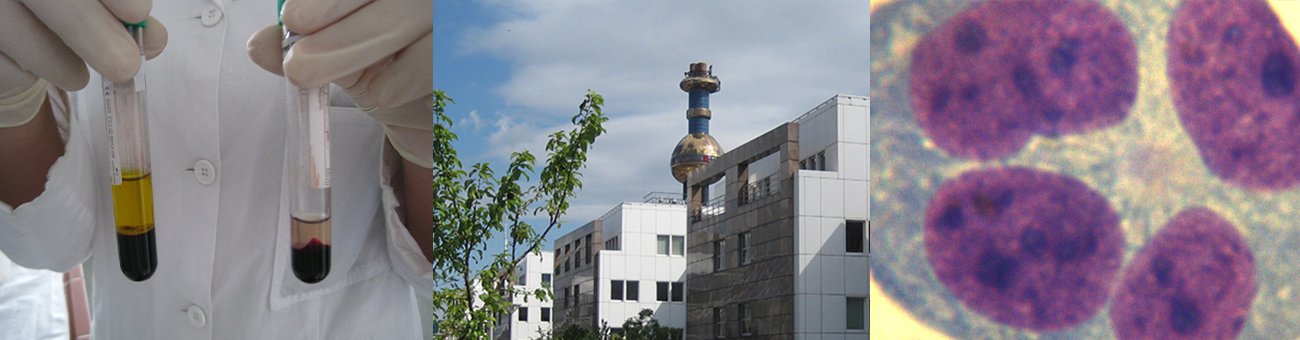
Karl-Heinz Wagner is Full Professor of Nutrition and Food Quality at the University of Vienna, Faculty of Life Sciences, Department of Nutritional Sciences. He directs an experimental research group investigating how lifestyle factors—diet, specific food components, phytochemicals, physical activity and bioactive non-food compounds—modulate oxidative stress and DNA stability in humans, with emphasis on aging and sarcopenia. He initiated the university-wide “Active Ageing” research platform and coordinates EU projects such as SHIFT2HEALTH. Education & Affiliations: University of Vienna, Faculty of Life Sciences, Department of Nutritional Sciences – Professor and Chair of Nutrition and Food Quality Principal investigator of the Emerging Field “Oxidative Stress and DNA Stability” Head of the “Active Ageing” research platform activeageing.univie.ac.at Research Focus: Prof. Wagner’s group applies state-of-the-art biochemical and molecular techniques to quantify antioxidant compounds, ROS-induced DNA and chromosomal damage, DNA repair capacity and transcriptional regulation of antioxidant defenses. Human intervention trials, cross-sectional cohorts and in-vitro models are used to examine: Impact of plant-based vs. animal-based diets on multimorbidity risk Nitrate-rich beetroot juice effects on microbiome, vascular function and oxidative stress Bilirubin biology and metabolic health in Gilbert’s syndrome High-protein nutrition and resistance training on DNA damage and muscle quality in older adults Microbiota-derived metabolites that enhance CD8 T-cell antitumor immunity after exercise Publication Trends 2023-2025: Recent output demonstrates a strategic shift toward multi-omics integration (metabolomics, lipidomics, proteomics) to dissect diet–microbiome–immune crosstalk and to identify predictive biomarkers of healthy ageing. Papers consistently appear in top-tier journals (Cell, Lancet Healthy Longev, Redox Biol, Mol Nutr Food Res) and embrace large multinational cohorts, randomized controlled trials and mechanistic animal/cellular work. Funding & Networks: Research is mainly funded by the Austrian Science Fund (FWF), National Bank, European Commission (Horizon 2020, Horizon Europe), EU Cross-Border Co-operation and the University of Vienna. A dense national and international partner network ensures continuous biomarker development and knowledge transfer. Student Training & Citizen Science: Prof. Wagner actively involves MSc/PhD students and post-docs in externally funded projects and advertises internships via ERASMUS+. Study participant recruitment portals for projects like SHIFT2HEALTH, NUTRIAGING and bilirubin clinical studies are maintained to engage the public and foster translational impact.
Dr. Erik Linstead is an Associate Professor and Senior Associate Dean at Chapman University, affiliated with the Fowler School of Engineering, School of Pharmacy, and George L. Argyros College of Business and Economics. His expertise spans Machine Learning, GPU Programming, Autism Spectrum Disorder, Assistive Technologies, Predictive Analytics, and Virtual Reality. Education: Bachelor of Science, Chapman University Master of Science, Stanford University Ph.D., University of California, Irvine Dr. Linstead's research integrates machine learning with diverse domains, including autism treatment, environmental monitoring, and software engineering. His recent publications focus on coral reef health, land surface temperature trends, and embedded machine learning systems. His scholarly work includes collaborations in remote sensing, medical informatics, and neurodiversity support. Articles highlight his interdisciplinary approach, applying AI to ecological challenges (e.g., Red Sea coral reefs, Nile Basin droughts) and human-centered technologies (e.g., VR therapy for autism, medication adherence analysis).
Dr Catherine Carr is a Senior Clinical Lecturer in Music Therapy at Queen Mary University of London, affiliated with the Centre for Psychiatry and Mental Health. She also serves as a Music Therapist at East London NHS Foundation Trust and teaches/supervises MA Music Therapy students at the Guildhall School of Music and Drama. Her roles include representing the British Association for Music Therapy on the Council for Allied Health Professions Research (CAHPR) and editorial board involvement with Music & Science . She co-founded the Alliance for Recovery Research in Music Therapy (ARRIMT) and the International Music Therapy Clinical Trials Network (IMTCT-Net). Dr Carr holds multiple NIHR awards, including a Clinical Doctoral Research Fellowship and NIHR Clinical Lectureship. Her research focuses on evaluating music therapy processes/outcomes, developing interventions for mental health populations, and improving patient engagement in clinical trials. She leads the multicenter ERA study (funded by NIHR HTA) and previously led the SYNCHRONY trial on group songwriting for chronic depression. Her clinical work involves music therapy for older adults with mental health needs, combined with staff psychological supervision. She completed advanced training in the Bonny Method of Guided Imagery and Music Imagery techniques. Dr Carr supervises PhD students exploring arts therapies and mental health interventions funded by Barts Charity. Key achievements include NIHR Clinical Trials Fellowship (2019) and developing shared therapeutic models across art/dance/music therapies. She actively contributes to policy development through her network affiliations and has published extensively on music therapy efficacy and methodology.
Dr. Jun Hu is an Associate Professor in Design Research on Social Computing at the Department of Industrial Design, Eindhoven University of Technology (TU/e). He serves as the Scientific Director for the Engineering Doctorate program in Designing Human-System Interaction and is the chair of the working group "Aesthetics and empowerment" of IFIP TC14. Additionally, he holds positions as a Distinguished Adjunct Professor at Jiangnan University and a Guest Professor at Zhejiang University. Dr. Hu earned his Ph.D. degree in Interaction Design and an Engineering Doctorate degree in User-system Interaction, both from TU/e. He also holds a B.Sc degree in Mathematics and an M.Eng degree in Computer Science. He is a System Analyst and a Senior Programmer with qualifications from the Ministry of Human Resources and Social Security, and the Ministry of Industry and Information Technology of China. His research focuses on the intersection of Human-Computer Interaction, Social Computing, and Design Research, with particular interests in data physicalization, empowering systems, and health informatics. Dr. Hu's work explores how technology can be designed to support human needs in social contexts, with applications in health, stress management, and physical activity motivation. His approach often combines aesthetic considerations with functional design to create systems that empower users. Analysis of Dr. Hu's recent publications reveals a strong focus on data physicalization, social aspects of personal informatics, and health applications of interactive systems. His work spans from theoretical frameworks for understanding user interaction with physicalized data to practical applications in stress management for children and motivation for physical activity. There's a clear trend toward integrating AI capabilities into human-centered design approaches while maintaining a focus on user empowerment. Senior Member of ACM Distinguished Adjunct Professor at Jiangnan University Guest Professor at Zhejiang University Editor-in-chief for EAI Endorsed Transactions on Pervasive Health and Technology Associate editor for Behaviour & Information Technology and Entertainment Computing Editor for the International Journal of Arts and Technology Dr. Hu has supervised numerous students through the Engineering Doctorate program and has been involved in various research grants, particularly in the areas of health technology and human-system interaction. He has served in leadership roles including head of the Designed Intelligence group at ID TU/e from 2015-2017 and currently chairs the working group "Aesthetics and empowerment" of IFIP TC14. He coordinates the TU/e DESIS Lab in the DESIS Network and serves on multiple editorial boards. Dr. Hu is actively involved with the Design Of Empowering Systems research group and the EAISI Health initiative at TU/e. His work often involves interdisciplinary collaboration across computer science, design, and healthcare domains, focusing on creating systems that empower users through thoughtful integration of technology into everyday contexts. He also serves as Chairman of the Foundation for Design Promotion in Europe and China and is a board member of the International Chinese Association of Computer Human Interaction (ICACHI).
Jeyeon Jo is an Assistant Professor in the Department of Textiles, Merchandising and Interiors at the University of Georgia's College of Family and Consumer Sciences. Her research focuses on wearable sensors, assistive technology, and ergonomic design, with an emphasis on sustainable materials and healthcare applications. She holds a Ph.D. in Human Centered Design from Cornell University (2023), an M.S. in Fashion Design (2017), and a B.S. in Clothing and Textiles (2014), both from Seoul National University. **Education:** Ph.D. Human Centered Design, Cornell University (2023) M.S. Fashion Design, Seoul National University (2017) B.S. Clothing and Textiles, Seoul National University (2014) **Research Interests:** Jeyeon develops wearable healthcare solutions using stretchable fiber optics and passive RFID, with a focus on optimizing user comfort and performance. Her work spans assistive technologies, firefighting gear ergonomics, and cross-cultural studies of clothing's sociocultural role. Recent projects include sustainable textile prototyping (LeatherBoard) and gait-monitoring systems (RFInsole). **Awards:** Human Service Studies Graduate Fellowship (Cornell, 2022) Best Brief at ISWC 2021 (2021) Roberta G. & John B. De Vries Graduate Award (Cornell, 2020) **Grants & Advising:** Currently no grants explicitly listed; actively advising students in wearable tech and textile engineering. Editorial roles include Fashion and Textiles (2024–present) and Korean Fashion & Textile Research Journal (2025–2026).
Stephanie Knollhoff serves as an Assistant Professor in the Department of Speech, Language and Hearing Sciences at the University of Missouri's College of Health Sciences, where she directs the Swallowing and Communication Physiology Exploration (SCoPE) Lab. She teaches graduate courses including Medical Speech-Language Pathology (SLHS 8350), Voice Science and Voice Disorders (SLHS 8225), and Dysphagia (SLHS 8230), while mentoring Honors College students in research. Her academic credentials include a PhD in Speech-Language Pathology from the University of Kansas, a Master of Arts in Speech-Language Pathology from the University of Kansas, and a Bachelor of Science in Communication Sciences and Disorders from Saint Louis University. Dr. Knollhoff's research centers on cancer-related swallowing and communication deficits, with emphasis on head and neck cancer rehabilitation, pediatric dysphagia, and neuroimaging of swallowing physiology using fNIRS. She actively works to improve clinical practice standards and expand access to dysphagia services through education initiatives for current and future professionals. Her work integrates physiological analysis with practical clinical applications to address rehabilitation challenges in oncology settings. Analysis of her 15 most recent publications (2013-2025) reveals a strong trajectory toward pediatric dysphagia education and caregiver experiences in cancer contexts, alongside innovative rehabilitation protocols for head and neck cancer patients. Recent work increasingly focuses on motor imagery therapy for dysphagia and cortical activation mapping during swallowing, while maintaining foundational research in alaryngeal communication and neurodegenerative disease impacts on speech. Dr. Knollhoff actively mentors undergraduate researchers like Rucha Kelkar, whose work examined cancer treatment effects on swallowing physiology. She collaborates on clinical projects improving swallowing rehabilitation participation during radiation therapy and develops protocols to enhance dysphagia service accessibility, particularly for underserved populations. She directs the SCoPE Lab, which investigates swallowing and communication physiology through advanced techniques including fNIRS imaging, articulation pressure measurement, and longitudinal tracking of speech motor changes in cancer and neurodegenerative conditions.