Mark W. Newman is an Associate Professor in the School of Information at the University of Michigan, with a joint appointment in the EECS Department. His research focuses on human-computer interaction, ubiquitous computing, and health informatics, emphasizing the design of technologies that integrate seamlessly into everyday life. He teaches courses on user experience research, programming, and application development, contributing to curriculum design efforts such as the User Experience Design track and programming curricula for undergraduate and graduate programs. His work spans smart home technologies, mobile health interventions, and collaborative health management systems. Notably, he collaborates across disciplines to address challenges in healthcare technology, including patient-generated data integration and sustainable energy solutions. Newman actively mentors students and leads design projects that prioritize user-centered approaches, such as the UX Research & Design Specialization on Coursera. His recent scholarship explores adaptive mHealth interventions, context-aware systems, and participatory design methods to enhance health equity.
Patrick C. Shih is an Associate Professor of Informatics at Indiana University Bloomington's Luddy School of Informatics, Computing, and Engineering, where he directs the Societal Computing Lab (SoCo Lab). He holds leadership roles as Director of Graduate Studies for Data Science and Co-Director of the Animal Informatics MS/PhD track. His affiliations include core faculty positions in Health Informatics and Animal-Computer Interaction programs. Education: Ph.D. in Information and Computer Science (UC Irvine), M.S. in Information Networking (Carnegie Mellon University), B.S. in Computer Science and Engineering (UCLA). Previously held research positions at Microsoft Research and IBM Research. Research Focus: Develops sociotechnical systems to support health/wellbeing in underserved populations, including older adults, autistic individuals, and communities affected by health disparities. Designs technologies for animal-assisted interventions, animal welfare enhancement, and empathy cultivation. Major projects include mobile health interventions for stress management, Alzheimer's disease tools for African American communities, and physical activity promotion for autistic adults. Publication Trends: Recent work (2023-2025) emphasizes AI-driven health tools for vulnerable groups, including generative AI for Alzheimer's education, mobile apps for chronic disease management, and culturally tailored interventions. Research spans HCI, health informatics, and community-based participatory design, with strong focus on real-world applicability and health equity. Awards & Honors: ACM Senior Member (2020) NSF CAREER Award (2022) Multiple Indiana University teaching/mentoring awards (2016-2019) Euroinvent Silver Medal Award Best Paper Awards at ACM CSCW, ISCRAM Grants & Projects: $3.7M NIH grant for studying environmental stressors and cognitive decline in older adults (2024) NSF-funded mobile stress measurement app for midlife adults (2023) Mobile 'just-in-time' stress intervention for breast cancer survivors (2022) Labs & Teams: Leads the Societal Computing Lab (SoCo Lab) focusing on community-centered technology design. Collaborates with healthcare institutions, zoos, and community organizations. Develops interdisciplinary research teams for projects in health informatics, animal-computer interaction, and crisis response technologies.
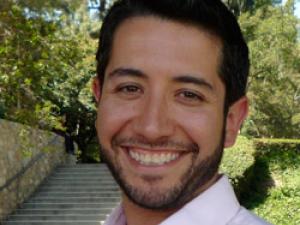
Dr. Adrian Aguilera is an Associate Professor at UC Berkeley's School of Social Welfare and a Professor at UCSF's Department of Psychiatry and Behavioral Sciences. He directs the Digital Health Equity and Access Lab (dHEAL) and previously led the Latinx Center of Excellence in Behavioral Health, focusing on technology-based interventions for marginalized populations. NIH-funded researcher in digital health equity Expert in machine learning applications for mental health Developed HealthySMS platform for text-based interventions Co-PI of DIAMANTE project for diabetes/depression Licensed clinical psychologist at San Francisco General Hospital Awarded NHLBI PRIDE fellowship and Robert Wood Johnson grant His research bridges digital health, implementation science, and health disparities through projects like MoodText and StayWell at Home. He combines user-centered design with AI to create culturally responsive interventions for Latinx communities, emphasizing accessibility and telehealth expansion during pandemic contexts. Scientific Contributions: Over 25 peer-reviewed publications Pioneered SMS-based CBT delivery Advocated for digital inclusion in mental healthcare Integrated machine learning into behavioral interventions Developed frameworks for health equity in mHealth Authored book chapters on culturally informed practices Current projects focus on adaptive learning algorithms for diabetes/depression comorbidity, stress reduction apps for people of color, and telehealth policy analysis. His work addresses socioeconomic barriers through automated systems while maintaining clinical rigor in public sector settings.
Hassan Ghasemzadeh is an Associate Professor and Program Director in the College of Health Solutions at Arizona State University (ASU), where he is also on the graduate faculty for biomedical informatics, computer science, computer engineering, and biomedical engineering. Prior to joining ASU, he served as an assistant/associate professor of computer science at Washington State University (2014-2021) and as a postdoctoral research manager at UCLA (2011-2013). Education: PostDoc, Computer Science, University of California Los Angeles PhD, Computer Engineering, University of Texas at Dallas MS, Computer Engineering, University of Tehran BS, Computer Engineering, Sharif University of Technology Dr. Ghasemzadeh's research focuses on digital health, machine learning, and algorithm design, with applications spanning wearable technologies, chronic disease management, and behavioral health. His work bridges computer science with healthcare, developing novel algorithms and systems that use wearable sensors to monitor and improve health outcomes. His research has particular emphasis on diabetes management, Parkinson's disease detection, and stress monitoring through advanced sensor analysis and machine learning techniques. His recent publications demonstrate a strong focus on leveraging large language models, counterfactual reasoning, and advanced deep learning techniques to address challenges in digital health. The research spans multiple domains including glucose prediction, Parkinson's disease assessment, cannabis use monitoring, and activity recognition, showing a consistent thread of applying cutting-edge AI to solve real-world health problems with wearable sensor data. Scientific Awards: 2025 Best Poster Award, ASU College of Health Solutions Faculty Research Day 2024 Research Award, ASU College of Health Solutions 2024 Best Poster Award, ASU College of Health Solutions Faculty Research Day 2018 Early Career Development Award, National Science Foundation (NSF CAREER) 2018 Early Career Award, WSU School of EECS Dr. Ghasemzadeh actively mentors numerous graduate students in the Embedded Machine Intelligence Lab (EMIL), with current PhD students including Eric Junyoung Kim, Ebrahim Farahmad, Saman Khamesian, Shovito Barua Soumma, Pegah Khorasani, and others. His research has been funded by prestigious organizations including the National Science Foundation, with projects often focusing on developing innovative wearable health monitoring systems that have led to commercial applications such as WANDA and Sense4Baby. Dr. Ghasemzadeh leads the Embedded Machine Intelligence Lab (EMIL), which focuses on developing machine learning algorithms for embedded and wearable systems. The lab creates solutions that address real-world health challenges through interdisciplinary research that combines computer science, electrical engineering, and clinical medicine. Current projects include glucose prediction systems, Parkinson's disease detection tools, and personalized hydration monitoring applications.
Ylenia Curzi is an Associate Professor at the Department of Economics 'Marco Biagi' at the University of Modena and Reggio Emilia. Her research and teaching focus on organizational studies, human resource management, performance systems, and the intersection of digitalization with inclusion dynamics. Current courses: Organization and Management of Human Resources , Performance, Digitalization and Inclusion , and Organizational Forms and Design for international management. Key research areas: Work ability, organizational inclusion, human-robot collaboration, and gender/age disparities in performance management. Her recent publications address: Workplace violence in healthcare settings Intersectional analysis of performance systems Organizational responses to pandemic pressures Technological impact on managerial control Scientific contributions include collaborations on: Green transition and labor quality Human-robot collaboration in Industry 5.0 Digital platforms and creative workers' voice
Christof Weinhardt is a Full Professor (W3) at the Karlsruhe Institute of Technology (KIT), where he leads research and teaching in the Institute of Information Economics and Marketing (IISM). He also serves as Director of the Department 'Information Process Engineering (IPE)' at the FZI Research Center for Information Technology and as Founder and Director of the Karlsruhe Service Research Institute (KSRI). His academic career spans over three decades, with significant contributions to information systems research at both national and international levels. Professor Weinhardt's research interests are broad and interdisciplinary, focusing on the engineering of online platforms and markets across various sectors including renewable energies, data marketplaces, and financial markets/FinTech. Recent work examines the influence of emotions on economic decision-making and societal phenomena such as polarization through hate speech, fake news, and social media algorithms. His approach integrates economic, technical, and social perspectives to address complex digitization challenges. The publication record shows a strong focus on energy markets, AI applications, disinformation detection, and digital democracy. Recent articles demonstrate increasing attention to societal impacts of technology, particularly how algorithms affect democratic processes and social cohesion. His work bridges theoretical foundations with practical applications across energy, finance, and social domains. Paul Julius Reuter Award (2000 and 2001) IBM Shared University Research (SUR) Grant (2002 and 2007) Best Teaching Award (2008) IBM Faculty Award (2008) Professor Weinhardt has supervised over 25 PhD students who have gone on to hold professorial positions at universities worldwide. His research has been supported by numerous grants including DFG Research Training Groups and IBM funding. He serves on multiple editorial boards and has held leadership positions in professional organizations including the German Informatics Society (GI). He leads the Karlsruhe Service Research Institute (KSRI) which focuses on interdisciplinary service research, and is involved with the FZI Research Center for Information Technology where his team works on information process engineering projects. His current research agenda emphasizes the societal implications of digital technologies, particularly how to design trustworthy platforms and mitigate negative social impacts of algorithmic systems.
Bhanu Teja Gullapalli is a Postdoctoral Fellow at Harvard University's John A. Paulson School of Engineering and Applied Sciences, collaborating with Susan Murphy. His research bridges wearable health sensing and machine learning to address substance use disorders through digital biomarkers. Education PhD in Data Science, University of California San Diego (2024) MS/PhD in Computer Science, University of Massachusetts Amherst (2017-2022) Bachelor's degree, Indian Institute of Technology Guwahati Gullapalli's work focuses on extracting clinically relevant insights from multimodal physiological data (e.g., heart rate variability, PPG signals) collected via wearables. He develops machine learning models to predict opioid/cocaine craving, euphoria, and administration moments, integrating pharmacokinetics and behavioral therapy principles. His research enables just-in-time adaptive interventions for addiction treatment, emphasizing real-world applicability in both clinical and naturalistic settings. His 7 publications (2019-2024) in venues like EMBC and npj Digital Medicine demonstrate consistent innovation in wearable-based addiction monitoring. Key trends include advancing temporal modeling for substance use prediction, leveraging earbud-based PPG for stress detection, and creating closed-loop systems that trigger mindfulness interventions during craving episodes. Scientific Recognition Future Leaders Summit, Michigan Institute for Data Science (2023) Innovation to Impact program, Yale University (2021) Gullapalli contributed to an NSF Smart and Connected Health grant ($1.1M) supporting wearable-based SUD research at UMass Amherst. He actively collaborates with medical researchers including Eric L. Garland (University of Utah) and industry partners at Optum AI Labs and Samsung Digital Health Lab to translate research into clinical tools. His work occurs within Susan Murphy's Harvard lab and cross-institutional teams focused on mobile health interventions, with ongoing projects developing earbud-based stress detection systems and pharmacokinetics-informed neural networks for opioid use prediction.
Dr. Weichao Chen serves as an Assistant Professor in the Department of Obstetrics and Gynecology at the Medical College of Wisconsin (MCW), concurrently holding the position of Assistant Director for Cancer Research Training and Education Coordination (CRTEC) within the MCW Cancer Center. With over two decades of specialized experience in educational technology and learning sciences, she leverages Artificial Intelligence and learning analytics to optimize medical education frameworks and assessment methodologies while championing faculty development initiatives across health professions. Her academic foundation includes: BS in Educational Technology and BA in English from Beijing Normal University Master of Education in Educational Technology from Peking University PhD in Information Science and Learning Technologies from the University of Missouri (2012) Dr. Chen's research integrates Design-Based Research principles with cutting-edge technologies to foster generative learning and professional fulfillment among medical educators. Her expertise spans qualitative, quantitative, and mixed-methods approaches, with particular emphasis on AI-driven educational tools, learning analytics, and faculty development strategies that transform traditional medical education paradigms through experiential and technology-enhanced learning models. Analysis of her 2022-2025 publications reveals dominant themes in medical education innovation, including technology-integrated clinical training (VoiceThread, concept maps), psychological support systems for medical students (impostor phenomenon), and faculty development frameworks rooted in experiential learning theory. Her work consistently employs systematic reviews and mixed-methods designs to evaluate educational interventions, demonstrating strong alignment between theoretical foundations and practical applications in health professions education.
Hans-Peter deRuiter serves as Professor and Director of the Taylor Nursing Institute for Family and Society at Minnesota State University, Mankato's School of Nursing since 2009, with concurrent affiliate appointments at the University of Minnesota Center for Bioethics (2015–present), University of Applied Sciences St Pölten, Austria (2018–present), and Halmstad University, Sweden (2017–present). His leadership spans nursing education, bioethics research, and global health initiatives through the Taylor Nursing Institute. His educational journey includes: Post-Doctoral Fellowship, University of Toronto (2012-2013) PhD in Nursing (Minor: Bioethics), University of Minnesota (2008) MS in Nursing, Winona State University (2004) BS in Nursing (Minor: Psychology), University of the State of New York (1996) Diploma in Mental Health Nursing, St Willibrordus Psychiatric Center, Netherlands (1989) Diploma in General Nursing, Free University School of Nursing, Amsterdam (1987) Dr. deRuiter's research examines ethical dimensions of health technology through institutional ethnography, focusing on electronic health records, patient safety systems, and global health citizenship. His work critically analyzes how digital tools reshape nursing practice, patient autonomy, and healthcare equity across US and European contexts. He investigates mental health service delivery through linguistic frameworks while addressing social determinants of health in international settings. Analysis of his 15 most recent publications reveals consistent focus on technology ethics (60%), patient safety systems (25%), and global health citizenship (15%). His work increasingly incorporates comparative policy analysis between US and European healthcare systems, with growing emphasis on future-oriented ethics frameworks for emerging health technologies since 2016. His scientific recognition includes: Minnesota Nurses Association Educator of the Year (2018) Minnesota Nurses Association Researcher of the Year (2012) Minnesota State University Global Citizen Award (2011) University of Minnesota Graduate Assistant of the Year (2006) University of the State of New York Silver Anniversary Alumnus Award (2001) As Director of the Taylor Nursing Institute, he mentors nursing students through global health programs while leading international collaborations with Swedish and Austrian institutions. His research receives support through university appointments and professional associations rather than external grants, focusing on practical ethics implementation within clinical settings. Current projects examine AI ethics in nursing through the Swedish welfare policy lens. He leads the Taylor Nursing Institute for Family and Society as an interdisciplinary hub connecting nursing practice with bioethics, social work, and public health. His international teams at Halmstad University investigate technology-mediated care delivery while Austrian collaborators develop educational frameworks for ethical technology adoption in healthcare systems.
Maria C. Swartz, PhD, MPH, RD, LD serves as Assistant Professor in the Department of Nutrition Sciences and Health Behavior at the University of Texas Medical Branch (UTMB) within the School of Health Professions. Her academic journey combines expertise in public health, behavioral sciences, and rehabilitation sciences, complemented by her professional credentials as a registered and licensed dietitian. Dr. Swartz's research program centers on improving quality of life for children, adolescents, and young adult (AYA) cancer patients and survivors through two primary focus areas: enhancing access to prehabilitation and rehabilitation services for cancer patients (particularly within the AYA population), and investigating the physical and cognitive benefits of physical activity interventions for pediatric and AYA cancer survivors. Her innovative approach utilizes telehealth tools and remote monitoring systems to develop scalable assessment methods that inform system-level interventions promoting health behaviors and preventing functional decline among at-risk individuals. Her methodological expertise spans ecological momentary assessment, eHealth interventions, and AI-supported Just-In-Time Adaptive Interventions that respond dynamically to patients' changing needs. Analysis of Dr. Swartz's publication record reveals a strong emphasis on cancer rehabilitation research, with particular attention to physical activity assessment and intervention development. Her work demonstrates increasing focus on digital health solutions, especially during and following the pandemic, with numerous publications on telehealth applications, virtual wellness programs, and gamified physical activity interventions for diverse cancer populations. Recent research increasingly integrates multi-omics approaches, examining connections between gut microbiome, physical activity, and cognitive outcomes among cancer survivors. Dr. Swartz's research methodology combines rigorous clinical trial design with pragmatic implementation approaches, ensuring her findings have direct applicability to real-world clinical settings. Her work bridges behavioral science, rehabilitation medicine, and oncology to develop practical interventions that address critical gaps in cancer survivorship care, particularly for vulnerable populations including children, adolescents, and young adults navigating the complex challenges of cancer treatment and recovery.
Viviana Betancur-Chicué serves as a part-time lecturer and pedagogical advisor in the E-learning Education Department at University of La Salle, Colombia. Her academic foundation includes a PhD in Knowledge Society Training from University of Salamanca (thesis defense scheduled for August 7, 2024), Master's in Education, and Bachelor's in Physical Education from Colombia's National Pedagogical University. Her research focuses on digital competence development through microlearning strategies, virtual course design, and multimedia learning theory application. Current investigations examine teacher training in digital skills, cognitive theory applications in educational technology, and Moodle LMS usability in hybrid learning environments. Her work demonstrates strong alignment with contemporary challenges in digital education transformation. Betancur-Chicué actively contributes to the Research Group on Digital Innovation and Education (eduDIG), with recent publications emphasizing microlearning effectiveness, teacher digital competency assessment frameworks, and post-pandemic educational technology adaptation. Her scholarly output spans systematic reviews, case studies, and practical implementation guides for educational institutions. As a pedagogical advisor, she designs online learning spaces and conducts professional development workshops including 'Transforming Education with Artificial Intelligence' (2023) and 'Digital Identity for Researchers' (2022). Her international collaborations include academic stays at Tecnológico de Monterrey's Institute for the Education of the Future (January 2023). PhD Candidate: University of Salamanca (Completion 2024) Master's & Bachelor's: National Pedagogical University, Colombia Research Group: eduDIG (Digital Innovation and Education) International Collaboration: Tecnológico de Monterrey, Mexico
Dr. Sam Liu is an Associate Professor at the School of Exercise Science, Physical and Health Education at the University of Victoria, Canada. As Lab Director of the Digital Health Lab (located in the McKinnon Building), he focuses on leveraging digital technologies like mobile apps, social media, and big data to enhance chronic disease prevention, physical activity promotion, and health surveillance. His work integrates behavioral science with cutting-edge digital tools to create personalized health interventions. His research spans two primary domains: (1) developing digital communication technologies for chronic disease prevention, and (2) utilizing big data to predict health behaviors and outcomes. Key projects include the Activerse app for physical activity, MoodMover for depression management, and PainCaRe for pediatric cancer pain support, all reflecting his commitment to user-centered design and real-world applicability. Keywords: Digital Health, mHealth, eHealth, Physical Activity, Chronic Disease Prevention, Big Data Analytics Subfields: Just-in-Time Adaptive Interventions, Wearable Technologies, Gamification for Health, Virtual Reality Cognitive Training, Postpartum Health Interventions, Adolescent Behavioral Analysis The Digital Health Lab actively recruits participants across diverse studies, including: Chatbots for diabetes management (exploring AI applications) Virtual reality cognitive training for older adults IBD-Move app for inflammatory bowel disease patients While Sam Liu has not received publicly listed scientific awards in this text, his lab has secured grants like the SSHRC Partnerships Engage Grant for team members, highlighting collaborative funding approaches. Current projects emphasize accessibility, with studies requiring Apple Watches, diabetes patients, and family-based interventions to improve health outcomes through technology.
Adam W. Hoover is a Professor and Associate Department Chair in the Department of Electrical and Computer Engineering at Clemson University's College of Engineering, Computing and Applied Sciences. With a Ph.D. in Computer Science and Engineering from the University of South Florida (1996), he has built a distinguished career bridging electrical engineering, computer vision, and health applications. His research focuses on novel artificial intelligence methodologies for next-generation wearable health devices, with particular emphasis on tracking systems for dietary monitoring. Dr. Hoover's work encompasses long-term human behavior pattern analysis, personalized AI for health prediction, and challenges in collecting reliably labeled data during daily activities. His technical background spans computer vision, embedded computing, bioinformatics, image and signal processing, and deep learning. Analysis of his recent publications reveals a strong trend toward increasingly sophisticated AI-driven approaches to eating behavior monitoring, with growing emphasis on personalized models, multimodal sensing, and real-world validation. His research has evolved from basic tracking systems to comprehensive health monitoring frameworks that integrate multiple data streams for more accurate dietary assessment. Dr. Hoover is a senior Member of the Institute for Electrical and Electronics Engineers (IEEE) and serves as an associate editor for the IEEE Journal of Biomedical and Health Informatics. His work has been supported by notable funding sources including NASA EPSCoR South Carolina Space Grant Consortium, the Office of Naval Research, and industry partners. He has advised an impressive 50 graduate students (11 Ph.D. and 39 M.S. graduates), with many going on to successful careers in academia and industry. His current lab focuses on AI in biomedical devices, bite counter technology, deep learning applications, smart dining tables, eating detection systems, and pedometer evaluation. Dr. Hoover has co-founded two startup companies based on his research innovations, demonstrating his commitment to translating academic work into practical health solutions.
Dr. Adela Timmons is an Assistant Professor at the University of Texas at Austin, affiliated with the College of Liberal Arts and the Department of Psychology. She directs the Technological Interventions for Ecological Systems (TIES) Lab, which focuses on integrating data science, technology development, and mental health research. Her work addresses disparities in mental healthcare by leveraging AI, pervasive computing, and mobile sensing to create equitable interventions for children, couples, and families. Dr. Timmons earned her Ph.D. in Psychology from the University of Southern California. Her research explores how stress, trauma, and adversity biologically impact interpersonal relationships, particularly through coregulation—shared physiological and emotional states between individuals. She develops just-in-time adaptive mobile health interventions using machine learning and wearable devices. Additionally, she co-founded Colliga, a digital mental health startup, and created the Colliga IO research app to engage diverse, under-resourced populations through a collaborative 'co-creation' model. Her interdisciplinary approach spans clinical psychology, quantitative methods, and engineering. The TIES Lab investigates AI bias in mental health applications and advocates for 'fair-aware' algorithms to protect marginalized groups. Courses taught include Childhood Trauma/Adversity and Applied Data Science, reflecting her dual focus on clinical and technical domains. Lab Affiliations: TIES Lab, Colliga Key Projects: Fair-aware AI models, mobile health interventions, physiological synchrony analysis Software Development: Colliga IO app, co-creation frameworks for mental health tech Dr. Timmons' work emphasizes leveraging technology to democratize mental healthcare access and improve outcomes while addressing systemic biases in AI-driven solutions.
Anind K. Dey is a Professor and Dean of the Information School at the University of Washington, with adjunct appointments in the Allen School of Computer Science & Engineering and Department of Human-Centered Design & Engineering. His research bridges human-computer interaction, machine learning, and ubiquitous computing, focusing on behavioral modeling through passive mobile sensing. Education: PhD, MS in Computer Science (Georgia Tech), MS in Aerospace Engineering, BASc in Computer Engineering Research Interests: Context-aware computing, health behavior modeling, fairness in AI, digital interventions for substance abuse and mental health His 2023-2022 publications address fairness in ubiquitous systems, biobehavioral rhythms, workplace sensing, and health interventions for college students and substance use. Scientific awards include ACM Fellow (2021), CHI Academy (2015), and multiple best paper recognitions across UbiComp, CHI, and MobileHCI conferences. Currently recruiting students for Autumn 2025, Dey collaborates with experts in mental health, sustainability, and medical research. No specific lab/team information is mentioned in available texts.