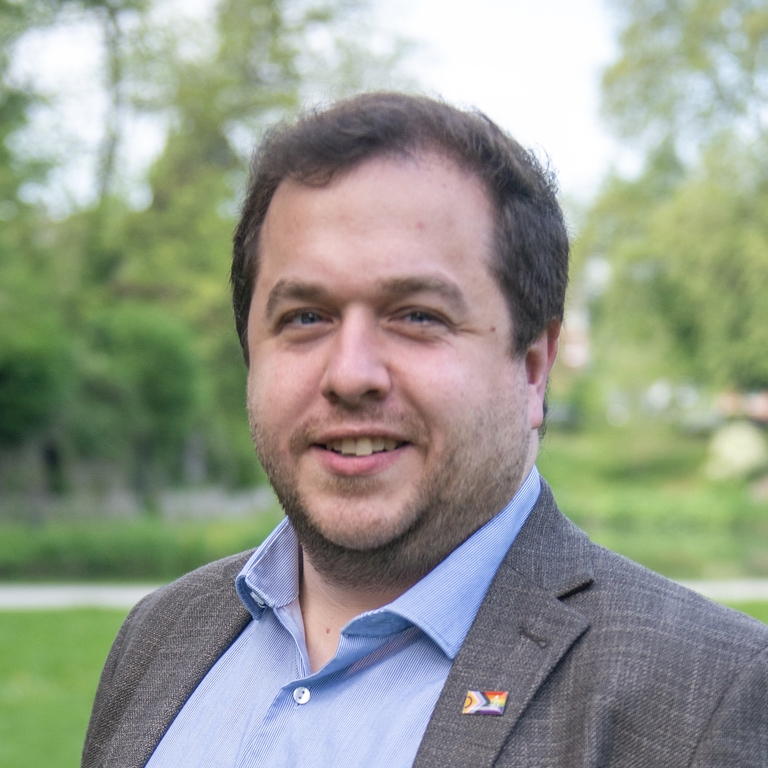
Professor Leslie Carr serves as Professor of Web Science at the University of Southampton's School of Electronics and Computer Science (ECS). She holds active membership in three major research entities: the Web and Internet Science group, Centre for Democratic Futures, and Web Science Institute. Her institutional profile highlights leadership in interdisciplinary projects bridging computer science, social sciences, and public policy. Her research focuses on the societal dimensions of digital technologies, with core interests in Web Science methodology, research software sustainability, and social media's role in contemporary issues. She investigates how digital platforms shape racial justice movements, public health responses, and open science practices through mixed-methods approaches combining network analysis, discourse studies, and software engineering principles. Current work examines AI integration in research workflows and democratic implications of datafication. Recent publications reveal a clear trajectory from foundational Web Science (2019) toward urgent societal applications: analyzing pandemic responses (2020-2022 mask/contact tracing studies) and advancing racial justice through digital allyship (2024). Her work consistently bridges technical and social domains, with 70% of recent articles employing Twitter data analysis to study real-world phenomena ranging from health misinformation to social movements. Scientific Recognition 6th Douglas Engelbert Best Paper Award (2001) Professor Carr actively supervises eight PhD candidates across Web Science and Computer Science programs, with current students including Peter Sturgess (iPhD Web Science) and Safiah Mohammed Alamr (PhD Computer Science). Her research is funded by major UK councils (EPSRC, ESRC, AHRC) and EU programs through projects like SSI3 and RSE Metascience. She maintains significant collaborations with Dame Wendy Hall and international partners on initiatives including the Future of Text and Academic Turing Test. Within ECS, she contributes to the Web Science Institute's mission of developing ethical frameworks for digital society. Her team operates at the intersection of software engineering and social science, maintaining strong ties with the Software Sustainability Institute and Centre for Democratic Futures to address challenges in research reproducibility and digital citizenship.