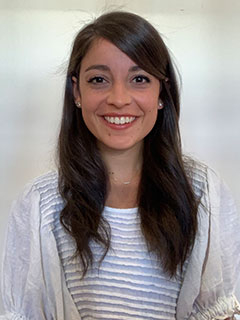
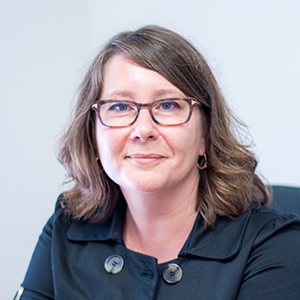
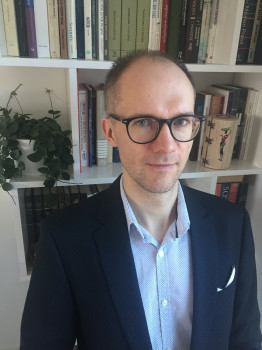
Dr. Melanie Franklin is a pediatric psychologist at Children's Hospital of Philadelphia with expertise in sleep disorders, treatment adherence, and pediatric psychology. She operates within the Department of Child and Adolescent Psychiatry and Behavioral Sciences and collaborates across multiple teams. BA in Psychology – Muhlenberg College PhD in School Psychology – Lehigh University Residency and Fellowship in Pediatric Psychology – Nemours/A.I. DuPont Children’s Hospital Her research focuses on: Sleep behavior in chronic illness populations Mental health communication barriers ADHD functional outcomes Treatment adherence strategies Recent publications demonstrate expertise in ADHD comorbidities , Cystic Fibrosis sleep interventions , and academic functioning analysis . Key collaborations include: Psychiatry and Behavioral Sciences Sleep Center Pulmonary and Sleep Medicine Division
Sam Yam is a Professor and Head of the Management & Organisation Department at the National University of Singapore's (NUS) Business School. He holds the Jardine Cycle & Carriage Professorship and serves as Associate Dean. His research spans strategy, organisational behaviour, applied psychology, ethics, and human-technology interaction. Yam has contributed to over 125 publications, focusing on AI ethics, workplace dynamics, and cross-cultural management. He explores topics like robot replacement effects, abusive supervision, and financial anxiety's intergenerational impacts. His work bridges psychology, ethics, and organisational theory, addressing contemporary challenges in automation, leadership, and human-AI collaboration. Appointments: Head of Management & Organisation (2022–present), Joint Appointment in Arts & Social Sciences (2023–present). Key Research Themes: Future of work, human-technology interaction, ethical leadership, and Machiavellian dynamics. Notable Contributions: Multimodal ADHD diagnostics, leader biases toward robot-using employees, and cultural impacts on team performance. Yam’s interdisciplinary approach integrates psychology, technology, and management, addressing societal issues like AI ethics and workplace automation. His research frequently appears in top journals like the Journal of Management and Annual Review of Organizational Psychology .
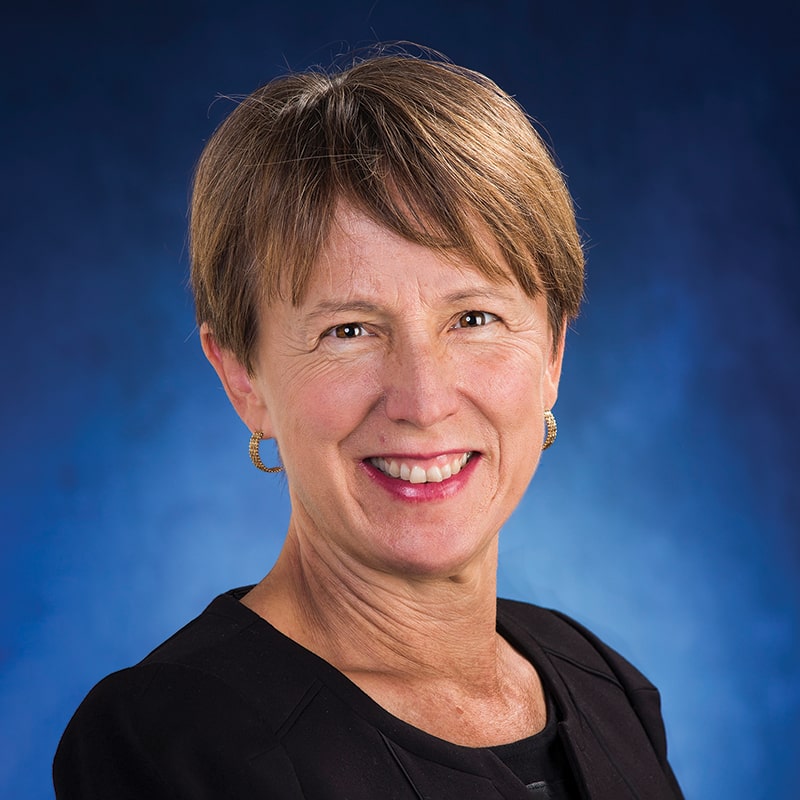
Kathryn Roeder is the UPMC University Professor of Statistics and Life Sciences at Carnegie Mellon University (CMU), affiliated with the Dietrich College of Humanities and Social Sciences and the Departments of Statistics & Data Science and Computational Biology. Her research focuses on developing statistical methods for genetic and genomic data, particularly in identifying autism risk genes and analyzing single-cell multi-omic data. She earned her Ph.D. in Statistics from Penn State University and has been at CMU since 1994, previously serving as Vice Provost for Faculty (2015–2019). Education: Ph.D. in Statistics, Penn State University (1988) B.S. in Wildlife Resources, University of Idaho (1982) Research Interests: Her work integrates modern statistical techniques (high-dimensional statistics, machine learning, networks) to study complex diseases like autism and schizophrenia. Recent efforts include tools for analyzing single-cell RNA-seq and proteomic data, such as UNICORN, DAWN, and SCEPTRE. Key Awards: COPSS Distinguished Achievement Award (2020) National Academy of Sciences Member (2019) COPSS Presidents’ Award (1997) AAAS Fellow (2020) Advising & Grants: She has advised over 20 Ph.D. students, many contributing to landmark studies in autism genetics. Her grants include NIH funding for projects like the Autism Sequencing Consortium. Current research teams focus on computational biology and statistical genetics. Labs & Collaborations: Her lab develops software tools (e.g., TADA, MIND) and collaborates with the Autism Sequencing Consortium and iPSYCH-BROAD Consortium on large-scale genomic studies.
Virginia Polytechnic Institute and State UniversityUnited States
Martha Ann Bell is a University Distinguished Professor of Psychology and College of Science Faculty Fellow at Virginia Tech. She leads the Cognition, Affect, and Psychophysiology (CAP) Lab, focusing on developmental cognitive neuroscience and the integration of emotion and cognition in early development. Her work examines EEG/ECG biomarkers, executive function, temperament, and maternal-child interactions. Dr. Bell holds a PhD in Human Development from the University of Maryland (1992), an MS in Child and Family Studies from the University of Tennessee (1983), and a BS in Home Economics from Carson-Newman College (1978). She has held progressive roles from Assistant Professor (1996) to her current distinguished title. Her research interests include developmental changes in brain-behavior relations, neurophysiological correlates of emotion regulation, and longitudinal predictors of child development. Recent work explores maternal emotion coaching, EEG neuromarkers of ADHD, and the neurodevelopmental impacts of nutrition. Key awards include the Virginia Tech University Distinguished Professorship (2021) and College of Science Faculty Fellowship (2019–2025). Her publications span developmental psychobiology, neuroimaging methods, and temperament-behavior links. Dr. Bell’s advising and grants focus on interdisciplinary developmental science. The CAP Lab collaborates on projects involving infant neuroimaging, maternal-child physiology, and early childhood interventions.
Erik Willcutt is a Professor in the Department of Psychology and Neuroscience at the University of Colorado Boulder. His research focuses on the genetic and neurobehavioral underpinnings of ADHD, learning disabilities, and developmental psychopathologies. He holds positions at the Institute for Behavioral Genetics and the Center for Neuroscience. Education: PhD in Psychology from the University of Denver (1998). Research Interests: Etiology and assessment of ADHD, reading disabilities, and developmental psychopathologies. His work integrates behavioral genetics, neuroimaging, and longitudinal twin studies to understand cognitive and psychiatric disorders. Key topics include neuroanatomical correlates of ADHD, genetic influences on dyslexia, and comorbidity between learning disabilities and psychiatric conditions. Publications highlight advanced methods like genome-wide association studies (GWAS) and phenotype harmonization (e.g., Rosetta method). His work bridges molecular genetics with clinical psychology, emphasizing translational research. Lab/Affiliations: Active in the Institute for Behavioral Genetics and collaborates with interdisciplinary teams studying neurodevelopmental disorders. Office located at Muenzinger D451B.
Evelyn Lake is an Associate Professor in the Department of Radiology and Biomedical Imaging at Yale University, with affiliations to the Wu Tsai Institute and Yale Biomedical Imaging Institute. Her research focuses on functional neuroimaging, particularly using rodent models to study brain connectivity, neurovascular coupling, and disorders like Alzheimer’s disease and autism spectrum disorder. PhD in Medical Biophysics, University of Toronto (2016) Postdoctoral Associate, Yale University (2019) BSc (Honors) in Biophysics, University of Guelph (2010) Her work spans multimodal imaging techniques (e.g., simultaneous Ca2+ and fMRI), examining how genetic mutations (e.g., PTEN, KATNAL2) affect cerebrospinal fluid dynamics and neuronal connectivity. She investigates longitudinal changes in Alzheimer’s models and methodological aspects of animal neuroimaging, such as sample size optimization and awake imaging protocols. Recent publications highlight her contributions to understanding autism-related white matter abnormalities, transdiagnostic connectome predictive modeling, and the impact of neurovascular uncoupling in awake mice. Collaborations include Todd Constable, Francesca Mandino, Xilin Shen, and Xenophon Papademetris.
University of Texas Southwestern Medical CenterUnited States
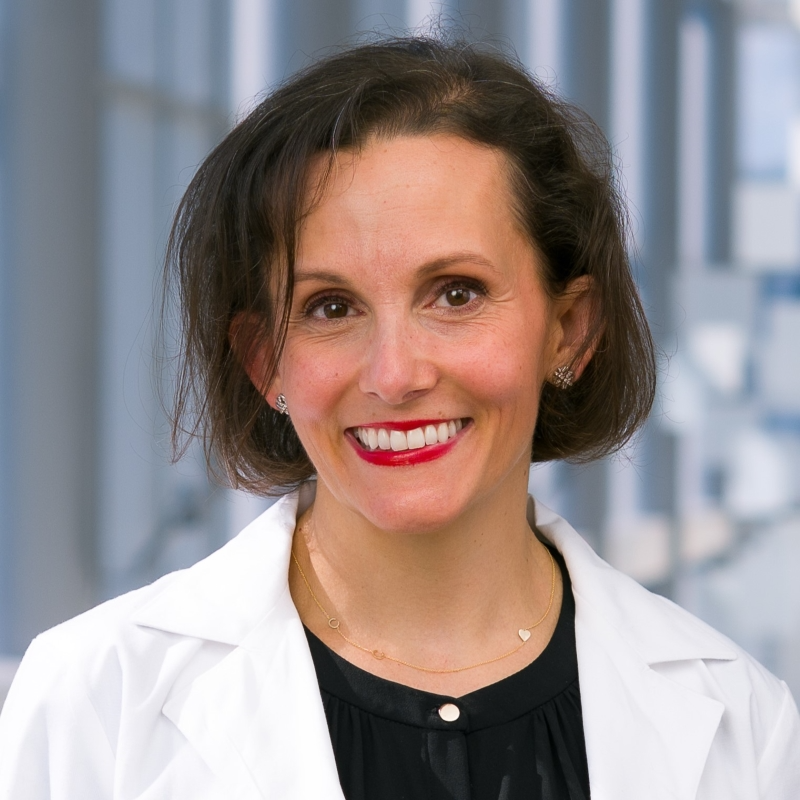
Veronica Bordes Edgar is a Professor in Psychiatry and Pediatrics at UT Southwestern Medical Center. She holds dual roles as co-Director of the Division of Developmental-Behavioral Pediatrics and Director of Clinical Training for the Doctoral Program in Clinical Neuropsychology. Her academic journey includes a PhD in counseling psychology from Arizona State University, clinical training at Harvard Medical School, and a postdoctoral fellowship in neuropsychology at the University of Minnesota. Dr. Edgar specializes in pediatric neuropsychology, focusing on neurodevelopmental disorders (both acquired and genetic) and cultural/bilingual neuropsychological assessment. She is board certified in Clinical Neuropsychology and Pediatric Neuropsychology, and currently serves as President of the American Board of Clinical Neuropsychology. Her research emphasizes culturally competent assessment practices, neurodevelopmental disorder interventions, and the application of teleneuropsychology. Notable contributions include studies on autism spectrum disorder, ADHD caregiver burden, and genetic syndromes like CLN7 and aspartylglucosaminuria.
Dr. Sharon K. Sagiv is an Adjunct Assistant Professor of Epidemiology at UC Berkeley's School of Public Health and an investigator at the Center for Environmental Research and Children’s Health. Her research focuses on prenatal and early-life environmental toxin exposures, particularly persistent organic pollutants, heavy metals, pesticides, and consumer chemicals, and their impacts on child neurodevelopment. She has extensively studied associations between environmental toxicants and neurodevelopmental disorders like ADHD and autism, alongside innovative work using functional neuroimaging to assess neural activity in exposed populations. Dr. Sagiv holds a PhD in Epidemiology from UNC Chapel Hill (2004), an MPH from Boston University (1998), and a BA in Biology from Franklin and Marshall College (1993). She has contributed to major cohorts such as CHAMACOS and Project Viva, examining long-term effects of pollutants like PFAS, organophosphates, and PBDEs. Her work bridges epidemiology, toxicology, and neuroimaging to advance understanding of environmental health risks. Research interests emphasize translational environmental health science, with a focus on pesticide mixtures, air pollution, and endocrine disruptors. Key themes include exposure assessment frameworks, functional neuroimaging outcomes, and developmental origins of health disparities. She teaches grant-writing seminars and collaborates globally on pesticide neurotoxicity studies in farmworker populations. Recent publications highlight links between prenatal PFAS exposure and metabolic outcomes, pesticide exposure and brain connectivity, and traffic pollution’s role in neurocognitive decline. Her research portfolio includes systematic reviews on air pollution health impacts and methodological innovations for assessing chemical mixtures in pregnancy. Dr. Sagiv’s work has policy implications for environmental regulations and public health interventions targeting vulnerable populations.
Chandan J Vaidya is a Professor in the Department of Psychology at Georgetown University, directing the Developmental Cognitive Neuroscience Laboratory (DCNL). His research focuses on cognitive neuroscience mechanisms underlying adaptive behaviors, particularly implicit learning, executive control, and their dysfunction in ADHD, ASD, and other developmental disorders. Using multidisciplinary methods including fMRI, behavioral testing, and genetic analysis, he investigates how dopamine systems, brain connectivity, and environmental factors influence cognitive processes. Primary appointment: Professor, College of Arts and Sciences - Department of Psychology Education: Ph.D. from Syracuse University Research interests include neurodevelopmental disorders, neuroimaging of cognitive control, and translational neuroscience. Recent work examines striatal connectivity changes in ADHD due to stimulant use, executive dysfunction subtypes in autism, and brain correlates of reward processing in obesity. Key findings highlight hyperconnectivity in ASD, dopamine genotype influences on executive function, and age-related changes in default mode networks. Ongoing studies explore transdiagnostic models of psychopathology and precision medicine approaches in neurodevelopmental disorders. Lab activities focus on translational research bridging basic neuroscience with clinical applications. Collaborations involve pediatric neurology, psychiatry, and computational modeling.
Lindsey Kent is a Professor at the University of St Andrews' School of Medicine, where she serves as Deputy Head and Director of Admissions. Her research focuses on the biological foundations of psychiatric disorders, particularly ADHD and developmental language disorders. Education: Medicine (Aberdeen University, 1989), PhD (University of Birmingham, 1998) Academic Appointments: Wellcome Trust Fellow (1999), University Lecturer (University of Cambridge, 2003), Reader (University of St Andrews, 2007) Research Trends: Dr. Kent's work explores psychiatric genetics, neurodevelopmental disorders, and molecular mechanisms through genome-wide association studies, exome sequencing, and genetic epidemiology. Key Collaborations: Psychiatric Genomics Consortium, EAGLE Consortium, 23andMe Technical Focus: ATP2C2 gene variants, TNR gene associations, polygenic risk architectures Awards: Fellow of the Higher Education Academy (2000) Academic Contributions: She has directed two Wellcome Trust-funded projects on ADHD genetics and co-authored over 91 peer-reviewed publications, including significant studies in Nature Communications and Human Molecular Genetics . Her editorial roles include serving on the American Journal of Medical Genetics board (2007–2014).
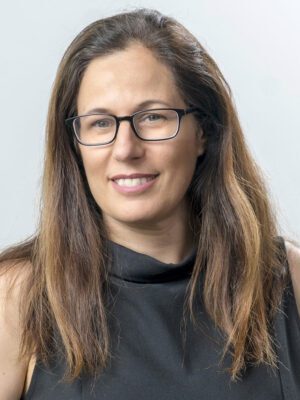
Julie Beth Schweitzer is a Professor in the Department of Psychiatry and Behavioral Sciences at UC Davis Health School of Medicine and a key figure at the MIND Institute. She serves as Director of the CTSC Mentoring Academy for Research Excellence (MARE), Director of the Mentored Clinical Research Training Program (MCRTP), and Co-Director of the CTSC TL1 Program. Her work bridges cognitive neuroscience and clinical psychology, focusing on ADHD across the lifespan and its comorbidities. Education: A.B. from University of Southern California (1982), M.S. (1987) and Ph.D. (1990) in Clinical Psychology from University of Massachusetts Amherst, with internship at University of Minnesota and fellowship at Emory University. Dr. Schweitzer's research explores brain-behavior-environmental relationships in ADHD, utilizing neuroimaging to study self-control development and designing tech-based interventions like virtual reality and computerized games to enhance attention and academic outcomes in ADHD and autism. Her work spans developmental psychology, translational neuroscience, and mental health technology. Recent publications highlight her focus on predicting ADHD symptom trajectories, environmental influences (e.g., phthalate exposure, neighborhood conditions), and behavioral interventions (e.g., fidget devices). Studies also address cognitive functioning in autism-ADHD comorbidity and irritability as a predictive factor. Scientific Awards & Honors Dean's Award for Excellence in Mentoring, UC Davis Health (2024) President Elect, International Society for Child and Adolescent Psychopathology (2027-2029) Selected Fellow, Association for Psychological Science (2018) Sigma Xi Grant in Aid of Research (1989) Predoctoral Traineeship, U.S. Department of Education (1984-1987) Dr. Schweitzer actively trains translational scientists through the UC Davis Clinical and Translational Science Center, emphasizing mentoring excellence. Her leadership roles and research programs underscore her commitment to advancing ADHD and developmental disorder studies, integrating clinical practice, neuroscience, and environmental health.
Fred R. Volkmar, M.D., is the Irving B. Harris Professor of Child Psychiatry, Pediatrics, and Psychology at Yale University, and Director of the Yale Child Study Center. He also serves as Chief of Child Psychiatry at Yale-New Haven Hospital. His academic affiliations include the Yale School of Medicine and leadership roles in multiple clinical and research programs. Dr. Volkmar holds an M.D. from Stanford University (1976) and a psychology master’s degree from the same institution, alongside an undergraduate psychology degree from the University of Illinois (1972). He is renowned for authoring the DSM-IV autism and pervasive developmental disorders section and has authored hundreds of publications and several influential books, including Asperger’s Syndrome and Handbook of Autism . His research focuses on autism spectrum disorders (ASD), including diagnosis, treatment, comorbidities, and transition to adulthood. His publications emphasize evidence-based practices, neurodevelopmental mechanisms, and clinical guidelines. He leads initiatives in medical care for ASD populations and advocates for improved community support systems. Notable contributions include co-developing the M-CHAT screening tool and advancing interdisciplinary approaches to ASD management. His work intersects clinical practice, policy, and education, prioritizing patient-centered care and reducing stigma.
Inna Fishman, Ph.D., is a Research Associate Professor at San Diego State University's Department of Psychology within the College of Sciences. Her research investigates brain network organization in autism spectrum disorder (ASD) using multimodal MRI techniques, focusing on developmental trajectories from toddlerhood to adulthood. She directs studies on sensory processing, socioeconomic influences, and neural connectivity patterns in ASD. Research Focus: Dr. Fishman's work bridges social neuroscience and clinical neuropsychology, examining: Early biomarkers of ASD via functional/diffusion MRI Impact of bilingualism and socioeconomic factors on neurodevelopment Sleep disorders and sensory sensitivities in autistic children Aging-related neural changes in adults with ASD Publication Trends: Her recent articles (2021-2025) emphasize: 1) Advanced neuroimaging of ASD across lifespan stages, 2) Machine learning applications for diagnostics, 3) Socioeconomic and environmental modulators of brain development, and 4) Sleep/auditory processing comorbidities. Student Advising & Grants: She mentors doctoral candidates (Lindsay Olson, Jiwandeep Kohli, Bosi Chen) and leads NIH-funded projects including a clinical psychology fellowship for autism evaluation across ages. Laboratory Affiliation: Dr. Fishman co-directs the Brain Development Imaging Laboratories (BDIL), which investigates ASD manifestations through behavioral and neuroimaging approaches.
Dr Valdas Noreika is a Senior Lecturer in Psychology at the School of Biological and Behavioural Sciences, Queen Mary University of London. He serves as Head of The Centre for Brain and Behaviour and leads the Sleep and Cognition Lab. His work bridges cognitive neuroscience, psychology, and clinical applications, with a focus on understanding consciousness and its disorders. Dr Noreika's educational background includes: BA in Philosophy from Vilnius University, Lithuania MSc in Neurobiology from Vilnius University, Lithuania PhD in Psychology from the University of Turku, Finland, focusing on altered states of consciousness and temporal distortions Dr Noreika's research explores the cognitive and neural mechanisms underlying sleep, dreaming, and consciousness. Using techniques including electroencephalography (EEG), transcranial magnetic stimulation (TMS), and psychophysics, his work investigates both basic mechanisms of consciousness and their applications to neurodevelopmental and mental health conditions. His research spans multiple domains including time processing, inter-brain synchronization across species, and environmental decision-making. A key aspect of his work involves translational research focusing on sleep, subjective experiences, and well-being in conditions such as learning disabilities, ADHD, autism, and depression. Analysis of Dr Noreika's recent publications reveals a strong focus on consciousness studies, neural mechanisms of sleep and dreaming, and applications to neurodevelopmental conditions. His work frequently employs EEG and other neuroimaging techniques to study brain activity during various states of consciousness. Recent trends show increasing emphasis on inter-brain synchronization, particularly in infant-parent interactions and cross-species communication, as well as growing interest in environmental psychology and climate change-related decision making. Dr Noreika has secured significant research funding including: The neural basis of inter-species communication - £155,098 from the Biotechnology and Biological Sciences Research Council (2024-2026) Sleep and circadian interactions with sensory sensitivity in adults with intellectual disabilities - £103,229 from the Baily Thomas Charitable Fund (2023-2025) As a supervisor, Dr Noreika advises multiple PhD students working on diverse topics including Alzheimer's disease diagnosis using information theory, emotion recognition, thermal sensation in Parkinson's disease, cultural differences in cognitive processes, and time processing. His Sleep and Cognition Lab serves as a hub for interdisciplinary research bridging neuroscience, psychology, and clinical applications. Dr Noreika leads the Sleep and Cognition Lab at Queen Mary University of London, which focuses on investigating the neural mechanisms of sleep, dreaming, and consciousness. The lab brings together researchers from diverse backgrounds to study both fundamental aspects of consciousness and their applications to clinical populations. Current projects include investigations of sleep and sensory sensitivity in adults with learning disabilities and human-dog interaction studies.
Dennis Nestvogel is a Research Group Leader at the Max Planck Institute of Psychiatry in Munich, Germany, where he leads research in the department of Neural Dynamics and Behavior. His work focuses on understanding how behavioral states such as arousal, attention, and stress modulate sensory processing and decision-making in the brain. Research Interests: Dr. Nestvogel's research centers on thalamocortical network dynamics, brain oscillations, and state-dependent neural activity. He investigates how these processes influence sensory-guided behavior and how their disruption contributes to psychiatric disorders including schizophrenia, ADHD, and PTSD. His approach integrates in vivo intracellular recordings, high-density neural recordings, optogenetics, and mouse behavioral paradigms. Publication Trends: His recent publications reveal a strong focus on the neural mechanisms underlying waking states, sensory processing, and cortical dynamics. Themes include alpha oscillations, synaptic regulation, neuromodulation, and the impact of genetic mutations on stress sensitivity in psychiatric conditions. His work bridges molecular, systems, and cognitive neuroscience. Scientific Contributions: Investigating how behavioral states gate sensory input in the cortex Elucidating the role of thalamocortical circuits in arousal and attention Linking synaptic proteins like CAPS-1 to sensory adaptation Exploring genetic underpinnings of stress sensitivity in bipolar disorder Advising and Grants: While no students are listed, Dr. Nestvogel leads an independent research group, indicating leadership in mentoring junior scientists and managing research projects. His affiliation with the Max Planck Institute suggests access to substantial institutional funding and collaborative resources. Labs and Teams: He heads the research group within the Neural Dynamics and Behavior unit at the Max Planck Institute of Psychiatry, collaborating closely with leading neuroscientists such as David A. McCormick. His lab utilizes cutting-edge techniques to probe brain function in awake, behaving animals.