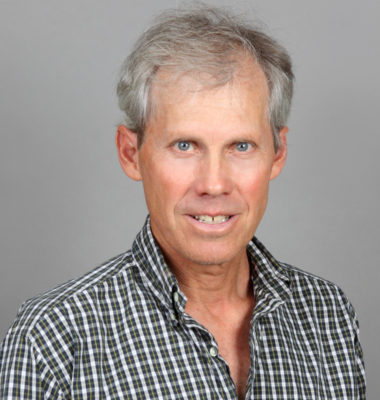
Tim Murphy is a Professor in the Department of Psychiatry at the University of British Columbia's Faculty of Medicine. He holds a B.Sc. from Saint Mary's College (1984), Ph.D. from Johns Hopkins University (1989), and completed postdoctoral training at Johns Hopkins (1994). He is a Full Member of the Djavad Mowafaghian Centre for Brain Health and leads UBC's Dynamic Brain Circuits in Health and Disease research cluster. His research focuses on understanding brain circuit reorganization after stroke using advanced neuroimaging techniques. Key areas include: In vivo imaging of synaptic interactions and sensorimotor processing Optogenetic brain mapping and neuroplasticity mechanisms Development of automated imaging/stimulation tools for neurological disorders Mouse models of stroke, depression, and autism Synthetic data approaches for behavioral analysis Dr. Murphy's recent publications demonstrate strong focus on developing novel neurotechnologies, including mesoscale imaging systems, 3D calibration tools, and synthetic biomarkers. His work integrates neuroscience with biomedical engineering and computational approaches. He leads an active laboratory developing open-source neuroscience hardware and software. The lab participates in the Canadian Neurophotonics Platform and has created innovative tools like the Diesel2P mesoscope and automated home-cage imaging systems.
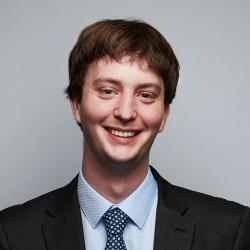
Samuel McDermott is an Associate Teaching Professor at the Department of Chemical Engineering and Biotechnology , University of Cambridge. He serves as the Sensor CDT Programme Manager , focusing on interdisciplinary research in healthcare, biotechnology, and open-source hardware. His research spans machine learning applications in medical imaging , laboratory automation , and web-of-things (WoT) integration for scientific equipment. Recent work emphasizes federated learning in healthcare, blood cell morphology classification, and low-cost diagnostic tools. Key article trends include: deep diffusion models for malaria detection , open-source microscopy platforms like OpenFlexure, and AI-driven clinical data generalization . His projects often combine 3D-printed hardware and IoT-enabled laboratory systems .
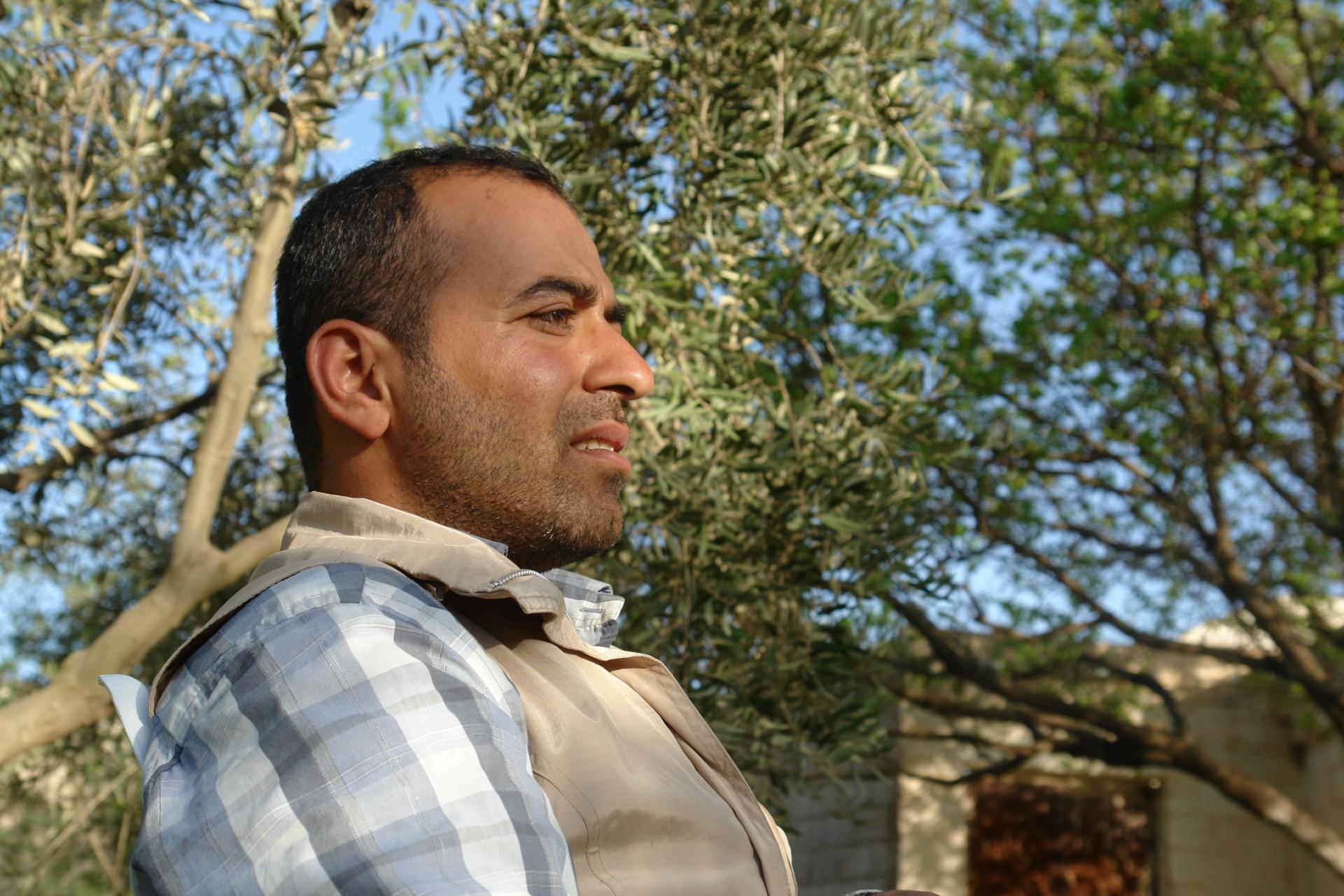
Houmam Saad is a Syrian archaeologist and researcher affiliated with the École Pratique des Hautes Études - PSL , where he is supported by the PAUSE program. He previously led archaeological efforts in Syria as head of the Excavations and Archaeological Studies Department at the General Directorate of Antiquities and Museums since 2019. His work focuses on Syrian cultural heritage, particularly in Damascus and Palmyra. Education: Master’s in Islamology from EPHE-PSL (2016), International Diploma in Heritage Studies (INP-Paris, 2012), PhD in Archaeology (Damascus, 2013). Dr. Saad’s research spans archaeology , cultural heritage preservation , and Digital Humanities , including 3D digitization and satellite-based damage monitoring. His current projects involve publishing 20 years of Damascus excavations, documenting conflict-related heritage loss, and teaching at the Master’s program in "History of Art and Archaeology." He has contributed to high-profile initiatives like the 3D digitization of Palmyra and the Krak des Chevaliers with ICONEM, showcased in exhibitions at the Grand Palais and Cité de l'Architecture. His scientific work emphasizes the universal value of cultural heritage amid war, regime changes, and looting. Scientific Awards: PAUSE fellowship (2025). Dr. Saad is actively involved in heritage safeguarding, leading the PROCLAC unit, and preparing publications on Byzantine mosaics and Crusades-era artifacts. He also trains students on conflict-induced challenges in archaeology.
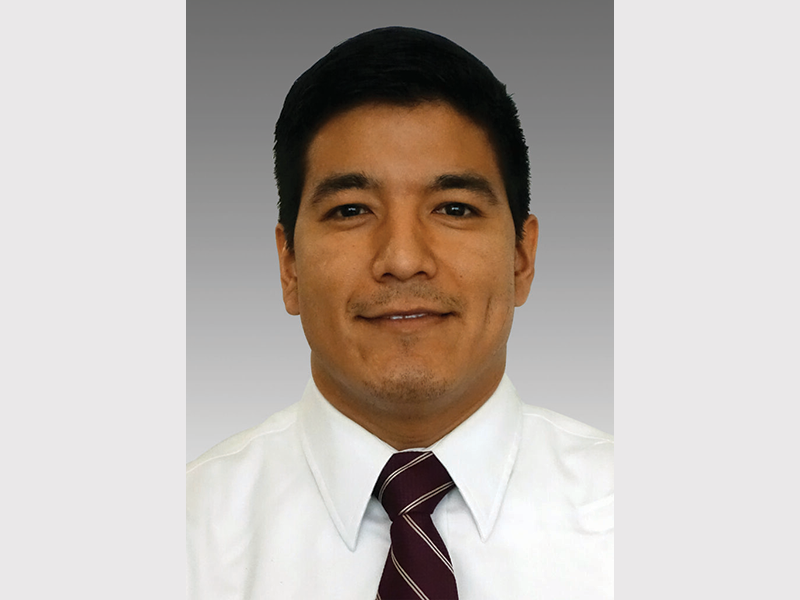
Michael Wessely is a Tenure Track Assistant Professor at the Department of Computer Science, Aarhus University (AU), Denmark. His research focuses on innovative human-computer interaction technologies, particularly in oral user interfaces and multi-material fabrication. Research Highlights: Development of intraoral pH sensors (BIOral), customizable oral interfaces (MouthIO), and programmable light sources (PortaChrome). Key Collaborations: Works with interdisciplinary teams including biomedical engineers (Y. Song, H. Xu) and HCI experts (S. Mueller, E. Hoggan). Recent Impact: 2024 publications demonstrate expertise in 3D printing and integrated sensing systems. In 2023, he received recognition for ChromaNails - a reprogrammable nail polish interface technology.
Michał Paweł Michalak is an Assistant Professor at AGH University of Science and Technology in Kraków, affiliated with the Faculty of Geology, Geophysics and Environmental Protection and Department of Geoinformatics and Applied Informatics. His research spans computational geometry in geological modeling, machine learning applications in Earth sciences, statistical epidemiology, and ecclesiological dynamics. Doctoral degree from University of Silesia in Katowice Developed GeoAnomalia software suite combining C++, R, and ParaView Created unbiased risk metrics (WCSIR) for infectious disease surveillance Research focuses on: Subsurface geological modeling using combinatorial algorithms and machine learning; Spatial epidemiology emphasizing testing heterogeneity bias; Ecclesiological dynamics analyzing factional theological interactions. His 2020/37/N/ST10/02504 grant project received 'very good' evaluation for developing angular distance metrics in geological contacts. Scientific contributions include: 2025 Solid Earth paper on fault-related structure detection 2025 Frontiers in Public Health work on global pandemic risk evaluation 2023 AGH Rector award recipient Developer of open-source geological analysis tools Collaboration network includes Harvard University, Technische Universität Freiberg, and University of Texas at Austin. Currently teaching GIS modeling, optimization methods, and geoinformatics systems. Maintains a personal website with open data access.
Dinesh Manocha is a Distinguished University Professor of Computer Science at the University of Maryland, with joint appointments in the Department of Electrical and Computer Engineering and the University of Maryland Institute for Advanced Computer Studies (UMIACS). He is also affiliated with the Maryland Robotics Center and the Institute for Systems Research. His educational background includes a Ph.D. in Computer Science from the University of California at Berkeley (1992) and a B. Tech in Computer Science and Engineering from the Indian Institute of Technology, Delhi, India (1987). Professor Manocha's research spans multiple domains with significant emphasis on: Computer Graphics and Visualization Robotics and Motion Planning Virtual and Augmented Reality Systems Geometric Computing Algorithms AI Applications for Autonomous Systems High Performance Computing His extensive publication record shows consistent innovation in multi-agent navigation, collision avoidance algorithms, and applications in virtual environments. Recent work focuses on trajectory prediction for autonomous vehicles and physics-based simulation for immersive experiences, with algorithms integrated into industry-standard systems like ROS (Robot Operating System). Among his numerous honors, Professor Manocha is recognized as: ACM, IEEE, AAAS, and AAAI Fellow Member of the IEEE VGTC Virtual Reality Academy Recipient of the Pierre Bézier Award from the Solid Modeling Association University of Maryland Distinguished University Professor Multiple best paper awards across premier conferences He has supervised 54 PhD students throughout his career and currently advises numerous graduate researchers. His research has attracted significant funding from NSF, Google, Amazon, Facebook, and industry partners. Notably, he co-founded Impulsonic, a company developing physics-based audio simulation technologies acquired by Valve Corporation in 2016. Professor Manocha leads the GAMMA research group, which continues to advance geometric algorithms with applications across multiple disciplines.
Dr. Antony McCabe is a Lecturer in Computer Science who divides his time between academia and the Computational Biology Facility. His work focuses on bridging artificial intelligence with biomedical challenges through software development, data analysis, and user interface design. Lecturer in Computer Science Member of Computational Biology Facility Research Interests McCabe specializes in applying AI techniques like neural networks and large language models to biomedical problems. His contributions include: Developing the lcmsWorld 3D visualization software for mass spectrometry Advancing the Allele Frequency Net Database for HLA diversity analysis Creating immunoinformatics tools for ethnicity-specific vaccine design Building infrastructure for biomedical data processing and storage Research Trends His publications reveal a consistent focus on computational biology infrastructure (4/6 papers), AI applications in immunology (3/6), and software development for proteomics (2/6). Key themes include data standardization, ethnic diversity considerations, and visualization techniques. Current Projects He is currently tuning large language models to analyze biological literature through a Biotechnology & Biological Science Research Council (BBSRC) grant (2024-2026). Teaching McCabe co-ordinates the COMP222 module on computer game design while also teaching algorithmic game theory, programming languages, and human-centric computing.
Ajay B. Limaye is an Assistant Professor in the Department of Environmental Sciences at the University of Virginia. His research spans terrestrial and planetary landscapes, focusing on fluvial geomorphology, quantitative stratigraphy, and planetary surface processes. He employs remote sensing, geospatial analysis, numerical modeling, and laboratory experiments to study river dynamics, sedimentary deposits, and climate records on Earth, Mars, and Titan. His work integrates NSF and NASA-funded projects, including the development of a Landscape Evolution Laboratory with a 7m×3m experimental basin for controlled landscape modeling. His research explores feedbacks between landslides and ecology in central Virginia, Martian deltaic deposits, and submarine channel systems. He teaches courses in geomorphology, planetary geology, and fundamental geosciences. NSF CAREER Award (2023) : "GLOW: Sequencing rivers with machine learning and bioinformatics" Keck Institute Fellowship (2010) : High-resolution stratigraphy of Mars polar deposits Recent publications analyze braided river dynamics (e.g., Brahmaputra-Jamuna River), meander bend geometry, landslide-vegetation interactions, and planetary hydrology. His experimental work on autogenic fluvial terraces and turbidity maximum zones in estuaries demonstrates interdisciplinary methodological rigor.
Dr. Adrian Rodriguez is a full-time Lecturer in the Walker Department of Mechanical Engineering at The University of Texas at Austin. He also works as an Engineering Content Developer for zyBooks (a Wiley brand), focusing on interactive textbook development. Research Focus Multibody Dynamics and Contact Mechanics Nonlinear Dynamics of Mechanical Systems Electro-Mechanical System Modeling Innovative Engineering Education Methods Accessibility in STEM Materials His publications reveal a strong emphasis on educational technology, with 12/15 articles addressing interactive learning tools, DEI initiatives, and accessibility solutions for EFL and visually impaired students. This aligns with his professional development work in modern teaching practices. Academic Journey B.S. in Mechanical Engineering from UT Austin M.S. and Ph.D. in Mechanical Engineering from UT Arlington Prior teaching roles at University of Texas at Arlington (2014-), Austin Community College (Adjunct Professor), and outreach programs Specialized Expertise Dr. Rodriguez bridges mechanical engineering research (notably in frictional contact dynamics) with educational innovation through his dual roles in academia and zyBooks content development.
Daniel F. Keefe is a Professor in the Department of Computer Science & Engineering at the University of Minnesota, Twin Cities, where he directs the Interactive Visualization Lab (IV/LAB). He is also recognized as a Distinguished University Teaching Professor, reflecting his excellence in both research and education. His work bridges computer science, art, and design, with a focus on ethical and creative approaches to data interaction in extended realities. Education: Ph.D. in Computer Science from Brown University (2007) Bachelor of Science in Computer Engineering summa cum laude from Tufts University (1999) Additional training at the Rhode Island School of Design and School of the Museum of Fine Arts at Tufts University Professor Keefe's research centers on ethical, just, and creative human-data interaction in computer-mediated extended realities (AR/MR/VR). His work addresses high-stakes societal needs including human-in-the-loop data-driven medical decision making, Indigenous cultural revitalization, climate discourse, natural resource management, and computer-mediated creative work. His technological approaches span interactive 3D computer graphics, digital 3D drawing, multimodal sensing, spatial displays, digital fabrication with sustainable materials, and traditional craftsmanship. His research group, the Interactive Visualization Lab, is known for pioneering work at the intersection of art, science, and technology, producing over 80 research papers with numerous best paper awards at top ACM and IEEE venues. Scientific Awards: National Science Foundation CAREER Award (2010) Best Paper Award at IEEE VIS 2024 Best Paper Award at IEEE VIS 2015 Best Paper Honorable Mention at IEEE VIS 2013 ACM I3D 2011 Best Paper (Honorable Mention) IEEE VisWeek 2010 Best Panel Award 3M Nontenured Faculty Award McKnight Land-Grant Professor (2012-2014) Horace T. Morse-University of Minnesota Alumni Association Award for Outstanding Contributions to Undergraduate Education (2019) Bowers Faculty Teaching Award (2021) Professor Keefe has mentored eight Computer Science Ph.D. students and one Cognitive Science Ph.D. student to graduation, with his former students now holding positions as professors at institutions like Gonzaga, Macalester, Carleton, and UMN, as well as roles at companies including Google, 3M, and Abbott. He has also mentored more than 50 undergraduate students and advised over 20 undergraduate and master's theses. His research program is primarily funded by the National Science Foundation, with additional support from the National Institutes of Health, National Academies Keck Futures Initiative, Mayo Clinic, US Department of Agriculture Forest Service, cities of Minneapolis and Saint Paul, and corporate partners in the medical and computer industries. The Interactive Visualization Lab (IV/LAB) serves as the hub for Professor Keefe's transdisciplinary research. The lab is known for its inclusive culture and collaborative approach, working closely with Indigenous scholars and communities, artists, designers, and scientists across disciplines. Recent projects include Sculpting Vis (an NSF-sponsored project on artistic design for scientific visualization), Back to Indigenous Futures, and various initiatives exploring the intersection of data, art, and social justice. The lab has also been involved in creating public art installations like Orbacles in downtown Minneapolis and the Augmented Paafu Mat exhibited at the Queensland Art Gallery. Professor Keefe is deeply committed to diversity, equity, and inclusion, having founded and chaired the CS-IDEA committee and co-designed the department's Broadening Participation in Computing Plan.
Voicu S. Popescu is an Associate Professor of Computer Science at Purdue University, affiliated with the College of Science. He joined the department in 2001 and specializes in computer graphics, visualization, and computer vision. His research includes novel camera models for rendering complex visual effects, large-scale 3D environment modeling, and integrating distance education into on-campus systems. He holds a BS from the University of Cluj-Napoca (1995), and MS/PhD from the University of North Carolina (1999/2001). Research Interests: Developing photorealistic visualization techniques for large-scale simulations Camera models addressing occlusion and multiperspective rendering General-purpose visualization tools for scientific data Key Trends in Publications: Focus on camera geometry, large-scale data visualization, and interdisciplinary applications of computer graphics in education and simulation. Lab Affiliation: Purdue CS XR Lab
Jean F. Honorio Carrillo is an Adjunct Professor at Purdue University's Department of Computer Science and a Senior Lecturer at the University of Melbourne's School of Computing and Information Systems. He specializes in machine learning theory, optimization, and their applications to combinatorial and non-convex problems. His research focuses on developing algorithms with theoretical guarantees for structured prediction, robustness, fairness, and federated learning. He has advised numerous students across multiple institutions and holds adjunct roles at Purdue's Statistics Department and MIT CSAIL. Roles: Senior Lecturer (Melbourne), Adjunct Professor (Purdue), Adjunct at MIT CSAIL Research Areas: ML Theory, Non-Convex Optimization, Fairness, Federated Learning Key contributions include breakthroughs in exact inference for structured prediction, optimization frameworks for NP-hard problems, and theoretical foundations for modern ML challenges. His work has been published in top venues like NeurIPS, ICML, and JMLR. He has secured grants from NSF and industry partners, including a 2021 NSF DMS grant for deep learning research. His students have gone on to postdoctoral roles at NUS and UChicago/CMU.
Dr. Wenjing Jia is an Associate Professor at the University of Technology Sydney (UTS), affiliated with the School of Electrical and Data Engineering within the Faculty of Engineering and IT. She holds a PhD in Computing Sciences (UTS, 2007), Master's in Communications and Information Systems (Fuzhou University, 2002), and a Bachelor's in Communications Engineering (Jilin University, 1999). Her research focuses on image analysis, computer vision, and AI applications in healthcare, transport, and defense. Key areas include text detection in challenging environments, medical image super-resolution, and crowd surveillance systems. She leads projects with industry partnerships, securing over $900K in funding. Dr. Jia is also a recognized educator with 12+ years of teaching experience, specializing in internetworking subjects. She organizes international conferences (e.g., ICDAR2019, TrustCom-2017) and serves as a Cisco Certified Instructor Trainer. Awards include the Science and Technology Award and a finalist spot in the Cisco Women in IT Academia Award. Education: PhD in Computing Sciences, UTS (2007) MSc in Communications and Information Systems, Fuzhou University (2002) BEng in Communications Engineering, Jilin University (1999) Research Highlights: Developed algorithms for low-light text detection and medical image enhancement Advanced crowd counting and violence detection in surveillance systems Contributions to OCT image super-resolution and LiDAR point cloud analysis Teaching & Leadership: Lead CI of Teaching & Learning grants Legal Main Contact for UTS Cisco Networking Academy Deputy Head - Teaching and Learning (secondee) Awards: Excellent Thesis Award, Science and Technology Award (2019), and recognition in Women in IT Academia. Her work bridges academia and industry, with over 130 publications and active roles in conference organization and technology transfer.
Nianyi Li is an Assistant Professor in the School of Computing at Clemson University. He holds a B.E. in Electronic and Information Engineering from Huazhong University of Science and Technology and a Ph.D. in Computer and Information Sciences from the University of Delaware. His research focuses on machine learning, computer vision, computational photography, and medical image processing. He has served as an Area Chair for NeurIPS 2024 and CVPR 2023/2024, demonstrating leadership in the academic community. Education: Ph.D., Computer and Information Sciences, University of Delaware (Advisor: Jingyi Yu) B.E., Electronic and Information Engineering, Huazhong University of Science and Technology Research Interests: Machine Learning Computer Vision Computational Photography Medical Image Processing His work includes contributions to atmospheric turbulence removal, microscopy video denoising, and deep learning applications in medical imaging. Key projects include the 'Turb-Seg-Res' pipeline for dynamic video restoration and the NimBLE non-rigid hand model. Recent articles focus on unsupervised methods for object segmentation, fluid surface reconstruction, and medical image analysis. Awards and grants are not explicitly listed but reflect his active research contributions.
Brendan Englot is the Anson Wood Burchard Endowed Professor and Director of the Stevens Institute for Artificial Intelligence (SIAI) at Stevens Institute of Technology. He holds a Ph.D., S.M., and S.B. in Mechanical Engineering from MIT. His research focuses on perception, navigation, and decision-making algorithms for mobile robots in complex environments, particularly underwater and autonomous systems. He has held roles such as Professor (2024–present), Associate Professor (2020–2024), and Assistant Professor (2014–2020) at Stevens, and previously worked at the United Technologies Research Center and Yale University. Education: Ph.D., Mechanical Engineering, MIT, 2012 S.M., Mechanical Engineering, MIT, 2009 S.B., Mechanical Engineering, MIT, 2007 Research Interests: Englot’s work emphasizes robust autonomy for unmanned vehicles in degraded conditions, leveraging AI to enhance situational awareness and decision-making under uncertainty. Key areas include navigation algorithms for underwater, aerial, and ground vehicles, sensor fusion, and multi-agent systems. Awards: AMiner’s Top 100 Robotics Scholars (2023, 2024) Provost’s Award for Research Excellence (2021) NSF CAREER Award (2017) ONR Young Investigator Award (2020) Grants & Advising: Englot has secured over $5M in grants as PI, including projects on underwater exploration, reinforcement learning for navigation, and robotic inspection systems. He mentors students in robotics, autonomy, and AI applications. Labs & Teams: Leads the SIAI and collaborates on projects involving autonomous vehicles, SLAM systems, and marine robotics through Stevens’ interdisciplinary initiatives.