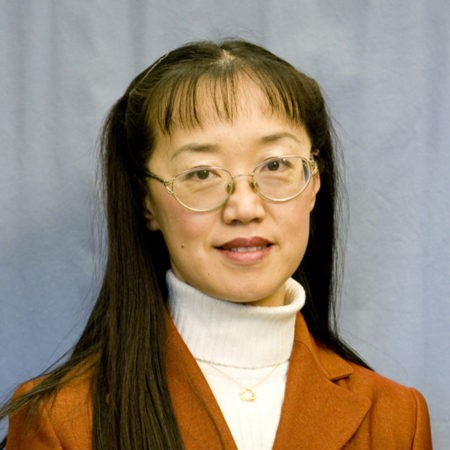
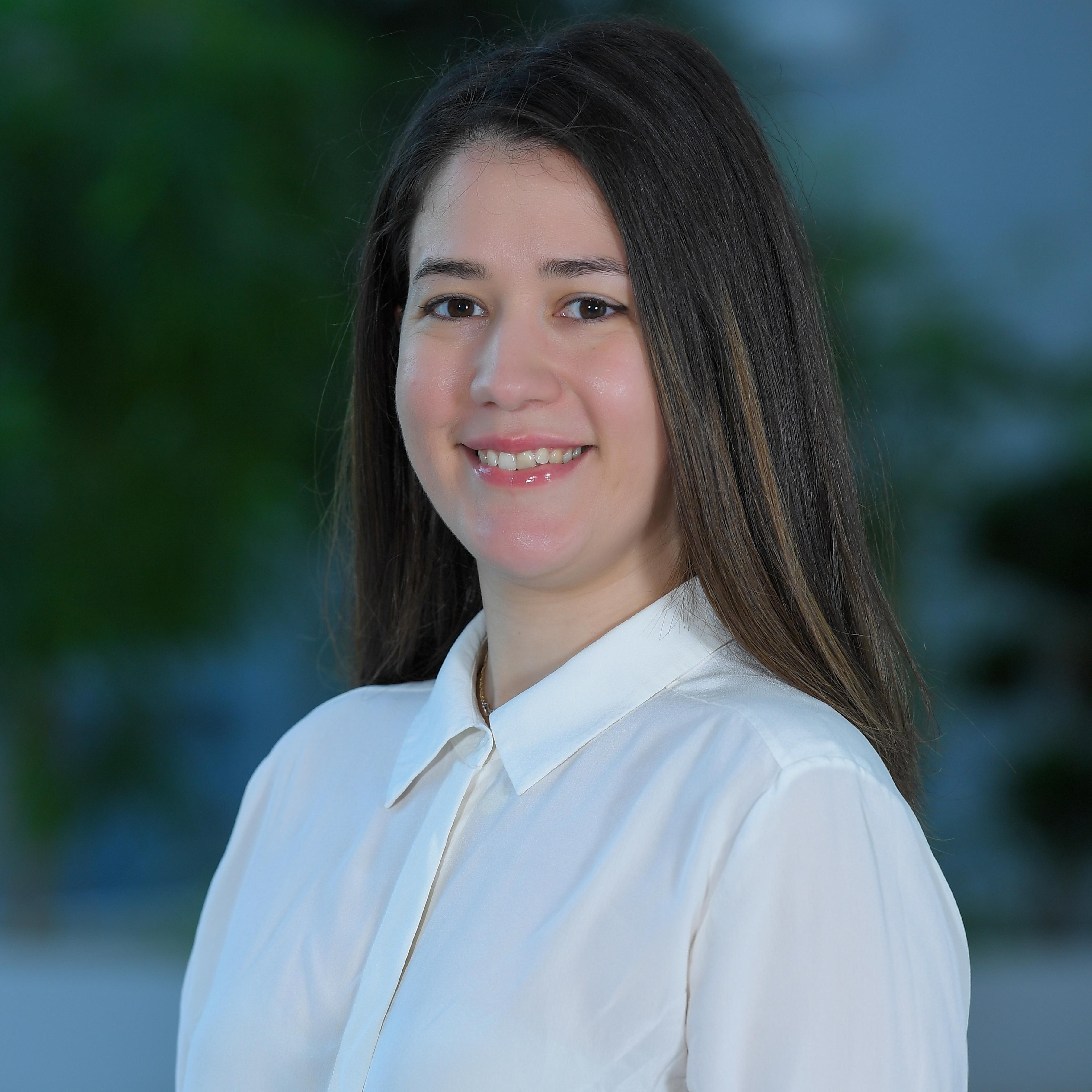
Weihong Zhong is a Professor at the School of Materials Science and Engineering , Washington State University , specializing in polymers, composites, and energy storage materials. With a Ph.D. in Materials Science and Engineering from Beihang University, she has made significant contributions to battery technology and biomaterials engineering. Education: Ph.D., M.S., B.S. in Materials Science and Engineering, Beihang University (1994, 1991, 1988) Research Interests focus on: Battery materials and renewable energy systems Nanocomposites and multifunctional materials Biomaterials for environmental and electronic applications Flexible energy storage devices Publication Trends show expertise in lithium metal/sulfur batteries, protein-based materials, and nanostructured composites for electrochemical applications. Her work bridges materials science, polymer engineering, and sustainable energy technologies. Scientific Recognition includes: Honored Fulbright Scholar (2019-2020) Westinghouse Distinguished Professor (2012-2020) Contact: katie_zhong@wsu.edu | Office: PACCAR (PETB) 252 | Phone: 509-335-7658
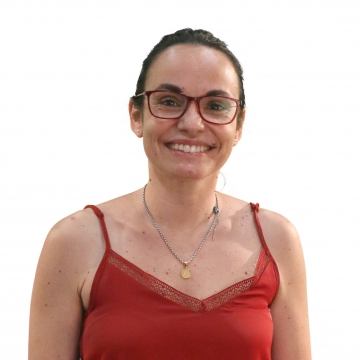
Jérôme Charmet is an Associate Professor at the University of Applied Sciences Arc (HES-SO) and holds adjunct positions at the University of Bern (School of Biomedical and Precision Engineering) and the University of Warwick (Warwick Medical School). His research focuses on biomedical engineering , microfluidics , and advanced manufacturing for medical devices. BSc in Microtechniques, Haute Ecole Arc MSc in Biomedical Engineering, University of Bern Current research projects include: Bacterial Suicide (HES-SO funded): Treating biomaterial-associated infections on 3D-printed implants HYPERCELL (SNSF funded): Developing single-cell T cell therapy efficacy assays ELUSIVE (HES-SO funded): Creating mechanically enhanced biodegradable PCBs Public Mask (HES-SO funded): Biodegradable electrospun mask filters His >50 publications and >1200 citations reflect expertise in biodegradable polymers , organic bioelectronics , and point-of-care diagnostics . Key technologies include microheater fabrication , immunoaffinity liquid biopsies , and contamination-free OFET manufacturing .
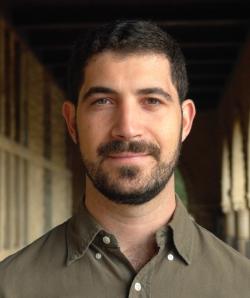
Cristian Pablo Pennisi is an Associate Professor at the Department of Health Science and Technology, Aalborg University, within The Faculty of Medicine. His research focuses on regenerative medicine, particularly the interaction between microenvironment signals and stem cell fate in muscle tissue regeneration. He holds a Ph.D. in Biomedical Sciences and Engineering from Aalborg University (2008) and has extensive international education including a M.Sc. in Bioelectronics from Mexico and a Bioengineering degree from Argentina. Education: Universidad Nacional de Entre Ríos (Biomedical Engineering, 1998), Centro de Investigación y de Estudios Avanzados (Bioelectronics, 2002), Aalborg University (Ph.D., 2008). Research Interests: Development of biomaterials and hydrogels for tissue engineering, bioprinting strategies for regenerative medicine, and applications of stem cells in chronic wound healing. His work bridges engineering and biology to advance medical technologies. Key Projects: STRONG-UR (2024–2028, EU Horizon Europe) focuses on urethral regeneration via bioprinting. PULSE (2023–2026) explores 3D-printed models for vascular smooth muscle diseases. He also leads PROMEAT (2021–2024), developing cultured meat with health benefits using stem cells. Professional Activities: Served as opponent in multiple PhD defenses, participates in research networks like CMBFood, and actively engages in academic seminars and conferences. Labs/Teams: Works with teams specializing in bioinks, tissue regeneration, and cultured meat innovation.
Ralph G. Nuzzo is the G. L. Clark Professor of Chemistry at the University of Illinois at Urbana-Champaign (UIUC), where he also holds a Professorship in Materials Science and Engineering. He is an affiliated faculty member at KTH Royal Institute of Technology (Sweden) and a Visiting Associate in Applied Physics at Caltech. His research focuses on materials chemistry, nanotechnology, energy conversion, and bioanalytical systems. Notable contributions include advancements in photovoltaic systems, catalytic materials, and flexible electronics. Education: AB in Chemistry (Rutgers, 1976); PhD in Organic Chemistry (MIT, 1980). Career: Bell Labs (1980–1991), UIUC faculty since 1991. Awards: Adamson Award (ACS, 2003), Humboldt Research Award (2011), IEEE George E. Smith Award (2008). Leadership: Director of the DOE Light-Materials Interactions in Energy Conversion EFRC. Research Themes: Micro/Nano-scale fabrication for energy systems (e.g., luminescent solar concentrators) Catalytic transformations on supported nanoparticles Biocompatible materials for wearable biosensors Advanced battery materials and electrochemical systems Publications: Over 200+ peer-reviewed articles, with recent emphasis on 4D printing, flexible electronics, and catalytic mechanisms. Collaborations span academia and industry, including co-founding Semprius (high-performance photovoltaics). Labs/Teams: Nuzzo Research Group at UIUC, KTH collaborations, and leadership in the LMI EFRC. Current projects include autonomous light management systems and bio-inspired soft materials.
Ana Catarina Bernardino Baptista is an Assistant Professor at the Department of Materials Science within the NOVA School of Science and Technology (FCT/UNL), Universidade Nova de Lisboa, Portugal. She holds a PhD in Materials Science and Engineering (2014) and focuses on developing innovative smart textiles using biocompatible polymers for applications in energy conversion systems and medical devices . MSc in Biotechnology (FCT/UNL, 2009) BSc in Applied Chemistry (FCT/UNL, 2007) Her research spans bioelectronics , 3D printing for medical applications, and functional textiles for energy harvesting and storage. Key projects include: All-FIBRE : Fiber-shaped photovoltaic storage devices for wearable electronics Collaborations with The Navigator Company (paper functionalization) and InnovNano (3D-printed ceramic implants) She has supervised work on cellulose-based bio-batteries , fiber-shaped supercapacitors , and electrically controlled drug delivery systems , while also exploring polymeric coatings for implants and piezoresistive textiles for medical sensors.
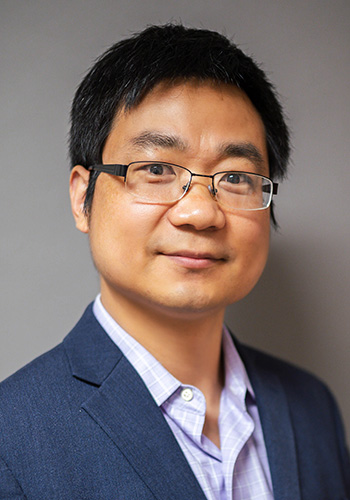
Dr. Chuanfei Guo is a tenured Professor at the Southern University of Science and Technology (SUSTech) and serves as editor for Materials Today Physics and Soft Science . His research focuses on high-performance electronic skins , human-body flexible electronics , and unconventional micro-nano fabrication . Education : PhD in Materials Science (2011, National Center for Nanoscience and Technology) Appointments : Boston College (Postdoc, 2011-2012), University of Houston (Research Associate, 2013-2016), SUSTech (Associate Professor 2016-2021, Tenured Professor 2021-present) Research Themes : Development of ultra-sensitive electronic skins with cross-talk-free sensing and environmental stability Innovation in epidermal and implantable bioelectronics using conductive hydrogels Cost-effective biomimetic nanofabrication techniques for scalable microstructures Scientific Contributions include: Over 130 publications in top journals (Nature Materials, Nat. Commun., PNAS, etc.) 40+ patents (24 granted, including 4 US patents) Recipient of Beijing Natural Science Prize and Guangdong Distinguished Young Scholar Fund Leadership in Zhujiang Talent Program and SUSTech-MIT Joint Center projects
Yonghui Ding is an Assistant Professor of Biomedical Engineering at Worcester Polytechnic Institute (WPI). He holds a B.Eng. in Materials Science from Chongqing University, an M.Phil. in Bioengineering from The Hong Kong University of Science and Technology, and a Ph.D. in Mechanical Engineering from the same institution. He completed a postdoctoral fellowship at the University of Colorado-Boulder before serving as a Research Assistant Professor of Biomedical Engineering at Northwestern University (2019–2023). His research focuses on biomaterial scaffold design and additive manufacturing technologies for regenerative engineering, particularly targeting vascular and musculoskeletal tissues. Key areas include 3D-printed bioresorbable stents, mussel-inspired hydrogels, and micro/nano-phase composites for clinical applications. He leads the Additive Manufacturing for Regenerative Engineering (AMRE) Lab , emphasizing translational strategies to bridge engineering and clinical needs. His work has been recognized with awards such as the NIH NIBIB Trailblazer R21 Award (2022) and the American Heart Association Career Development Award (2021). He is committed to STEM education, holding a CIRTL Associate certification and actively mentoring students in interdisciplinary research. Current research interests include biomaterials for tissue regeneration , advanced 3D printing techniques , and anti-postoperative adhesion materials . His lab offers fully funded positions for postdocs and students in Chemical Engineering, Materials Science, and Biomedical Engineering, emphasizing collaboration and innovation in regenerative engineering.
Samuel Root serves as an Assistant Professor in the Department of Macromolecular Science and Engineering at Case School of Engineering, Case Western Reserve University. His research laboratory focuses on functional polymer composites with applications spanning sustainable energy, healthcare, and robotics. Root maintains active collaborations with leading institutions including Stanford University, UC San Diego, and Lawrence Livermore National Laboratory. Bachelor of Science in Chemical Engineering, University of Rochester (2014) Doctorate of Philosophy in Chemical Engineering, University of California, San Diego (2018) Root's research centers on functional polymers and composites, integrating experimental materials synthesis, advanced characterization, and device prototyping with theoretical modeling. His laboratory investigates damage-perceptive soft electronics, ultra-low loss dielectric composites for energy-efficient electronics packaging, and thermal-electrical conductivity relationships in liquid metal microdroplet composites. Current projects emphasize sustainable energy solutions, biomedical applications, and next-generation robotics materials where polymers serve as enabling components for advanced electronic systems. Analysis of Root's recent publications reveals a strong focus on self-healing materials and bio-inspired electronics. His work bridges fundamental polymer science with practical applications in soft robotics and wearable technology. Key trends include the development of autonomous alignment systems in dynamic polymers, novel dielectric composites for high-speed electronics, and molecular-scale charge transport phenomena in soft materials. The research demonstrates increasing interdisciplinary collaboration across materials science, electrical engineering, and biomedical fields. Powell Fellowship (2014) Corning Glass Age Award (2017) ARCS Fellowship (2017) Presidents Dissertation Year Fellowship (2017) Chemistry of Materials Lectureship & Paper of the Year Award (2018) Rising Stars in Soft and Biological Matter (2023) Root leads the Root Laboratory for Functional Polymer Composites, directing research teams on multiple NSF and industry-sponsored projects. His recent patent applications include multi-layer self-healing apparatuses and expanding foam-fabric orthopedic stabilization devices. The laboratory maintains strong industry partnerships with Corning Inc. and collaborates extensively with national laboratories. Root actively mentors graduate students in polymer science and has developed an innovative new course on polymer electronics launching in Fall 2025. The Root Laboratory operates state-of-the-art facilities for polymer synthesis, advanced materials characterization, and device prototyping. Research teams include graduate students, postdoctoral researchers, and undergraduate collaborators working across three primary project areas: soft bioelectronics, energy-efficient composites, and robotics materials. The laboratory maintains close ties with the University of Chicago MRSEC and participates in the Stanford Polymer Collective network.
Matteo Cocuzza is a Full Professor at the Department of Applied Science and Technology (DISAT) , Polytechnic University of Turin , and a member of the PolitoBIOMed Lab . As Academic Advisor for the Master's program in Quantum Engineering , he leads interdisciplinary research at the intersection of micro/nanotechnologies and biomedical applications. Research Focus: Lab-on-chip systems, MEMS fabrication, organic electrochemical devices, and polymer 3D printing Leadership Roles: Scientific Responsible for collaborations with INRIM, CNR-IMEM, and IIT Key research projects include: IPER (precision oncology, 2024-2027) LIFEBLOOD (cardiac biomarker detection on-chip, 2023-2025) LOCNEURO (neuro-COVID diagnostics, 2022-2023) Scientific Recognition: Fellow at INRIM (2022-2027) Fellow at CNR-IMEM (2021-2027) Steering Committee member at AIV – Associazione Italiana di Scienza e Tecnologia (2017-) Teaching Contributions: Leads courses on Advanced Technologies and Applications , Physics of Technological Processes , and 3D Printing for Nanotechnology in both Master's and PhD programs. Supervises a multidisciplinary team including PhD candidates in Physics and Electrical Engineering. Laboratory Infrastructure: Works at the CHILAB Laboratory in Chivasso, part of the Politecnico di Torino Energy Center .
Jinxing Li is an Assistant Professor at Michigan State University with dual faculty appointments in the Neuroscience Program and Cell & Molecular Biology Program. Their research focuses on developing nanoscale neural interfaces using soft materials and microelectronic devices to enable precise, minimally invasive stimulation and sensing of neural circuits for applications ranging from brain-gut neurotransmitter monitoring to pediatric neuromodulation. Research Interests: Dr. Li pioneers soft bioelectronics and micro/nanorobotics to create biocompatible neural probes that integrate electrical, optical, acoustic, and magnetic modalities. Key innovations include morphable neuromodulators accommodating tissue growth and tissue-like sensors for chronic in vivo monitoring. Their work bridges neural engineering , materials science , and clinical translation to overcome limitations of rigid neural interfaces. Publication Trends: Recent work (2022-2025) demonstrates escalating focus on magnetic particle imaging , 3D-printed microrobots , and sustainable manufacturing of biomedical devices. Articles reveal a strategic shift toward multimodal sensing (e.g., Spiral NeuroString) and clinical applications in pulmonary fibrosis and stress monitoring, with strong emphasis on biocompatibility and pediatric adaptability. Scientific Awards: No awards specified in source materials Advising & Grants: While specific students and funding sources aren't listed, Dr. Li's high-output publication record (15+ articles in 2025 alone) across Nature/Science family journals indicates substantial grant support in bioelectronics and neural engineering. The lab likely trains graduate students in interdisciplinary device fabrication and in vivo validation. Laboratory: The research group (accessible via labli.net ) operates at the intersection of nanofabrication and neuroscience, specializing in soft microelectronics for chronic neural interfacing with demonstrated expertise in magnetic actuation, stretchable sensors, and biodegradable components.
Bryan Boudouris is an Adjunct Professor of Chemical Engineering and a Courtesy Professor of Chemistry at Purdue University's Davidson School of Chemical Engineering. He joined Purdue in 2011 and holds a B.S. from the University of Illinois at Urbana-Champaign (2004), a Ph.D. from the University of Minnesota (2009), and completed a postdoctoral fellowship at the University of California, Berkeley (2009–2011). His research focuses on functional macromolecules for advanced applications, including optoelectronic, thermoelectric, and bioelectronic polymers. Key areas include transparent conducting films, thermoelectric devices, flexible bioelectronics, water purification systems, and sensing platforms. His iterative design approach links molecular structure to material performance for energy, water, and health technologies. Boudouris has received prestigious awards such as the APS John H. Dillon Medal (2021), AIChE Owens Corning Early Career Award (2020), and NSF CAREER Award (2016). His research group (POWER Lab) includes visiting scholars, postdoctoral associates, and graduate students co-advised across disciplines. Notable contributions include smart contact lenses for glaucoma monitoring, high-affinity heavy metal removal systems, and 3D-printed conductive polymers. His work bridges polymer chemistry, materials science, and engineering applications, addressing global challenges in energy, health, and sustainability.
Dr. Zhengwei Li is an Assistant Professor and Presidential Frontier Faculty Fellow in the Department of Biomedical Engineering at the University of Houston's Cullen College of Engineering, with a joint appointment in the Tilman J. Fertitta Family College of Medicine. He joined UH in Fall 2022 after completing postdoctoral research at Northwestern University and the NSF Science and Technology Center-EBICS at UIUC. Education: PhD (Mechanical Engineering, University of Colorado Boulder, 2017), MS (Zhejiang University, 2012), BS (Huazhong University of Science and Technology, 2009) His research focuses on biohybrid robotics, wearable electronics, and biomedical devices, aiming to bridge human-machine interfaces for healthcare applications. Notable projects include bio-bots, neural interfaces, and stretchable bioelectronics. His work has been published in top journals like Science Robotics , Nature Electronics , and Advanced Materials . Key research trends include development of muscle-driven miniature robots, wireless optoelectronic control systems, and adaptive biohybrid pumps. Recent work emphasizes clinical applications such as dermatological diagnostics and in vitro flow systems. Awards: Presidential Frontier Faculty Fellow Dr. Li's lab (LIGroup) develops novel biomaterials and devices. Collaborations involve bioelectronics, medical instrumentation, and translational biomedical engineering. No formal advisees listed but active in multi-institutional research networks.
Dr. Anna-Maria Pappa is an Assistant Professor at the Department of Biomedical Engineering, College of Engineering, Khalifa University. She also holds a visiting scholar position at Cambridge University. 2014: BSc/MSc in Chemical Engineering and Nanotechnology, Aristotle University of Thessaloniki 2017: PhD in Bioelectronics, University of Lyon 2017-2021: Postdoctoral Researcher, Cambridge University Her research focuses on bio-integrated electronics using conducting polymers and 2D materials, with applications in healthcare diagnostics and wearable devices. Current projects include: Multiparameter bioelectronic sensors for pathogen/infection detection Bioelectronic biofilm-on-chip for drug discovery takeAbreath: Lab-on-facemask for stress monitoring 3D printed conducting polymer structures for biodegradable implants and strain sensors She serves as an associate editor for Scientific Reports , Frontiers in Electronics , and Applied Physics Letters , and is affiliated with the Center for Catalysis and Separation and Healthcare Engineering Innovation Group. 2017: L’Oreal-UNESCO Women in Science award 2019: MIT Technology Review Innovators under 35 Dr. Pappa actively mentors graduate students and seeks talented individuals for her research group.
Dr. Angela Panoskaltsis-Mortari serves as Professor in both the Department of Medicine and Department of Pediatrics at the University of Minnesota Medical School, with a specialized focus in the Division of Pediatric Blood and Marrow Transplantation & Cellular Therapy. She holds multiple leadership roles including Vice Chair for Research in Pediatrics, Director of the University of Minnesota 3D Bioprinting Facility, Director of the Cytokine Reference Laboratory, and Associate Director of the TL1 Program (CTSI). Her research spans the interdisciplinary field of regenerative medicine with particular emphasis on tissue-organ engineering and biofabrication. The Panoskaltsis-Mortari Laboratory employs two primary approaches: decellularized whole organ scaffolds integrated with sophisticated bioreactors, and advanced 3D bioprinting techniques including extrusion, suspension, and laser-assisted methods. Current projects target the creation of functional lung, trachea, and esophagus tissues for transplantation, as well as developing sophisticated 3D cancer models for evaluating novel drugs and cell therapies. Analysis of her most recent publications reveals a strong dual focus on immunological aspects of transplantation (particularly Graft-versus-Host Disease mechanisms and prevention strategies) alongside cutting-edge biofabrication techniques. Her work bridges fundamental immunology with practical tissue engineering applications, creating translational research pathways from bench to bedside. Dr. Panoskaltsis-Mortari leads or participates in multiple significant research projects including 'Human Organ-on-Chip Platforms for Radiation Exposure Assessment' (2023-2027), 'REVEAL - Research Evaluating Vagal Excitation and Anatomical Linkages' (2022-2025), 'In Vivo Prevention of Murine GVHD' (2022-2027), and 'Sensory Function and Chronic Pain in Cerebral Palsy' (2021-2027), demonstrating her broad research impact across multiple disciplines. Her laboratory accepts students and researchers from diverse backgrounds including biomedical engineering, physiology, stem cell biology, computer science, mechanical engineering, biomaterials science, and surgery, reflecting the highly interdisciplinary nature of her work in regenerative medicine and biofabrication.
Dr Christopher Chapman is a Lecturer in Bioengineering at Queen Mary University of London's School of Engineering and Materials Science. He serves as the Biomedical Engineering Programme Director (Undergraduate) and Outreach and Recruitment Lead for The Centre for Bioengineering. With expertise in bioelectronics design and fabrication for central and peripheral nervous system targets, Chapman leads research focused on developing soft and flexible bioelectronic implants using both metals and conducting polymers. Lecturer in Bioengineering Biomedical Engineering Programme Director (Undergraduate) Outreach and Recruitment Lead, Centre for Bioengineering Member, Institute of Materials, Minerals, and Mining Member, Institute of Physics and Engineering in Medicine Chapman's research interests center around bioelectronics, implanted devices, cancer neuroscience, conductive polymers, and electrical stimulation and recording. His work combines functional materials with laser-based fabrication methods to develop bioelectronic implants for cancer therapeutics and monitoring. He specializes in creating soft, flexible bioelectronic systems that can provide both therapeutic effects and diagnostic feedback from the tumor microenvironment. Analysis of Chapman's recent publications reveals a strong focus on developing novel bioelectronic materials and devices, particularly using conductive polymers and elastomers. His research spans neural interfaces, cancer monitoring, and drug delivery systems, with increasing emphasis on cancer neuroscience applications in recent years. The publications demonstrate a progression from fundamental materials development to more clinically relevant applications, especially in tumor margin detection and cancer microenvironment monitoring. Chapman currently leads the Continuous Advanced Recording for Cancer Lab (CARC Lab), which focuses on four key research areas: materials development, in vitro models of cancer, clinical measurements, and therapeutic drug delivery. His research group includes PhD students Joshua Daoud and Ester Do Couto Lopes, who are working on multimodal bioelectronic sensor development for real-time monitoring of the brain tumor microenvironment. Chapman has secured significant research funding for his work, including a £403,666 grant from the ARIA Advanced Research and Invention Agency for 'Oligodendronics: Engineering biology for scalable neural interfaces', a £74,990 grant from Barts and the London Charity for 'Development of multimodal tumour margin detection paradigm for use in neurosurgical oncology', and a £20,000 grant from the Royal Society for 'Customizable conducting elastomers for bioelectronics sensors'.