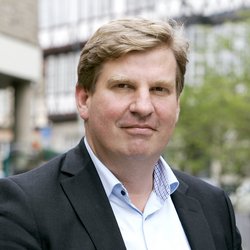
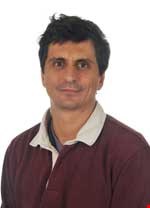
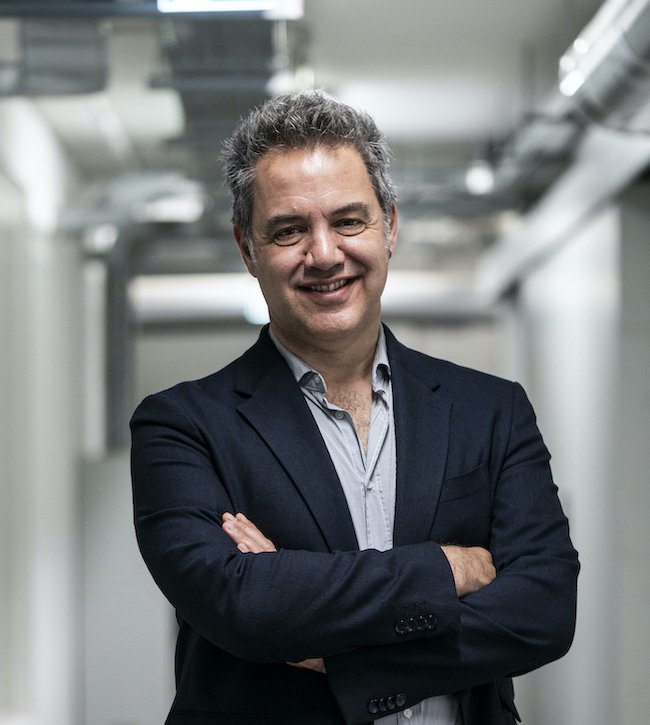
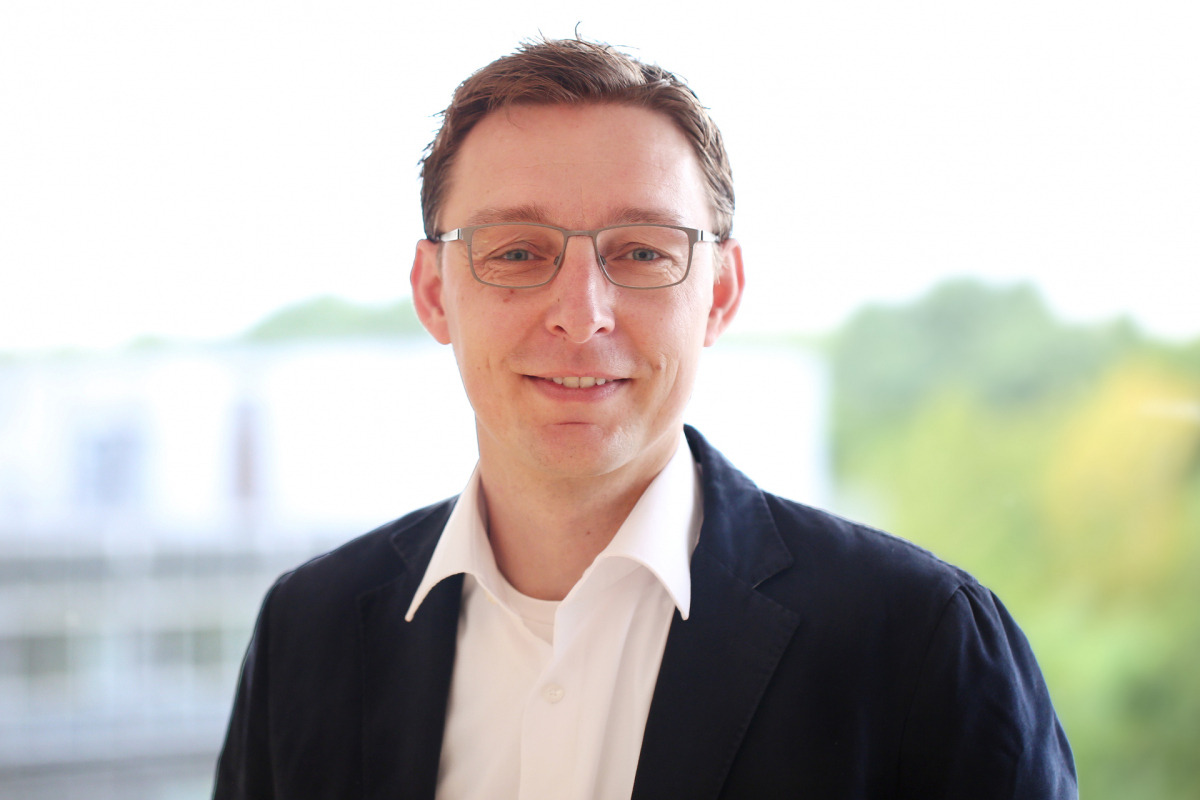
Prof. Sören Auer is the Director of the German National Library of Science and Technology (TIB) and Professor of Data Science and Digital Libraries at Leibniz Universität Hannover's Faculty of Electrical Engineering and Computer Science . With academic positions at Dresden, Yekaterinburg, Leipzig, Pennsylvania, Bonn, and Fraunhofer Society, his career focuses on semantic technologies , knowledge engineering , and Artificial Intelligence Research Data Management Open Science Knowledge Graphs . He leads the Open Research Knowledge Graph (ORKG) initiative and co-founded DBpedia and eccenca.com . His research spans data science , AI-driven knowledge representation , and digital library systems . He has supervised numerous PhD theses and final-year theses while offering courses on Knowledge Engineering Semantic Web Technologies Data Integration Scientific Data Management . The technical focus includes semantic data interlinking , neuro-symbolic AI , and contextual metadata frameworks . As a recipient of prestigious awards including ERC Consolidator Grant SWSA Ten-Year Award ESWC 7-Year Best Paper Award OpenCourseware Innovation Award , Prof. Auer has led major projects like BigDataEurope and contributes to standards in W3C , NFDI , and EOSC . His recent publications demonstrate advancements in ontology alignment , LLM-driven schema discovery , and hybrid AI systems for scholarly knowledge organization.
Vera Bekkers is a Researcher at Wageningen University & Research , focusing on the Earth Systems and Global Change department. Her work bridges plant architecture analysis, remote sensing technologies, and ecological modeling to advance understanding of forest systems. Role : Education/Research Officer Institution : Wageningen University & Research Research Interests Vera specializes in Functional-Structural Plant Models using Terrestrial LiDAR for 3D representation of vegetation. Her research optimizes parameterization efficiency in tree models, supporting applications in forest ecology , biomass estimation , and canopy analysis . She contributes to improving structural models for both temperate ( Scots Pine ) and tropical tree species. Dataset Contributions : Vera curates open-access datasets derived from LiDAR-based plant architecture studies, enhancing reproducibility in ecological research. Her methodological innovations include model mining in sensor data for terrain analysis and developing region-specific allometric models for Guyana and Suriname.
Dr. Timothy Cribbin is a Senior Lecturer in the Department of Computer Science within the College of Engineering, Design and Physical Sciences at Brunel University London. He has been with the university since 2001, initially joining as a lecturer and advancing to his current position. His academic home is firmly rooted in the intersection of information science, human-computer interaction, and data analytics. His educational background includes: PGCert Learning and Teaching in Higher Education, Brunel University (2007) PhD Information Science, Brunel University (2005) for research exploring spatial-semantic interfaces for exploratory document search MSc Industrial Psychology, University of Hull (1996), where he was awarded the Tom Hoyes Memorial Prize BSc (Hons) Psychology, University of Portsmouth (1994) Dr. Cribbin's research focuses on information visualization, interactive search interfaces, and text analytics, with particular expertise in processing and modeling large text collections to uncover meaningful insights. His work spans the design and evaluation of algorithms, interaction models, and end-user tools that support search, navigation, exploration, and sense-making within connected information spaces like scholarly publications and social media platforms. Early in his career, he pioneered work on interactive visualization using distance-similarity and spatial-semantic metaphors, making key contributions through the application of geodesic distance and second-order similarity transformations. More recently, his research has centered on citation-enhanced information retrieval and social media analytics, including the development of the Chorus Twitter analytics project. His scholarly output reveals a consistent trajectory from foundational work in information visualization to increasingly applied research in social media analytics and text mining. Throughout his career, Dr. Cribbin has maintained a strong focus on human-centered approaches to information processing, with particular attention to how users interact with and make sense of complex information spaces. His recent work demonstrates growing interest in psychological aspects of information processing, author classification, and the analysis of linguistic patterns in online radicalization. Dr. Cribbin has received notable recognition including: Tom Hoyes Memorial Prize for his MSc in Industrial Psychology Fellowship of the Higher Education Academy (FHEA) He has secured research funding for projects including "Predicting online radicalisation" and "Facilitating social media research in social sciences." Dr. Cribbin serves as a Deputy Senior Tutor (Academic Misconduct) and provides supervisory duties for final year undergraduate and Masters dissertation projects. He regularly acts as a reviewer for conferences and journals in information science, social media analytics, and information visualization. Dr. Cribbin is a key contributor to the User Centred Design research group and is the founder and lead programmer of the Chorus Twitter analytics project. His work bridges theoretical research with practical applications, particularly in the areas of social media analytics and text mining.
Dr. Stasha Lauria is a Lecturer in the Department of Computer Science within the College of Engineering, Design and Physical Sciences at Brunel University London. With over 15 years of experience in intelligent robotics, she specializes in human-machine interactions, neural networks, and pattern recognition, leading the Brunel Robotics Laboratory for cognitive mobile robot experiments. Education: Laurea, University of Studies “Federico II” of Napoli, Italy Ph.D. in Cybernetics, University of Reading, UK Research Focus: Her work centers on modeling mobile robots through natural language interactions, converting human speech into robot actions, and AI-driven signal processing. Current projects investigate social media's impact on human-robot dialogue management and robotics as educational tools, with strong emphasis on neural networks and big data applications in vision systems. Publication Trends: Recent publications (2022-2009) reveal consistent innovation in computer vision (object detection, segmentation) and human-robot interaction, increasingly integrating deep learning for manufacturing and vision tasks. Educational robotics remains a parallel thread, with quantitative evaluations of programming pedagogy. Research Grants: A human-centred internet of things platform for the sustainable mine of the future (European Commission, May 2020 - April 2024) Intelligent data-driven pipeline for certified metal parts manufacturing (European Commission, October 2018 - March 2023) Big Data Learning-based QoS Analysis for Cloud-services (Royal Society, March 2016 - February 2018) Laboratory & Collaboration: Founder of the Brunel Robotics Laboratory, she collaborates extensively with Dr. Theodora Koulouri, Prof. Xiaohui Liu, and Dr. Stephen Swift on human-robot interaction, as evidenced by co-author networks spanning neural networks, dialogue systems, and multi-agent architectures.
Giovanni Coppini is a Principal Scientist and Director of the Strategic Program "Global Coasts as a New Frontier" at the Euro-Mediterranean Center on Climate Change (CMCC) Foundation, leading international efforts to develop integrated coastal ocean observation systems and climate adaptation solutions for vulnerable coastal communities. He co-chairs the GlobalCoast Network Memorandum of Understanding under the UN Decade of Ocean Science’s CoastPredict Programme and represents CMCC in the Decade Collaborative Centre for Coastal Resilience. PhD in Environmental Science from the University of Bologna 20+ years in operational oceanography Former director of CMCC’s Global Coastal Ocean and Ocean Predictions Divisions His research focuses on coastal resilience through machine learning applications, oil spill forecasting, search-and-rescue systems, and Digital Twin of the Ocean components. He has contributed to over 80 peer-reviewed publications and led the Mediterranean Monitoring and Forecasting Centre (Med-MFC) of the Copernicus Marine Service since 2015.
Manuel Liebeke is a Group Leader at the Max Planck Institute for Marine Microbiology in Bremen, Germany, where he heads the "Metabolic Interactions" research group. His work focuses on developing and applying advanced metabolomics techniques to understand microbial communities and host-microbe interactions in marine environments. Dr. Liebeke's research interests span several interconnected fields: Metabolomics - studying metabolites as indicators of active metabolic pathways Spatial metabolomics - developing high-resolution imaging methods to map metabolites in microbial systems Host-microbe interactions - investigating metabolic exchanges between microbes and their hosts Marine microbiology - applying these techniques to understand ocean ecosystems Mass spectrometry imaging - pushing the boundaries of analytical techniques for microbial research His laboratory develops innovative spatial imaging methods for in situ measurements of metabolites in host-microbe systems. Key approaches include: Spatial metabolomics on host-microbe systems using mass spectrometry imaging at the micrometer scale Correlative imaging approaches combining MALDI-MSI with FISH to map bacteria 3D scanning approaches like µCT to understand host anatomy Environmental metabolomics in marine systems, including seawater, tissue extracts, and sediment porewater Stable isotope tracer experiments to follow metabolic pathways in symbiotic systems A significant finding from his research includes the discovery that sugars accumulate in the rhizosphere of seagrasses through metabolic interactions with plant phenolics. His vision is to transfer spatial metabolite data from single cells into multicellular and environmental contexts for a more comprehensive understanding of microbial ecosystems.
Dr. Anne Bonnin serves as a Beamline Scientist at the Paul Scherrer Institute (PSI) in Switzerland, where she has been instrumental in X-ray imaging research since joining the X-ray Tomography Group in 2014 and assuming her current role at the TOMCAT Beamline in 2016. Affiliated with PSI's Center for Photon Science and Laboratory for Macromolecules and Bioimaging, she operates at the forefront of synchrotron-based imaging techniques. Her academic foundation includes a PhD from INSA de Lyon focused on material properties for explosive detection, followed by postdoctoral work at the European Synchrotron Radiation Facility (ESRF) in X-ray diffraction and phase contrast tomography, and an NSF Research Fellowship for paleontology research at Harvard University and ESRF. Specializing in X-ray imaging (micro/nano-tomography, phase-retrieval) and powder diffraction, Dr. Bonnin leads the bioimaging program at TOMCAT with particular emphasis on the international Heart Imaging Project. Her research develops novel methodologies for materials characterization across diverse domains including cardiac microstructure analysis, paleontology, and neurodegenerative disease modeling, with significant contributions to understanding material behavior at microscopic scales. Her recent publications (2019-2021) demonstrate strong interdisciplinary impact, advancing X-ray imaging applications in energy storage (battery materials), biomedical research (cardiac/auditory systems), and materials engineering (aerogels). A defining trend is the integration of machine learning for image analysis, alongside methodological innovations like non-rigid image stitching and Fourier ptychography. These works reflect extensive international collaboration and address critical challenges in healthcare, energy, and fundamental material science. Dr. Bonnin leads the Heart Imaging Project to quantify cardiac microstructure using contrast-agent-free X-ray phase-contrast imaging, while actively contributing to the SLS2.0 upgrade project preparing TOMCAT for multiscale, multimodal, and dynamic tomographic capabilities. Her collaborative framework spans global researchers in materials science, paleontology, and biomedical engineering. As manager of the TOMCAT nanoscope—a full-field imaging setup achieving 150 nm 3D resolution—she enables cutting-edge research in absorption and phase-contrast imaging. Her team within the X-Ray Tomography Group drives the bioimaging program forward, particularly through the Heart Imaging Project's dynamic cardiac studies using modified Langendorff setups.
Furkan Eren Uzyildirim is a Research Fellow at the Department of Computer Engineering, Izmir Institute of Technology (IYTE), where he has worked since 2015. He earned his B.Sc. (2014), M.Sc. (2016), and Ph.D. (2022) in Computer Engineering from IYTE, graduating as a high honors student. His research focuses on Computer Vision and Deep Learning , with a particular emphasis on image segmentation, object recognition, and keypoint matching. He contributes to projects like Safe and secure autonomous driving technologies and Smart agricultural technologies using unmanned vehicle systems , both funded by TÜBİTAK 1512. His recent publications explore unsupervised learning for outdoor plane estimation, advanced keypoint matching algorithms, and 3D scene analysis. These works intersect with subfields such as Autonomous Driving , 3D Scene Understanding , and Feature Extraction . He teaches courses including Numerical Computing and Programming & Data Structures.
Emily Mitchell is a faculty member in the Department of Zoology at the University of Cambridge, where she conducts research at the intersection of paleobiology and marine community ecology. She is an active supervisor in the Cambridge NERC Doctoral Training Partnerships (CREATES and C-CLEAR DTP), mentoring postgraduate students in quantitative approaches to ecological and evolutionary questions. Her research focuses on two major areas: the paleoecology of Ediacaran early animal communities and the dynamics of modern marine benthic ecosystems. She applies mathematical and statistical methods, including Bayesian network inference and spatial analyses, to understand how ecological processes shape biodiversity across deep time. Her work spans from the origins of animal life over 500 million years ago to contemporary Antarctic, deep-sea, and tropical reef systems. The most recent publications highlight a strong trend in applying advanced computational and network-based methods to both fossil and modern ecosystems. Her research integrates field data, digital modeling, and theoretical frameworks to investigate community structure, resilience, and evolutionary drivers. Key themes include the role of morphology, reproductive strategy, and environmental gradients in shaping ecological dynamics. Emily Mitchell has received no explicitly mentioned scientific awards in the provided text. She is actively involved in advising postgraduate research students and securing research funding through NERC and other sources. Her projects often involve fieldwork, video database analysis (e.g., AWI Pangea), and the development of 3D digital models for community analysis. She encourages student-led project development in areas such as Ediacaran taphonomy, eco-evolutionary modeling, and Antarctic benthic ecology. Her research group focuses on reconstructing community dynamics throughout ecological succession, particularly in extreme environments like the Antarctic and deep sea. She collaborates with institutions such as the British Antarctic Survey and uses extensive photographic and video datasets to model ecosystem interactions and predict future changes under environmental perturbation.
Lusi Li is an Assistant Professor in the Department of Computer Science at Old Dominion University's Batten College of Engineering & Technology. She earned her Ph.D. from University of Rhode Island in 2021, with prior degrees from Zhongnan University of Economics and Law. Ph.D. in Electrical, Computer, and Biomedical Engineering (URI, 2021) B.S. and M.S. in Computer Science (Zhongnan University, 2014 & 2017) Her research focuses on Computer Vision and Machine Learning , developing scalable algorithms for robust representation learning from large-scale data with applications in industrial processes and wireless communications. Key areas include multi-view/multi-modal learning , transfer learning , few-shot/zero-shot learning , and imbalanced learning . Recent publications reveal expertise in semantic communication , 3D shape understanding , and dynamic spectrum management , with 2025 papers at MILCOM and ACM MM. Her work often integrates graph learning and domain adaptation techniques across wireless systems and industrial fault diagnosis. Awards include multiple federal grants (NSF, ICAR) and institutional honors (FP3, Cheng Fund). She actively mentors graduate students in research and serves on editorial boards for Information Fusion and Pattern Recognition . National Science Foundation (NSF) Grant for dynamic spectrum sharing ICAR grants for coastal community AI systems ODU's FP3 and Cheng Fund awards URI graduate fellowships and awards Her teaching portfolio includes undergraduate courses in theoretical computer science and graduate-level pattern recognition.
Nambi Nallasamy is an Assistant Professor at the University of Michigan, holding joint appointments in the Departments of Ophthalmology and Visual Sciences and Computational Medicine and Bioinformatics. His research focuses on the intersection of machine learning and ophthalmology, particularly in improving cataract surgery outcomes and analyzing surgical quality. His work applies methodologies such as computer vision, machine learning, and natural language processing to healthcare research, with a strong emphasis on clinical informatics and computer vision challenges in ophthalmology. He is actively involved in developing AI tools for surgical training and assessment, including systems like CatSkill and CatStep. Recent publications highlight his contributions to predictive modeling for intraocular lens (IOL) refraction, automated surgical phase classification, and understanding social risk factors in microbial keratitis. His research also extends to corneal transplantation techniques and the impact of steroid use on corneal opacity in veterinary ophthalmology. Nallasamy is a board-certified ophthalmologist and fellowship-trained cornea specialist, with clinical expertise in corneal and ocular surface diseases, including corneal transplantation (DSEK, DMEK, DALK, PKP), cataract and refractive surgery, and limbal stem cell deficiency treatments. He collaborates with multidisciplinary teams and researchers such as Shahzad Mian, Maria Woodward, and Binh Duong Giap, advancing AI applications in ophthalmology and surgical outcomes analysis. His work bridges computational methods with clinical practice to enhance diagnostic and surgical precision.
Dr. Vladimir Golkov is a Postdoctoral Researcher at the Technical University of Munich (TUM) within the School of Computation, Information and Technology, specifically in Informatics 9 (Computer Vision Group). He works under the supervision of Prof. Dr. Daniel Cremers and maintains an active research profile in deep learning applications for medical imaging and biomedical data analysis. His primary research interests focus on deep learning since 2014, with specialization in high-dimensional and geometric data structures, data-processing goals beyond supervised learning (including clustering and anomaly detection), and applications in biomedicine and physics. Dr. Golkov has successfully mentored students who have gone on to pursue PhD studies at prestigious institutions including TUM, LMU, Mila, ETHZ, Cambridge, and Stanford. Analysis of his recent publications reveals a strong trend toward medical imaging applications, particularly in MRI technology, where he combines deep learning approaches with traditional physics-based methods. His work frequently bridges the gap between theoretical machine learning advances and practical medical applications, with significant contributions to diffusion MRI, sequence optimization, and 3D data processing. He has also expanded into emerging areas including large language models for medical applications and equivariant deep learning architectures. Dr. Golkov receives grant support from the Deutsche Telekom Foundation and maintains an active publication record with numerous contributions to leading conferences including ISMRM, MICCAI, and NeurIPS workshops. His research demonstrates a consistent trajectory of innovation at the intersection of computer vision, deep learning, and biomedical applications. He is actively involved in teaching and mentoring, with students from his projects advancing to top PhD programs worldwide. His office is located at Boltzmannstrasse 3, 85748 Garching, Germany (Office: 02.09.061), and he can be contacted at vladimir.golkov@tum.de.
Hao Xing is a scientific researcher and post-doctoral fellow at the Institute for Cognitive Systems (ICS), Technical University of Munich (TUM), working with Prof. Gordon Cheng since May 2024. Previously, he served as a research assistant at the Munich Institute of Robotics and Machine Intelligence (MIRMI) and completed his PhD under Prof. Darius Burschka from 2019. His educational background includes: Master of Science in Mechanical Engineering from Technical University of Munich Bachelor of Engineering in Mechanical Engineering from Hefei University of Technology, China Xing's research focuses on Robot Vision , Human Action Recognition , and Graph Convolutional Networks , with significant contributions to Human-Object Interaction Recognition , Scene Understanding , and Visual Depth Estimation . His work leverages machine learning to develop robust algorithms for human activity analysis and robotic perception, emphasizing spatio-temporal modeling and uncertainty handling in real-world scenarios. Analysis of his 13 recent publications (2019-2025) reveals a dominant focus on graph-based approaches for action recognition and segmentation, with increasing emphasis on open-world applications, uncertainty modeling, and healthcare integration. His research spans computer vision, robotics, and medical applications, demonstrating strong interdisciplinary impact through collaborations in surgical robotics and patient monitoring systems. Xing actively mentors students through master's thesis projects in Stereo Matching, Human Activity Segmentation, and Monocular Depth Estimation, requiring expertise in deep learning frameworks and computer vision algorithms. While no major grants are explicitly mentioned, his thesis topics indicate active research funding in geometric vision and human activity analysis. He operates within the Institute for Cognitive Systems (ICS) at TUM, a key unit in MIRMI's robotics ecosystem focused on advancing human-robot interaction through vision-based scene understanding and motion generation capabilities.
Gregory P. Waite is a Professor in the Department of Geological and Mining Engineering and Sciences at Michigan Technological University's College of Engineering. His research focuses on applying seismology to study Earth processes from the crust to the upper mantle, with particular emphasis on volcanic and tectonic systems across diverse locations including Yellowstone, Mount St. Helens, and Central American volcanoes. Dr. Waite earned his PhD and MS in Geophysics from the University of Utah and his BS in Mathematics from St. Norbert College. His educational background provides a strong foundation for his quantitative research in seismic analysis and modeling of geological processes. Dr. Waite's research spans multiple areas of geophysics and volcanology. He specializes in seismic source mechanisms of tectonic and volcanic earthquakes, mantle and crustal-scale seismic tomography, and the relationship between seismic anisotropy and fluid dynamics. His work integrates seismology with other geophysical techniques to develop comprehensive models of active processes in the Earth's crust and upper mantle. A significant portion of his research focuses on active-source investigations of magmatic systems and understanding how earthquakes can be triggered by magmatic and hydrous fluid migration. His research often involves field deployments at active volcanoes for seismic monitoring and data collection. Analysis of Dr. Waite's recent publications reveals a consistent focus on volcanic seismicity, particularly at Central American volcanoes like Fuego and Pacaya in Guatemala. His work frequently combines seismic data with geodetic measurements (GPS, InSAR) to understand magma movement, volcanic deformation, and eruption dynamics. There's a clear progression toward more sophisticated analysis techniques, including nonlinear inversion methods for studying volcanic seismic signals and developing improved approaches for volcanic hazard assessment and eruption forecasting. Dr. Waite teaches several advanced courses at Michigan Tech including Earthquake Seismology (GE4560/5560), Natural Hazards (GE4150/5150), Intercultural Communication of Natural Hazards (GE5001), Geophysical Inverse Theory (GE5950), Open-Vent Volcanoes Seminar (GE5185), and Volcano Seismology (GE5195). His teaching reflects his research expertise and commitment to training the next generation of geoscientists in both theoretical and practical aspects of earth sciences. Dr. Waite directs the Shock Tube Facility at Michigan Tech, which supports experimental research related to volcanic processes. His research often involves collaboration with scientists from other institutions, as evidenced by his numerous co-authored publications. While specific grant information isn't detailed in the available text, his research activities suggest involvement in externally funded projects focused on volcanic monitoring and hazard assessment.
Johanna B. Holm is an Assistant Professor in the Department of Microbiology and Immunology at the University of Maryland School of Medicine, where she also holds appointments as a Member of the Institute for Genome Sciences and the Center for Advanced Microbiome Research and Innovation. Her laboratory integrates computational and experimental approaches to investigate the vaginal microbiome's role in women's reproductive health, with a focus on bacterial vaginosis (BV) and sexually transmitted infections (STIs). Her educational journey began with undergraduate research at Millersville University of Pennsylvania in Dr. Jean Boal's cephalopod laboratory, where she studied learning and communication in marine invertebrates. She earned her Ph.D. in Marine and Environmental Biology from the University of Southern California under Dr. Karla Heidelberg, conducting foundational work on coral-associated microbiomes and hypersaline lake ecology. Her postdoctoral training occurred in the laboratories of Dr. Rebecca Brotman and Dr. Jacques Ravel at the University of Maryland School of Medicine. Dr. Holm's research centers on defining microbial and molecular mechanisms by which cervicovaginal microbiota modulate host susceptibility to pathogens like Chlamydia trachomatis and Trichomonas vaginalis . Her lab develops bioinformatic tools for high-resolution microbiome analysis and employs 3D organotypic models to validate hypotheses. A key objective is replacing symptom-based diagnostics with metagenomic community state types (mgCSTs) that predict infection risk and BV recurrence, aiming to develop antibiotic-sparing interventions. Analysis of her recent publications reveals a strong emphasis on vaginal microbiome characterization through multi-omics integration, with consistent themes including pathogen-microbiome interactions, computational tool development (e.g., VALENCIA classifier), and translational applications for women's health. Her work spans methodological advances in low-biomass sample analysis, cross-population studies of microbiome-disease associations, and mechanistic investigations of host responses. Her scientific achievements have been recognized through: NIAID F32 Postdoctoral Fellowship (AI136400) NIAID K01 Career Development Award (AI163413) Dr. Holm actively mentors trainees in both bioinformatics and wet-lab techniques, emphasizing interdisciplinary skills for microbiome research. Her work is supported by the National Institute of Allergy and Infectious Diseases and focuses on translating discoveries into clinical applications for global reproductive health improvement. Her laboratory operates within the Institute for Genome Sciences at the Health Sciences Facility III, where it combines multi-omics data integration, epidemiological modeling, and in vitro experimental systems to advance understanding of mucosal pathogenesis and develop microbiome-informed diagnostics.