Chao Zhang is an Associate Professor at the Department of Chemistry-Ångström Laboratory, Uppsala University, specializing in computational electrochemistry and multi-scale modeling of electrolyte materials. His research bridges atomistic simulations with machine learning approaches to address challenges in energy storage and conversion systems. Education: Dr. rer. nat. from RWTH Aachen University (2013); Docent from Uppsala University (2020) Appointments: Postdoctoral researcher at the University of Cambridge (prior to joining Uppsala in 2017) His group develops finite-field methods for computational electrochemistry and investigates electrified solid-liquid interfaces. Recent research trends include neural rendering for underwater SLAM systems (2025), robust path-following control in marine robotics, and event-based localization in LiDAR-integrated environments. Scientific Awards: ERC Starting Grant (2020) Junior Research Fellowship, Wolfson College (2015) Jülich Excellence Prize for Young Scientists (2013)
Sal Baker is an Associate Professor in the Department of Physiology and Cell Biology at the University of Nevada, Reno School of Medicine, where his research centers on smooth muscle physiology in the gastrointestinal tract and urinary bladder. His work investigates the regulatory mechanisms of contractility through pacemaker interstitial cells of Cajal and neural neurotransmission, with emphasis on calcium signaling pathways in health and disease states. Education: Diploma in Biomedical-Industrial Studies with Distinction, University of Ulster, United Kingdom B.Sc. (Hons.) in Biomedical Sciences, University of Ulster, United Kingdom Ph.D. in Cellular and Molecular Physiology and Pharmacology, University of Nevada, Reno Dr. Baker's research program focuses on elucidating molecular mechanisms of calcium signaling in interstitial cells of Cajal and smooth muscle tissues. His investigations span gastrointestinal motility disorders, bladder dysfunction, and the electrophysiological basis of pacemaker activity, with particular attention to how ion channels and neural inputs regulate contractile behaviors. This work has direct implications for understanding functional bowel disorders and developing targeted therapies. Analysis of his publication record reveals a consistent trajectory in gastrointestinal and urinary physiology, with a significant expansion into computational approaches since 2022. His recent work integrates machine learning techniques for medical image analysis—particularly in ophthalmology and gastrointestinal imaging—while maintaining core focus on calcium dynamics in interstitial cells. This dual trajectory demonstrates translational innovation from basic cellular physiology to diagnostic applications.
Balandino Di Donato is a Lecturer in interactive audio at Edinburgh Napier University's School of Computing Engineering and the Built Environment. His research focuses on soundscapes in mountaineering environments and embodied human-computer interaction in music. He led AHRC-funded projects on Sound Design Pipeline for Cross-platform 360 Virtual Productions BSL in Embodied Music Interaction and chaired the Audio Mostly 2023 conference. Education includes a 2021 PhD from Royal Birmingham Conservatoire (Birmingham City University) in Designing Embodied Human-Computer Interactions in Music Performance . Prior academic roles featured collaborations with Goldsmiths (ERC BioMusic project), De Montfort University (Creative AI Dataset), and University of Leicester (INCITE project). Research spans Mountain soundscape analysis Accessible audio-visual-haptic systems Biosignal-driven musical instruments 360 audio design British Sign Language integration Interactive sound art installations Scientific achievements include Biennale awards (2018, 2019) Audio Mostly steering committee Conference chair and session roles EPSRC and AHRC grant reviewer
Hu Cao is a postdoctoral research associate at the Chair of Robotics, Artificial Intelligence and Real-Time Systems (Prof. Alois Knoll) at the Technical University of Munich (TUM) . Holding a Ph.D. from TUM, his research bridges autonomous driving , robotic grasping , medical image analysis , and dense prediction (classification, detection, segmentation). Education : Ph.D. from TUM Hu's work explores: Autonomous Driving : Perception under adverse conditions, multi-sensor fusion, and risk-based safety models Robotic Grasping : Vision-language integration for 6D pose estimation Medical Imaging : Transformer-based segmentation techniques (e.g., Swin-Unet) His recent publications include 15+ works at top venues like CVPR , ICCV , IEEE TPAMI , and IEEE TIV , with 6052+ Google Scholar citations . Notably, Swin-Unet ranks among the top 3 most cited ECCV papers in 5 years, and his work on event-based autonomous driving perception was featured in IEEE Xplore Innovation Spotlight . Editorial roles include: Associate Editor for Visual Intelligence and Frontiers in Neurorobotics Editorial Board member of Artificial Intelligence and Autonomous Systems (AIAS) Topic Editor for Frontiers in Robotics and AI and Frontiers in Neuroscience He has reviewed for 20+ top journals (e.g., Nature Computational Science , IEEE TRO ) and served on program committees for NeurIPS , CVPR , ICCV , and MICCAI .
Professor Matthew H. Hitchman is a full Professor of Atmospheric and Oceanic Sciences at the University of Wisconsin–Madison, where he has been on the faculty since 1988. His research focuses on the dynamics of the atmosphere and ocean, including the general circulation, synoptic and mesoscales, volcanic aerosol distribution, and ozone climatology. He is currently investigating transport and mixing in the upper troposphere and lower stratosphere, the influence of tropical convection on the extratropics, and dynamical coupling between the troposphere and stratosphere. Education: Ph.D. in Atmospheric Science, University of Washington (1985) Professor Hitchman's research interests span atmospheric dynamics, synoptic meteorology, large-scale dynamics, climate change, and the role of inertial instability in midlatitude and tropical cyclones. His work involves the use of global datasets, aircraft data, and numerical models to explore the structure and evolution of the atmosphere, particularly in the upper troposphere and lower stratosphere (UTLS). He has made significant contributions to understanding the Quasi-Biennial Oscillation (QBO), volcanic aerosol transport, and the dynamics of ozone distribution. His recent publications include studies on the Iowa derecho of August 2020, teleconnections between the QBO and boreal winter surface climate, and the influence of gravity waves on the tropical tropopause layer. His research has been supported by the National Science Foundation and other agencies, and he has served as Principal Investigator for projects investigating Antarctic meteorology and ENSO influences on atmospheric circulation. Scientific Awards: While specific awards are not listed, his extensive publication record and leadership in research projects underscore his significant impact in atmospheric sciences. Professor Hitchman has advised numerous Ph.D. and Master's students, as well as postdoctoral researchers. His current and former advisees include Yingshun Sun, Wenyuan Du, Charles R. Trepte, John A. Knox, and many others who have gone on to prominent positions in academia and government research institutions. He teaches undergraduate courses such as AOS 171: Global Change: Atmospheric Issues and Problems, and graduate courses including AOS 610: Geophysical Fluid Dynamics I, AOS 611: Geophysical Fluid Dynamics II, AOS 705: The Middle Atmosphere, and AOS 712: The General Circulation.
Filip Staes is a full professor at the Faculty of Movement and Rehabilitation Sciences at KU Leuven, Belgium. He serves as dean of the Faculty of Kinesiology and Rehabilitation Sciences and leads faculty centers outside traditional departments. His work bridges musculoskeletal rehabilitation research with clinical practice, focusing on biomechanical and physiological aspects of sports injuries and lower limb disorders. Active member of KU Leuven Institutes: Institute for Child and Youth (LC&Y) and Institute for Sports Sciences (LISS) Involved in university governance as member of University Council, Academic Council, and specialized committees Co-promotor in multiple ongoing projects (2018-2025) related to hip and foot biomechanics His research primarily investigates: Hip Biomechanics : CAM morphology development and femoroacetabular impingement Foot Mechanics : intrinsic muscle strength assessment and multi-segment foot modeling Kinematic Analysis : lumbopelvic-hip complex dynamics in symptomatic and asymptomatic populations Clinical Reasoning : integration of subjective data in musculoskeletal rehabilitation The articles demonstrate a consistent focus on lower limb biomechanics , with particular attention to athletic hip pathologies , foot muscle assessment , and movement pattern analysis . His team frequently employs advanced motion capture techniques and longitudinal study designs to understand musculoskeletal adaptations in athletes. As a co-promotor, he has guided PhD research on: Al Otti D.'s work on CAM deformity etiology Haelewijn N.'s studies on foot muscle assessment Houtmeyers K.'s research on subjective data importance Hoekstra H.'s post-surgical foot mechanics analysis Current affiliations include leadership roles in multiple university councils and committees, with a strong emphasis on education quality and interdisciplinary collaboration.
Georg Stauch is a Professor at the University of Würzburg, holding the Chair of Geomorphology within the Institute of Geography and Geology, Faculty of Philosophy. His research spans multiple continents with particular focus on the Tibetan Plateau, Gobi Desert, and Central European reservoir systems. He employs advanced remote sensing techniques including Google Earth Engine and UAV photogrammetry to investigate landscape evolution and human-environment interactions. Stauch's research focuses on geomorphological processes in arid and high-mountain environments, with particular emphasis on sediment dynamics, climate change impacts, and anthropogenic influences. His work integrates field observations , remote sensing data , and sediment analysis to understand landscape evolution across various temporal scales. Recent research has increasingly incorporated microplastic analysis as a novel tool for dating sedimentary archives and understanding pollution history. His publication record reveals strong trends in utilizing multi-decadal satellite imagery to track dune migration rates across the Tibetan Plateau and Gobi Desert regions, while simultaneously investigating reservoir sedimentation as archives of human industrial activity in Central Europe. The integration of traditional geomorphological methods with modern cloud computing approaches represents a distinctive methodological signature across his recent work. Stauch actively contributes to educational innovation through projects like smartphone-based 3D landform mapping and XR technologies for geographical spatial analysis. His research group participates in multiple collaborative projects examining disaster risk, resilience, and environmental change across diverse global settings.
Maurice Fallon is a Professor of Engineering Science at the University of Oxford and a Royal Society University Research Fellow, leading the Dynamic Robot Systems Group (Perception) at the Oxford Robotics Institute. His research focuses on robust probabilistic methods for localization and mapping in challenging environments through advanced sensor fusion. Education: Electronic Engineering, University College Dublin PhD in Acoustic Source Tracking, University of Cambridge Research Interests: Dr. Fallon specializes in probabilistic state estimation , legged robot navigation , and dynamic motion planning for autonomous systems operating in vision-denied or complex natural environments. His work emphasizes robustness through multi-sensor integration , with applications spanning disaster response, forestry, and industrial inspection. Key innovations include terrain-aware locomotion and long-term autonomy frameworks. Publication Trends: Recent work (2024-2025) demonstrates a strategic shift toward forest robotics and long-term industrial inspection , leveraging legged and aerial platforms. There is strong emphasis on vision foundation models for place recognition, scalable 3D reconstruction using neural radiance fields, and open-vocabulary scene understanding . The research consistently addresses real-world challenges like lighting variations, sensor dropout, and environmental dynamics. Scientific Awards: Royal Society University Research Fellowship 4x Best Paper Awards at ICRA Nominations at Intelligent Vehicles, AAAI, and Humanoids conferences Advising and Grants: Dr. Fallon has secured major funding as PI/Co-I for EU/UK projects including ORCA, RAIN, THING, MEMMO, and the DARPA SubT-winning CERBERUS team. Current initiatives include the Horizon Europe DigiForest project and UKAEA collaborations. He mentors PhD students and postdocs in robotics systems development, though specific advisees aren't listed in source materials. Labs and Teams: He directs the Dynamic Robot Systems Group, which achieved global recognition through DARPA Robotics Challenge participation and SubT Challenge victory. The team operates specialized facilities for legged robot testing and maintains partnerships with nuclear energy and forestry sectors for field deployment.
Katharina Marquardt is an Associate Professor and Tutorial Fellow in Materials Science at the University of Oxford, affiliated with St Edmund Hall as a Governing Body Fellow. She also holds a visiting Reader position at Imperial College London. Her research focuses on grain boundaries and interface science in geological and energy materials. University of Oxford – Associate Professor of Materials Science St Edmund Hall – Governing Body Fellow Imperial College London – Visiting Reader Her work integrates experimental techniques (e.g., EBSD, TEM), advanced characterization (e.g., electron microscopy), and theoretical modeling to study grain boundary properties and their role in material performance under extreme conditions. Applications include energy transition technologies, nuclear fusion cladding, and Na-ion battery durability. Katharina's recent publications highlight her expertise in high-pressure/high-temperature material behavior, grain boundary diffusion, and nanoscale characterization. Her group develops protocols for comprehensive interface analysis and investigates microstructural adaptations in silicate minerals and hard materials like WC-Co alloys. She has collaborated with institutions such as Carnegie Mellon University and the National Center for Electron Microscopy, advancing understanding of grain boundary transport properties and their implications for Earth's mantle and sustainable technologies.
Katsushi Arisaka is a Distinguished Professor in the Department of Physics and Astronomy at the University of California, Los Angeles (UCLA), within the College of Physical Sciences. His research spans multiple disciplines including particle physics, cosmology, biophysics, and neurophysics. Dr. Arisaka began his academic journey at the University of Tokyo in 1979 as a graduate student under Professor Masatoshi Koshiba, working on the development of the world's largest 20-inch photomultiplier for the Kamiokande Experiment. He moved to the United States in 1985 and established his research group at UCLA in 1988. His educational background includes a Ph.D. from the University of Tokyo, though specific dates are not provided in the available materials. Professor Arisaka's research interests center around answering fundamental questions about the universe and life itself. His work explores three primary areas: the origin of the universe through dark matter research and cosmic ray studies; the origin of life through biophysics and molecular tracking; and the origin of consciousness through neurophysics. His approach consistently leverages advanced photon detection technologies across these diverse fields. Early in his career, he focused on rare decay processes of kaons to understand CP-violation at BNL and Fermilab, then shifted to cosmology in 1998, participating in the Pierre-Auger Cosmic Ray Observatory and CMS Endcap Muon Chambers for LHC at CERN. Since 2007, his main focus has been dark matter experiments including XENON100 at Gran Sasso in Italy and its successor XENON 1Ton, while also collaborating with DarkSide and MAX projects. His recent publications (2020-2023) reveal a strong trend toward interdisciplinary research, particularly at the intersection of physics, neuroscience, and consciousness studies. The 2022-2023 publications show a significant focus on visual perception, neural holographic tomography, and the grand unified theory of mind and brain. Earlier works (2017-2020) demonstrate continued activity in dark matter detection with experiments like XENON and DarkSide, as well as applications of advanced photon detectors to biological imaging. Grand Unified Theory of Mind and Brain (2022 series) Visual Perception of 3D Space and Shape (2022 series) Transverse sheet illumination microscopy (2023) DarkSide direct dark matter search (2017) Dr. Arisaka has been actively involved in major international collaborations including the CMS experiment at CERN's Large Hadron Collider, the XENON dark matter project at Gran Sasso in Italy, and the DarkSide experiment. His laboratory has developed innovative imaging techniques such as the Spatio-Temporal Multiplexing (STEM) microscope for multiple plane imaging and high-speed confocal microscopy systems capable of capturing 1,000 frames per second. The STEM microscope, developed with Adrian Cheng, allows simultaneous scanning of multiple planes using time differences between beams. At UCLA, Professor Arisaka has established productive collaborations across campus, particularly with the Medical School, where his advanced photon detection technologies have been applied to neuroscience research. His laboratory has contributed to significant discoveries in hair cell oscillation measurements and neural development studies. He teaches several physics courses including Physics 6B, 6C, 89 for 6B, 89 for 6C, and Physics 19, and regularly seeks graduate and undergraduate students interested in his research directions. His group has developed virtual reality systems for rats to study spatial recognition in the hippocampus in collaboration with Prof. Mayank Mehta's group. The Arisaka Lab maintains state-of-the-art facilities including a Photon Detector Lab and collaborates with multiple research groups on campus. Current research directions include the development of Transverse Sheet Illumination Microscopy (TransIM) and continued work on dark matter detection with next-generation XENON experiments. His lab's philosophy centers on using physics principles to answer the fundamental questions: 'Where do we come from? What are we? Where are we going?' through experimental approaches rather than philosophical speculation.
Jean-François Trempe is an Associate Professor in the Department of Pharmacology and Therapeutics at McGill University's Faculty of Medicine and Health Sciences. He serves as a Researcher at the McGill University Health Centre Research Institute (IR-MUHC) at the Glen site, where he is affiliated with the Program in Brain Repair and Integrative Neuroscience and the Center for Translational Biology. Dr. Trempe's research program focuses on the structural and pharmacological aspects of proteins involved in Parkinson's disease, particularly Parkin and PINK1. His laboratory investigates how mutations in these proteins lead to early-onset familial Parkinson's disease through disruptions in mitochondrial quality control processes essential for neuronal survival. Using techniques including proteomics, structural biology, crystallography, NMR, and mass spectrometry, his team has made significant contributions to understanding the activation mechanism of Parkin by PINK1 and how these proteins function in mitochondrial maintenance. Current research directions include leveraging 3D structural information to design therapeutic strategies for pathogenic Parkin mutations, exploring how PINK1 detects damaged mitochondria, and investigating the role of Parkin/PINK1 in clearing mitochondrial damage using stem cell-derived neurons and animal models. Dr. Trempe's publication record demonstrates a strong interdisciplinary approach spanning structural biology, biochemistry, and neuroscience. His most recent work includes discoveries regarding molecular glue compounds that activate Parkin, the role of the PINK1-TOM-TIM23 supercomplex in mitochondrial import stress, and connections between Parkin activation and tumor progression. His highly cited 2014 Nature paper demonstrating that ubiquitin is phosphorylated by PINK1 to activate parkin represents a landmark contribution to the field. His research has significant translational implications for developing targeted therapeutic interventions for Parkinson's disease and understanding fundamental cellular quality control mechanisms. Dr. Trempe maintains extensive collaborations within McGill University and with international research teams, particularly with Dr. Edward Fon's laboratory, as evidenced by numerous co-authored publications across multiple high-impact journals.
Dr James Simpson is a Lecturer in the Department of Landscape Architecture at the University of Sheffield's School of Architecture and Landscape, where he has been a faculty member since 2018. He co-leads the Socio-spatial Urbanism Unit (SsUU), an interdisciplinary research collective exploring social dynamics in urban open spaces through theoretical development and empirical investigation. His educational background includes: BA (1st Class Honours) in Landscape Architecture with Planning, University of Sheffield (2011) Master of Landscape Architecture (MLA), University of Sheffield MA (Distinction) in Landscape Research, University of Sheffield (awarded during ESRC scholarship) PhD in Urban Street Edge Engagement, University of Sheffield (completed 2018) Dr Simpson's research investigates how people experience, interact with, and adapt urban spaces and residential environments, with emphasis on pedestrian visual engagement with street edges. He pioneers mobile and virtual-reality eye-tracking methodologies to develop socially responsive design solutions. His work bridges landscape architecture, environmental psychology, and socio-spatial theory, focusing on residential environments, pro-environmental behaviors, and rethinking private-communal space boundaries. His publication record reveals consistent focus on urban street design evolution, particularly street edge subdivision, restorative potential of everyday spaces, and ground floor interface dynamics. Methodological innovations include three-dimensional gaze projection heat-mapping for outdoor environments, demonstrating interdisciplinary integration of technology and urban design theory. Scientific awards include: International Association of People Environment Studies Young Researcher Award (2014) Wardell Armstrong Prize for best landscape and planning portfolio (2011) Y+H Landscape Institute Prize for best final project (2011) Dr Simpson supervises Master's dissertations and coordinates key modules including Site Planning for Housing and Sustainable Housing. His research was initiated through an Economic and Social Research Council 1+3 Pathway Development Scholarship, and he continues to secure funding for interdisciplinary urban studies through the Socio-spatial Urbanism Unit. As co-lead of the Socio-spatial Urbanism Unit, he cultivates collaborations between academic researchers, practitioners, and teachers to advance theoretical frameworks for understanding social processes in urban open spaces. This unit directly informs his teaching practice and research agenda, emphasizing experiential learning and community engagement in urban design education.
Romi Hida is a Professor at Waseda University's Faculty of Letters, Arts and Sciences, School of Humanities and Social Sciences. She also serves as Director of Waseda University Aizu Museum since 2019 and as a Research Fellow at China Academy of Art's China Institute for Visual Studies since 2021. With a PhD in Literature from Waseda University, Professor Hida has established herself as a leading scholar in East Asian art history with particular focus on Buddhist art. Professor Hida earned her graduate degrees from Waseda University, completing her Graduate School studies in the Division of Letters from 1978 to 1987. Her academic journey includes positions at numerous prestigious institutions including Seisen University, Tohoku University of Art and Design, Rikkyo University, and Nihon Bunka University before her long-standing appointment at Waseda University. Professor Hida's research primarily focuses on Art History and Buddhist Art , with special emphasis on Chinese Buddhist sculpture, particularly from the Sui-Tang period and the Sichuan region. Her work examines the transmission of Buddhist art from India through Central Asia to China and Japan, analyzing iconography, stylistic developments, and the relationship between religious texts and visual representations. She has conducted extensive field research on cliff sculptures in Sichuan province, employing advanced 3D measurement techniques to document and analyze these historical artifacts. Her scholarship bridges art history, religious studies, and archaeology, with particular interest in how political power and religious institutions interacted in the creation and veneration of Buddhist images. Professor Hida's extensive publication record demonstrates her expertise in East Asian Buddhist art history, with particular focus on Chinese sculpture from the Sui-Tang period. Her research reveals consistent patterns in the transmission of Buddhist iconography from India through Central Asia to China, with special attention to regional variations in Sichuan province. She has made significant contributions to understanding the relationship between textual sources like Daoxuan's "Collection of the Three Treasures of China" and actual sculptural representations. Her work often examines how political authority intersected with religious practice in the commissioning and veneration of Buddhist images, particularly through analysis of inscriptions and contextual evidence from cliff sculpture sites. Guohua Award (2012.10) for "Research on Buddhist Art in the Early Tang Dynasty" Professor Hida has supervised numerous graduate students at Waseda University and has collaborated extensively with Chinese institutions on joint research projects. She has received multiple competitive research grants from the Japan Society for the Promotion of Science, including projects on "Construction and Implementation of a Deep Learning System for Estimating the Production Date and Region of Buddhist Statues" and "Stylistic analysis of Buddhist sculptures by using Artificial Intelligence and 3D measurement data." Her international collaborations include joint fieldwork with Sichuan University and Chengdu City Research Institute of Archaeology on cliff sculptures in western Sichuan province. As Director of Waseda University Aizu Museum, Professor Hida oversees significant collections related to Japanese art history. Her research has also involved establishing digital archives of Chinese cliff sculptures, creating valuable preservation records of these vulnerable cultural heritage sites. She has been instrumental in developing methodologies for non-contact 3D documentation of Buddhist sculptures, contributing to both scholarly research and conservation efforts.
Fitria Puspita Sari is a Lecturer at the Indonesia State College of Meteorology, Climatology, and Geophysics (STMKG) who is currently on paid leave to pursue her Ph.D. in Atmospheric Sciences at the University of Illinois Urbana-Champaign. At UIUC, she works as a Graduate Research Assistant under the supervision of Prof. Sonia Lasher-Trapp and Prof. Jeff Robert Trapp in the Department of Climate, Meteorology & Atmospheric Sciences within the School of Earth, Society & Environment. Her educational background includes: Ph.D. in Atmospheric Sciences (in progress), University of Illinois Urbana-Champaign M.Sc. in Meteorology and Air Quality, Wageningen University, The Netherlands (2018) Applied B.Sc. in Meteorology, School of Meteorology Climatology and Geophysics (STMKG), Indonesia (2014) Dr. Sari's research focuses on high-impact weather phenomena, particularly hail events in Surabaya, Indonesia. Her work integrates cloud microphysics, thunderstorm dynamics, and numerical weather prediction to understand severe weather systems in maritime tropical regions. She applies machine learning techniques to enhance weather prediction models and specializes in studying how urbanization and sea surface temperature influence thunderstorm development in coastal urban areas like Surabaya. Her scientific contributions have been recognized through prestigious awards including the Fulbright Scholarship (2022-2025), Indonesia Endowment Fund for Education (LPDP) (2016-2018), and Indonesia Agency for Meteorology (BMKG) Scholarship (2009-2014). She also received a Travel Grant as a Sakura Science Young Researcher to attend a science talk with JAMSTEC, LAPAN, and BMKG young scientists at JAMSTEC HQ in Yokosuka, Japan (October 2-11, 2019). Before pursuing her doctoral studies at UIUC, Dr. Sari worked as a lecturer at STMKG where she taught courses including Numerical Weather Prediction, Coupled Atmosphere-wave-ocean Modelling, Numerical Technique, Basic Differential Equation, and Theoretical Basic Weather Satellite. She is an active member of Prof. Sonia Lasher-Trapp's cloud-physics research group, collaborating with researchers Holly and Toby on hailstorm research.
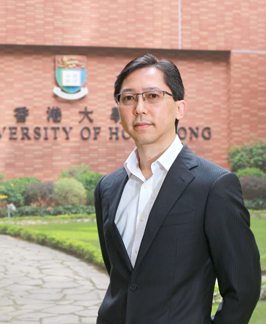
Prof. Kenneth K.Y. Wong is an Associate Professor and Division Associate Head (AI & Data Science Division) at the School of Computing and Data Science (CDS), The University of Hong Kong. He holds a BEng from The Chinese University of Hong Kong and MPhil/PhD from the University of Cambridge in Computer Vision. His career spans over 20 years in academia, including roles as Associate Head of the Department (2008-2012) and Programme Director of the BEng(CompSci) programme (2008-2015). Research Focus: Computer Vision, Machine Learning, Medical Imaging, Generative Models Key Roles: Director of Computer Vision Laboratory, Associate Editor of IJCV His research emphasizes camera calibration, 3D model reconstruction, generative AI, and medical image understanding. Over 160 peer-reviewed publications appear in top venues like CVPR, ECCV, and TPAMI. Active in professional service, he serves on program committees of major AI/conference events. Grants include projects in medical imaging (e.g., mitral valve analysis) and autonomous driving (DriveGPT4 series). His lab focuses on cutting-edge topics like video diffusion models, text-to-image synthesis, and 3D avatar generation.