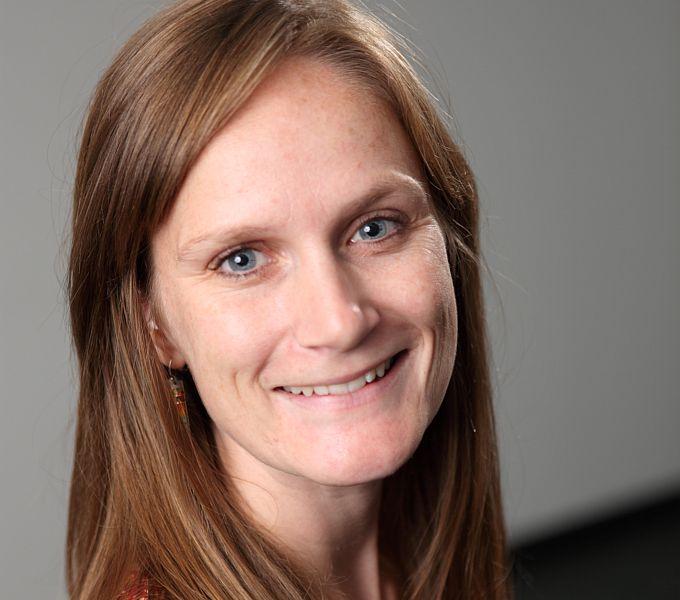
Zoé Mistrale Hendrickson
دانشیار · Social and Behavioral Sciences
University of Pittsburghمعرفی
Zoé Mistrale Hendrickson serves as Associate Professor and Director of the MPH/PhD joint anthropology degree within the Department of Behavioral and Community Health Sciences at the University of Pittsburgh's Graduate School of Public Health. Her work centers on social and infrastructural determinants of health affecting structurally marginalized populations globally, with emphasis on geographic mobility, gender inequity, and healthcare access barriers.
Her educational background includes:
- PhD in Social and Behavioral Sciences (2017) from Johns Hopkins Bloomberg School of Public Health
- BA in Sociology/Anthropology and Biology (2011) from Swarthmore College
Dr. Hendrickson pioneers innovative methodologies including arts-informed approaches for abortion self-care research, qualitative mapping of mobility patterns among sex workers, and mixed-methods climate change communication studies. Her work consistently integrates community engagement with theoretical frameworks to address health disparities across diverse contexts from U.S. Southern communities to sub-Saharan Africa. Current research trajectories focus on how social networks mediate climate change responses and how geographic mobility shapes violence exposure among marginalized groups.
Her recent publications demonstrate strong thematic continuity in qualitative investigations of mobility-health relationships, gender norms in reproductive health, and context-specific HIV treatment experiences. These studies consistently employ multi-country comparative frameworks (spanning six nations in gender research, three in maternal health) while maintaining deep local contextual understanding through community-partnered approaches.
As principal investigator, she leads social and behavior change interventions across West/Central/East Africa and South Asia targeting sexual/reproductive health, maternal care, and HIV services. Her teaching philosophy centers critical reflection on power dynamics and community engagement, extending her research ethos into mentorship. Collaborations span health facilities, regional departments, and ministries of health to integrate research with program implementation, producing globally utilized toolkits that address inequitable access to public health knowledge.