معرفی
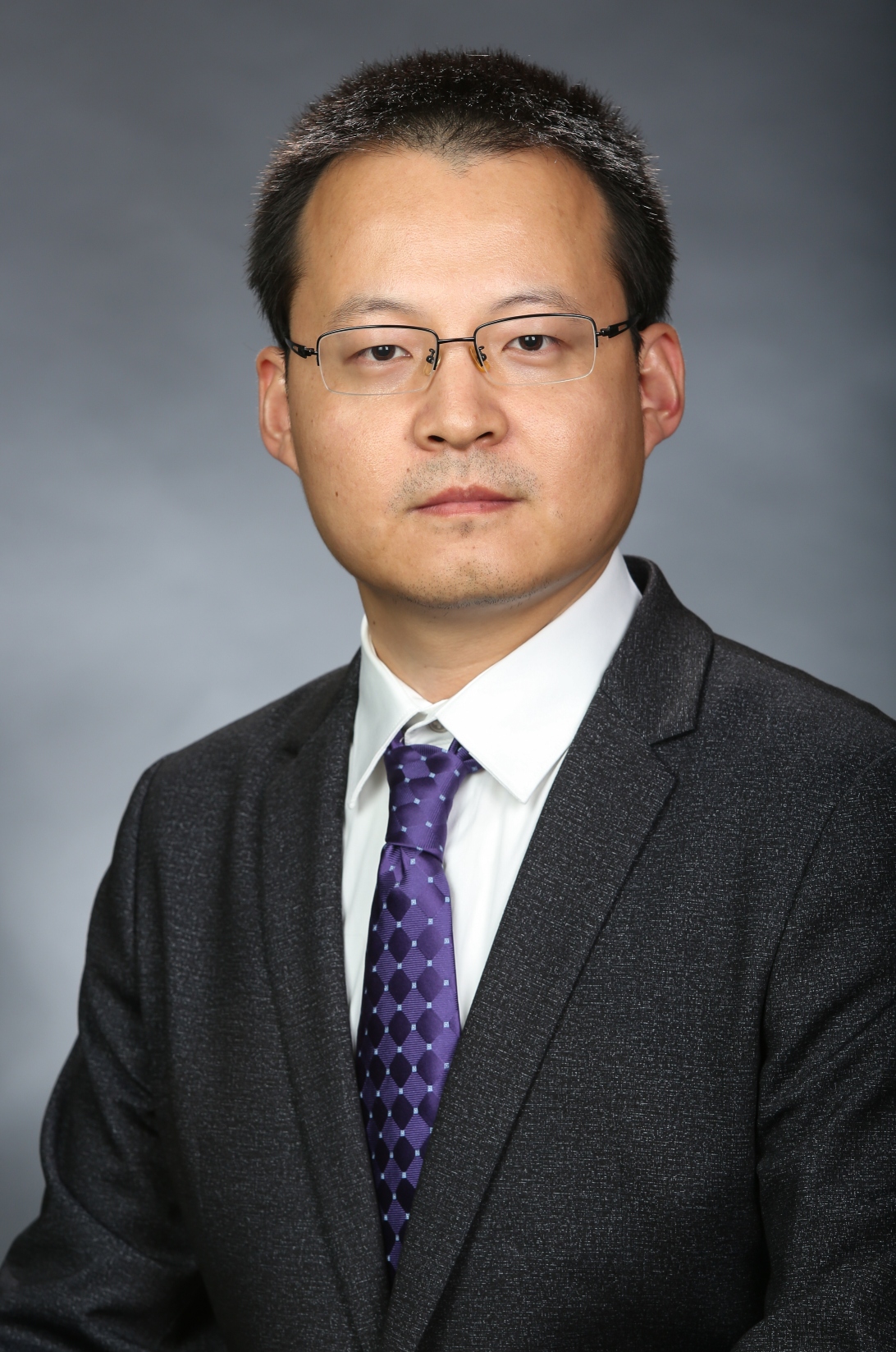
Dr. Yuanyuan Xie serves as an Associate Professor in the Department of Mechanical Engineering at California State University, Fresno within the Lyles College of Engineering. His teaching responsibilities include ME135 Senior Capstone Design I, ME155 Senior Capstone Design II, ME162 Computer Aided Design, and ME166 Energy System Engineering Design.
His academic credentials include:
- Ph.D. in Engineering from the University of South Carolina
- M.S. in Engineering from the University of Science and Technology of China
- B.S. in Engineering from Hefei University of Technology
Dr. Xie's research spans energy storage and conversion, electrochemical systems, multiphysics modeling, sustainable design, and transport phenomena. His work bridges engineering fundamentals with environmental sustainability, focusing particularly on battery technologies and clean energy systems. He integrates computational modeling with experimental validation to address critical challenges in energy storage, and maintains active membership in the American Society of Mechanical Engineering (ASME) and the Electrochemical Society (ECS).
Analysis of his 2014-2018 publications reveals a concentrated research trajectory in lithium-ion battery systems, with significant contributions to degradation modeling, electrode design optimization, and sustainability assessment of manufacturing processes. His methodological approach combines phase field simulations, mechanistic modeling, and electrochemical analysis, frequently yielding high-impact publications in journals like Nature Communications and Electrochimica Acta. Key themes include atomic layer deposition process optimization, silicon nanowire electrode mechanics, and state-level environmental impact assessments of electric vehicle adoption.
While specific grant details and student advising records weren't documented in the source material, Dr. Xie's extensive collaborative work with researchers from multiple institutions demonstrates strong interdisciplinary engagement. His laboratory activities appear centered on computational modeling of electrochemical systems, with particular emphasis on improving battery sustainability and performance through multiphysics approaches.