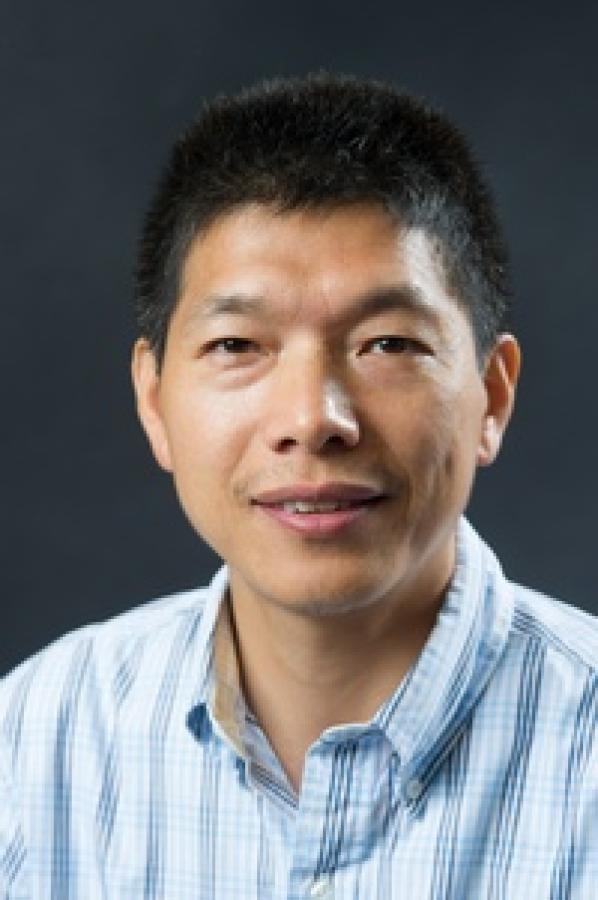
Ying Wang
دانشیار · Infectious Disease Research
University of Massachusetts Chan Medical Schoolمعرفی
Ying Wang is an Associate Professor at UMass Chan Medical School, affiliated with the T.H. Chan School of Medicine's Population and Quantitative Health Sciences department. Her research focuses on infectious diseases, particularly cryptococcosis, vaccine development, and immunological mechanisms. She holds a PhD in Public Policy from the University of Maryland, Baltimore County, with prior degrees from Nanjing University in Public Administration. Dr. Wang's work bridges epidemiology, biostatistics, and clinical research, addressing fungal infections and treatment outcomes in both HIV-infected and non-HIV populations.
Education:
- Bachelor of Arts (BA) in Public Administration, Nanjing University, China
- Master of Arts (MA) in Public Administration, Nanjing University, China
- Master of Public Policy (MPS), University of Maryland, Baltimore County, USA
- Doctor of Philosophy (PhD) in Public Policy, University of Maryland, Baltimore County, USA
Research Interests: Dr. Wang investigates fungal pathogenesis, host immunity to Cryptococcus neoformans, and translational strategies for vaccine development. Her studies explore genetic factors influencing susceptibility and treatment responses, including cytokine profiles, adjuvant efficacy, and pharmacogenomic interactions. She emphasizes clinical applications of her findings to improve diagnostics and therapies for cryptococcal meningitis and other invasive fungal infections.
Key Themes in Publications: Her articles address vaccine design using chitosan and glucan particles, immunological correlates of protection, and molecular mechanisms behind immune reconstitution inflammatory syndrome (IRIS). Recent work highlights genetic variants linked to drug toxicity and diagnostic challenges in non-HIV populations.
Awards: None explicitly listed.
Advising & Grants: No student advisees or grant details provided in available text.
Labs/Teams: No specific lab affiliations mentioned beyond her departmental and institutional roles.