معرفی
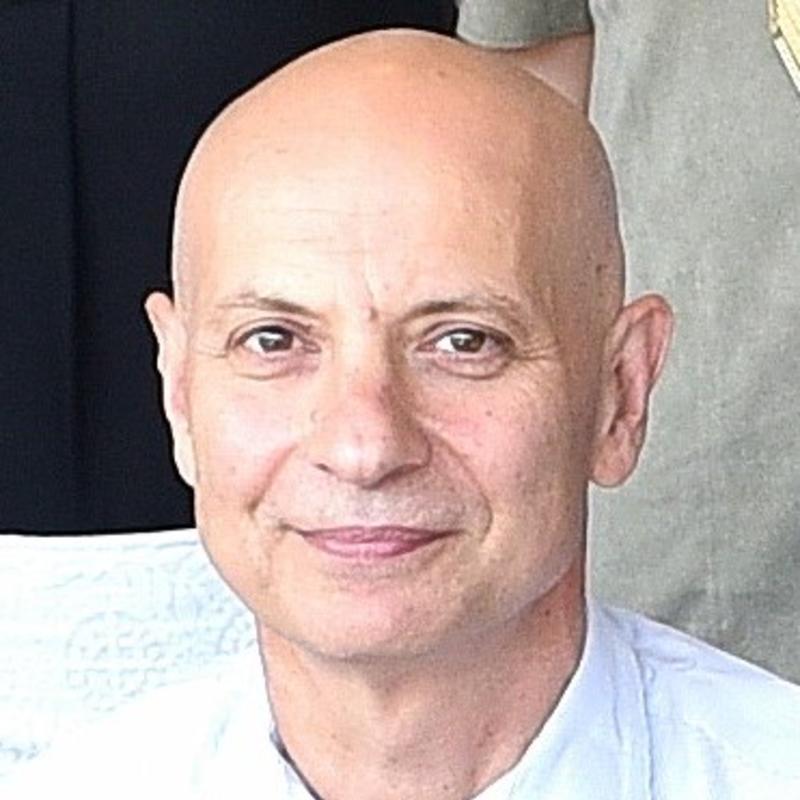
Yan Sun is a Professor in the Department of Epidemiology at Emory University's Rollins School of Public Health. He holds a PhD in Biochemistry and Molecular Biology (2001) and an MS in Computer Science (2003), both from Wayne State University. Before joining Emory in 2011, he served as an Assistant Research Professor at the University of Michigan School of Public Health. His research focuses on genetic and molecular epidemiology, particularly in multiethnic populations, with an emphasis on identifying molecular markers and understanding risk factors for human diseases such as cardiovascular and cardiometabolic disorders. Dr. Sun directs the Genetic and Molecular Epidemiology (GME) Certificate Program at Rollins and leads studies integrating genomic, epigenomic, and metabolomic data with machine learning to advance precision medicine.
His educational background and career path underscore expertise in both biological sciences and computational methods, enabling interdisciplinary research. Key areas include host factors in infectious diseases, biobank-based research, and methodological advancements in pathway and network analysis of complex diseases. He teaches courses such as Human Genome Epidemiology (EPI 552) and supervises research projects (EPI 798R/799R).
Dr. Sun’s work emphasizes translational research to improve disease prediction, prevention, and treatment. His studies often involve large-scale genomic datasets and collaborations across institutions, as evidenced by his extensive publication record in journals like Nature, Circulation, and Nature Genetics. He actively contributes to initiatives like the Million Veteran Program, exploring genetic risk scores and polygenic predictions for cardiovascular outcomes.
- Affiliations: Director of GME Certificate Program, Rollins School of Public Health; Principal Investigator in biobank and precision medicine research.
- Research Themes: Multiomics integration, genetic epidemiology of cardiometabolic diseases, HIV-associated comorbidities, and health disparities.
- Grants & Collaborations: NIH-funded projects on genetic risk, machine learning applications in epidemiology, and population health studies.
His recent work highlights innovations in epigenetic biomarkers for kidney function in HIV patients and the development of algorithms for early detection of conditions like diabetic retinopathy using electronic health records. Dr. Sun’s research bridges basic science and clinical application, aiming to address public health challenges through rigorous epidemiological and genomic approaches.