
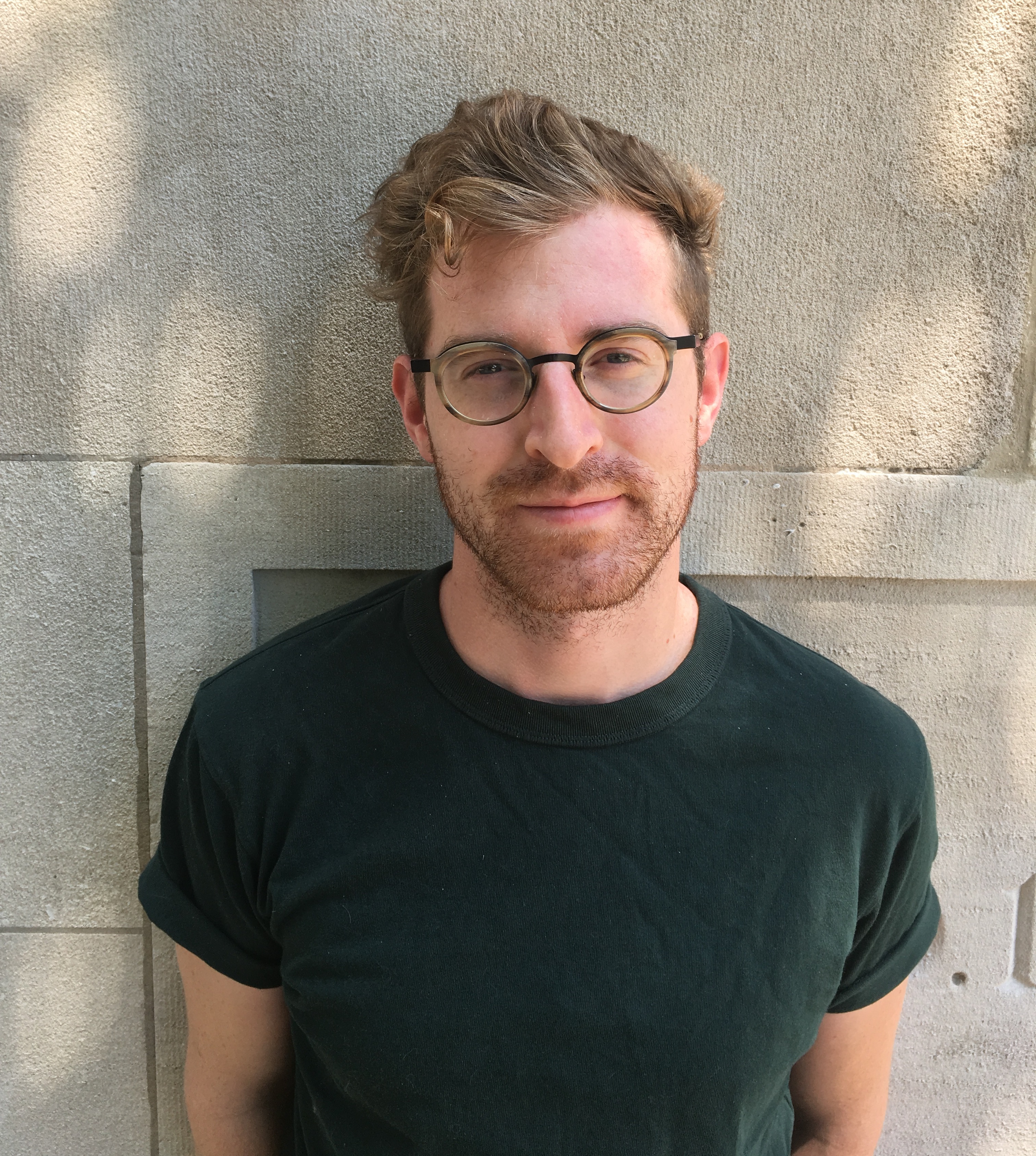
معرفی
William S. Clapp is a cognitive scientist and recent Ph.D. graduate from the Department of Linguistics at Stanford University, currently serving as an Affiliated Researcher with the Stanford Phonetics Lab under advisor Meghan Sumner. His research bridges experimental psychology and linguistics to investigate how humans convert sound into meaning through speech perception and language understanding.
Clapp's doctoral education culminated in the 2025 dissertation Socially-guided allocation of attention in the memory encoding of spoken language, supported by prestigious fellowships. His research focuses on the interplay of memory, attention, and social context in speech processing, with additional exploration of AI model behavior analysis and AI safety. Methodologically grounded in experimental psychology, his work employs recognition memory paradigms and eye-tracking to dissect cognitive mechanisms.
Analysis of Clapp's publications reveals a concentrated research trajectory examining episodic memory encoding of spoken language across diverse contexts. Key themes include talker-specificity effects, social category influences, cross-linguistic variations (notably in Hindi), and bottom-up interference in lexical processing. This body of work demonstrates consistent methodological rigor while expanding into socially contextualized models of speech perception.
His scientific achievements have been recognized through significant awards:
- NSF Doctoral Dissertation Research Improvement Grant
- William Orr Dingwall Foundations of Language Fellowship (2024-2025)
- Josephine de Karman Fellowship
Research funding includes the NSF grant and named fellowships supporting his dissertation work. Clapp maintains active collaboration with Meghan Sumner and researchers including Charlotte Vaughn, Simon Todd, and Nora Dee. Future directions may extend his social-context frameworks to AI safety applications while continuing cross-linguistic speech perception studies.
As an integral member of the Stanford Phonetics Lab, Clapp contributes to a collaborative research environment specializing in speech perception mechanisms, voice attribute encoding, and socially guided attention processes through ongoing experimental investigations.


