معرفی
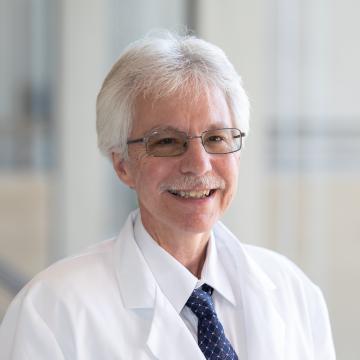
William H. Ridder III serves as a tenured Professor and Assistant Dean for Graduate Studies at the Southern California College of Optometry (SCCO), Marshall B. Ketchum University, where he directs the Electrodiagnostic Service and teaches Ocular Physiology and Neurophysiology. His academic leadership spans clinical education, research mentorship, and graduate program administration within the optometry school.
His educational foundation includes:
- BA in Biology from Southern Illinois University
- OD from Illinois College of Optometry
- MS in Biology from Southern Illinois University
- PhD in Physiological Optics from the University of Houston
Dr. Ridder's research centers on dry eye disease mechanisms and therapies, AMD progression diagnostics, and electrophysiological assessment of visual function. His work bridges clinical practice and laboratory science, with notable contributions to androgen-based dry eye treatments, PhNR/sVEP testing protocols, and amblyopia rehabilitation in adults. Current investigations focus on ocular surface dynamics and neural correlates of visual impairment.
Analysis of his 15 most recent publications (2019-2025) reveals three dominant research trajectories: 1) Clinical trials of topical androgen therapies for severe dry eye, 2) Electrophysiological differentiation of early/intermediate AMD stages using novel metrics like saccade latency, and 3) Validation of modified electrodiagnostic protocols against ISCEV standards. His work consistently emphasizes translational applications for improving visual function assessment.
As head of SCCO's Electrodiagnostic Service, Dr. Ridder oversees clinical testing operations and research infrastructure for visual electrophysiology. He actively contributes to professional discourse through memberships in the American Academy of Optometry, Association for Research in Vision and Ophthalmology, International Society for Clinical Electrophysiology and Vision, and Tear Film and Ocular Surface Society, regularly presenting findings at international conferences across Asia, Europe, and North America.
In his administrative capacity as Assistant Dean for Graduate Studies, he shapes optometric research education through curriculum development and interprofessional training initiatives. His leadership in the 2023 publication on collaborative healthcare workforce development underscores commitment to transforming graduate education, though specific grant funding details remain unpublicized.