معرفی
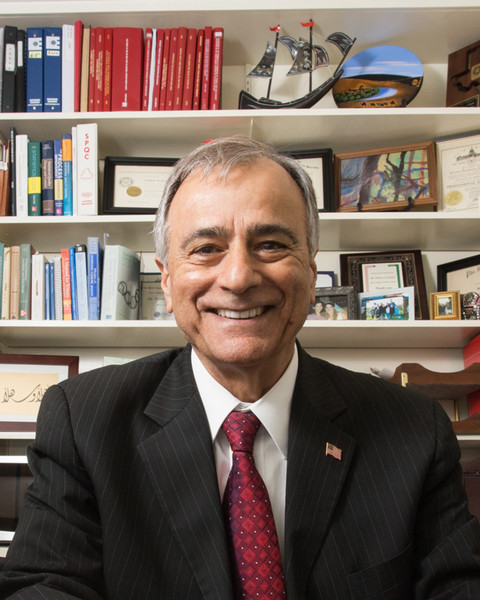
Dr. Victor Zaloom is a Professor in the Department of Industrial Engineering at Lamar University's College of Engineering, where he has served since 1981. He has held significant administrative roles including Department Chair (1981-2012), Interim Dean of Engineering (2018-2019, 2013-2015), and Associate Dean (2015-2016, 2006-2010), while maintaining active research and teaching.
His educational background includes:
- Ph.D. in Industrial Engineering and Systems, University of Houston
- M.S. in Industrial Engineering and Systems, University of Florida
- B.S. in Industrial Engineering and Systems, University of Florida
Dr. Zaloom's research centers on Risk Analysis and Scheduling Theory, with recent focus on maritime transportation systems. His work analyzes vessel traffic patterns, port operations, and waterway safety using AIS data, particularly in the Sabine-Neches Waterway. Current projects examine traffic delays, infrastructure resilience, and bank erosion from vessel-generated waves, addressing critical Gulf Coast maritime challenges through data-driven engineering solutions.
His publication trends show consistent output in maritime engineering (60%), risk analysis (25%), and industrial engineering education (15%), with increasing emphasis on real-world waterway applications since 2015. Recent work integrates field measurements, computational modeling, and policy implications for port authorities.
Notable recognitions include:
- IIE Fellow (2008) and Chairman of IIE Fellows (2010-2011)
- National Maritime Security Advisory Committee appointment by DHS Secretary Ridge (2004-2007)
- University of Houston Distinguished Alumnus (2006)
- ABET Visitor since 2002
- Victor A. Zaloom Leadership in Quality Scholarship at Lamar University
Dr. Zaloom has secured over $1,000,000 in extramural funding, with recent grants from CAPM totaling $84,622 (2022-2025) for waterway research. He mentors graduate students with several becoming academic leaders, and his teaching excellence includes industry short courses for major corporations. His former leadership of the Center for Ports and Waterways (1995-2015) established foundational maritime research infrastructure, while current work continues through active collaborations with port authorities and government agencies.