معرفی
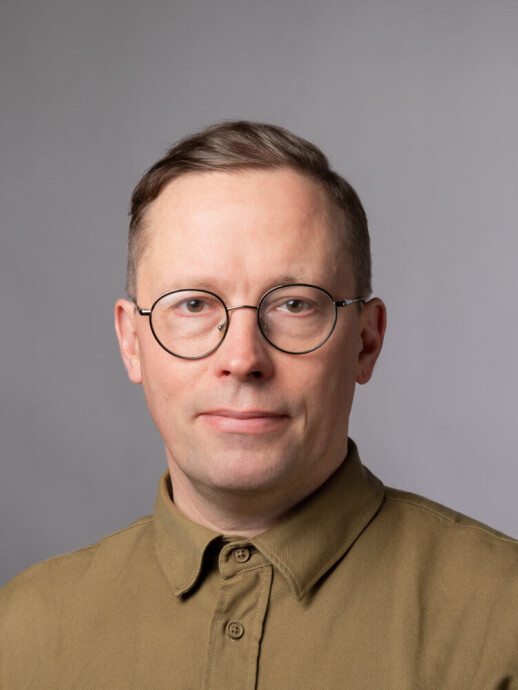
Vesa Putkinen serves as an Academy Research Fellow at the Turku PET Centre within the Turku Institute for Advanced Studies (TIAS) at the University of Turku. His research integrates advanced neuroimaging techniques including PET and fMRI to investigate neural mechanisms underlying human emotional and social experiences, with particular focus on auditory processing, music cognition, and reward systems.
His primary research domains include Neuroscience, Cognitive Psychology, and Social Neuroscience, examining topics such as speech development in infants, cross-cultural bodily responses to music, and the neurochemical basis of altruism. Methodologically, he specializes in multimodal neuroimaging to link neurochemical activity (particularly opioid receptor function) with behavioral and physiological responses, often employing cross-cultural and developmental perspectives.
Analysis of his 2023-2025 publications reveals a cohesive research program centered on the endogenous opioid system's role in mediating pleasurable experiences—from music perception to sexual response—and its implications for social cognition. His work consistently bridges basic neuroscience with clinical applications, particularly in developmental disorders like dyslexia and autism spectrum traits, while demonstrating methodological innovation through combined PET/fMRI approaches and international collaborations.
Scientific awards: No specific awards or fellowships were documented in the source material.
Advising and grants: The available information does not specify doctoral students supervised, grant funding received, or mentoring activities.
Dr. Putkinen operates within the Turku PET Centre, a multidisciplinary research hub specializing in molecular imaging applications for neuroscience and medicine. The center facilitates collaborations between the University of Turku's medical and science faculties, Turku University Hospital, and international research teams, providing infrastructure for cutting-edge studies on brain function in both healthy and clinical populations.