معرفی
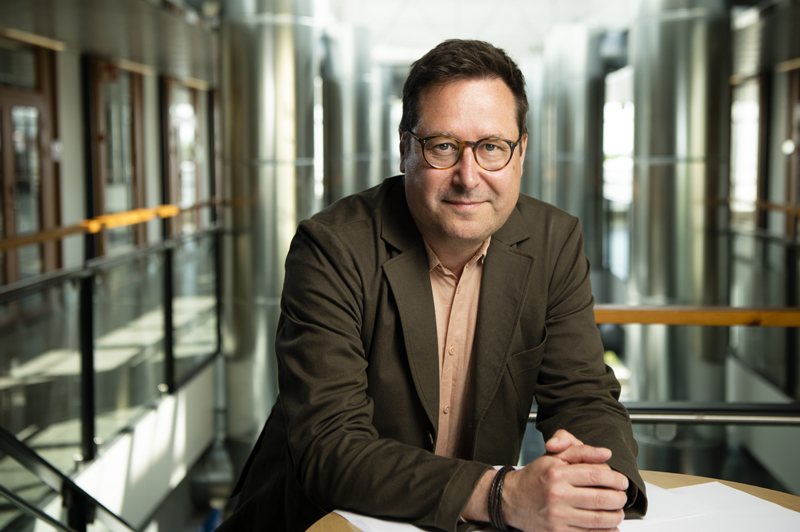
Tuomo Hartonen is an Academy Postdoctoral Researcher at the Institute for Molecular Medicine Finland (FIMM), Faculty of Medicine, University of Helsinki. His research bridges artificial intelligence, genomics, and population health, focusing on developing and evaluating predictive models using polygenic risk scores and electronic health records. Funded by the Academy of Finland, he leads cutting-edge projects leveraging Finland's unique health register infrastructure.
Dr. Hartonen's work centers on critical challenges in biomedical AI: cross-biobank model generalizability, disease prediction accuracy, and ethical implications of algorithmic health markers. His expertise spans polygenic scoring methods, deep learning for mortality prediction, and frameworks for country-specific disease incidence estimation. Recent projects address unfairness in AI-driven aging markers and ensemble learning benefits for genetic risk prediction.
His publication trend shows accelerating impact in high-impact venues (Nature Genetics, Nature Communications), with 5 articles in 2024-2025 analyzing data from over 1 million individuals across multiple biobanks. Key themes include model transferability between populations, integration of genomic and clinical data, and bias mitigation in health AI.
Scientific recognition includes:
- Academy Postdoctoral Researcher Fellowship (Academy of Finland)
- Academy Research Fellow position award (2025-2029)
Dr. Hartonen currently manages a major Academy of Finland project on AI-based population health modeling (2025-2029) and contributes to deep learning validation for clinical lab data (2024-2028). His international collaborations span European biobanks, with emphasis on translating genomic research into population health applications. While specific student supervision details aren't public, his Academy Research Fellow role will involve mentoring doctoral researchers.
Embedded within FIMM's Research Programs Unit, Dr. Hartonen operates at Finland's genomic medicine frontier. His work leverages national health registers to develop next-generation health prediction tools, with upcoming focus on multi-country AI foundation models that address generalizability and fairness challenges in real-world healthcare settings.