معرفی
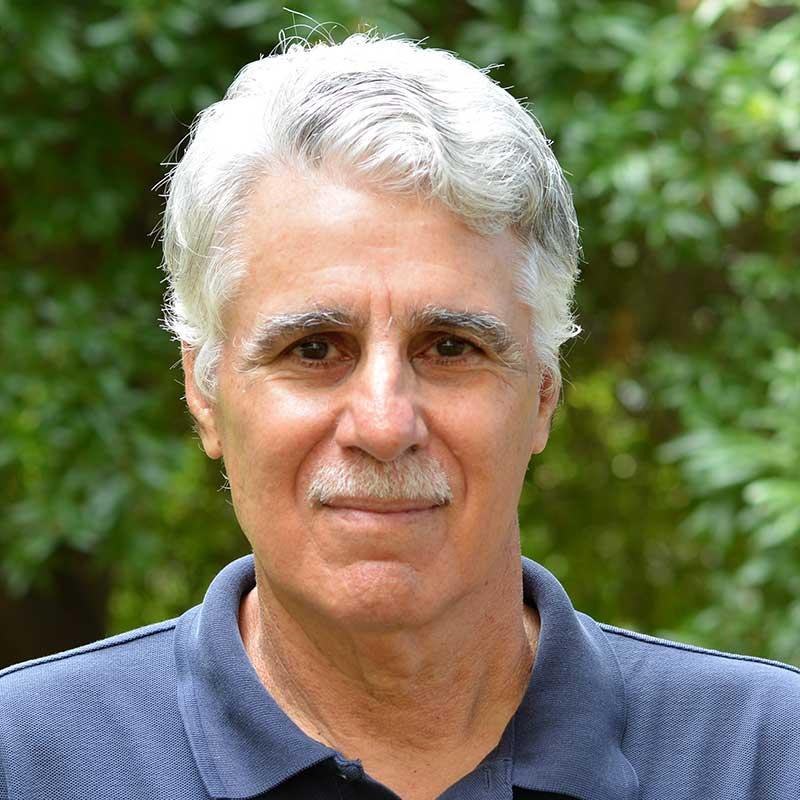
Torre J. Hovick is an Assistant Professor in the School of Natural Resource Sciences at North Dakota State University, where he leads the Rangeland Wildlife Ecology Lab. His research focuses on understanding wildlife survival and habitat selection in response to environmental variables and management actions, with particular emphasis on grassland ecosystems and the effects of disturbance processes like fire and grazing.
Dr. Hovick received his educational training with a strong foundation in wildlife ecology:
- Ph.D. in Wildlife Ecology from Oklahoma State University (2010-2014), with research focused on grassland bird community dynamics across fire and grazing gradients
- M.S. in Wildlife Ecology from Iowa State University (2007-2010), studying grasshopper sparrow nest survival in response to burning and grazing
- B.A. in Biology from the University of Northern Iowa (2001-2005)
Dr. Hovick's research program examines how restored disturbance processes influence rangeland wildlife survival and habitat use. His work integrates experimental and observational approaches to understand the complex relationships between management practices, vegetation structure, and wildlife communities. A significant portion of his research investigates how fire and grazing create heterogeneous landscapes that benefit grassland birds and other wildlife, while also maintaining livestock production. His studies often address the challenges of invasive grass species like Kentucky bluegrass and smooth brome, and how management practices can mitigate their impacts on native biodiversity.
Analysis of Dr. Hovick's recent publications reveals a strong focus on the interactions between grazing management, fire ecology, and wildlife conservation. His research consistently demonstrates how heterogeneous landscapes created through practices like patch-burn grazing can simultaneously support biodiversity conservation and agricultural production. A notable trend is his increasing emphasis on the cascading effects of management decisions across ecological systems, examining how changes in vegetation structure influence everything from insect communities to bird nesting success.
Dr. Hovick has built a productive research program with 158 publications and 2,215 citations, demonstrating significant impact in the fields of wildlife ecology and rangeland management. His work bridges the gap between theoretical ecology and practical land management, providing valuable insights for both conservation practitioners and agricultural producers.
As leader of the Rangeland Wildlife Ecology Lab at NDSU, Dr. Hovick mentors students and collaborates with researchers across disciplines to address pressing challenges in grassland conservation. His research often involves partnerships with private landowners, recognizing that 91% of rangelands in the Great Plains are in private hands, making cooperative conservation approaches essential for wildlife preservation.