معرفی
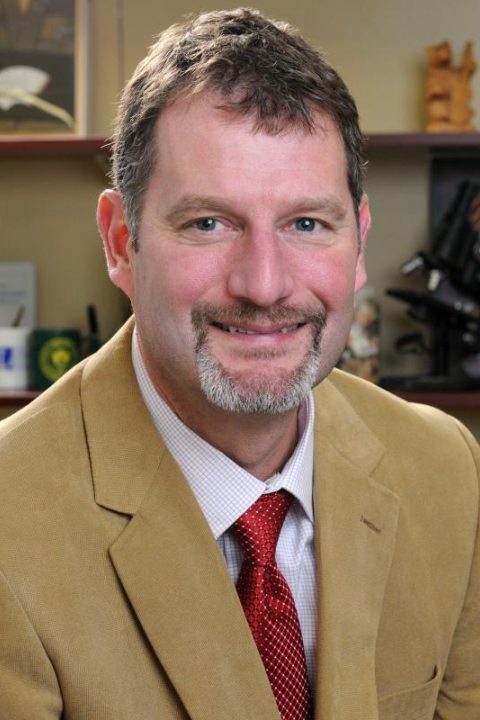
Tommi Malinen serves as a Project Designer and Visiting Researcher at the Biological Stations of the University of Helsinki, with an extensive research portfolio spanning 155 publications and 48 projects. His work focuses on freshwater ecosystems in boreal and subarctic regions, particularly examining mercury pollution dynamics, fish ecology, and lake food web structures through long-term monitoring and field studies.
Malinen's research interests center on environmental toxicology and aquatic ecology, with recurring themes of mercury biomagnification in fish, responses of lake ecosystems to acidification and recovery, and population dynamics of key species like pike, perch, and pikeperch. His methodology integrates hydroacoustic surveys, experimental trawling, and long-term data analysis to assess ecosystem changes across decades, emphasizing the impacts of environmental stressors on freshwater biodiversity and contaminant pathways.
Analysis of his recent publications (2021-2025) reveals a strong concentration on mercury contamination patterns in boreal lakes, with particular attention to temporal trends, species-specific accumulation, and ecosystem recovery processes. His work demonstrates consistent use of multi-disciplinary approaches combining field ecology, biogeochemistry, and fisheries science to address pressing environmental challenges in northern freshwater systems.
No scientific awards were documented in the available information. Malinen actively participates in research supervision (including Master's and Licentiate theses), project leadership, and collaborative grant-funded initiatives such as the ongoing Lake Vesijärvi food web study (2025-2026) and the Arctic fish invasion project. His external engagements include advisory roles for organizations like Päijät-Hämeen Vesijärvisäätiö and Paimionjoki-yhdistys.
Malinen collaborates extensively through the Freshwater Research (FRESH) consortium and international networks, conducting fieldwork at key sites including Lake Vesijärvi and Hiidenvesi. His team-based approach involves interdisciplinary researchers across institutions, as evidenced by co-authorship patterns in publications and participation in projects like the mercury acidification study (2010-2011) and Hiidenvesi osprey research (2023).