معرفی
Tom Avermaete serves as Professor of the History and Theory of Urban Design at ETH Zurich's Department of Architecture since 2018. His research investigates urban design through three interconnected lenses: cities as material culture, cross-cultural knowledge exchange beyond Euro-American paradigms, and urban development as a shared civic responsibility.
His scholarly work centers on intercultural urbanism, examining how architects and planners operate across geographical and cultural boundaries. Key research strands include the historical development of urban commons, postcolonial urban histories (particularly in Africa), pandemic-era spatial adaptations, and alternative historiographic methods for global architectural history. His approach emphasizes the material dimensions of urban design while challenging Western-centric narratives.
Avermaete's recent publications reveal consistent thematic clusters: pandemic urbanism (notably balcony studies), cross-cultural architectural exchanges (especially in postcolonial contexts), and reconceptualizing urban commons. His work frequently employs 'contact zone' theory to analyze knowledge transfer in global urban development, with significant focus on African and European case studies.
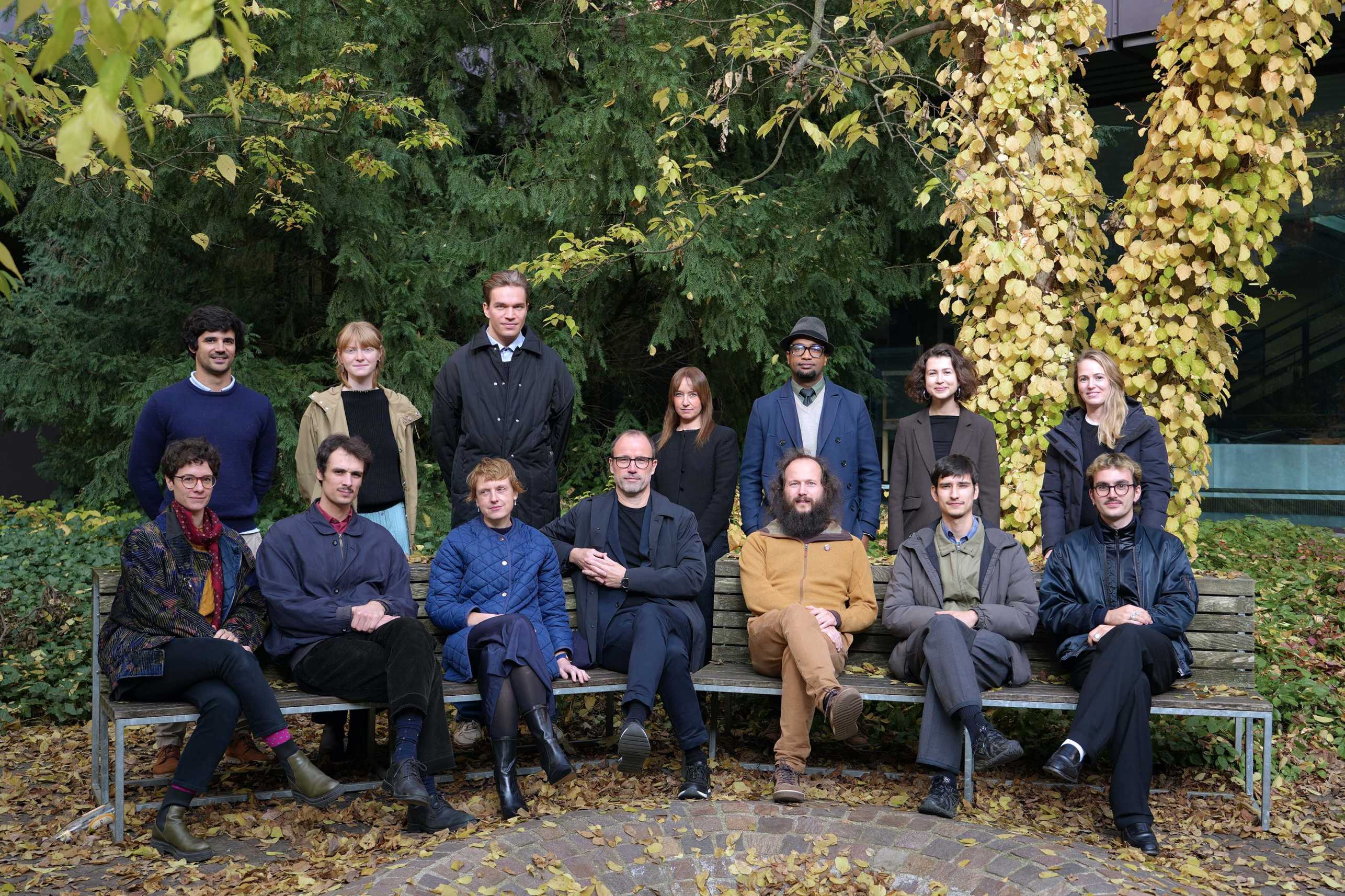
As chair leader, he supervises research projects including 'Codes and Conventions for Future Zurich,' 'Exploring the Contact Zone,' and 'Building the Commons.' His team investigates qualitative densification strategies, historical urban models, and communal land use patterns across temporal and geographical contexts.
- Co-organized 'Transects through Alpine Water Landscapes' summer school (2020)
- Coordinated research studio on Zurich's land/water/green commons
- Developed 'Swiss Coloniality' research program examining knowledge circulation
The chair functions as an international hub for critical urban studies, with members conducting fieldwork across Africa, Asia, and Europe while developing new methodologies for writing inclusive architectural histories that center non-Western perspectives and collective spatial practices.