معرفی
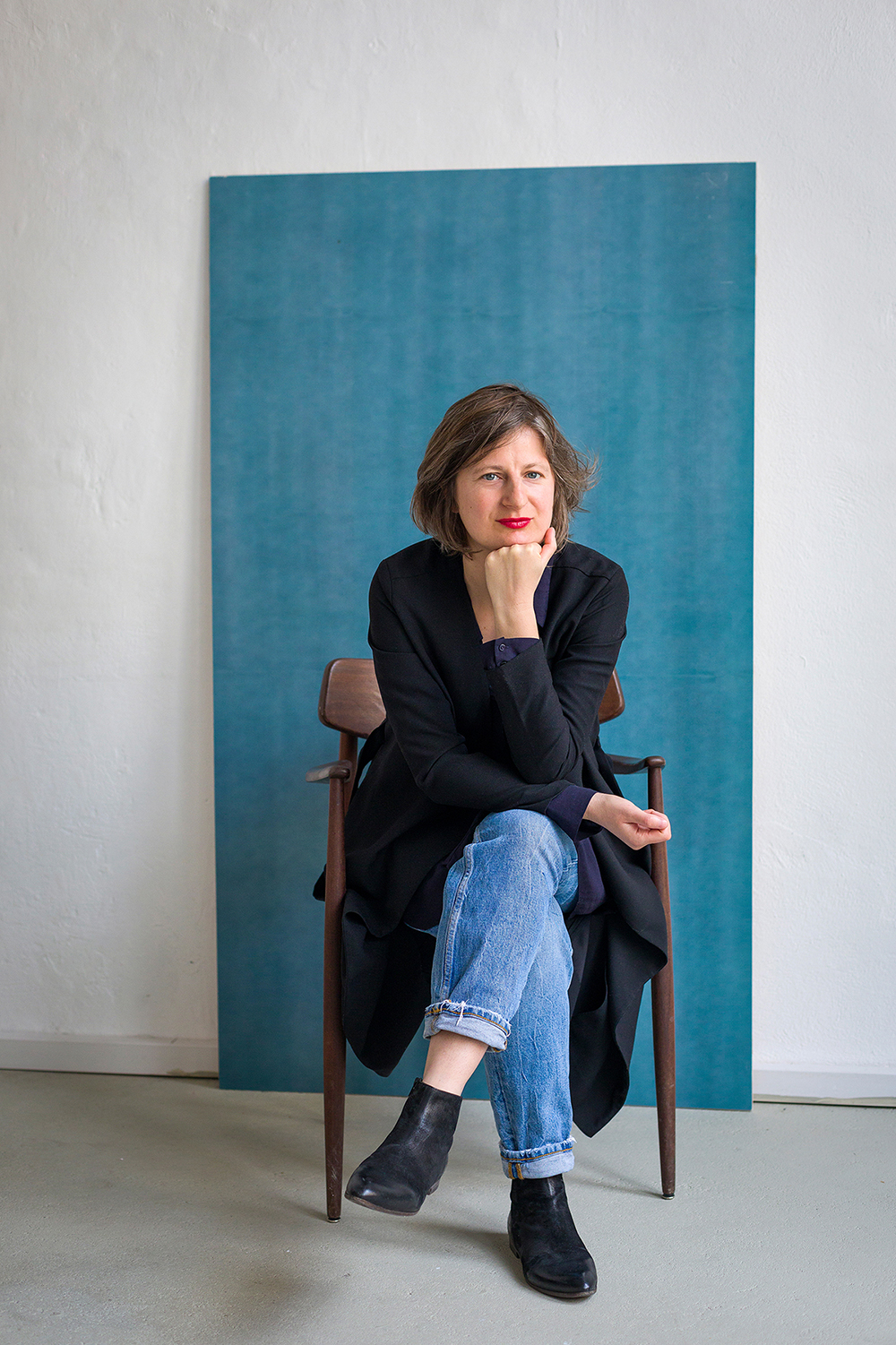
Tobias Plebuch serves as Associate Professor in the Department of Musicology at Uppsala University, with prior research appointments at Humboldt University Berlin, Stanford University, and institutions in Freiburg. His academic trajectory includes significant editorial contributions to Carl Dahlhaus' collected writings and Hermann Danuser's Festschrift.
His educational background comprises a diploma in music education, PhD in musicology, and habilitation (postdoc equivalent) in musicology. Professional development includes research fellowships at Stanford Humanities Center and German academic institutions.
Dr. Plebuch's research centers on three interconnected domains: 18th-century music (specializing in C.P.E. Bach's keyboard works), music in audiovisual media (particularly film scoring practices from silent cinema to contemporary cinema), and K-pop (analyzing vocal techniques and cultural production). His scholarship bridges historical musicology with media studies and global popular culture.
Publication trends reveal sustained engagement with music-media intersections across historical periods, from Bach's reception in Bergman's films to modular forms in silent cinema and contemporary K-pop vocalization. His work consistently examines how musical meaning is constructed within non-musical contexts through technical, cultural, and performative lenses.
His research is supported by prestigious fellowships:
- Deutsche Forschungsgemeinschaft scholarship
- Stanford Humanities Center fellowship
- European Network for Musicological Research fellowship
- Längmanska Kulturfonden scholarship
- Riksbankens Jubileumsfonden scholarship
Dr. Plebuch has secured ten major research grants and organized eleven international conferences, including the June 2025 K-pop conference at Uppsala. While formal student advising isn't documented, his editorial projects and conference leadership indicate substantial mentorship activities. His recent media appearance on Arirang TV (August 2025) demonstrates public engagement with Korean musical culture.
He maintains active collaboration through the Packard Humanities Institute for Bach scholarship and participates in European musicological networks, with current projects examining contemporary audiovisual phenomena through historical musicological frameworks.
حوزههای پژوهشی