معرفی
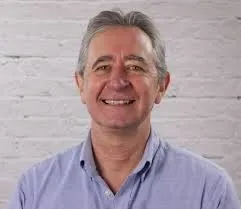
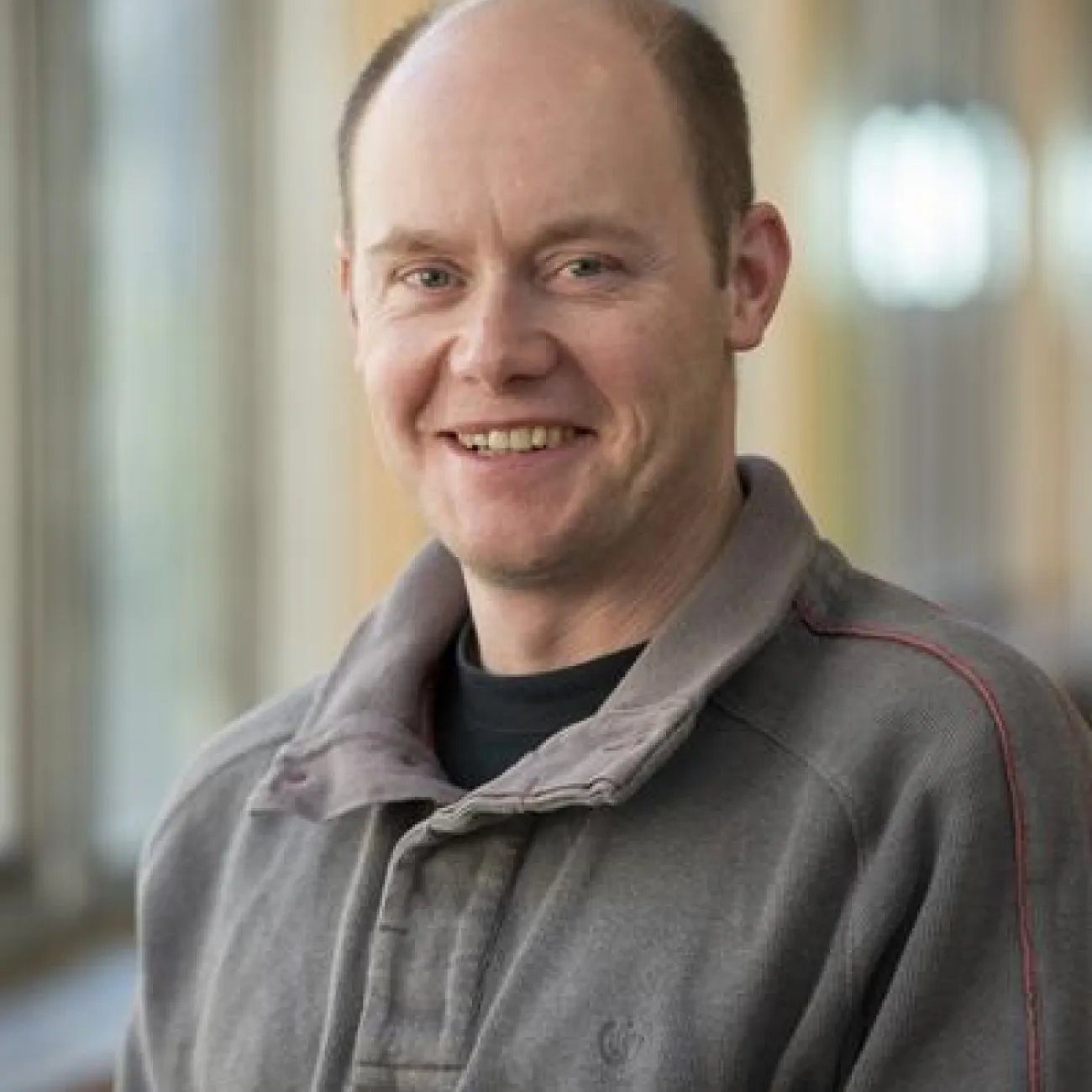
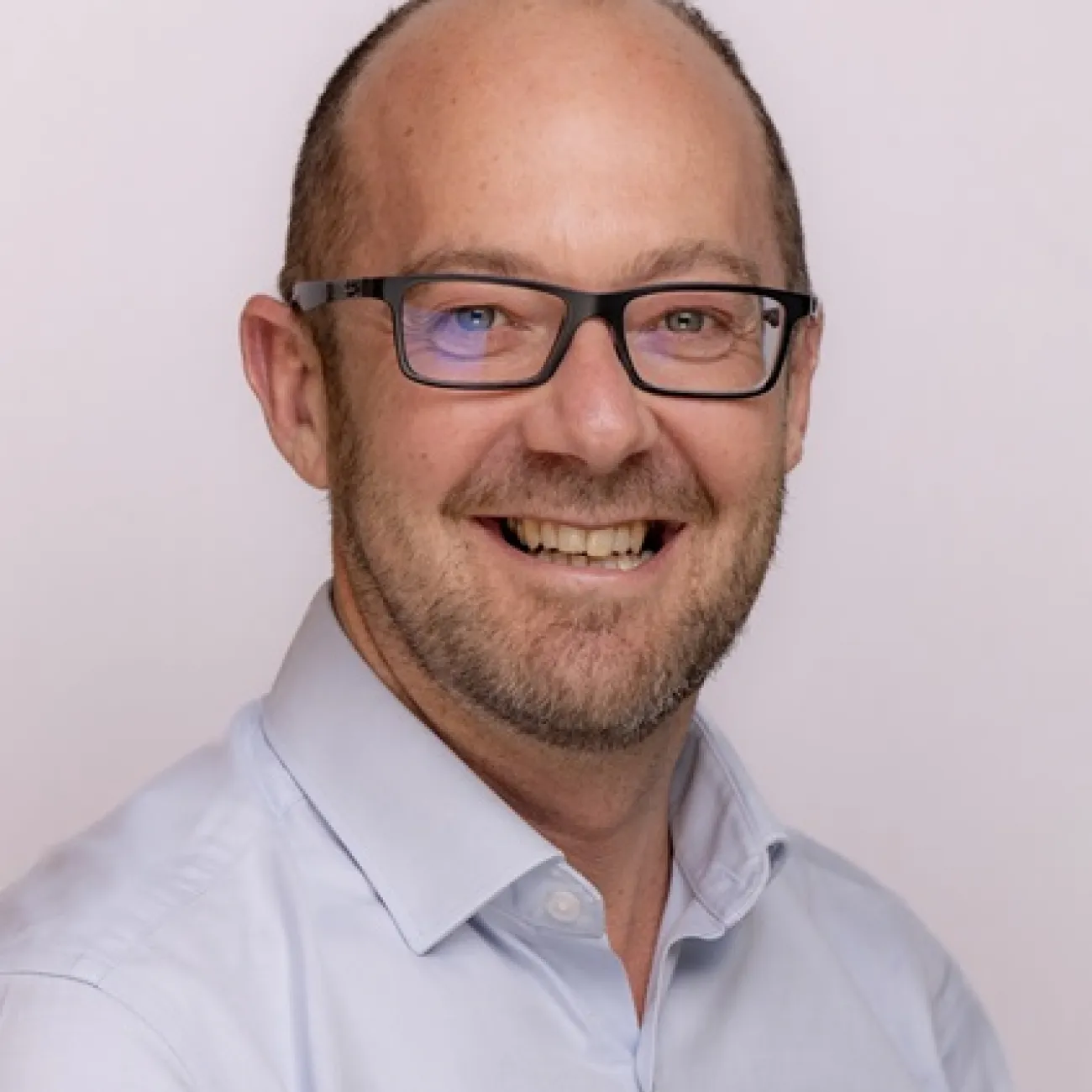
Professor Timothy G Leighton is a faculty member at the University of Southampton, Faculty of Engineering and Physical Sciences, specializing in acoustics research with significant applications in medical decontamination and infection prevention.
Professor Leighton's research spans multiple domains:
- Medical applications of acoustics and ultrasonics
- Biofilm and pathogen removal techniques
- Decontamination of surgical instruments
- Food safety applications using acoustic methods
- Pandemic response technologies for surface decontamination
His primary focus centers on developing ultrasonically activated streams as alternatives to chemical-based decontamination methods. This innovative approach has shown promise across healthcare, food safety, and industrial settings, offering potentially safer and more environmentally friendly solutions to infection control challenges. Professor Leighton maintains strong collaborative relationships with microbiologists and medical researchers, particularly through his work with the Microbiology research group at Southampton.
Professor Leighton's research outputs demonstrate consistent productivity with publications in high-impact journals across medical engineering, microbiology, and acoustics fields. His work shows a clear trajectory toward practical applications of acoustic decontamination technologies, with recent focus areas including wound care treatment, prion decontamination of surgical instruments, food safety improvements, and pandemic response applications.
Notable research contributions include:
- Development of ultrasonically activated streams for biofilm removal from wounds
- Techniques for prion decontamination of surgical instruments
- Applications for food safety and livestock feed processing
- Potential uses in Coronavirus decontamination
Professor Leighton's research has been supported by funding bodies including EPSRC, as evidenced by the 'T Leighton 2015 - EPSRC NAMRA' project, and his continued publication record suggests ongoing research activities and likely current funding sources supporting his work.